


Replicating past strategies in Andhra
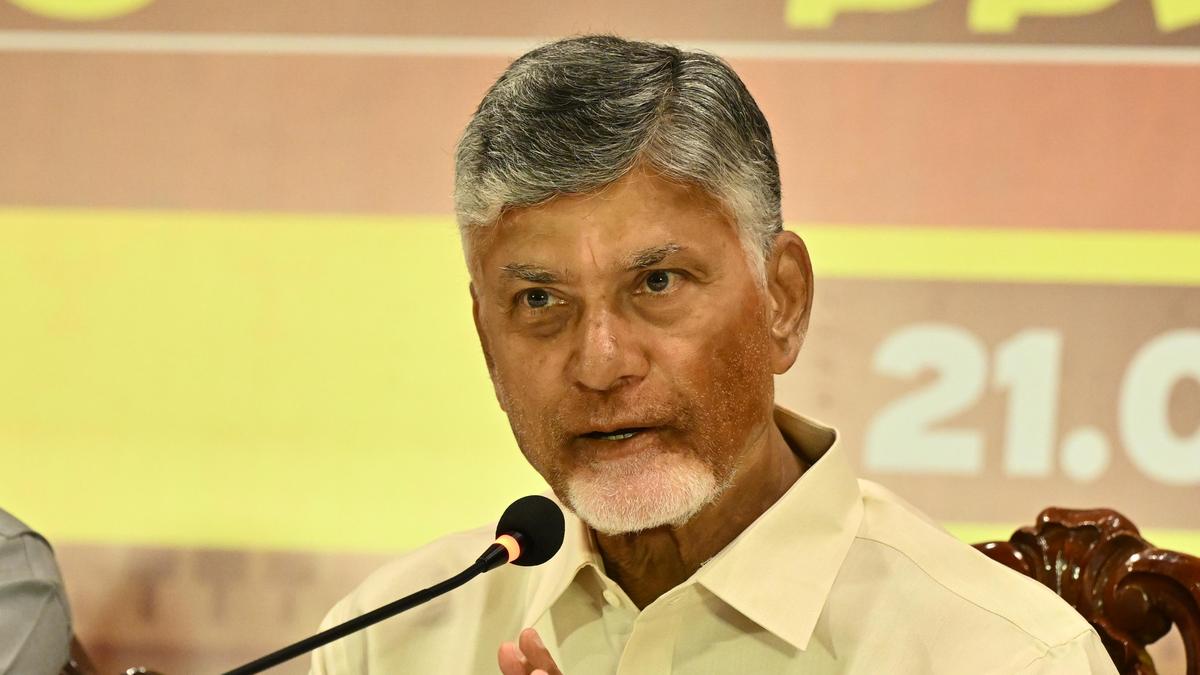
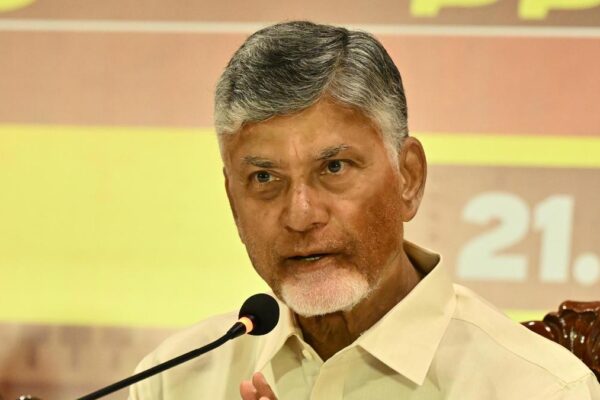
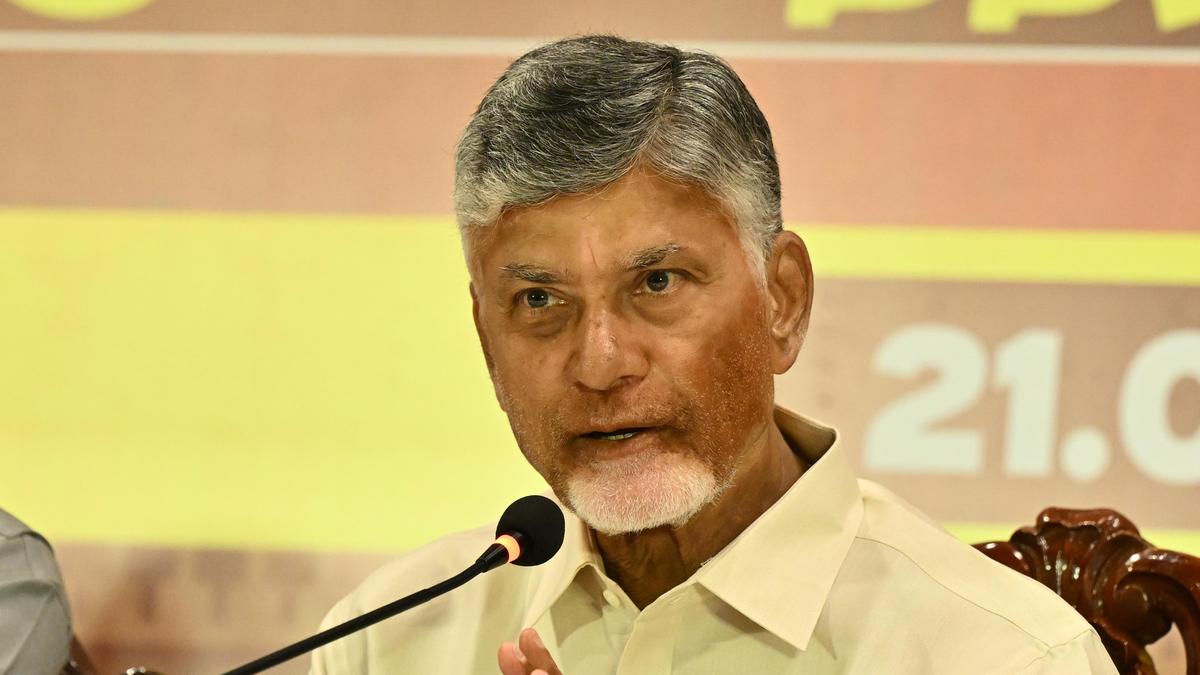
Chief Minister of Andhra Pradesh Chandrababu Naidu. File picture
| Photo Credit: The Hindu
The politics of Andhra Pradesh has long been a theatre of high-stakes engineering of narratives, where the contest for power is fought less on the balance sheets and more on the terrain of credibility. The narrative, now, has entered a new phase where past tactics are being summoned to challenge a statutory reality.

The agitation for a Special Category Status (SCS) in 2019, and the current discourse around the MAVIGUN (which stands for Machilipatnam–Vijayawada–Guntur, a proposed alternative capital corridor by YSR Congress Party (YSRCP) chief Jagan Mohan Reddy) reveals a consistent strategic power-play: the attempt to trap the Telugu Desam Party (TDP) president and Chief Minister N. Chandrababu Naidu in a web of his own ambitions.
Understanding history
To understand the current friction, one must go back to 2019. The demand for the SCS was more than an economic request; it was an emotional referendum on the State’s post-bifurcation identity, which both parties, the TDP as well as the YSRCP, were in support of. For four years, from 2014, the TDP occupied a precarious middle ground, attempting to balance a fruitful alliance with the BJP-led Centre against the rising tide of regional aspiration in the form of the demand for the SCS. The Opposition leader, Mr. Reddy, relentlessly branded the ‘special assistance measure’ by the Centre in lieu of the SCS as a betrayal of the State’s rights. The YSR Congress chief consistently asked just one simple but powerful question: if the SCS is essential for Andhra Pradesh, why is the TDP still in alliance with the BJP, which holds power at the Centre and still denies the State the special category? This argument gradually resonated with sections of voters, and forced Mr. Naidu into a corner. The eventual break of the TDP from the National Democratic Alliance (NDA) in 2018 was a high-stakes pivot that ultimately failed to convince the electorate.

The SCS issue, thus, became a credibility trap for the Naidu government; it was weaponised not as a policy goal, but as a test of political character. By framing the demand as an emotional prerequisite for Statehood, the Opposition forced the TDP into a structural contradiction. Moreover, the YSRCP did not need to prove it could achieve the SCS either; it only needed to convince voters that the TDP had failed in securing it despite being in alliance with the Centre.
The current framing of the MAVIGUN corridor seeks to replicate this exact pressure point by forcing a choice between a new capital dream (Amaravati), espoused by Mr. Naidu, and a “low-cost” reality propounded by the YSRCP.
A return to old moves
Mr. Reddy, by proposing the MAVIGUN corridor, an alternative that claims to cost only 10% of the ₹2 lakh crore required for developing Amaravati, the capital of Andhra Pradesh, is attempting to show that the capital plan is a liability. In 2019, the argument was that the State lost its dignity through political compromise; in 2026, the argument is that the State is losing its future through financial strain.

However, the political landscape of 2026 possesses a structural finality that was absent during the SCS movement. The passage of the Andhra Pradesh Reorganisation (Amendment) Bill, 2026 has granted Amaravati statutory status. Unlike the verbal assurances for the SCS, which were prone to shifting political winds, the capital now has the institutional backing of both the State and the Centre. This significantly raises the stakes for the Opposition.
The challenge for the ruling alliance remains its internal cohesion in this battle of narratives. While the TDP is deeply invested in its defence of Amaravati, its partners engage with a more calculated detachment. This leaves Mr. Naidu in a position reminiscent of 2018 — carrying the entire weight of the narrative.
Ultimately, the political contest in Andhra Pradesh has evolved into a clash between two different models of governance. One side relies on the emotional resonance of social justice and fiscal frugality, while the other bets on grand-scale infrastructure. Whether the MAVIGUN narrative gains the same traction as SCS will depend on whether voters prioritise welfare relief or the long-term promise of a developed capital. The trap is set; whether it snaps shut or is dismantled by the momentum of physical development remains the central question.
subbarao.gavaravarapu@thehindu.co.in
Published – May 18, 2026 12:30 am IST