




Back to life – The Hindu
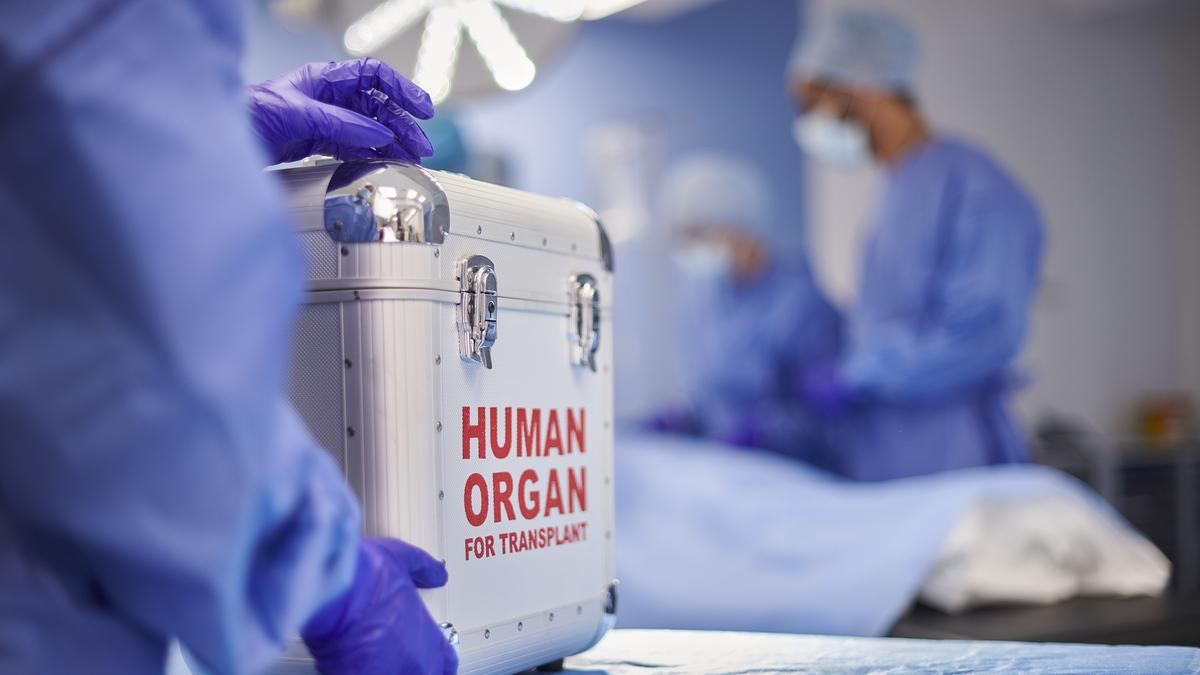
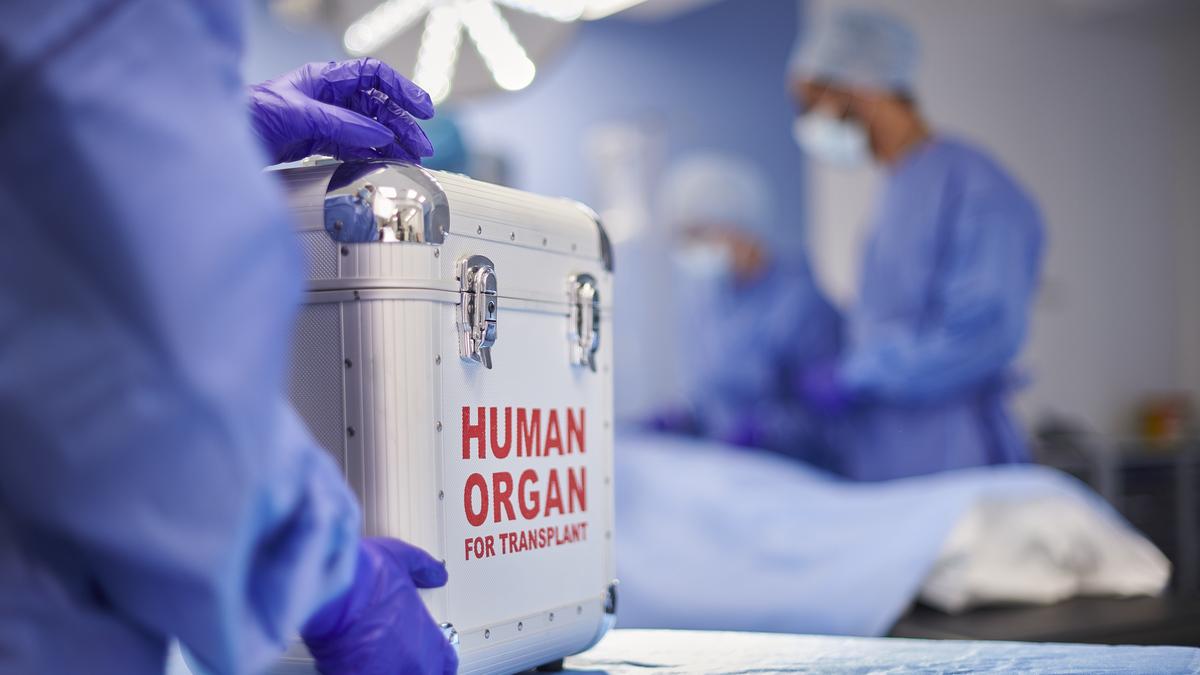
Before a transplant, life contracts; after it, something remarkable happens: the ordinary returns.
| Photo Credit: Getty Images
A child is diagnosed with a genetic defect in the heart. The parents sit across a doctor who speaks of narrowing options and limited time. What should they do — wait, hope, or act?
A 30-year-old gymnast, disciplined and fit, develops irreversible lung failure after a sudden illness. What fault is his?
A young father with two small children and a non-earning spouse is told that diabetes has led to kidney failure. What does he do — resign himself to dying, or fight for time?
These are not exceptional stories. They are the quiet crises of organ failure, often misunderstood and deeply feared. At the centre of this fear lies a persistent misconception: that transplantation is a desperate gamble that may or may not work, and that life after it is diseased and reduced. The truth is far more hopeful.
Organ transplantation is one of modern medicine’s most life-changing surgical interventions, not because it prolongs illness, but because it restores life. When a vital organ fails, the body begins to shut down. Your heart grows weak and you take every step chasing your breath. Your kidneys fail to work and you go on dialysis. Machines and medicines can support for a while — dialysis can filter blood, oxygen can ease breathing — but these are temporary measures, not destinations. By contrast, a transplant replaces the failing organ with a healthy one, allowing the body to function again as it was meant to.
Its meaning is best understood in lived experience. Before a transplant, life contracts: days revolve around hospital visits, energy is rationed, and the future feels uncertain. After a successful transplant, something remarkable happens: the ordinary returns. Children go back to school. Adults return to work. Parents resume the everyday work of caring for a family. The real story of transplantation does not end with surgery; it begins there.
Unfortunately, our society is not awakened yet to what a transplant does for a human being. Recipients are often perceived, and sometimes see themselves, as permanently “sick”. This perception deserves to be corrected. Yes, they require lifelong follow-up and immunosuppressant medicines so the body does not reject the new organ as a foreign body. In rare cases, such as identical twins, even this medicine may not be necessary because of genetic similarity. Let’s understand, medical vigilance is not the same as illness. A transplant recipient is not a patient in hospitals as they were during organ failure. They are persons with renewed vigour and purpose who contribute to society and the economy.
Equally important is the need to remove the moral stigma around organ failure. Not all such failure is the result of lifestyle choices. Children are born with congenital defects. Autoimmune diseases strike without warning. Infections and even necessary treatments can cause lasting damage. Illness is not always a consequence; often, it is a circumstance.
There is also a misconception about who undergoes transplantation. It is sometimes seen as a high-end option, available only to those with means. The reality is far more sobering. The poor also get transplants when the State supports them. Middle class families exhaust savings, sell property, or turn to crowd funding to make it possible. Families don’t choose transplantation because they can afford it; they choose it because they cannot afford to lose someone.
The impact extends well beyond the individual. A child who receives a new heart grows into adulthood. A parent with a transplanted kidney continues to anchor a family. A working adult returns not just to livelihood, but to dignity. A single organ can save not just the recipient, but his whole family from decline.
There are challenges. Donor shortages persist, and awareness of deceased donation is uneven. Yet medicine continues to advance, improving outcomes and expanding possibilities.
To understand transplantation is to know it is not an end, but a turning point — a way of reclaiming life when it seems to be slipping away. For the child, the athlete, the parent, it is not about extending a compromised existence. It is about returning to the rhythm of competing in transplant games.
vineykirpal@gmail.com
Published – May 17, 2026 04:55 am IST