

Plot twist: bookstores in India are alive
There’s been a sharp rise in the number of independent bookstores across Indian cities. They are visible, talked about, and often beloved. But dig deeper and this ‘revival’ of the physical bookstore reveals complicated layers. In Bengaluru last month, when a sudden and intense hailstorm flooded the iconic Bookworm on Church Street, nearly 5,000 books worth an estimated ₹14 lakh were damaged.
Hundreds of the city’s reading community showed up in solidarity, to help clean and dry the water-damaged books. Together with publishers and well-known authors such as historian Ramachandra Guha, they urged their followers on social media to buy the books and help offset losses. It was a vivid reminder that the independent bookstore is not merely a space of retail, but one that has the capacity to gather around it a community.
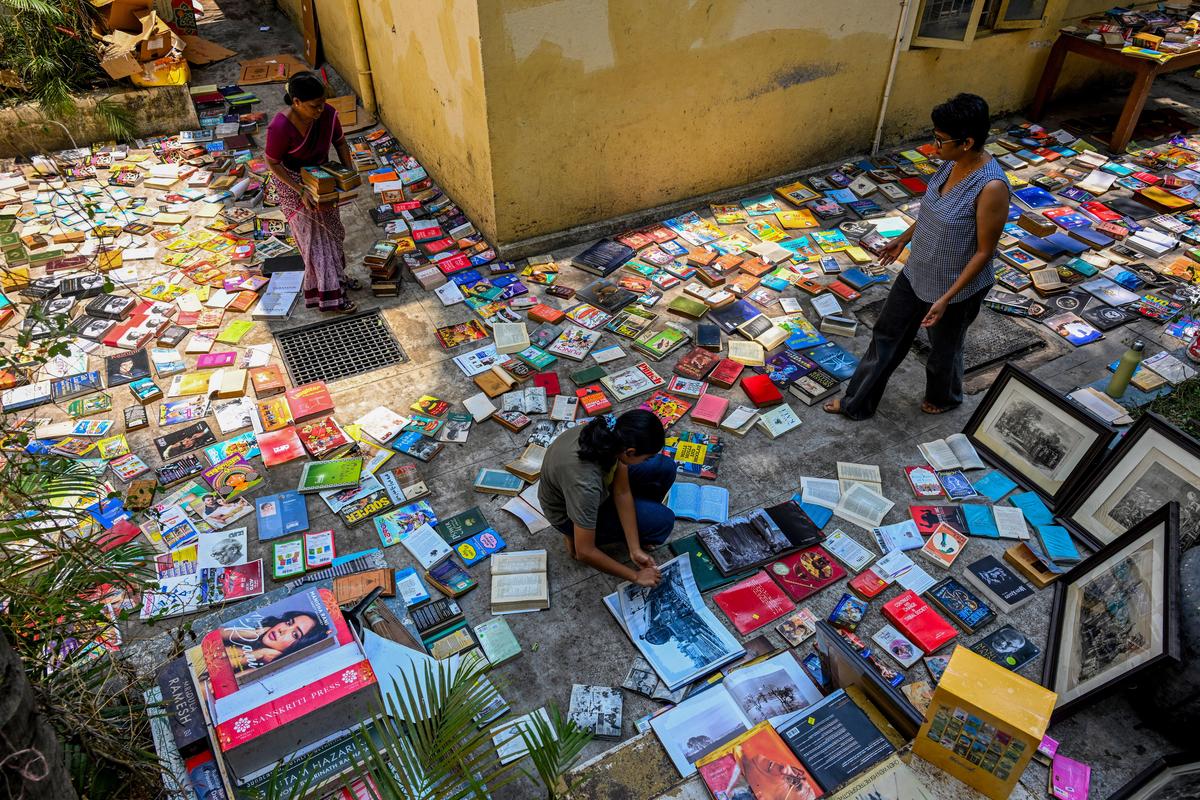
Books put out to dry after rainwater flooded Bookworm
| Photo Credit:
Allen Egenuse J.
The uplifting moment, however, sits uncomfortably beside another story — that of Fort Kochi’s Printed Matter. Just 10 days after I spoke to founder Gouri Ramkumar, I came across an announcement on their Instagram page. The bookstore, it said, would be closing its physical store on May 10. “The seasonal nature of Fort Kochi [where the tourist season dropped away once summer set in] and the economics of independent bookselling make it hard to keep a physical storefront going,” the post read. This revealed a sobering truth: that a store can become part of the cultural life of a city and still find its physical existence untenable.

Printed Matter
West vs. India
Meanwhile, in the U.S. and the U.K., the bookstore story is being framed as a comeback — fuelled in part by social media and younger readers, but also by stronger retail infrastructure and large chains reinventing themselves. Barnes & Noble, the leading retail bookstore chain in the U.S., recently stated on its website that it opened more new bookstores in 2025 than in the whole decade from 2009 to 2019, and that it would open over 60 new ones this year.
So, how is the story different in India, which has seen many launches recently: from Fictionary in Mumbai to Luna in Hyderabad, Beku and Turning Pages in Bengaluru, Mehrab in Kochi, The Raven Academy in Chennai, and Ukiyo in Imphal? Bookstore chain Sapna says it runs more than 24 large-format shops across the country. Crossword announced it would expand from 120 stores (across 40 cities) to over 150 by the end of 2025, and increase their revenue from ₹275 crore to ₹400 crore in 2026.
Legacy owners in the country are circumspect in calling it a comeback. Leonard Fernandes, who runs Dogears in Goa, for instance, admits that his store, founded in 2016 and known for its curated selection of books on local history, culture and fiction, is only now breaking even. They are waiting to see if the trend proves to be sustainable.

“Literary festivals help awareness go up. And while there is some enthusiasm after the event [it isn’t sustained]. Perhaps it’s happening online, but not on-ground. To make real change happen, it would be great to see literary festivals collaborate with local, independent bookstores for smaller year-long events. It’s consistency that will bring long-lasting change”Mohit BatraRajat Book House
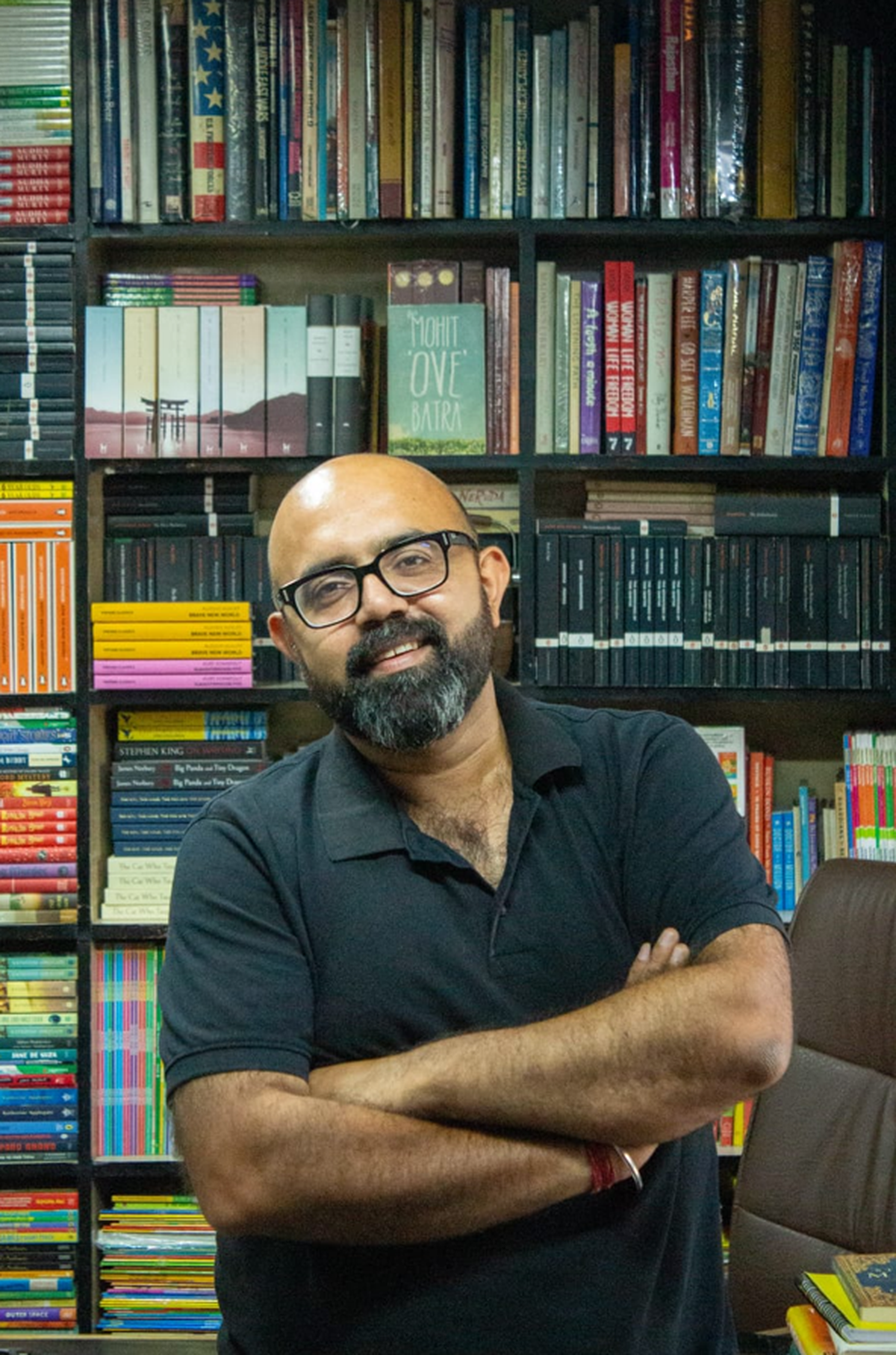
Mohit Batra
New and improved formats
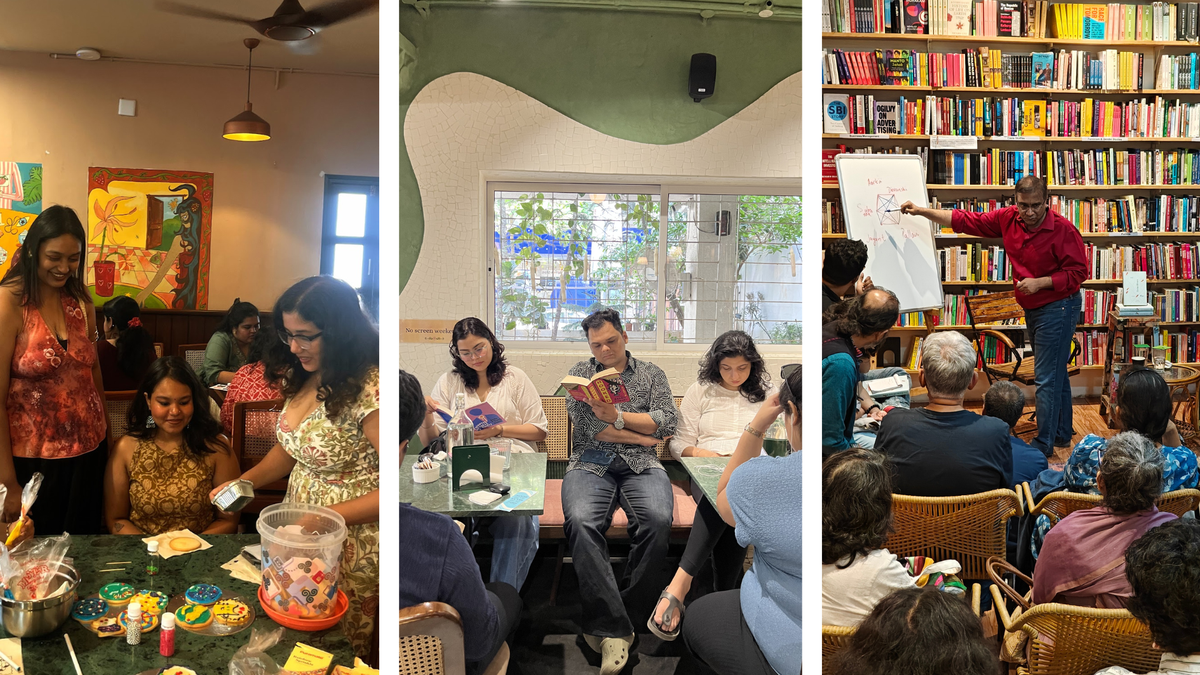
In India, the new bookstore is smaller, more curated, more local, and increasingly assisted by cafés, events, or other sources of support. Offering tactile shopping experiences that are missing online, these stores often focus on speciality formats. Take Fictionary, the fiction-only bookstore in Bandra West, Mumbai.“I’m seeing a lot of independent bookstores coming up in India now. It’s not by default an easy business [especially at a time when Kindle readership is increasing],” says Anup Jain, who started Fictionary a little over 18 months ago. “At the same time, post COVID, Crossword turned profitable and is now expanding like crazy. Bahrisons [a family-run business in Delhi] is branching out into every other city, and I heard that Relay could be expanding outside of airport spaces, into retail outlets,” he adds.
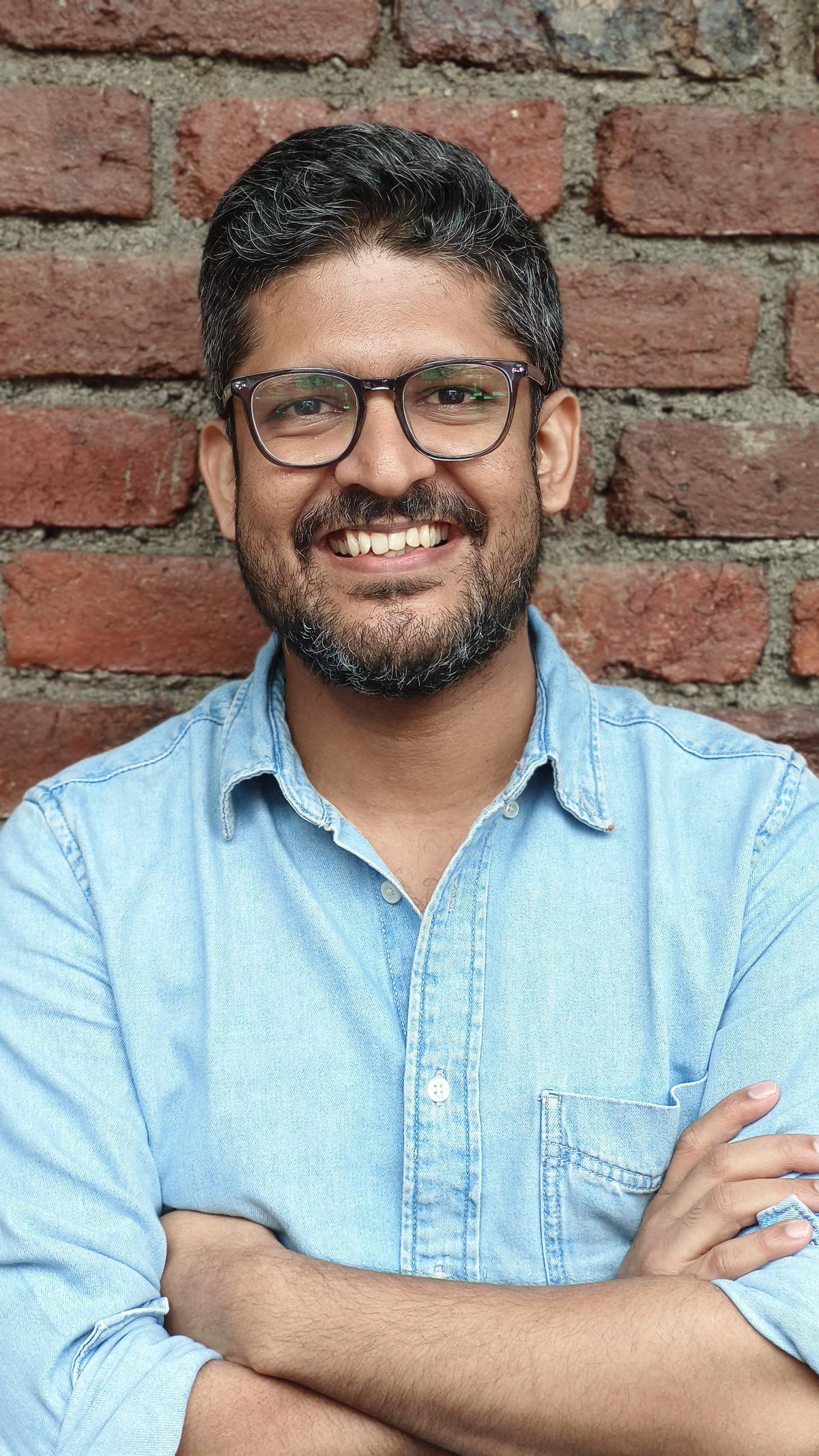
Anup Jain of Fictionary
According to data analytics platform Grand View Horizon, India is the fastest growing regional market in Asia Pacific. Its books market generated revenue of approximately $10.4 million in 2025, and is expected to reach $17 million by 2033, growing at a CAGR (Compound Annual Growth Rate) of 6.3%.
Passion projects
Interestingly, many independent bookstores are also founded by people who are not traditional booksellers. Vineetha Vijaykumar left 17 years in software to open Turning Pages in north Bengaluru two months ago. Jain of Fictionary came to bookselling after more than a decade in e-commerce. Ramkumar of Printed Matter left a career in climate and sustainability. Almost none of them describe the decision as a straightforward business move.
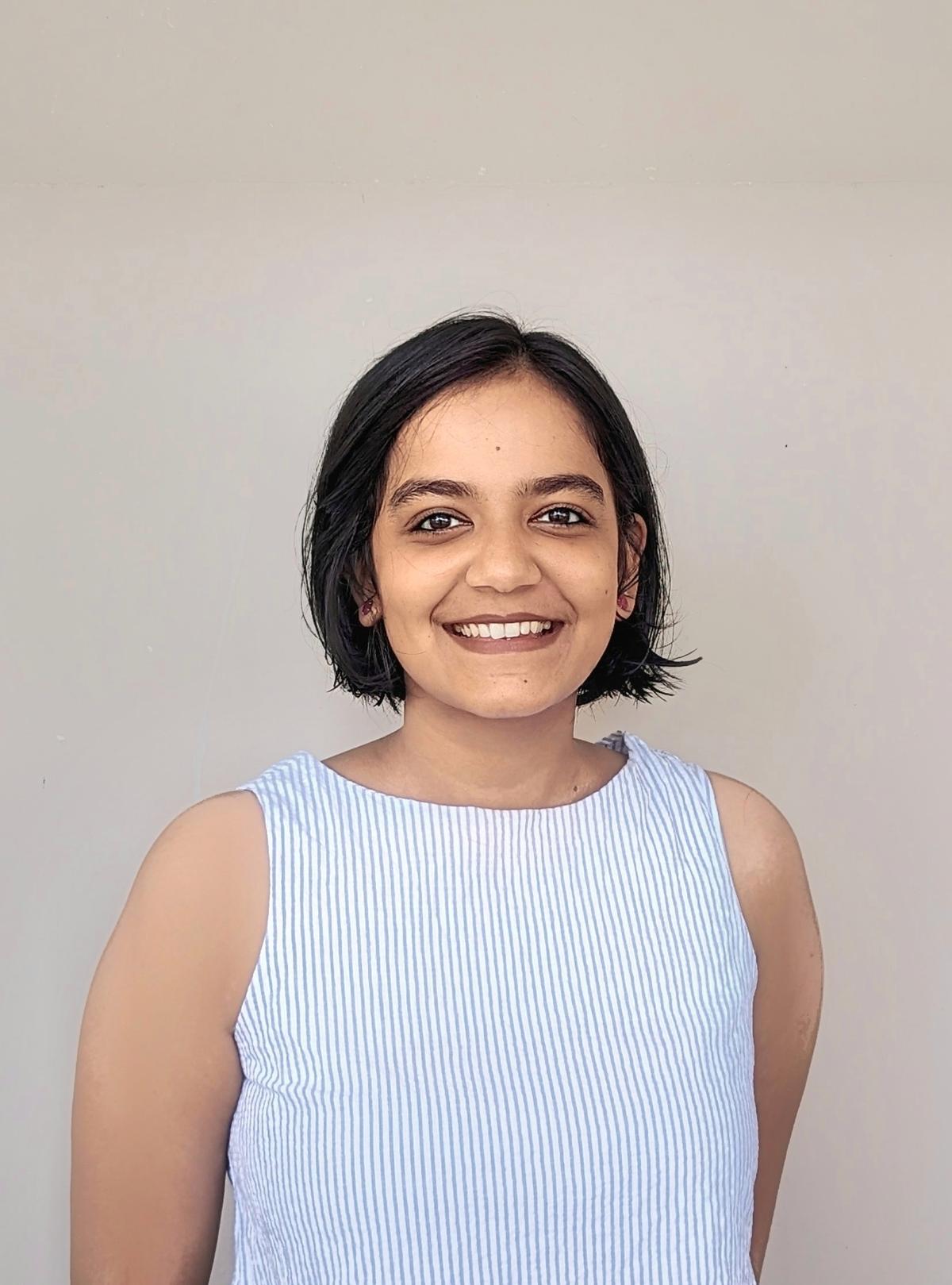
Gouri Ramkumar of Printed Matter
“Nobody is opening a bookstore for profit. They’re mostly passion projects,” says Rahul Dixit, senior vice-president of sales at HarperCollins India. “Most also have strong support from coffee shops [and the like]”. Which is not a bad thing. Landmark and Crossword had already taught Indian readers to linger in bookshops, and café-bookstore combinations are not new either.
What feels newer is the degree to which the hybrid model is no longer an add-on, but a condition of survival. The store now has to be a destination, an aesthetic, a neighbourhood experience and often a social-media object before it can hope to be a viable bookselling business. “The bookstore right now [in India] is not just about selling books. I can’t compete with Amazon on price. If I optimised purely for retail, nobody would come,” says Jain. Instead, bookstores “are moving in the direction of becoming a luxury niche experience”.
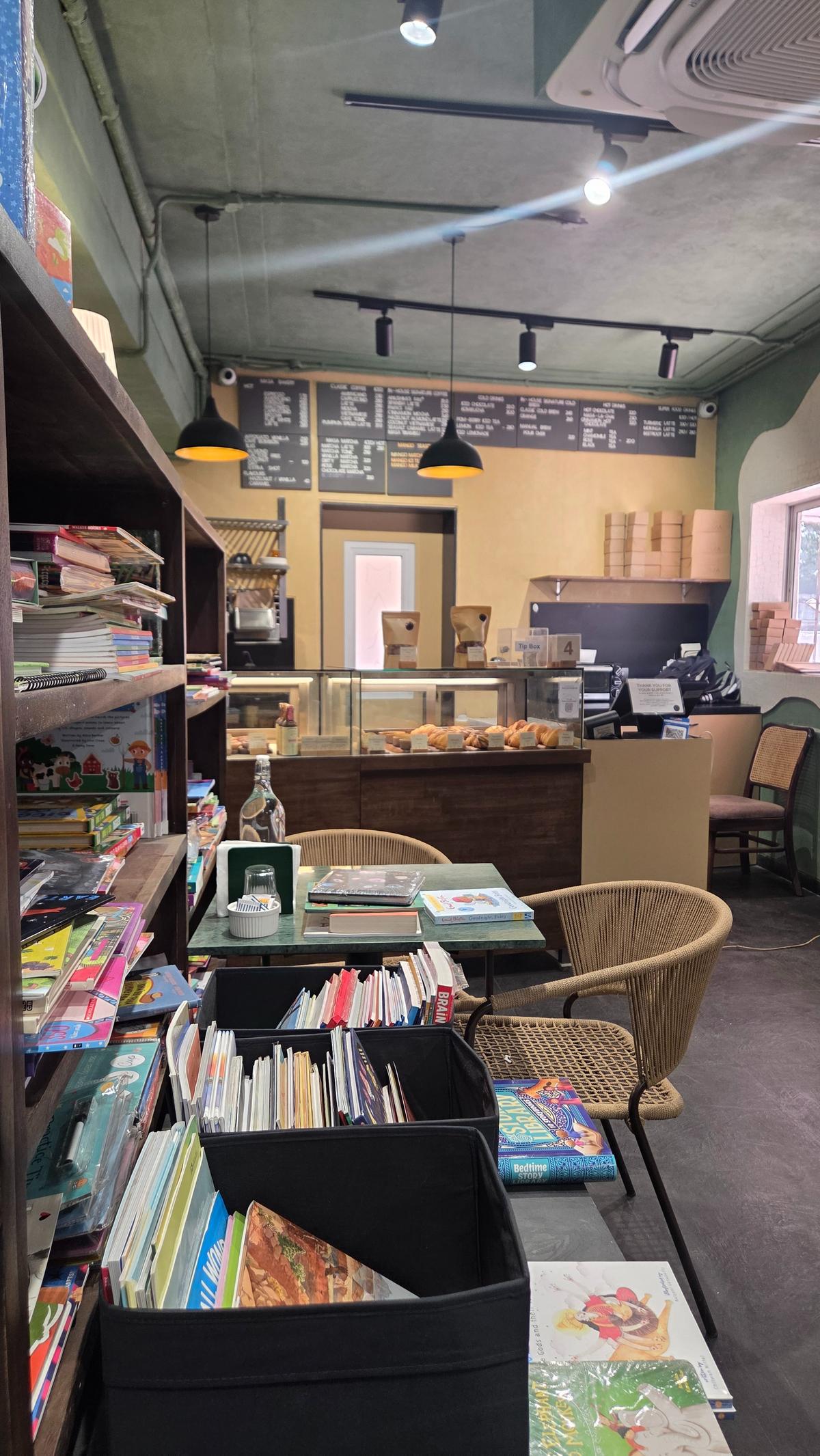
Fictionary has a three-revenue-stream business
Fictionary has a three-revenue-stream business: books, café and events. And footfalls have gone up by 50% since he started. “My first year, we barely broke even, though we were trending towards profit. This year, I’m hoping we will be decently profitable.”
The cost equation
In a metro, the infrastructure would cost anywhere between ₹30 and ₹40 lakh. And for a premium bookstore, it would go up to ₹60 lakh. “Then you have to buy inventory. And though you can do it in phases, what you stock at any point comes to around ₹40-₹50 lakh,” explains Jain of Fictionary. When he started his Bandra bookstore, he spent over ₹1 crore.
‘Readers are price conscious’
Amazon’s deep discounting has quietly reset what many Indian readers think a book should cost. Neha Pipraiya, who has run Pagdandi bookstore in Pune for 13 years with her husband Vishal, says, “Every day, we have customers showing us online prices.”
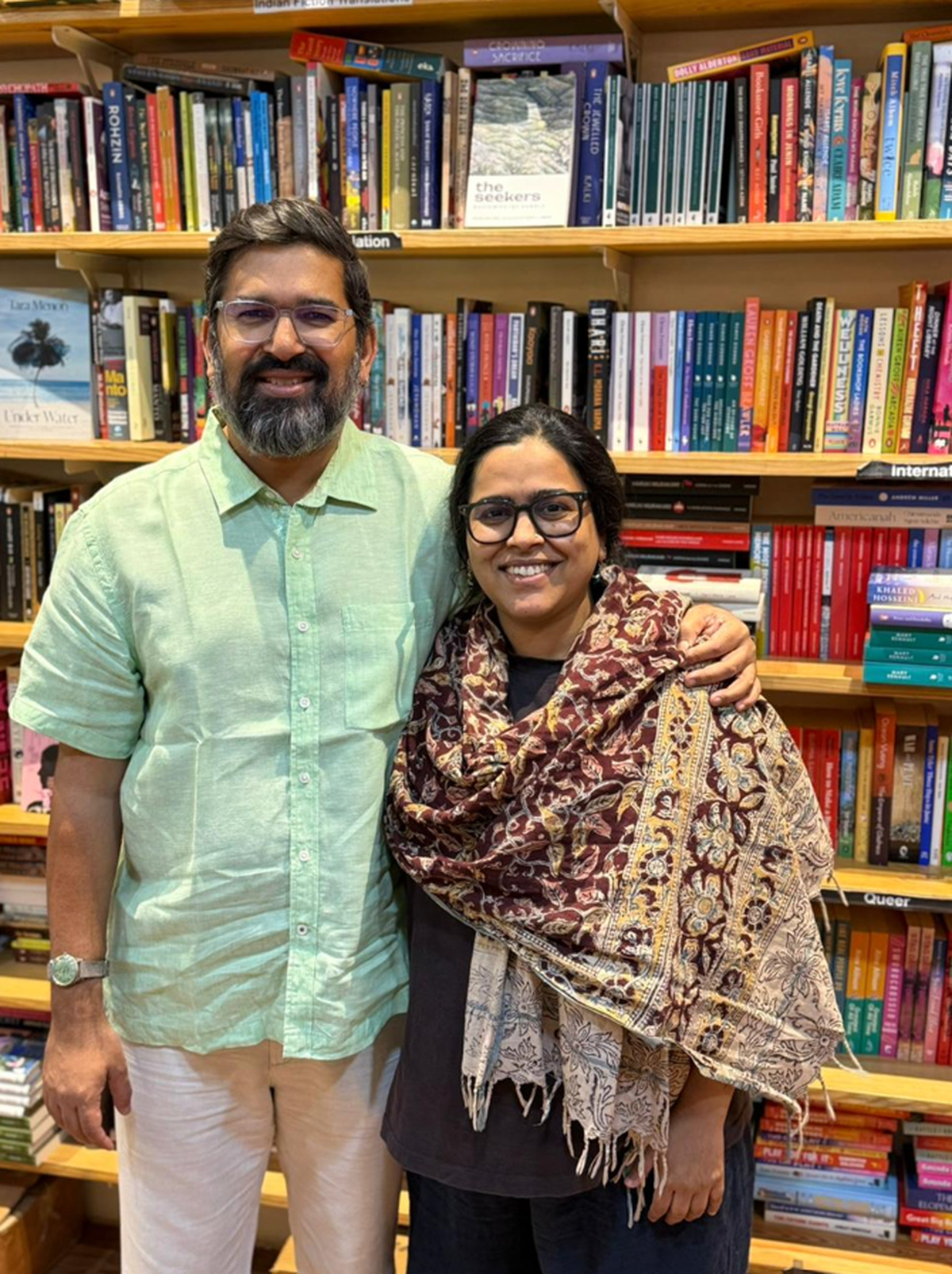
Vishal and Neha Pipraiya
New bookstores may be photogenic and culturally alive, but online discounts remain the benchmark against which their shelves are judged. As Harshita Varma, a reader from Jaipur, puts it: “Light readers are very price conscious. They’re more likely to go to a discounted chain or pick up a pre-loved book or order it online.”
So publishing pressures remain? Ashwita Jayakumar, co-founder of Indian Summer Press, shares that the standard trade discount built into nearly all publishing contracts makes it difficult for independent presses like hers to find a level playing field. Publishers supply copies to distributors at a standard discount of 52% — meaning more than half the cover price can disappear before the book even reaches a shelf. That, in turn, affects bookstores: the smaller the margin left in the chain, the less room there is for booksellers to absorb costs, offer discounts, or take risks on slower-moving titles. From what remains, bookstores may still have to offer customers a discount of their own.
Hidden distribution hurdles
Distribution remains a big fault line in India, and it runs unevenly across geography. In Fort Kochi, Ramkumar says she used to struggle with “getting the books I wanted from the distributor”. Her solution: “I would send a list of 50, so I could get 13 or 15.” In Bengaluru, Aashti Mudnani of Lightroom explains the structural difference plainly. “Our access to books is not like being in Delhi. The problem is that warehousing is limited in the city, and so the books are coming from Delhi or abroad, as the case may be.” Recently, she had ordered 150 copies each of 15 titles. About 30 days into it, Lightroom was informed that some of the books “still haven’t come” and the distributors weren’t sure if they would be available.
Even from the publishing side, the bias is acknowledged. Dixit says that servicing independent bookstores is easier in cities such as Bengaluru, Chennai, Hyderabad, Mumbai and Kolkata than in farther-flung places, and that the concentration of new stores in certain metros is not accidental. A lot depends, he says, on service levels. For younger, smaller indies, it is not easy.
Offline stores support new authors
But there is good news. Sayantan Ghosh, publishing director at Simon & Schuster India, says that despite the 60/40 ratio between online and offline sales, publishers are relying far more on bookstores today than before. That support, he says, can be regional and specific. “A certain title that may have an appeal in the South [for instance] will get a lot of support from the local bookstores,” he explains.

Sayantan Ghosh, publishing director at Simon & Schuster India
Online, the chance of discovering a new title is “almost zero”. For publishers without infinite marketing budgets, and for books by newer writers without blockbuster visibility, the hand-selling and physical display offered by bookstores remain commercially consequential in a way the algorithm often is not. “The independent, passion-driven stores get good support from publishers because they help new authors, new voices and new ideas. It works for both sides,” adds Dixit of HarperCollins.
“The independent, passion-driven stores get good support from publishers because they help new authors, new voices and new ideas.”Rahul DixitSenior VP of sales, HarperCollins
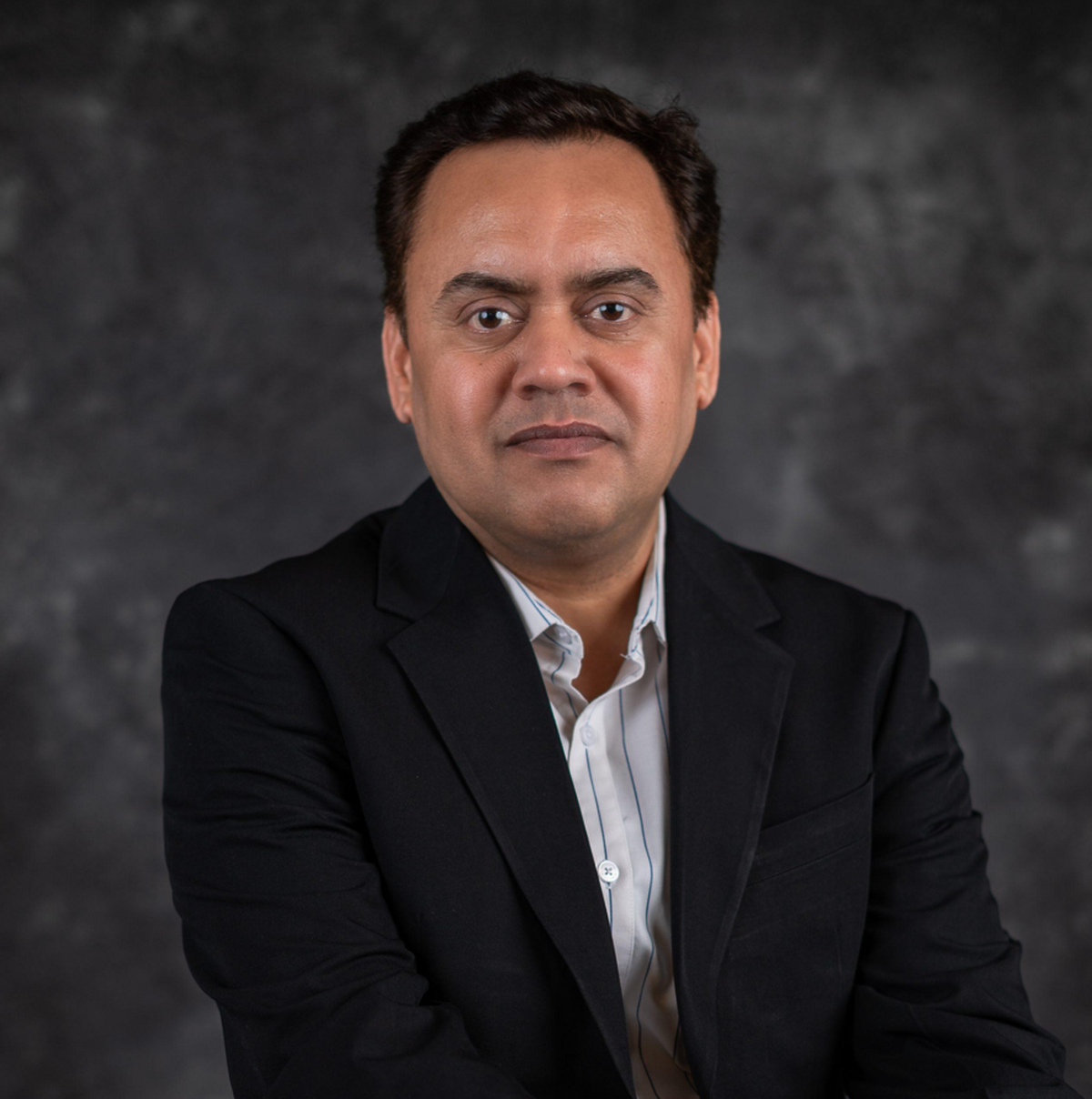
Rahul Dixit
“For a book like mine, it’s very important to reach the right publishers and readers, because of its subject. I chose to have my launch at The Bookshop Inc. to expand my network of sociability; independent bookstores create their own audience. Bookstores can become safe spaces for not just readers, but also authors.”Aakriti MandhwaniAuthor of ‘Everyday Reading’
The mall advantage
Of course, the ability to survive long enough to do that — help new authors and new books — depends on a very particular economics of space. Ramkumar of Printed Matter is succinct: “Owning the space changes everything.” Many legacy stores endure because they own their premises. In a metro such as Bengaluru, commercial rents for a mid-sized bookstore can range from about ₹1.5 lakh a month in less popular areas to as much as ₹5 lakh in high-footfall neighbourhoods. Security deposits can run to three to six months’ rent.
Malls, surprisingly, offer some relief. “They are expensive properties, but they give very friendly terms to the bookstores,” says Dixit. “Because having a bookstore adds a lot of value to the platter of retail that [a mall] can offer.” A chain such as Crossword would get into a mall “at a much lower rate” than another retailer. But this advantage is mostly for large chains because for them “to set up a new store, the cost is very low”, he explains. “Fixtures out of one store can be used somewhere else. And stock is already available.” For an independent, setting up a shop on the same terms would be more difficult.
Atlantic Books coming to India
Atlantic’s new venture, which promises to be India’s largest B2B wholesale book portal, is designed for booksellers, library suppliers and retailers. They can can order from a list of 14 million+ books from 20,000+ global publishers across 1,000+ genres. This, in theory, sounds like it might address distribution bottlenecks. “The problem that needs to be tackled is that of stock and inventory,” says Leonard Fernandes of Dogears. “For example, when Peggy Mohan’s new book [Father Tongue, Motherland: The Birth of Languages in South Asia] released, booksellers wanted to stock her earlier work, Wanderers, Kings, Merchants: The Story of India through Its Languages too, but they couldn’t find copies. Fernandes has registered on Atlantic’s platform, but hasn’t heard back yet. He’s hopeful though, considering the emails with curated booklists he’s been receiving. “They seem to be taking curation much more seriously,” he says.
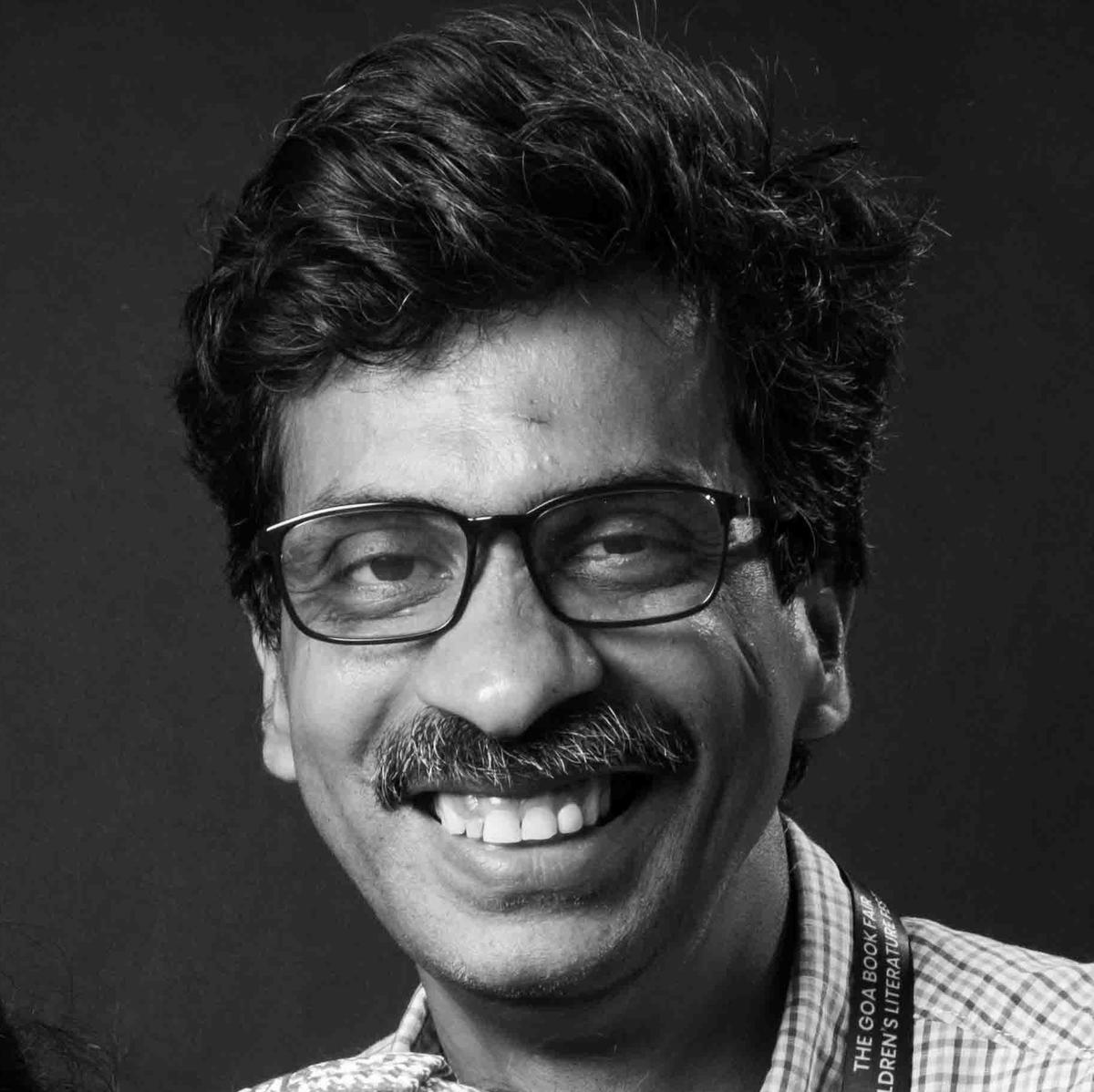
Leonard Fernandes of Dogears
Younger buyers who want to linger
Today, the profile of the bookstore visitor has shifted. “For the first time, we’re finding that people are actually coming in and not just buying and leaving immediately,” says Aashti Mudnani of Lightroom, a specialised children’s bookstore in Bengaluru. “They are now coming because they have ‘read about us or seen us on Instagram’, and stay for hours.”
Encouragingly, the age profile of the visitor has changed too, especially with books gaining a ‘cool’ status driven by social media influencers. In Gangtok, Raman Shrestha of Rachna Books says 70% to 80% of his visitors are under 30. “They may not have [huge] spending power, but they are the ones who most frequently visit the bookstore and buy.” Anuj Bahri of Bahrisons, too, says that the people walking into his stores today — where literary fiction and narrative non-fiction do well — are largely between 18 and 35.

Raman Shrestha of Rachna Books
As Jain of Fictionary puts it, “Previously, there was no channel where books were being marketed. Now, there are bookstagrammers, and so people are more aware of books. [Romantasy, in particular, was doing very well last year.] It’s part of their profile now. Some also want to show off that they’re reading, and are buying books as a decor item — to have a good-looking bookshelf at home.”
This makes the moment encouraging but difficult to read. There is evidence of real consumer growth in books in India. In its annual international market report released last year, NielsenIQ BookData and GfK Entertainment state that India is the strongest-growing market among the 18 territories analysed (such as the U.K., France, Australia, and Brazil), with revenue growth of 27%.
Market for special editions?
“In India, special editions have a small market as opposed to internationally. We’re price conscious, but I think we’re getting there — perhaps in the next five years. Overall, luxury spending is increasing in the country,” says Jain of Fictionary.
Sings are already there, if you look for them. For instance, Bahrisons recently launched a Luxury Collection store in Khan Market. “Beautifully produced coffee table books deserve the room to breathe. Readers should be able to take their time browsing them; these aren’t books you will buy on the fly,” says Aashna Malhotra, third generation member of the founding family and bookseller-in-training. “If you are going to spend ₹10,000 on a book, you [should be able to] go through them. We wanted to create a space for that. Also, most places stock only the well-known ones. We wanted a store where you can discover the lesser-known but equally wonderful books. We also have rare editions, first editions, and special editions.”
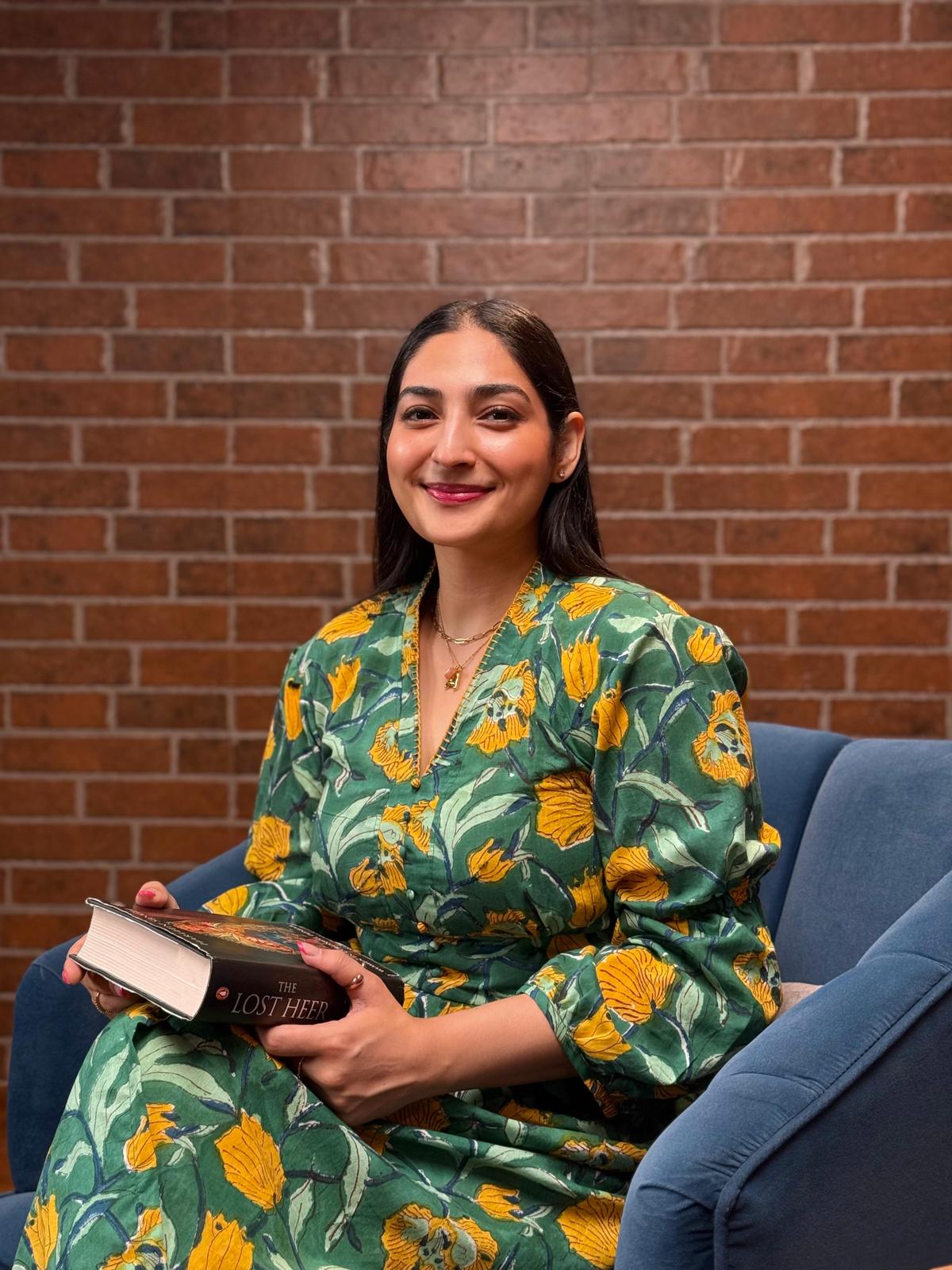
Aashna Malhotra
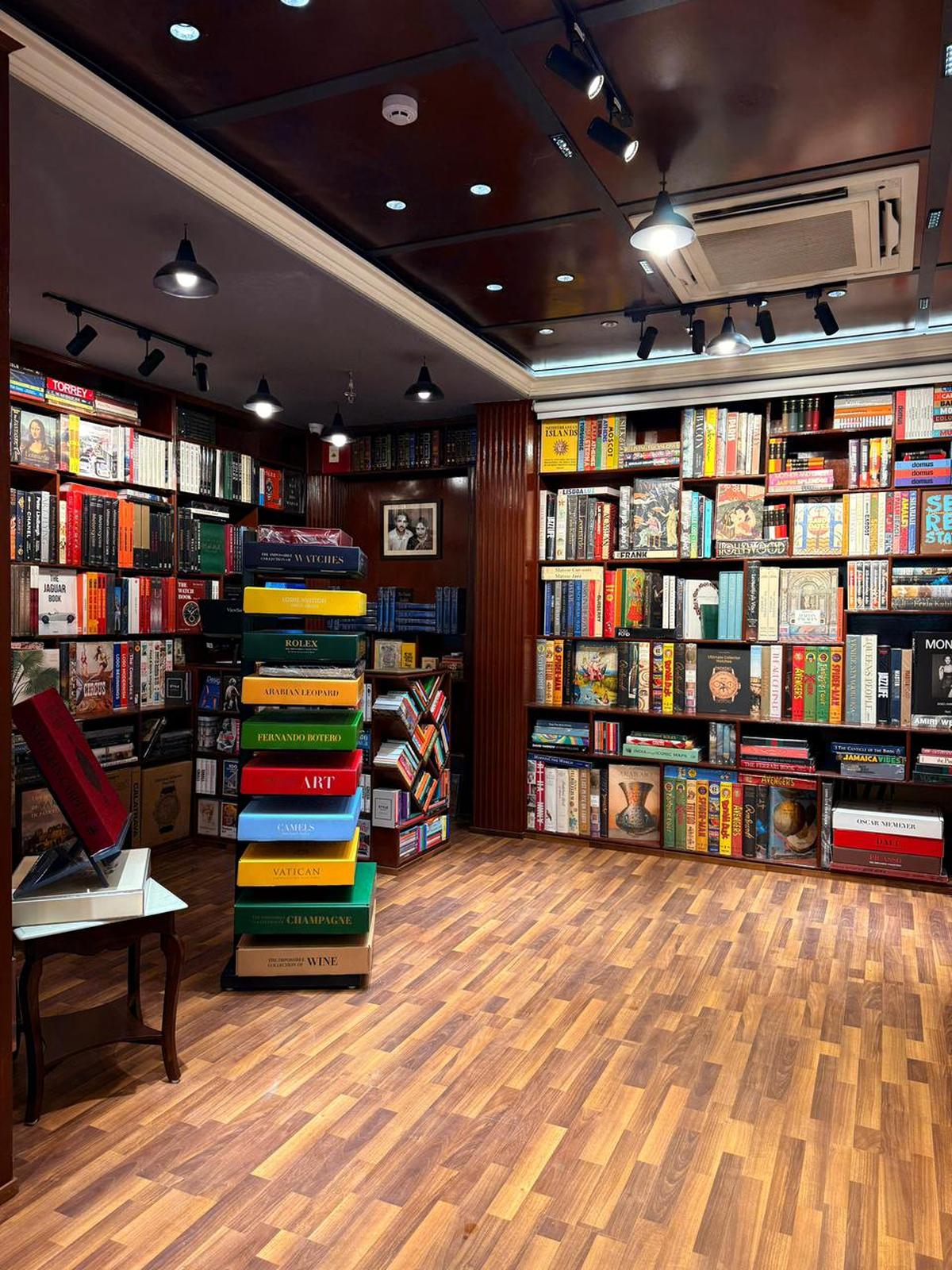
Bahri Luxury Collection
Roli Books is also “As publishers, distributors and retailers, we’ve always believed in the importance of having a space where books that are beautifully produced can be displayed, where readers can come and have a tactile experience with them. It’s with this vision that we started CMYK,” says Kunal Kapoor, managing director, Roli. “And now, we are opening our new store in Meherchand Market in Delhi, with three floors of beautifully produced art, coffee table books, as well as special editions, rare books and luxury editions. This is not just about books; people are looking for experiences. And the idea of beautifully produced, limited edition objects — whether it’s perfumes, clothes, jewellery — is being appreciated more.”

CMYK stall at India Art Fair
| Photo Credit:
Vandan Rohit
But, as Dixit says, “Online remains the majority”, and out of every 100 books sold, 60 to 70 are sold online. The full picture, he adds, is missing when platforms such as Blinkit, which have pulled books into the quick-commerce space, do not share data, and “a lot of online sales are happening through social media channels”.
It’s no wonder legacy booksellers are cautious about calling this a “bookstore comeback” when the picture is more complicated than rising footfalls or new openings. Bookstores in India are certainly undergoing a transformation, with new stores more deliberate about their audience, and more hybrid. Let’s just hope they are being rebuilt into something that might have a shot at surviving.
The writer is an editor and independent journalist based in Delhi.