



Bookstores as third spaces – The Hindu
Harshita Varma’s job means that while she lives out of a suitcase for most of the year, Jaipur is home, and there’s one bookstore in the city that’s become her go-to. “It is the only place where I’ve felt seen as a reader,” she says, about Rajat Book Corner, the independent store she’s been frequenting for two years now. The first time she visited, the owner Mohit Batra spent 45 minutes with her over tea, talking about books. The next time she walked in, he had five titles pulled out for her that he knew she’d like.
This is not a surprising anecdote about independent bookstores, but then Varma goes on to describe the book club Batra founded at the store, called Two Pages. The reading circle draws in a bookish crowd, many of them from the corporate world. “It brought together a community of readers in Jaipur. All quiet people, who think deeply, are introverts, and who won’t otherwise go out anywhere,” she says. “Interestingly, it has become a centre for therapy, too.” The club makes space for conversations around the difficult and the taboo — postpartum struggles, grief, relationship and career troubles — and these spill out into other rooms, with people finding friends they can depend on.
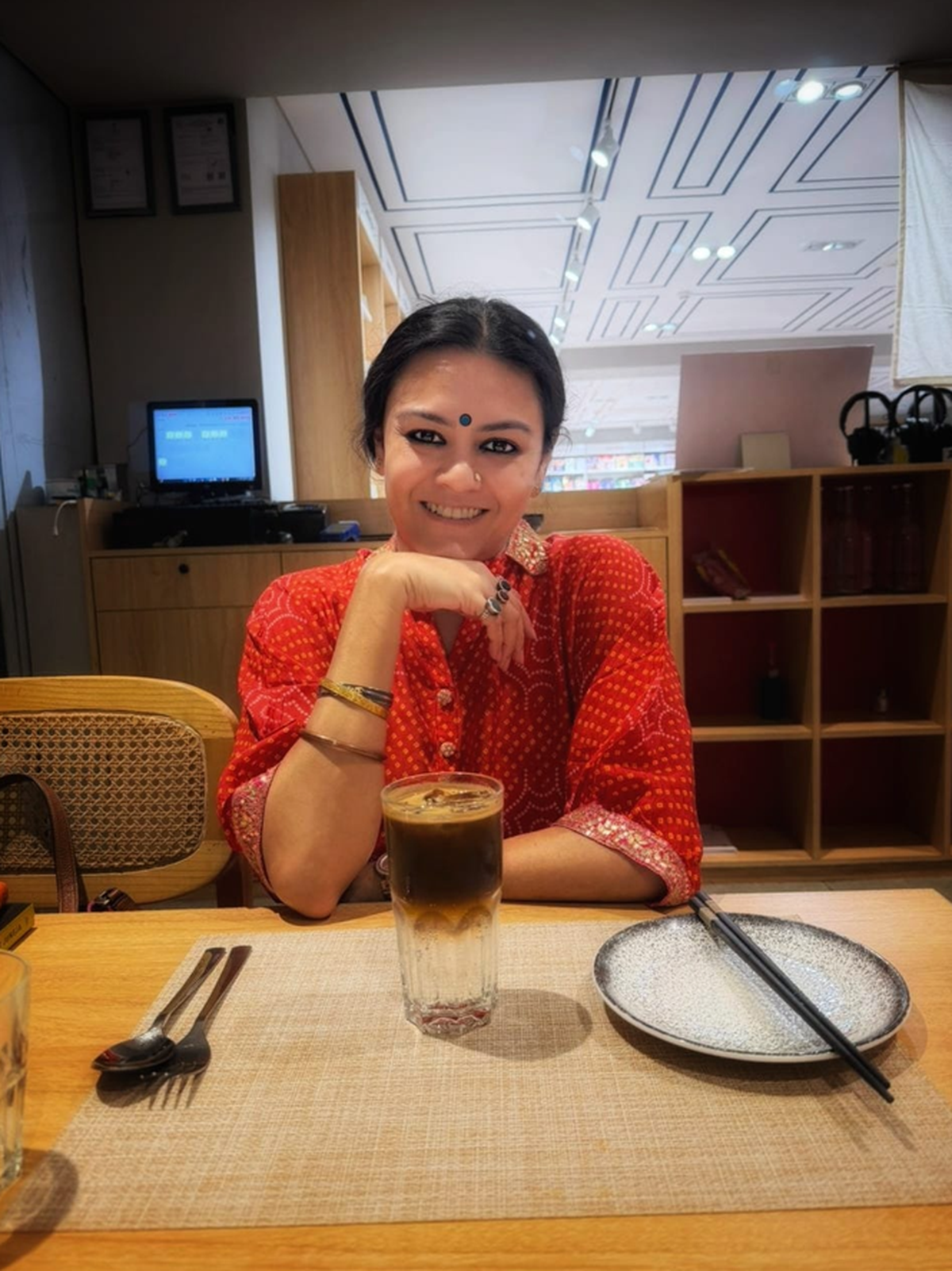
Harshita Varma is a member of Rajat Book Corner’ book club, Two Pages
That bookstores have now become points of community, engagement and collaboration is borne out by another recent conversation. While chatting with Sonal Narain of The Bookshop Inc. in Delhi, I find out that on Independent Bookstore Day (April 25) this year, the store saw more than 300 people walk in over the course of the day. An unprecedented turnout, made all the more surprising because of how brutally hot Delhi already is. The celebration, among other things, included authors such as Janice Pariat and Gautam Bhan playing booksellers for a day, and an invitation for visitors to contribute a favourite recipe to what the store describes as a “GIANT community cookbook”, hosted by Shruti Taneja of Nivaala. It is not difficult to see what people are showing up for: books, of course, but also the chance to feel part of something loosely, but genuinely, communal.

“People spend time here; it’s not a quick hunt. They come in, sit down, browse, sometimes for over an hour. There’s no pressure to buy, and I think that’s what keeps them here.”Shilpa SudhakarFounder of Luna, the three-year-old Hyderabad-based bookstore
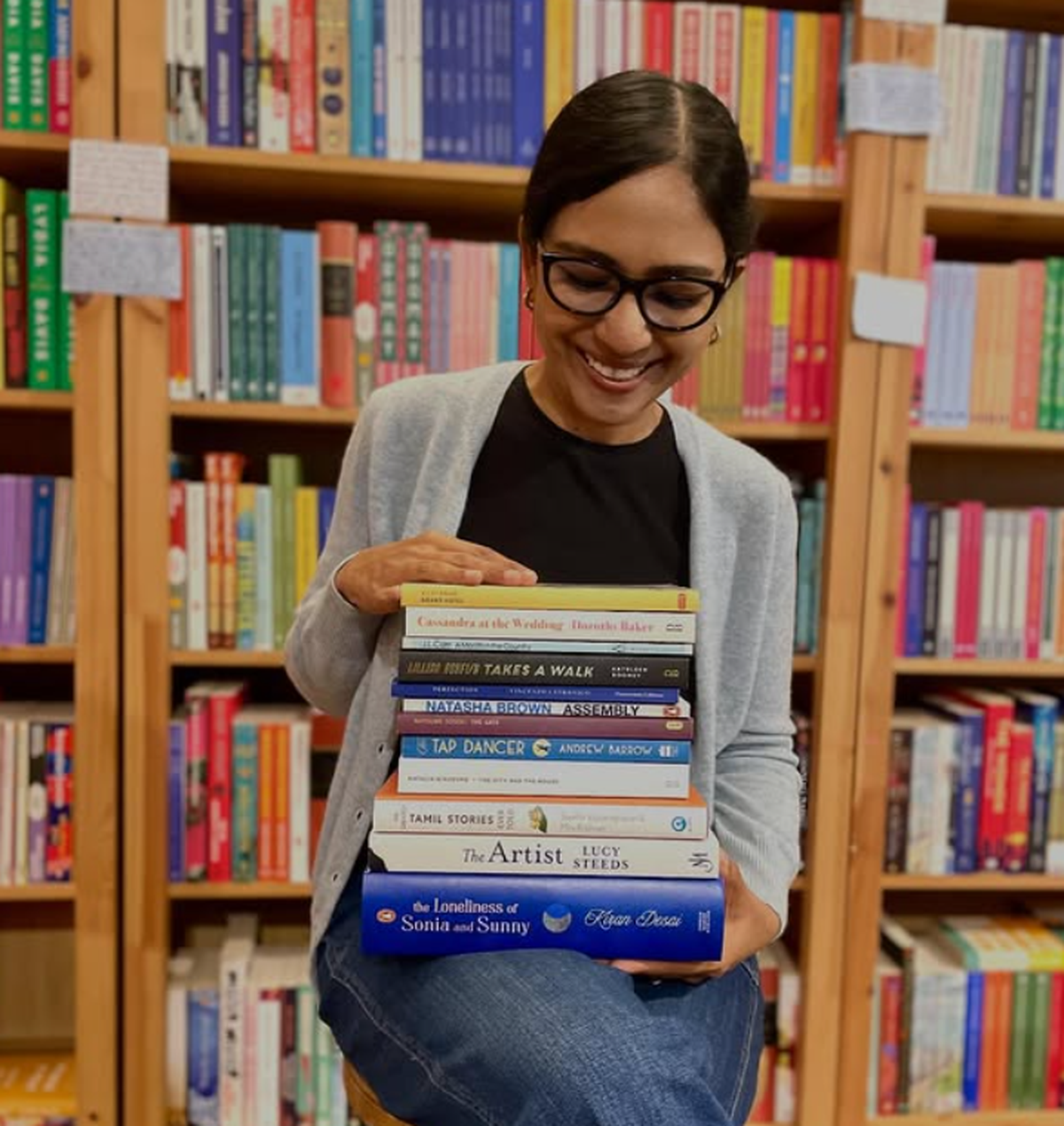
Shilpa Sudhakar
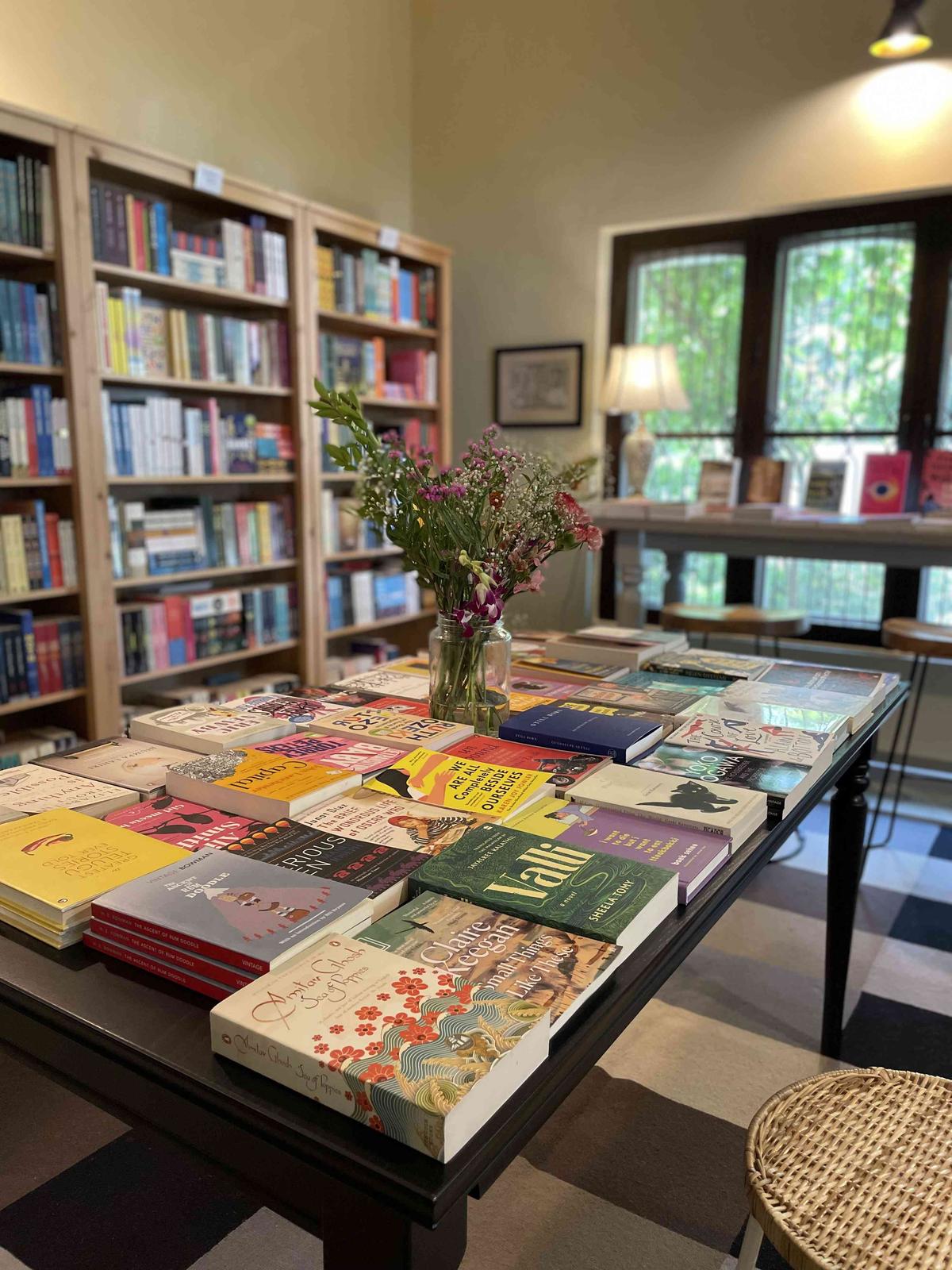
Luna in Hyderabad
A place to just be
The bookstore is increasingly turning into more than just a shop. As Prarthana Prasad, who opened Beku in Bengaluru last August, describes it, the bookshop is “a safe space to go to, to be around books, to spend time in”. This captures not just the emotional life of these spaces, but also the shift in how they are being used.
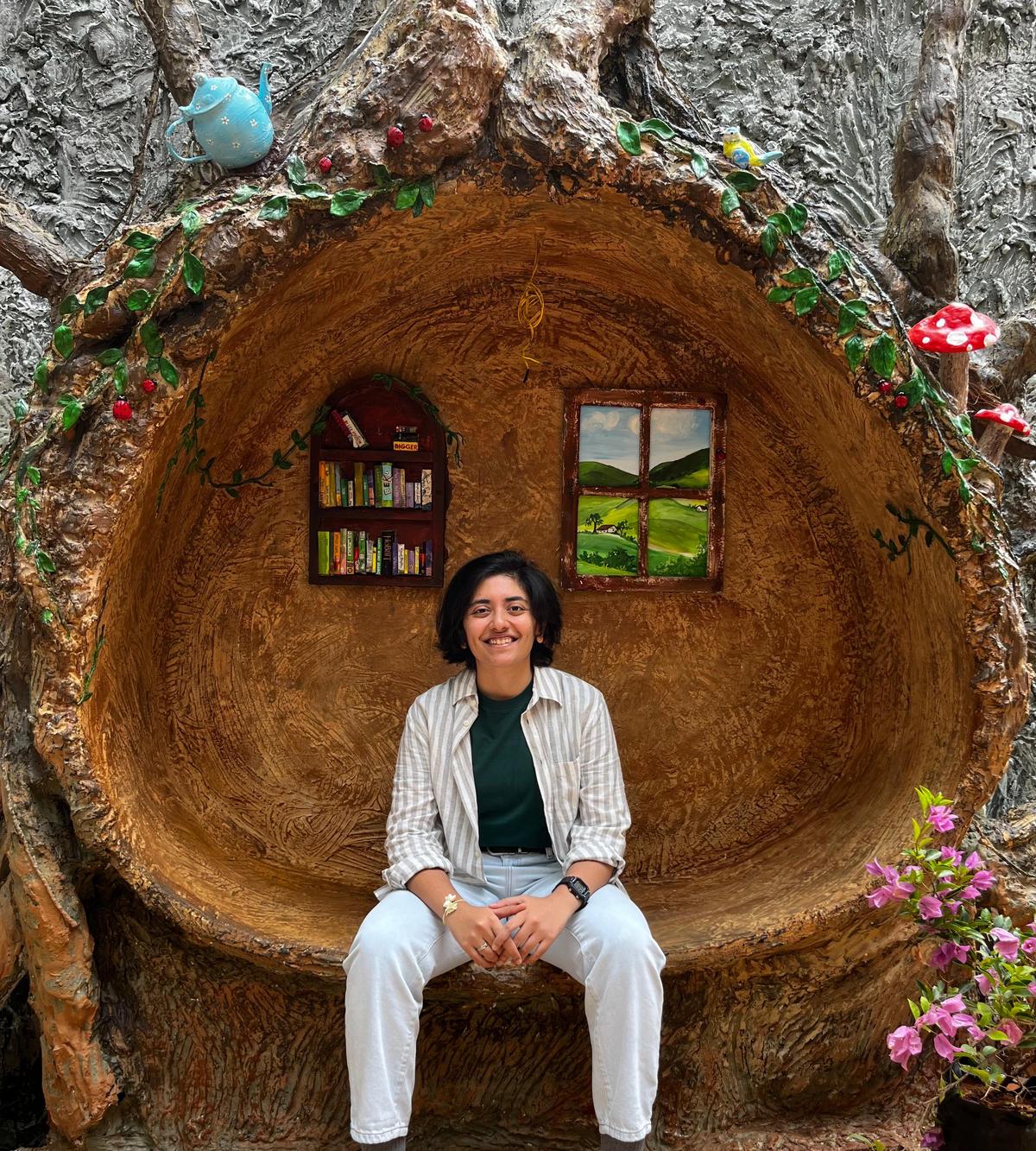
Prarthana Prasad of Beku
“Today, the problem isn’t that people aren’t reading, but that there is nowhere to go,” says Manasa Gummi of Off the Shelf, which opened in Hyderabad in 2024. The space, now, has to do more — offer not just shelves but atmosphere, not just stock but permission to just be.
For some founders, this is a relatively new and exciting concept. Martin Thokchom of Ukiyo Bookstore in Imphal says that before he opened in 2018, buying books in Manipur was often a functional, soul-less transaction: you wrote down the titles, handed over the list, and waited. There was no room to browse, discover, spend time, or engage.
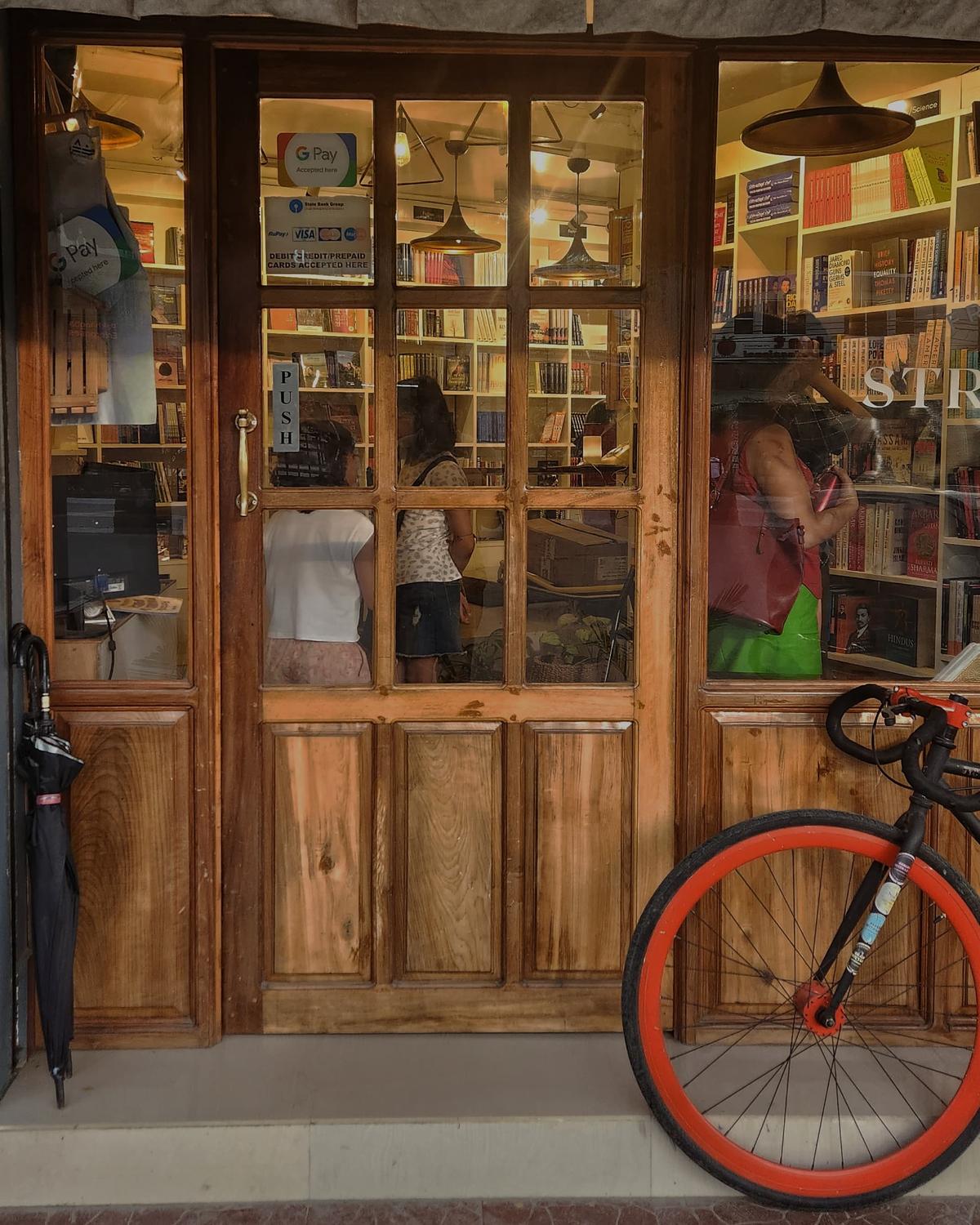
Ukiyo Bookstore in Imphal
So, Thokchom decided he wanted to build not just a retail space, but “a reading culture”. Within a year of opening, he launched the Ukiyo Literature Festival in Imphal. “After that, I began focusing on smaller but more consistent events,” he says. “After the 2023 conflict, I started the ‘Rebuilding through Words’ series, and for a few hours, people could come, sit, listen, without thinking about what was happening outside.” He says that over time, his role in building a reading culture has changed. “It is no longer just about getting people to read, but also about asking what reading does, and what comes after it. We need more forms of resistance. Storytelling, for me, is one of them.”
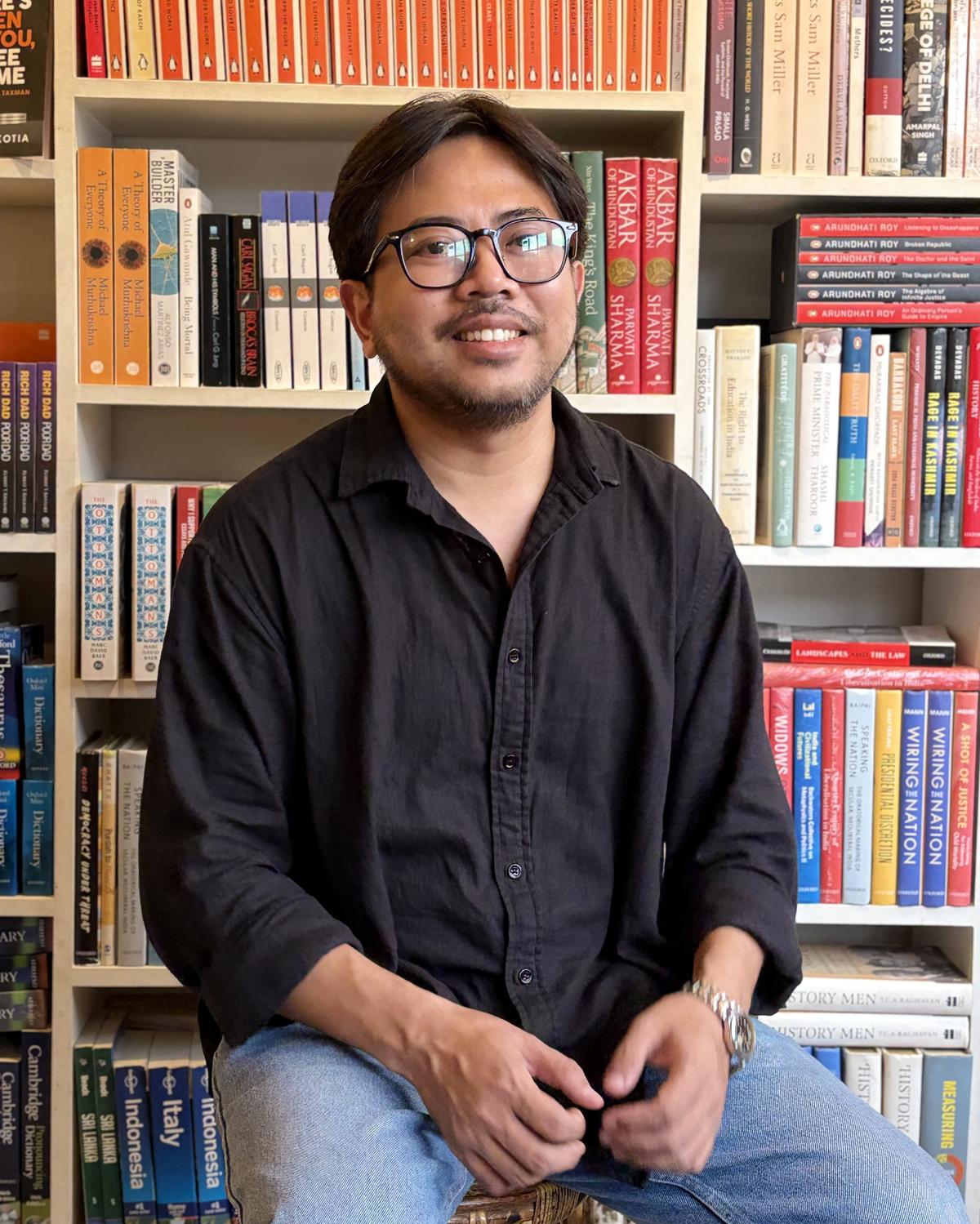
Martin Thokchom of Ukiyo Bookstore
Bilal Javeed of Mehrab Book Shop in Kochi, where most of the stock is titles by independent publishers, speaks in similar terms about what he wants to build. “We aim to curate based on indie publishers, and we want to build a community around it,” he says. Every month, he organises events — from film screenings to readings. The point, he says, is to curate shelves around which communities, conversations and engagements can be built.
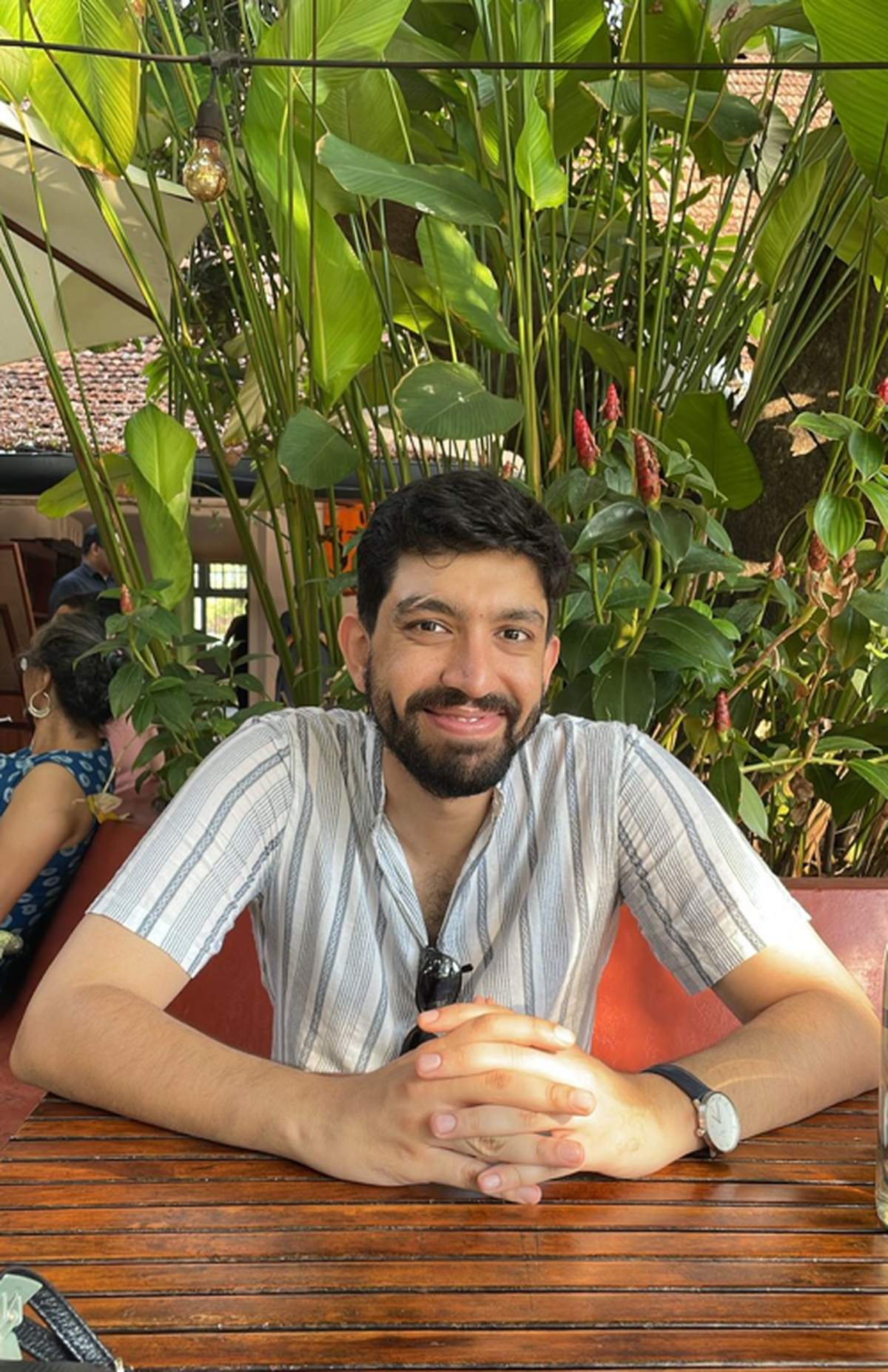
Bilal Javeed of Mehrab Book Shop
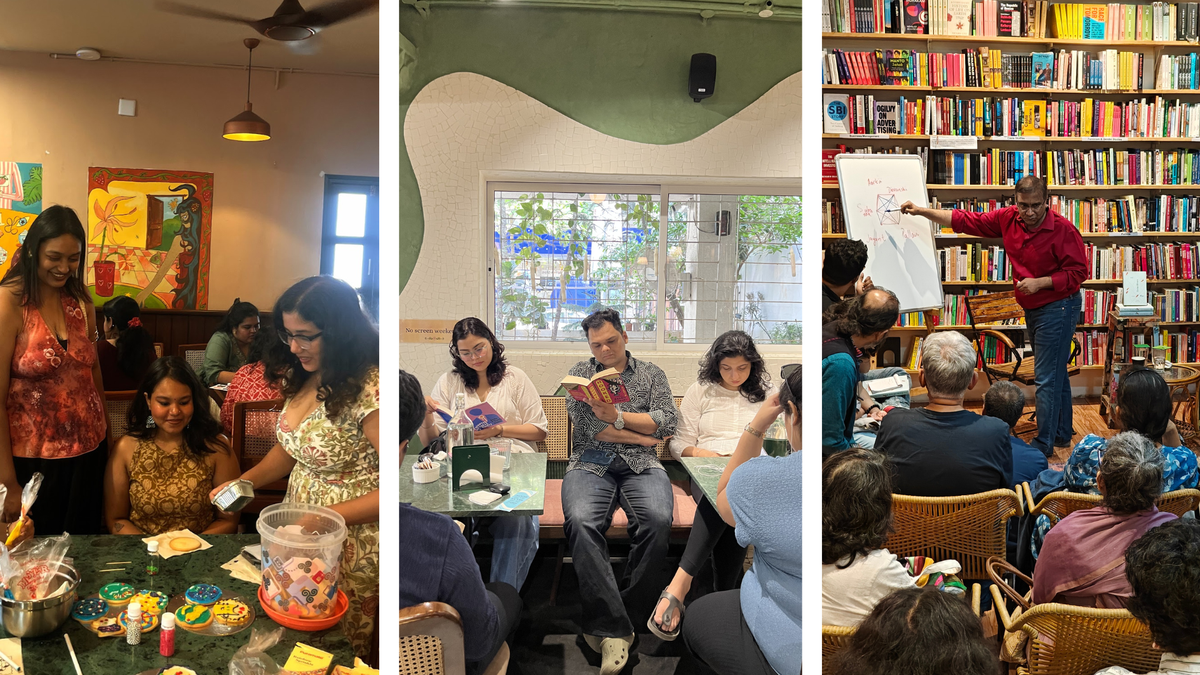
“I wanted to create a community-centric space because I didn’t have a lot of access to that growing up. Especially as a member of the LGBTQIA+ community, walking into spaces that felt friendly and welcoming was not something I was too familiar with,” shares Prasad of Beku. “So, as a very socially awkward person, I created Beku as a space that you can walk into by yourself, not feel weird, and find community.” Today, the bookstore not only hosts book clubs, readings and sit-downs with authors, but also activities such as pottery workshops, screen printing, bookbinding, and even flea markets and trivia nights. “Our events are not necessarily book-centric, and a lot of people have told me that they find a lot of warmth and genuine interest in our space. I’ll take their word for it,” she adds.
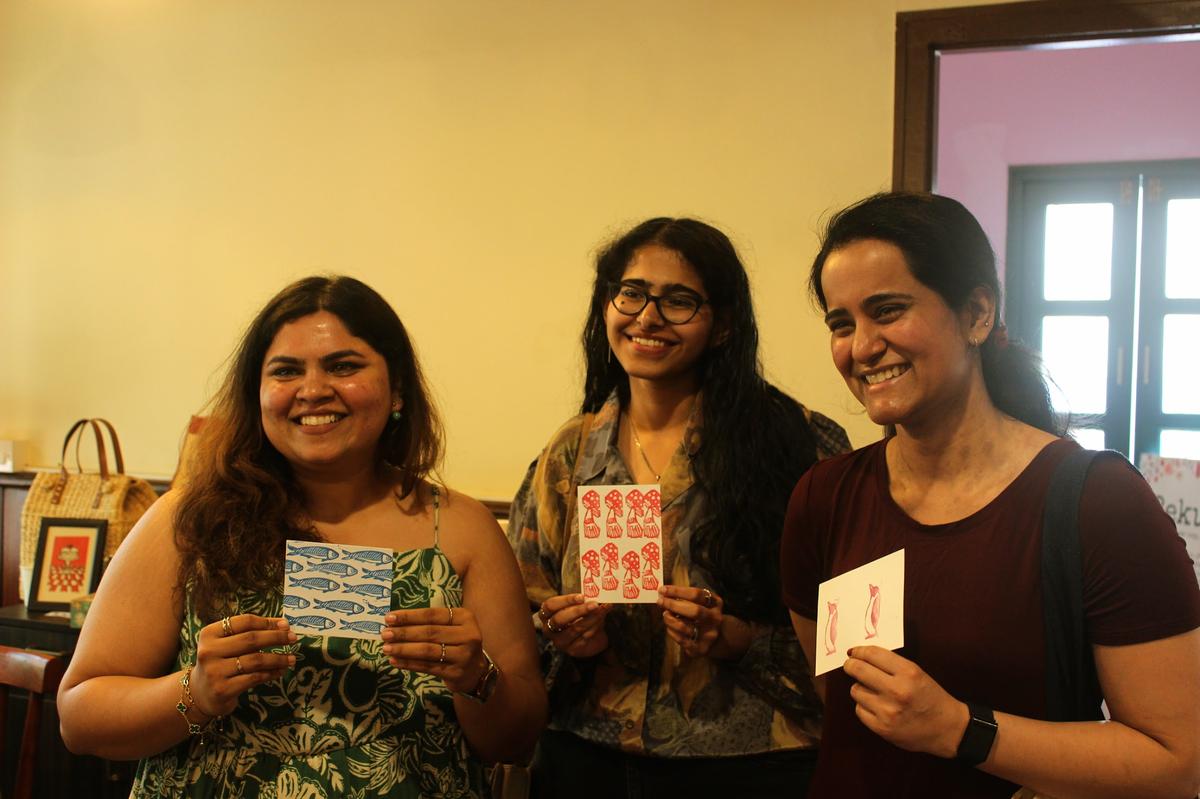
An event at Beku
Space for offline interactions
For many readers, such as Maryann Taylor in Gurugram, the draw of bookstores has everything to do with “the interaction that will never happen online”. For others, it’s an act of raging against the machine. Jaidev Deshpande is vocal about Amazon and today’s culture in which “one company controls all e-books and audiobooks” — the reason why he is a frequent visitor to bookstores in Delhi.
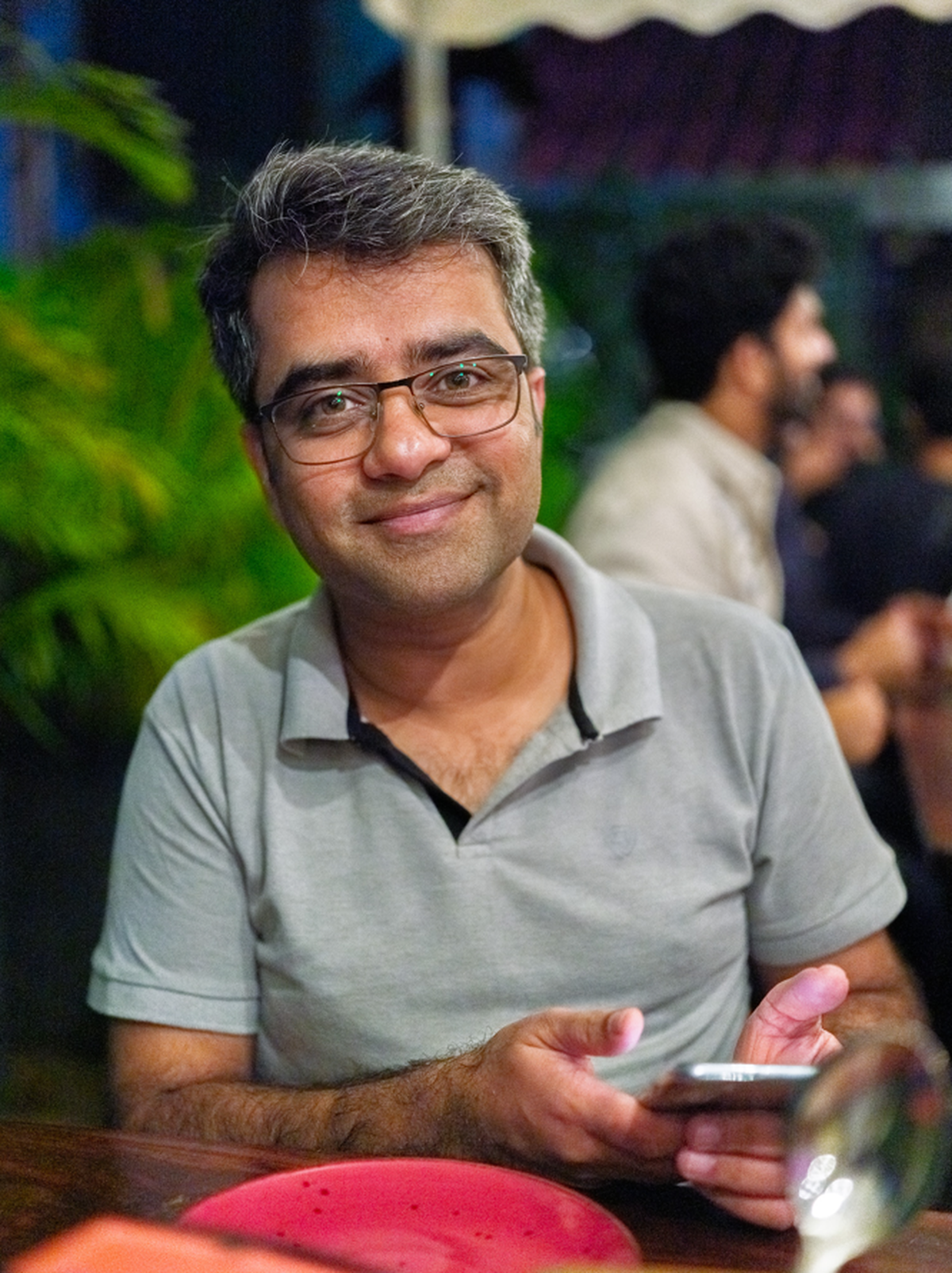
But he is also clear-eyed about what such resistance requires. “You need some money to be able to do that — to choose the slower, more expensive, more tactile route.” That is why this new hybrid style of bookstores is at once important and fragile. It is important because they clearly do work that extends beyond selling books: they create communities, host reading circles, hold events, and let people browse without hurry or purchase. It is fragile because the room they create is still privately financed.
Yet, despite everything, the model persists because at a time when so many cities seem to offer fewer and fewer places to simply be, the question of where a person might go to linger, discover, talk and think is an important one. The answer these booksellers give is that at least one of those rooms ought to be a bookstore.
The writer is an editor and independent journalist based in Delhi.