

Nature and poetry – The Hindu
There was a time not very long ago when becoming a poet required only three things: a functioning window, a tolerable climate, and an unreasonable attachment to metaphors involving dew. Nature poets, in particular, were abundant, like the wildflowers they insisted on describing in 12-line stanzas.
Back then, rain meant something beautiful. Clouds gathered like dramatic relatives at a wedding, the wind rehearsed its choreography through banyan trees, and poets rushed to their notebooks as though the monsoon had personally addressed them in a handwritten invitation. Rain was longing liquefied. A drizzle could sustain at least three ghazals and one existential crisis.
The sun had a respectable career. It basked, caressed and occasionally kissed the horizon goodnight. The moon was overworked. It reflected in rivers, lakes, puddles, and occasionally in the eyes of lovers who had clearly not met each other in daylight. Entire relationships were sustained purely on mutual moon-gazing.
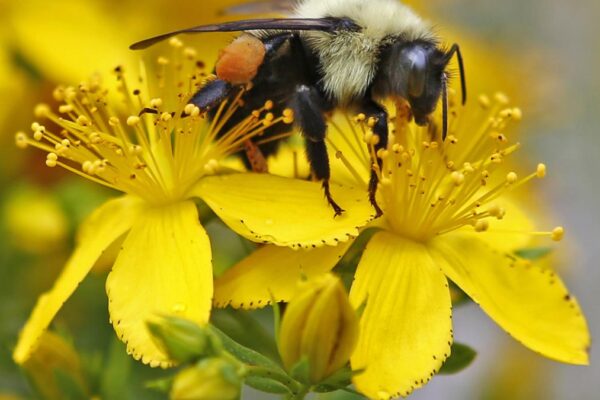
Flowers were not mere reproductive organs of plants; they were conversationalists who whispered, blushed, and leaned into the breeze like they were auditioning for a drama. Bees hummed because they were contributing to the background score of a pastoral symphony. Winters invoked death, the poetic kind, where one stares at a leafless tree and suddenly feels personally attacked by mortality. Spring was the grand comeback tour. Resurrection, rebirth, renewal.
Now, let us fast-forward to the present, where nature has taken early retirement and poets are left staring at their screens, wondering if “Wi-Fi buffering” can be made to rhyme with “existential suffering.”
The rain no longer arrives as a muse but as a municipal complaint. It brings not romance but sludge, a thick, democratic mixture of soil, plastic, regret, and last year’s festival decorations. The poet opens the window, takes one look at the waterlogged street, and writes, “The rain fell / and so did my expectations of urban planning.”
The sun has rebranded itself as an antagonist. It no longer basks; it scorches. It does not kiss; it interrogates. Stepping feels less like a poetic experience and more like a physical test you are failing. Golden rays have been replaced by UV index warnings, which are harder to fit into a sonnet.
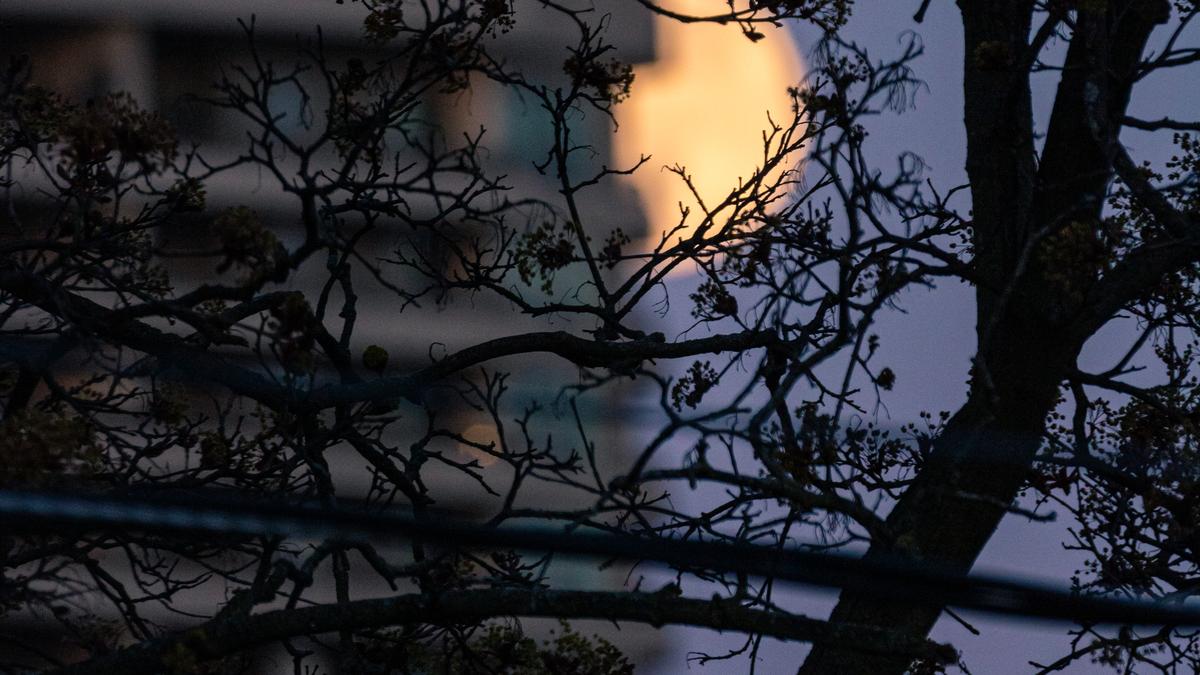
The moon now exists primarily as a rumour. High-rise buildings have formed a coalition against it, and air pollution has added a censorship layer so thick that even the most determined lover cannot locate it without technological assistance. Lovers have adapted. They no longer look at the moon and think of each other; they look at each other’s last seen timestamps.
Flowers have been demoted. Their fragrance, once capable of inspiring entire epics, now competes with the robust personality of open drains carrying the refuse of progress. The poet leans in to smell a night-blooming flower and instead inhales a complex bouquet of methane, detergent, and civic indifference. It is difficult to write, “The jasmine sang softly in the dark,” when the background is a cacophony of blaring horns.
Winters have become unreliable narrators. They arrive late, leave early, and refuse to commit to the emotional depth they once promised. How is a poet supposed to feel the weight of the weather when the season itself feels like a brief technical glitch? You cannot invoke death when you are still mildly sweating.
Spring tries, bless it. It shows up with a few blossoms and an optimistic attitude, but even it seems aware that it is performing to an audience distracted by notifications. The flowers might still be talking but no one is listening. Everyone is busy scrolling past curated sunsets and algorithm-approved landscapes, double-tapping their way through a digital approximation of the very nature that used to inspire them.
The modern nature poet sits by a window that does not open, under a sky that does not reveal, breathing air that does not inspire, and writes, bravely, stubbornly, and with a hint of sarcasm about what remains. Which is still quite a lot. Just not very fragrant.
chanchalaborah9@gmail.com
Published – May 10, 2026 03:52 am IST