



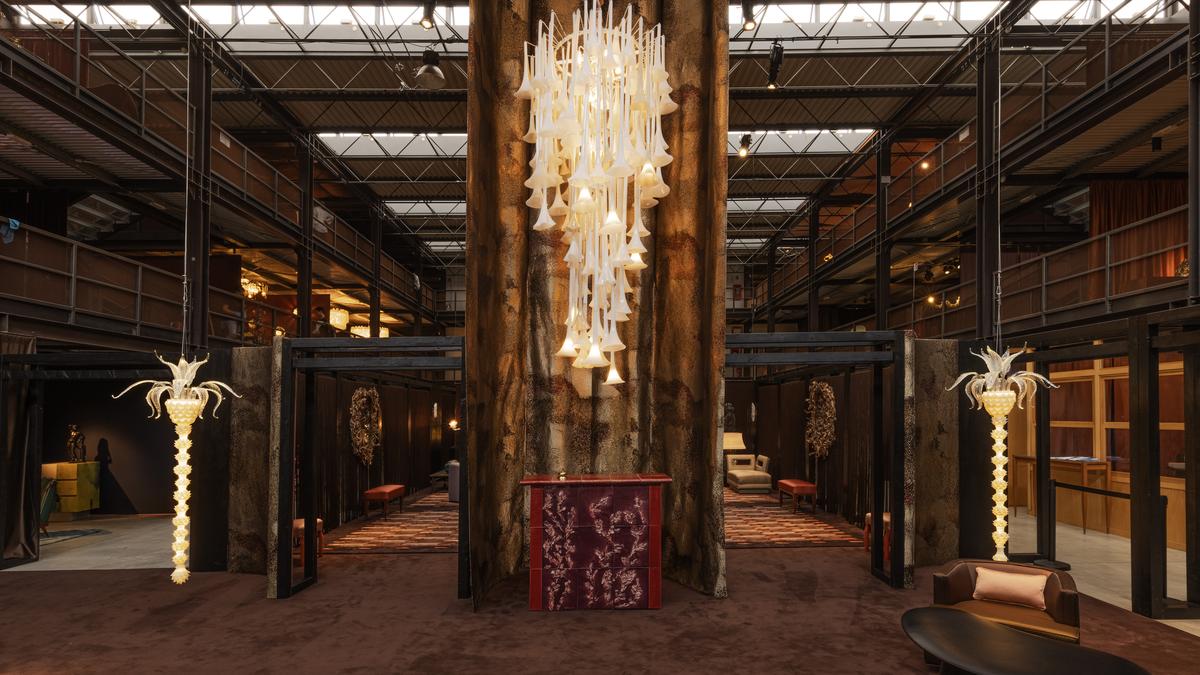
Milan Design Week with Vikram Goyal
Milan Design Week is often framed as a series of fairs and events. But after years of attending, I’ve come to see it as a series of encounters. Beyond schedules and spectacles, it offers the freedom to move through courtyards, industrial spaces, and private interiors, each revealing a different way of thinking about design as part of a larger cultural and material dialogue.
Since Salone del Mobile began in the 1960s (the furniture trade fair is one part of the design week, which includes the Fuorisalone — a series of citywide exhibitions and events), every spring Milan has become charged with energy and a shared vision for design’s future. Few trade events shape the spirit of a city quite so profoundly.
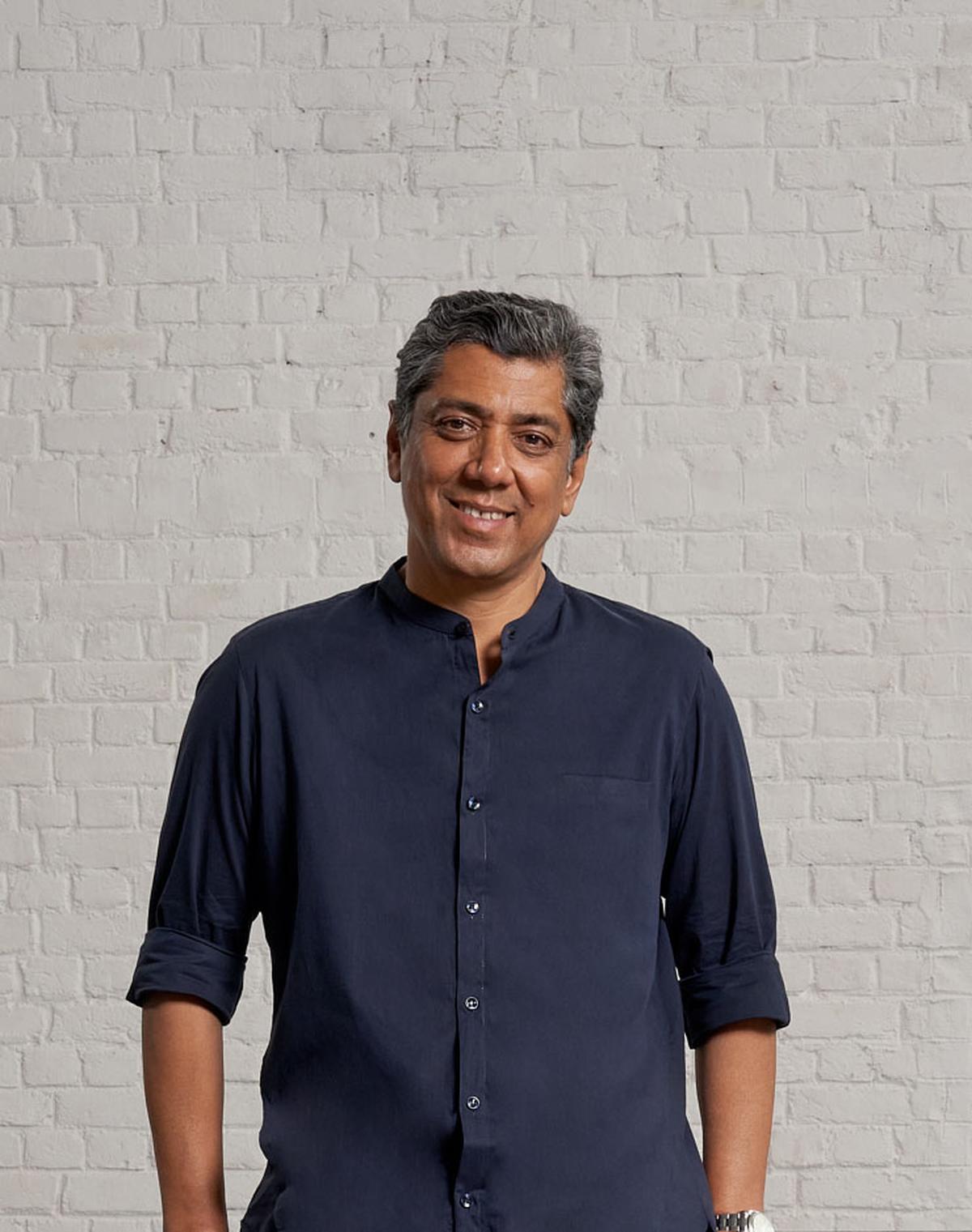
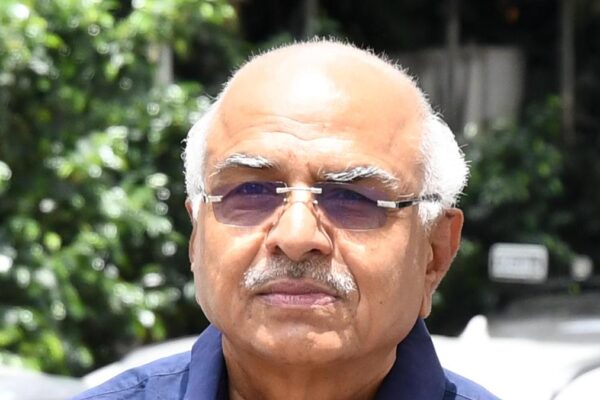
Vikram Goyal
This year showed a notable shift towards restraint, allowing materials to speak more directly and objects to derive meaning through their making. A recurring theme was also the growing intersection of cross-border collaboration. At a dinner, I was seated across noted French designer Philippe Starck, who was wonderfully entertaining and irreverent, and spoke about his real estate project in India. The next morning, over breakfast, Lebanese designer Elie Saab mentioned he, too, had a real estate project in India.
The design week begins and ends with its people: conversations, shared explorations, and unexpected meetings around craft, materiality, and form. Below are the works and ideas that stayed with me most.
Alcova
It remains one of the most vital platforms for emerging and experimental design, its often raw and expansive settings always amplifying discovery. Spread across the Baggio military hospital and the modernist Villa Pestarini (designed by the master of rationalism, Franco Albini), a standout was the Mexico-based Sten Studio’s installation within an abandoned chapel in the hospital, where sculptural forms staged as a wedding invited reflection on permanence and ritual.
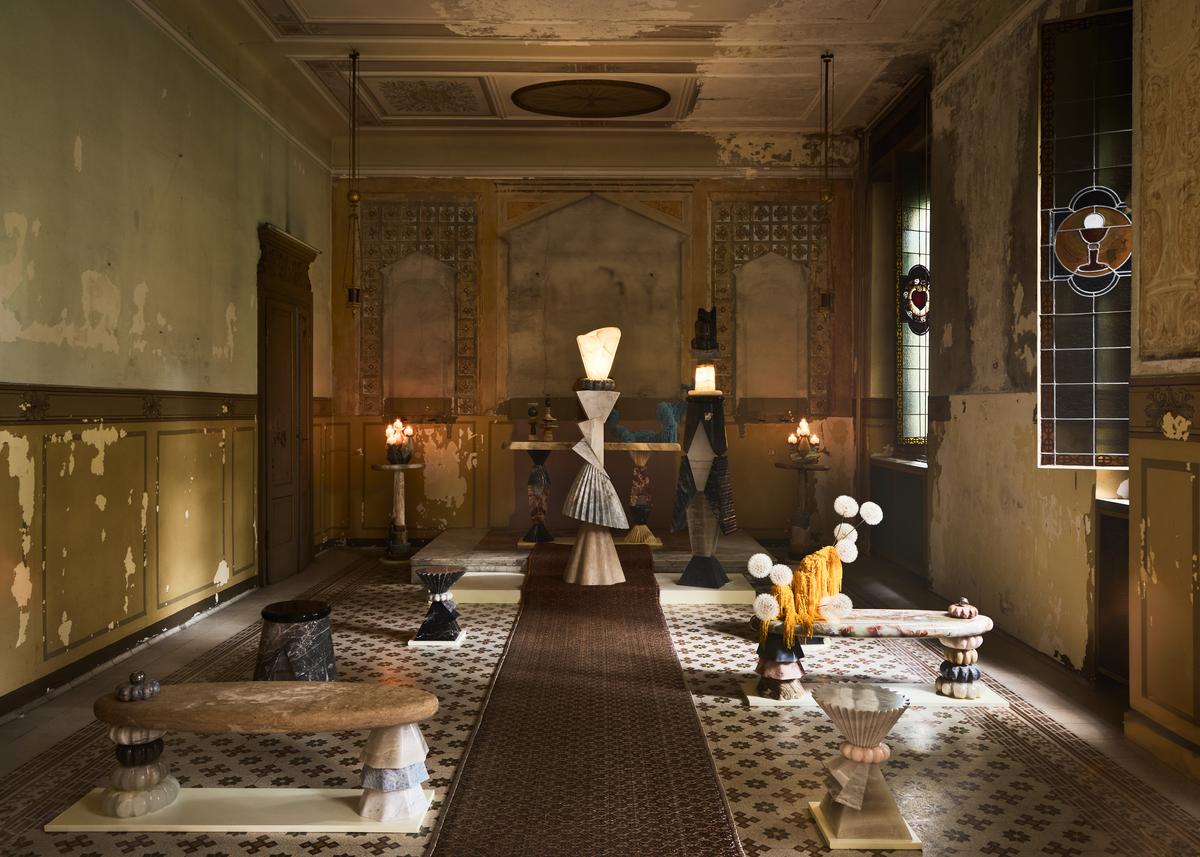
Sten Studio’s installation The Wedding
| Photo Credit:
Ramona Balaban
Shakti Design Residency
Also at Alcova, the Shakti Design Residency, an initiative I have been involved with since inception, presented its second cohort. What distinguishes Shakti is its methodology: craft is approached as a living practice shaped by dialogue between an international jury-picked group of designers and Indian craft ateliers. My own studio’s collaboration with New York-based designer and architect Rodolfo Agrella resulted in Natyam, a modular hammered brass screen exploring movement and surface. Other interesting collaborations included the cane structures developed with the Heirloom Naga Centre and Klove Studio’s glass works.
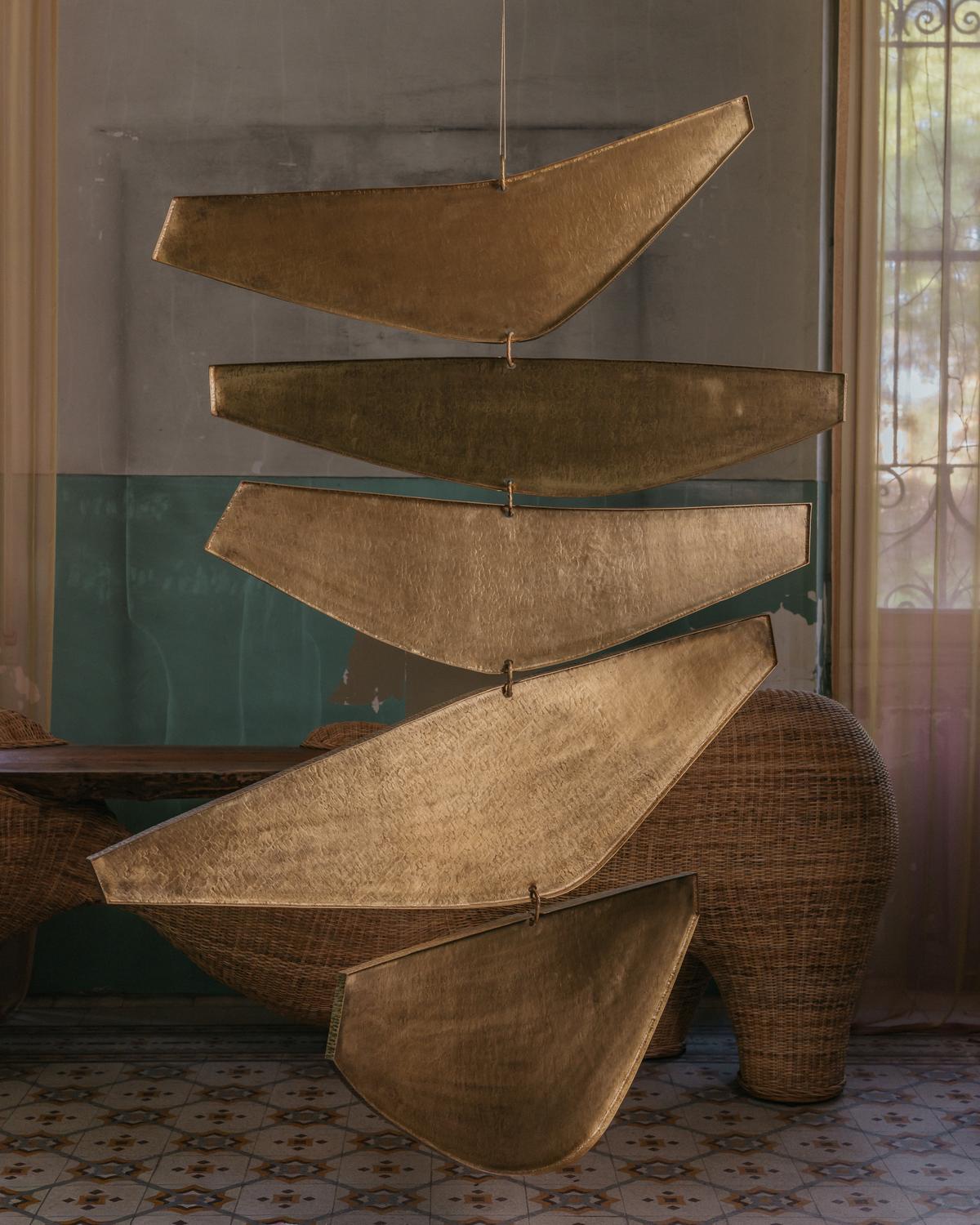
Natyam
| Photo Credit:
Taran Wilkhu
Nilufar Depot
Among the most striking presentations of the week was gallerist Nina Yashar’s Grand Hotel at Nilufar Depot, where I have exhibited for several years. Using the “hotel” as a narrative device, each room became a distinct environment layering vintage and contemporary works into immersive, lived spaces. Seeing our bronze Bagh mirrors and side tables integrated into this composition was especially gratifying.
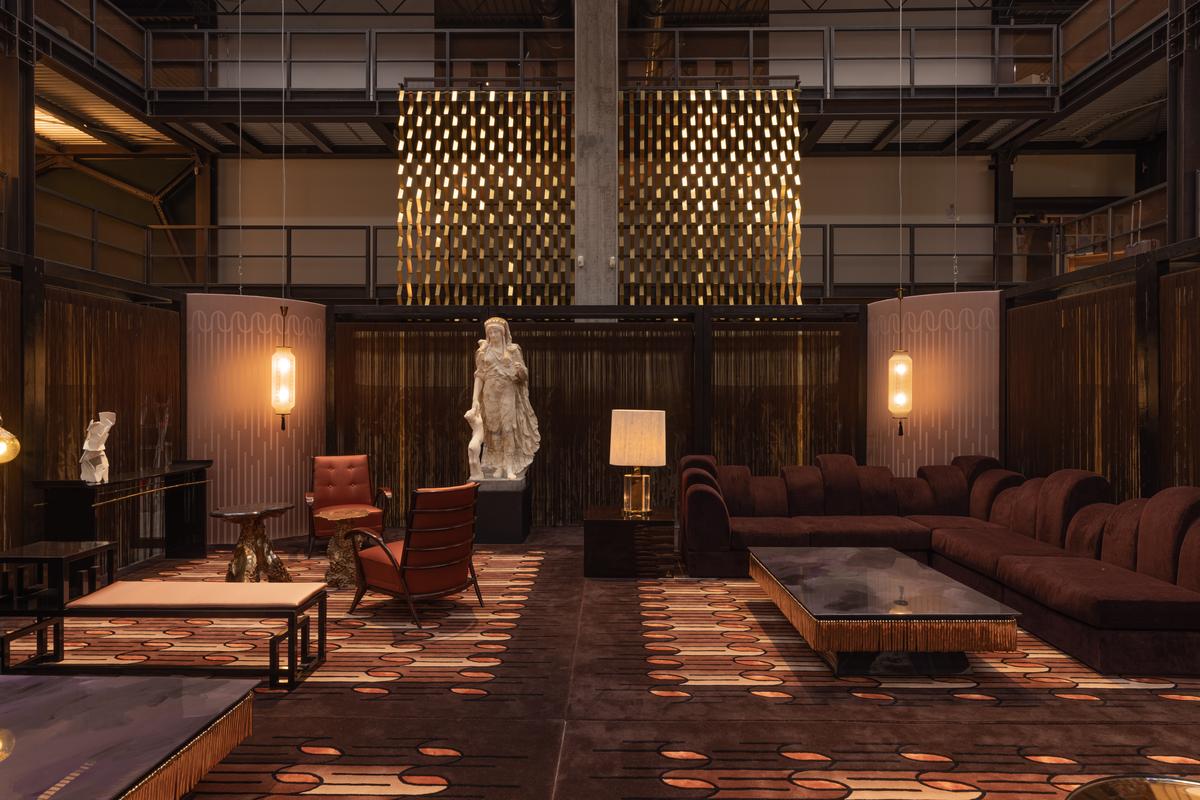
Grand Hotel at Nilufar Depot
| Photo Credit:
Alejandro Ramirez Orozco
Dimore Gallery
At Dimore Gallery, one of Europe’s most creative product and interior design studios, the setting itself was unforgettable. Housed within a former bank, the descent into the lower-level vault became a dramatic encounter with objects — from vintage and contemporary sculptures to lighting — where retained architecture was reinterpreted into an atmospheric experience. Dimore’s distinctive scenography transformed the original bank into a space of creativity and glamour.
Jaipur Rugs x Kengo Kuma
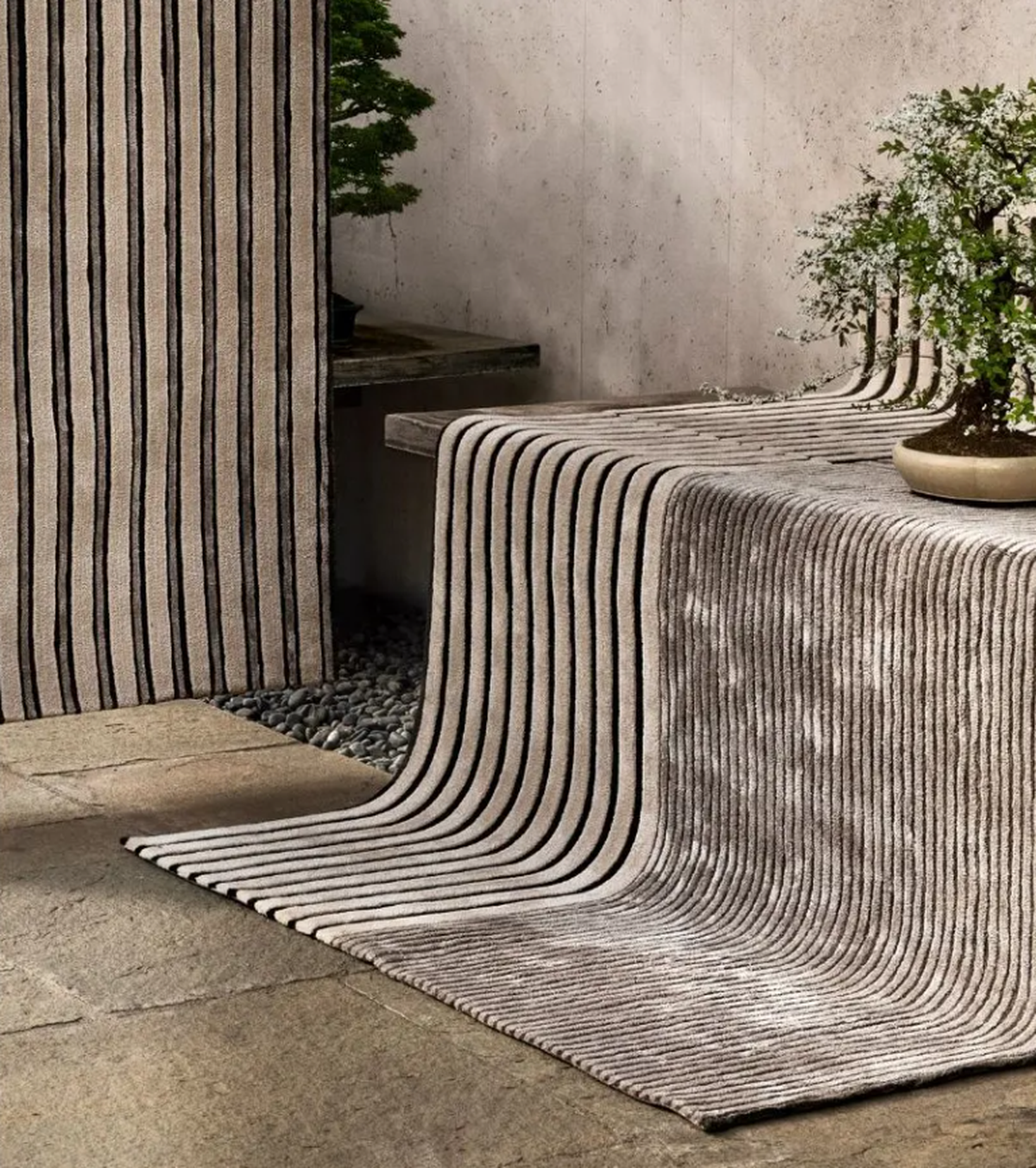
On a sunny morning, we drove out of Milan to the Crespi Bonsai Museum to witness the cultural dialogue between Jaipur Rugs and Kengo Kuma for the Sukima collection. It was less a design exercise and more a thoughtful exchange between architecture, craft, and philosophy. Rooted in the Japanese concept of sukima, the subtle intervals or spaces between forms, the collaboration translated architectural philosophy into tactile surface through geometric motifs.
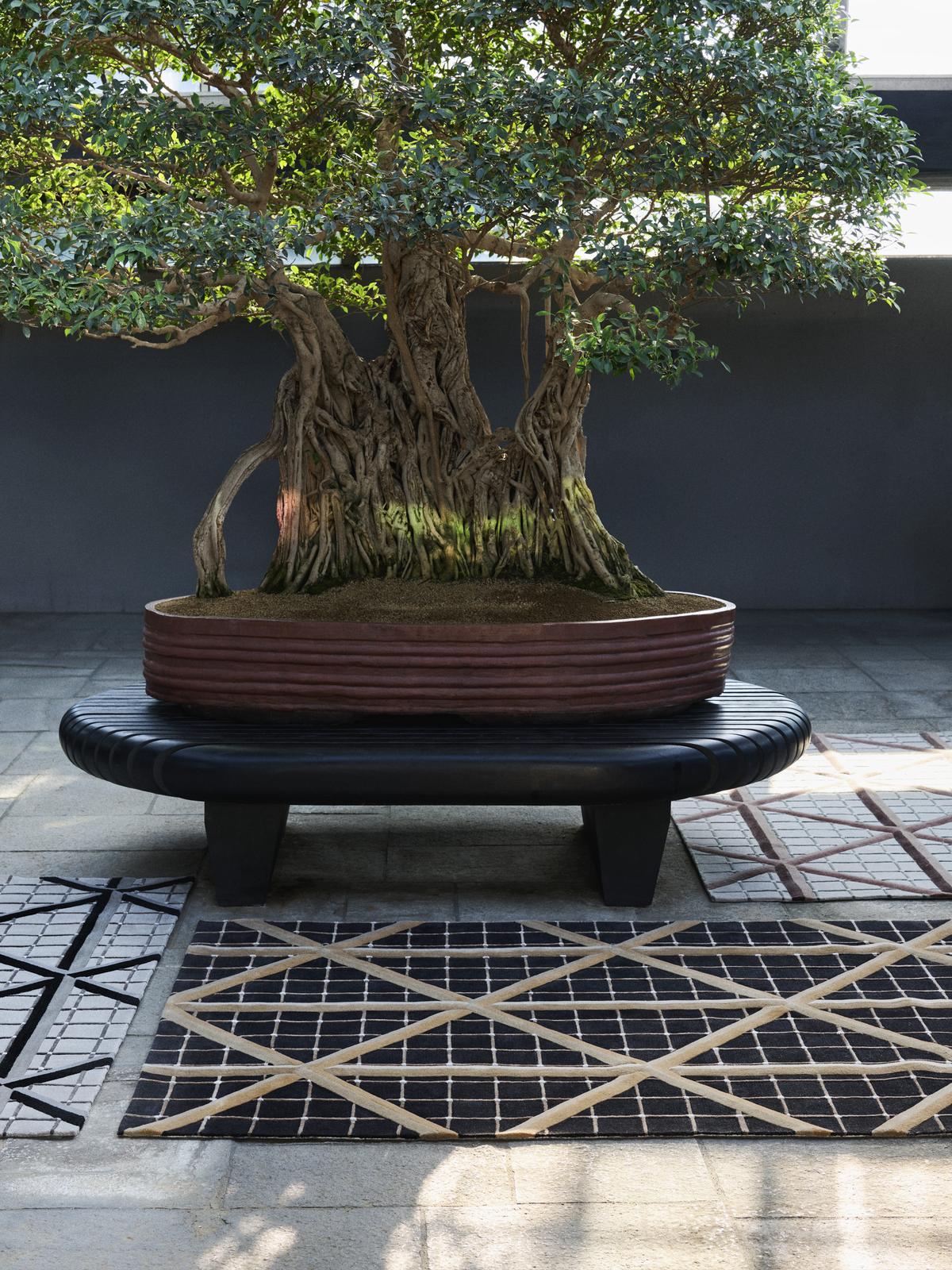
Jaipur Rugs x Kengo Kuma
When Apricots Blossom
Presented at the 18th-century palace Palazzo Citterio, When Apricots Blossom was one of the more thoughtful exhibitions this year. Commissioned by Gayane Umerova, leading the Uzbekistan Art and Culture Development Foundation, it was curated by Kulapat Yantrasast — the dynamic architect responsible for revamping the National Museum in New Delhi. The exhibition unfolded as a journey through three essential elements of daily life: textiles (a colourful tapestry on the palazzo’s facade), food (replicas of bread stamps used for dough), and shelter (large architectural sculptures). It brought focus to the Aral Sea region and Karakalpakstan, areas that have undergone significant environmental transformation, yet continue to sustain rich cultural traditions.
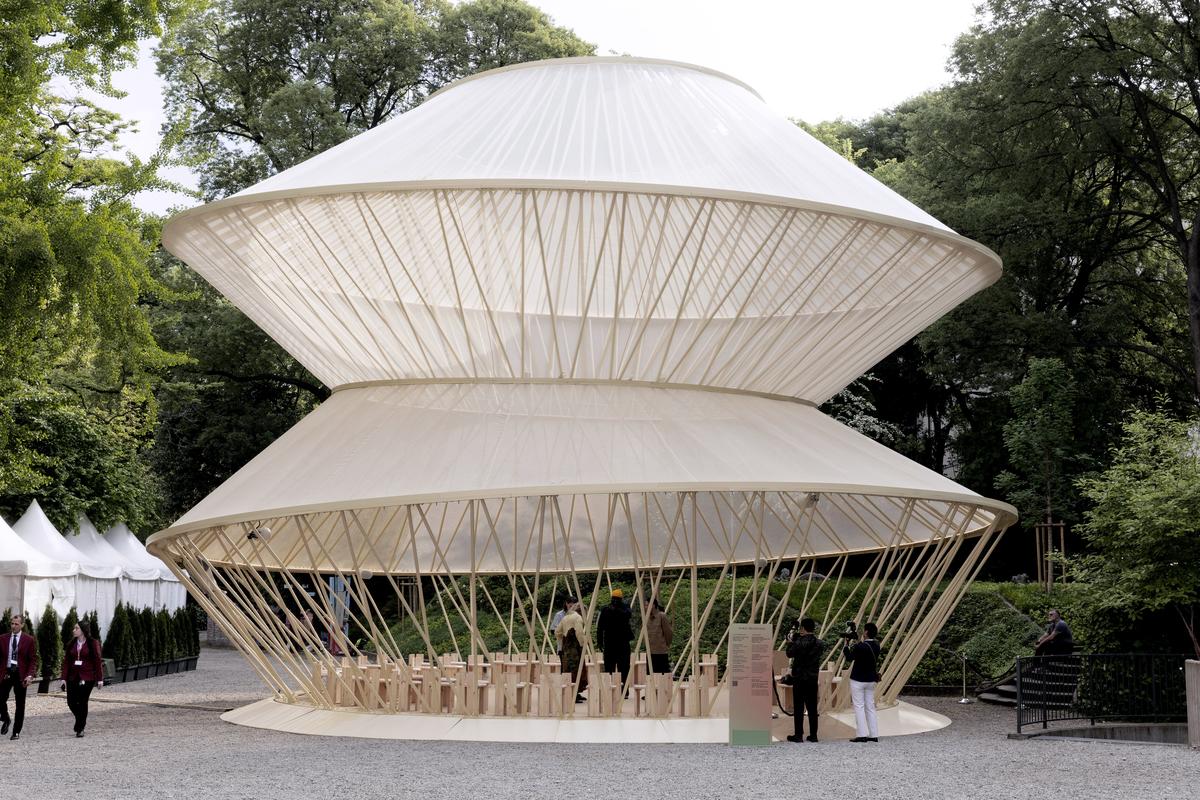
The Garden Pavilion — a deconstructed yurt, created by Kulapat Yantrasast
| Photo Credit:
Courtesy ACDF
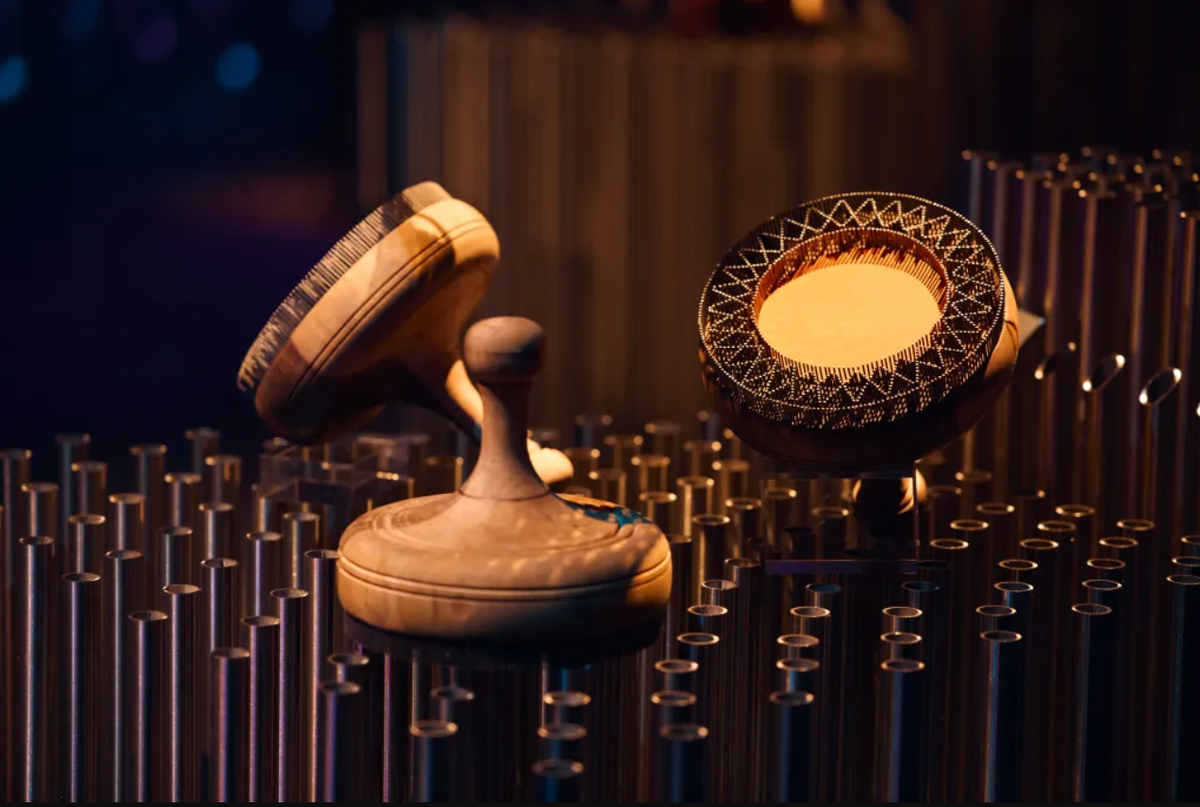
Uzbek bread stamps
| Photo Credit:
Courtesy ACDF
Gucci and Buccellati
Luxury fashion houses also offered immersive narratives. Gucci Memoria, curated by creative director Demna at the 16th-century cloisters Chiostri di San Simpliciano, reflected on the fashion house’s 105-year history through 12 monumental tapestries. They traced key moments to Gucci’s contemporary direction, positioning craftsmanship as a primary language. The scenography also extended into a botanical installation — a gigantic courtyard full of seasonal flowers in shades of white, pink, and deep magenta.
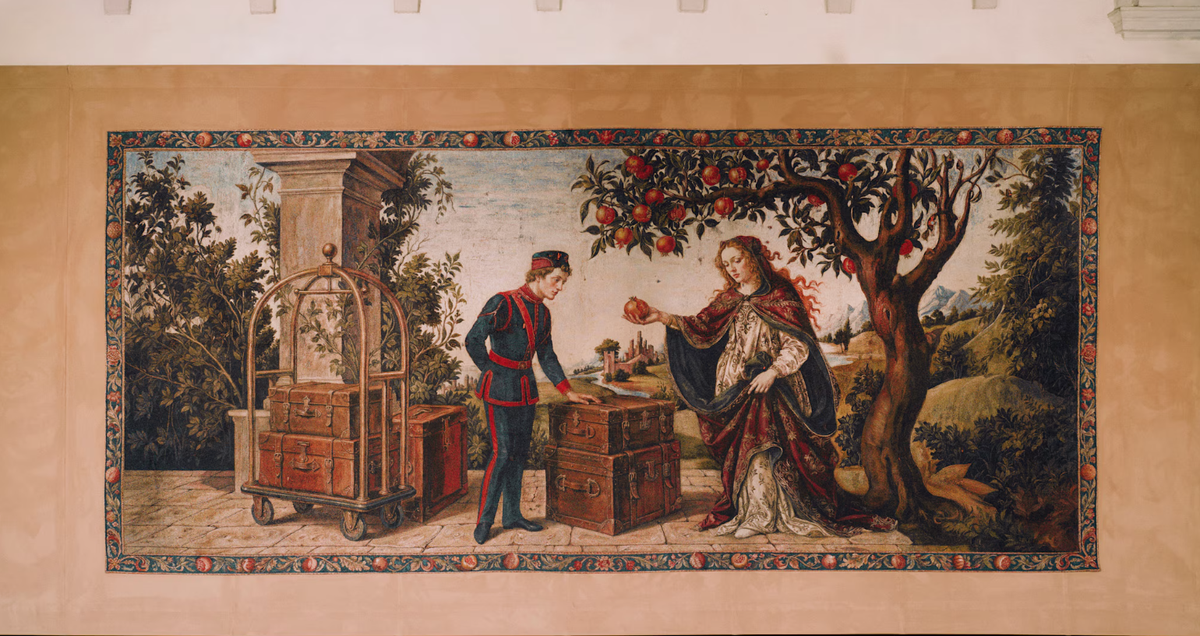
A tapestry at Gucci Memoria
| Photo Credit:
Courtesy of Gucci
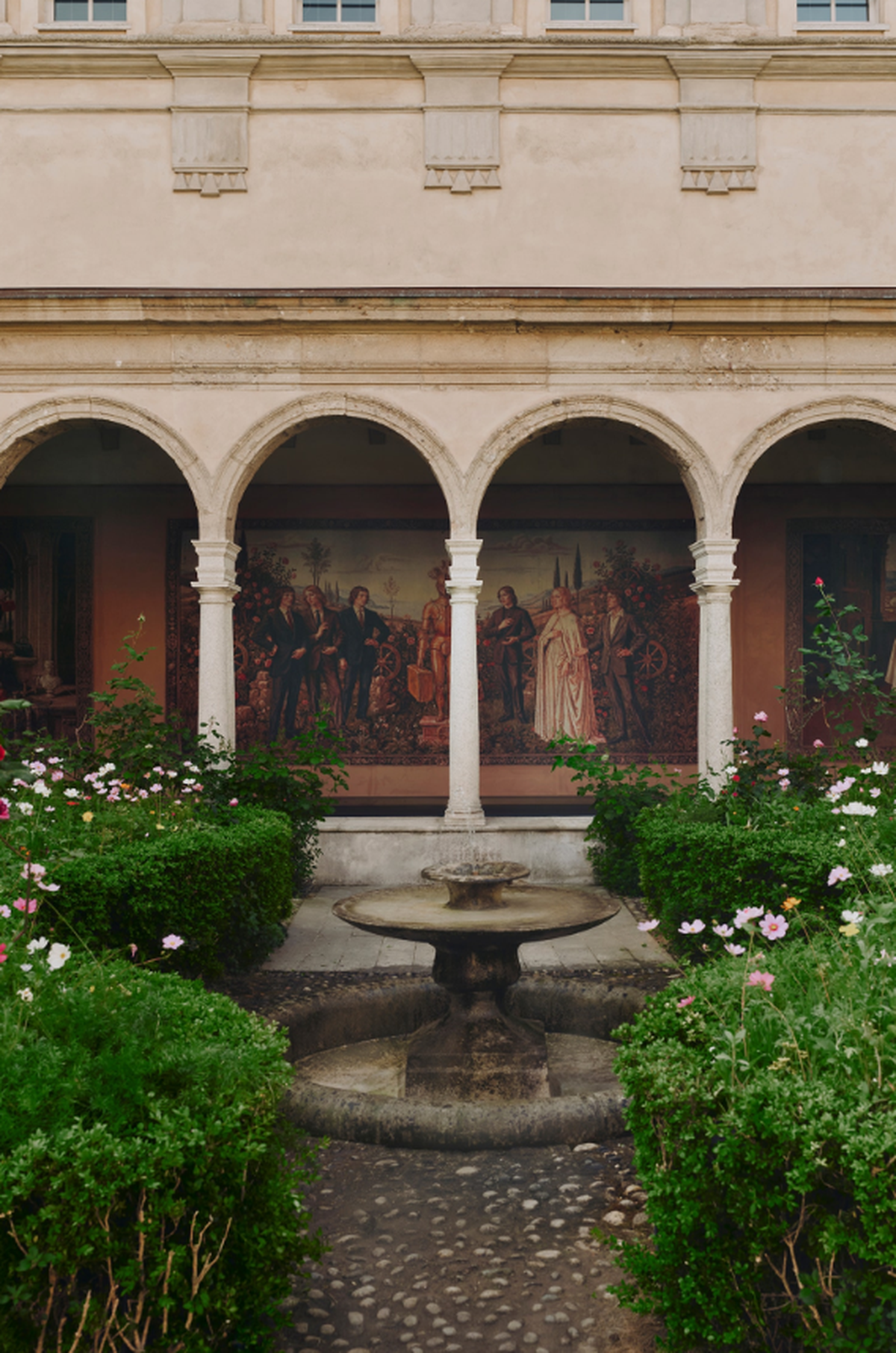
Gucci Memoria botanical installation
| Photo Credit:
Courtesy of Gucci
Similarly, jewellery and silverware maison Buccellati’s Aquae Mirabiles transformed craftsmanship into a luminous theatrical environment with their Caviar Silverware. Featuring a surface defined by microspheres (to create the appearance of caviar), the tableware collection emphasised precision and artistry. Light, sound and a collaboration with British artist Luke Edward Hall also introduced an almost poetic layer.
Finding Jaipur in Milan
Our evenings in Milan extended beyond exhibitions into conversations and gatherings. The annual T Magazine party at Villa Necchi Campiglio, considered one of the week’s most awaited evenings, brought together a wide cross-section of the global design community. I was proud to see the scenography inspired by Jaipur and conceived by Marie-Anne Oudejans, whose interior design work, most notably for the Pink City-based Bar Palladio, has long bridged Indian craft and global design.
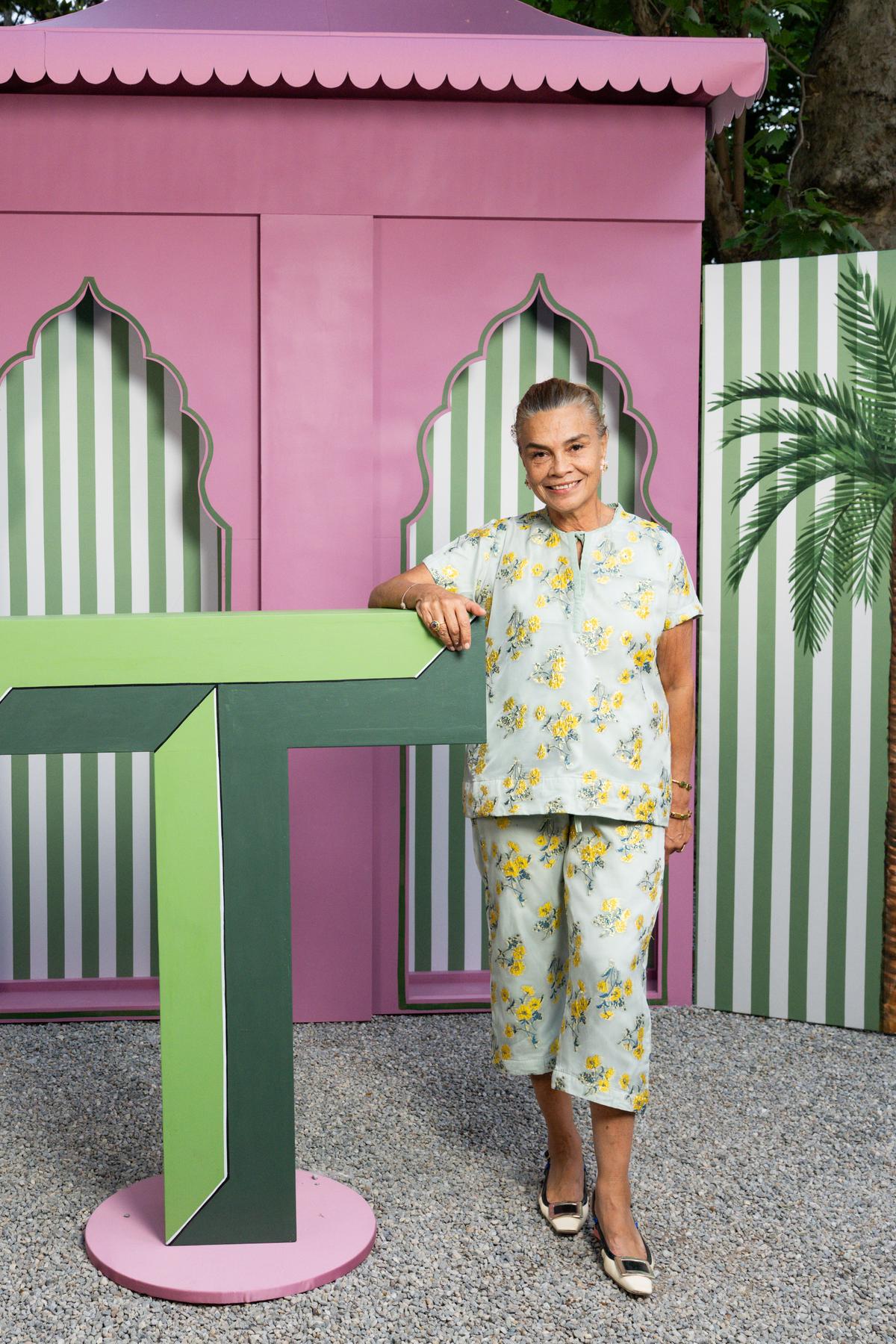
Marie-Anne Oudejans
| Photo Credit:
Jack Hall
The writer is the founder of Vikram Goyal Studio and lifestyle brand Viya. His practice encompasses design, art and craft revival.
Published – May 07, 2026 06:06 am IST