

Art Dubai at 20: Inside the Gulf’s cultural powerhouse in times of war and uncertainty
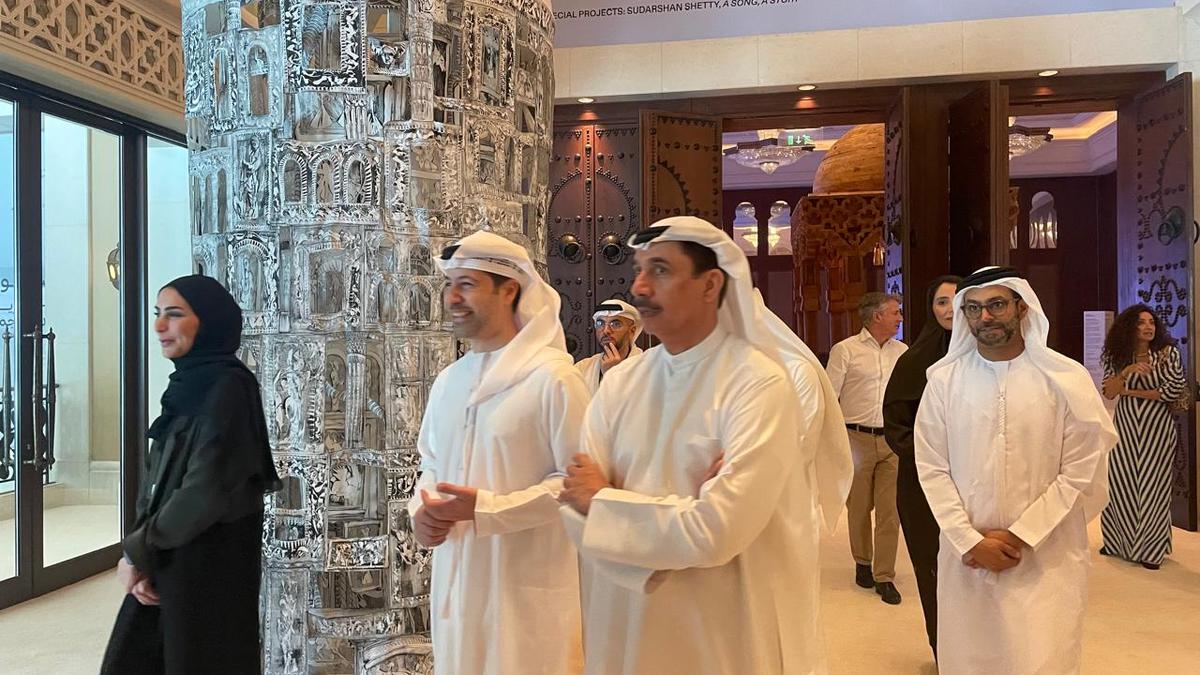
At Dubai’s Madinat Jumeirah, visitors moved quietly between installations, pausing to photograph sculptural works, leaning in to decipher mirrored text, and standing longer than usual inside sound-filled rooms that invited reflection.
Beyond the fairgrounds, however, the mood across the region was markedly different. In the weeks leading up to Art Dubai’s 20th edition, headlines were dominated by the escalating conflict between Iran and Israel, travel disruptions and renewed uncertainty across the Gulf.
That contrast, between a region confronting war and an art fair built around dialogue, memory and exchange, shaped much of this year’s edition.
After weeks of uncertainty, including a calendar shift from its original April dates to May 15-17 amid regional tensions, Art Dubai opened with a quieter energy. There was less emphasis on spectacle, more space for conversation, and a sense that both audiences and organisers were approaching the anniversary edition with different priorities.
As Art Dubai marks its 20th year, the fair appears less interested in market theatre than in a more urgent question: what role can culture play when the world outside feels increasingly unstable?
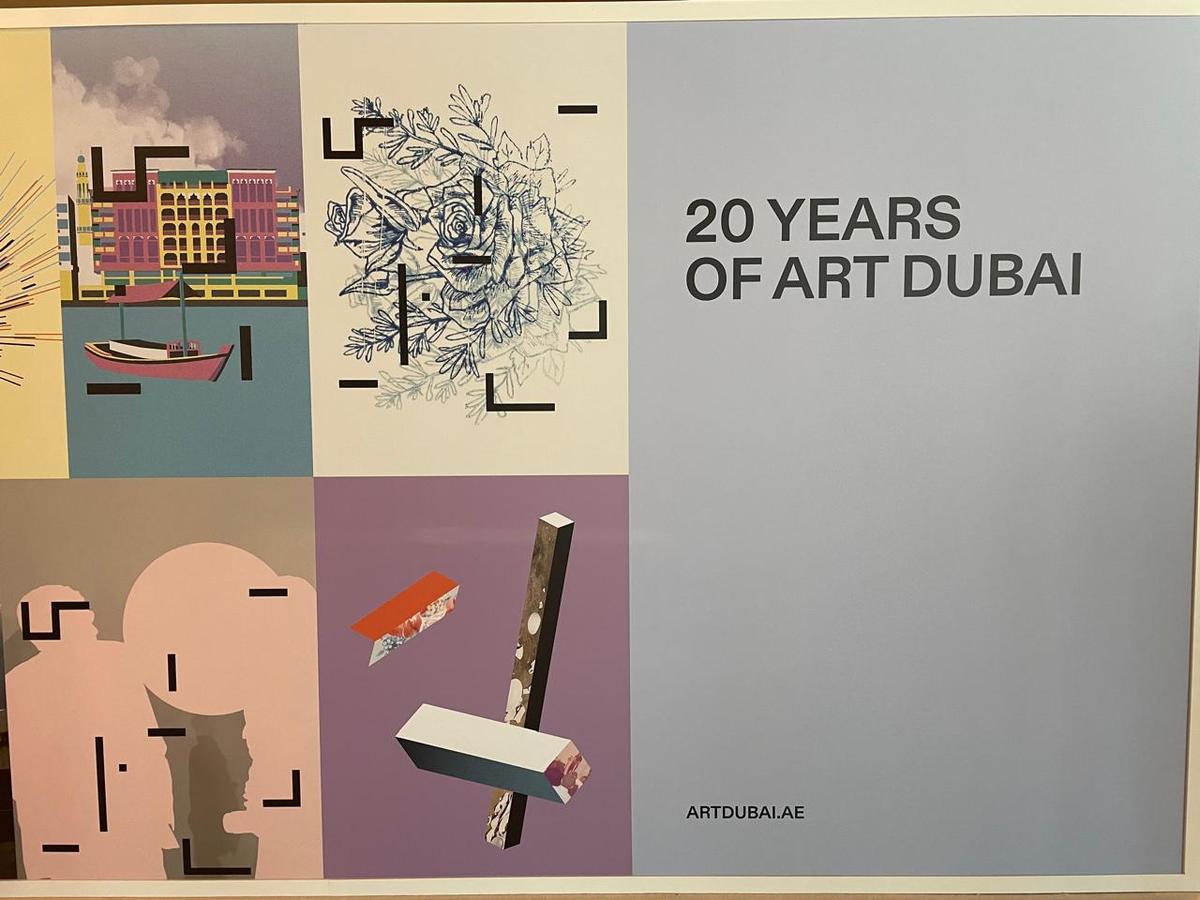
The 20th edition of Art Dubai opened with a quieter energy.
| Photo Credit:
Neeta Lal
The 20th edition of Art Dubai brought together 55 galleries, more than 500 participants and over 300 artists, including nearly a dozen from India.
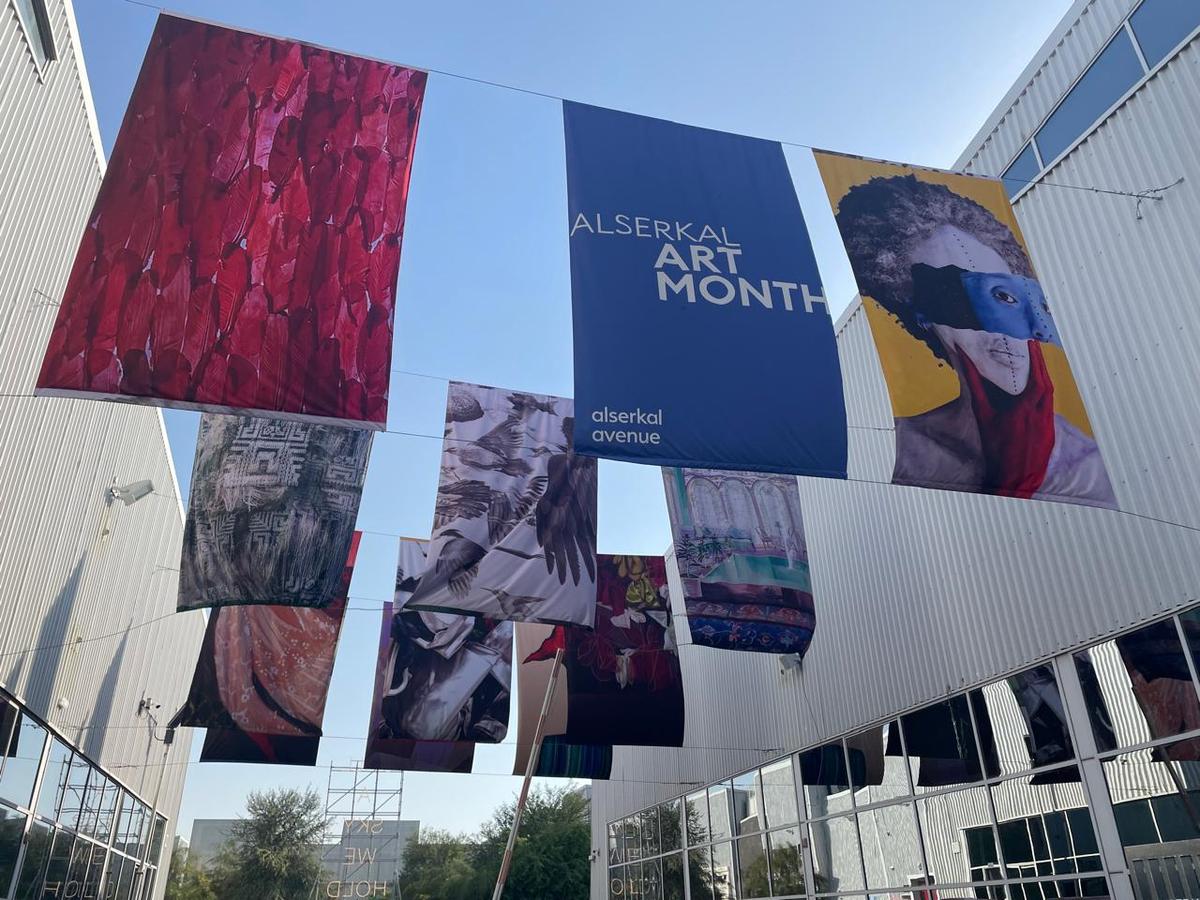
This year’s fair brought together 55 galleries, more than 500 participants and over 300 artists.
| Photo Credit:
Neeta Lal
What began in 2007 as the Gulf Art Fair has, over two decades, evolved far beyond its commercial origins. Today, Art Dubai stands as one of West Asia’s most influential cultural institutions, mirroring both Dubai’s own transformation and the emergence of the region as a serious force in the global art conversation.

“In times of crisis, culture becomes something people turn to for renewal, healing and connection”Alexie Glass-KantorExecutive director, curatorial, at Art Dubai
Its journey has been shaped by defining moments. In its early years, the fair helped position the Gulf on the global cultural map, contributing to a broader regional shift towards soft power, creative economies and post-oil cultural identity. It has also navigated moments of controversy. In 2012, reports surrounding the removal of a politically sensitive work by Iranian artist Khosrow Hassanzadeh sparked debate around censorship, political expression and the boundaries artists negotiate in the region.
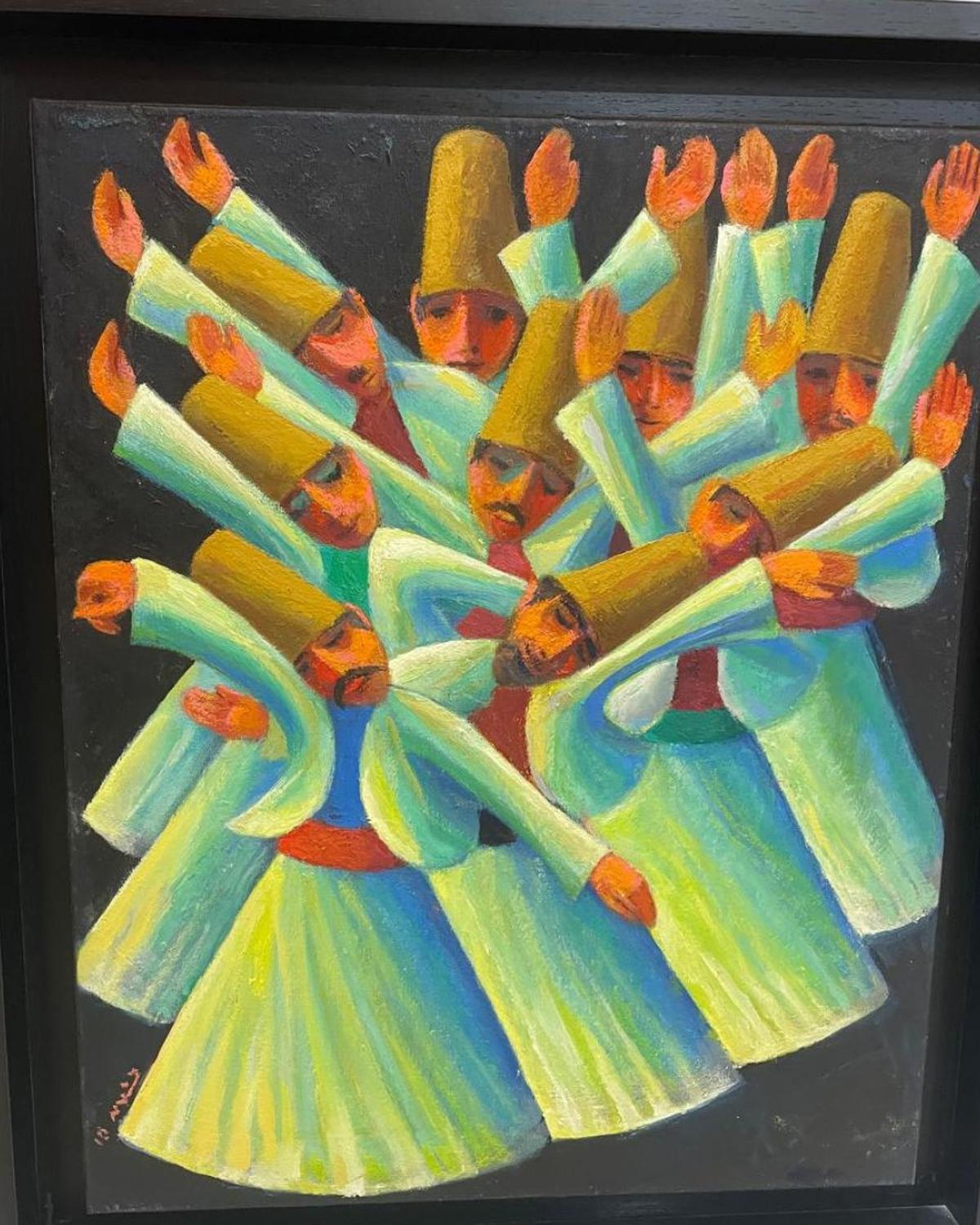
Art Dubai has helped position the Gulf on the global cultural map.
| Photo Credit:
Neeta Lal
“The fair has always been about more than commerce,” says Alexie Glass-Kantor, executive director, curatorial, at Art Dubai. “In times of crisis, culture becomes something people turn to for renewal, healing and connection.”
Two decades of building an ecosystem
Held at Madinat Jumeirah, this year’s edition adopted a scaled-back, reimagined format, including free public entry — a notable shift for an event historically associated with collectors, institutions and industry insiders.
Rather than withdraw amid regional instability, organisers chose to proceed.
“This edition is a testament to what 20 years of building can achieve. The heartbeat of this year is the belief that coming together still matters — especially now”Dunja GottweisFair director of Art Dubai
“This edition is a testament to what 20 years of building can achieve,” says Dunja Gottweis, fair director of Art Dubai. “The heartbeat of this year is the belief that coming together still matters — especially now.”
From an inaugural roster of around 40 galleries in 2007, Art Dubai has grown into a platform that has, over two decades, brought together galleries and artists from more than 50 countries, helping establish Dubai as a cultural crossroads between West Asia, South Asia, Africa and Latin America.
Even in its scaled-back format, this year’s fair brought together 55 galleries, more than 500 participants and over 300 artists.
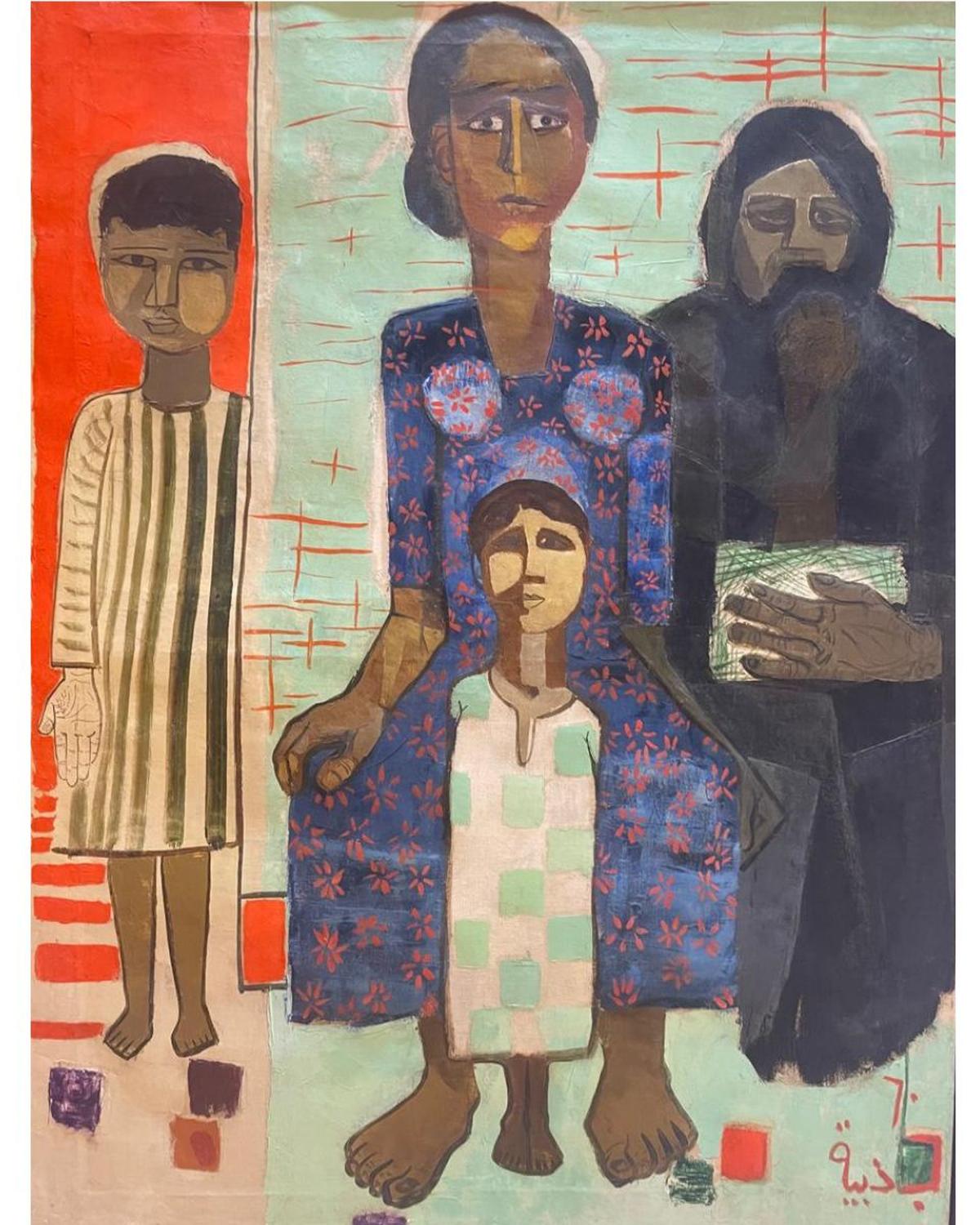
Works on display represent themes of memory, identity, migration, language and belonging.
| Photo Credit:
Neeta Lal
As Benedetta Ghione, executive director of the Art Dubai group, notes, the fair’s identity has always been shaped by Dubai’s multicultural DNA.
“Championing historically underrepresented voices has been central from the beginning, shaping a platform that is both regional and global.”
Strong Indian artistic voices
Unlike many established art fairs that remain anchored to western markets, Art Dubai has consistently positioned itself as a meeting point for artists, collectors and curators from geographies often underrepresented in the global art market.
Notably, while Indian galleries were absent from this year’s edition, Indian artistic voices remained strongly present. Nearly a dozen artists from India featured across the fair, underscoring the country’s enduring creative influence on the region’s art landscape.
Among them were Sudarshan Shetty, Shilpa Gupta, Mithu Sen and Vikram Divecha, whose practices engaged with themes of memory, identity, migration, language and belonging.
This was visible throughout the fair, but few works drew as much sustained attention as A Song, A Story: Sculpture I by Shetty.
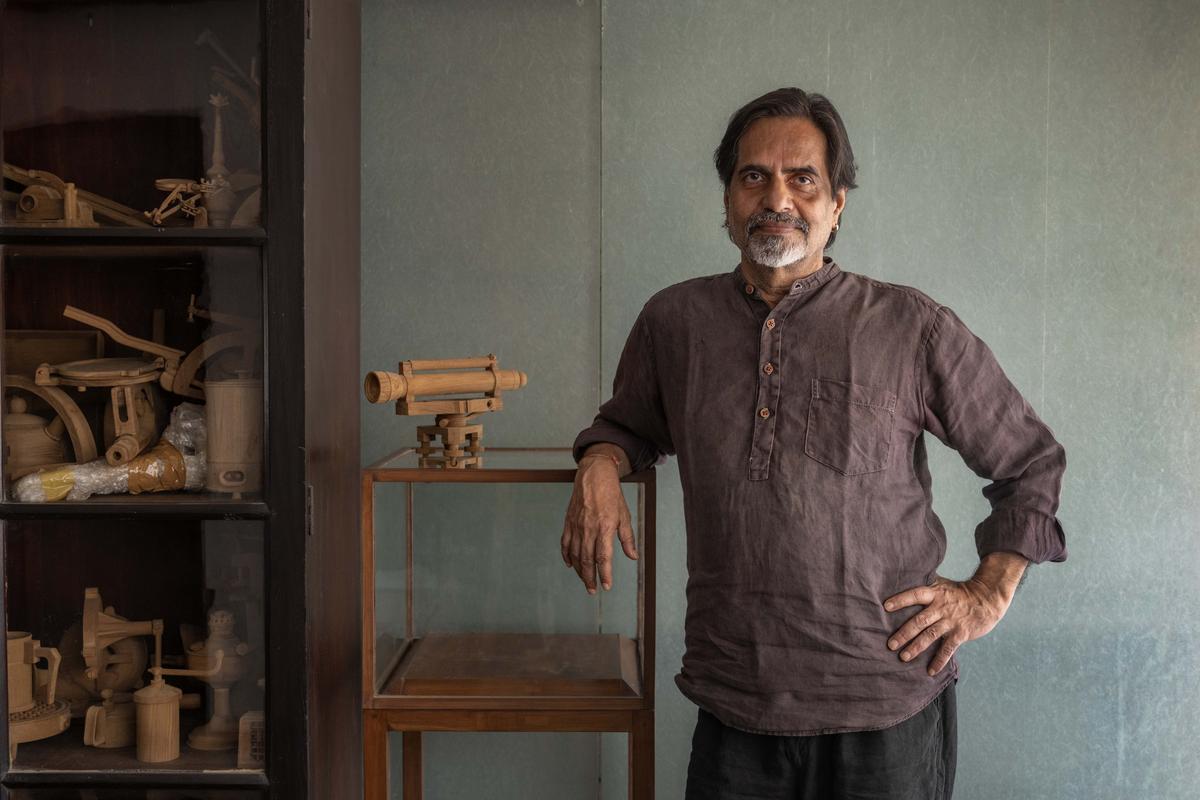
Artist Sudarshan Shetty.
| Photo Credit:
Getty Images
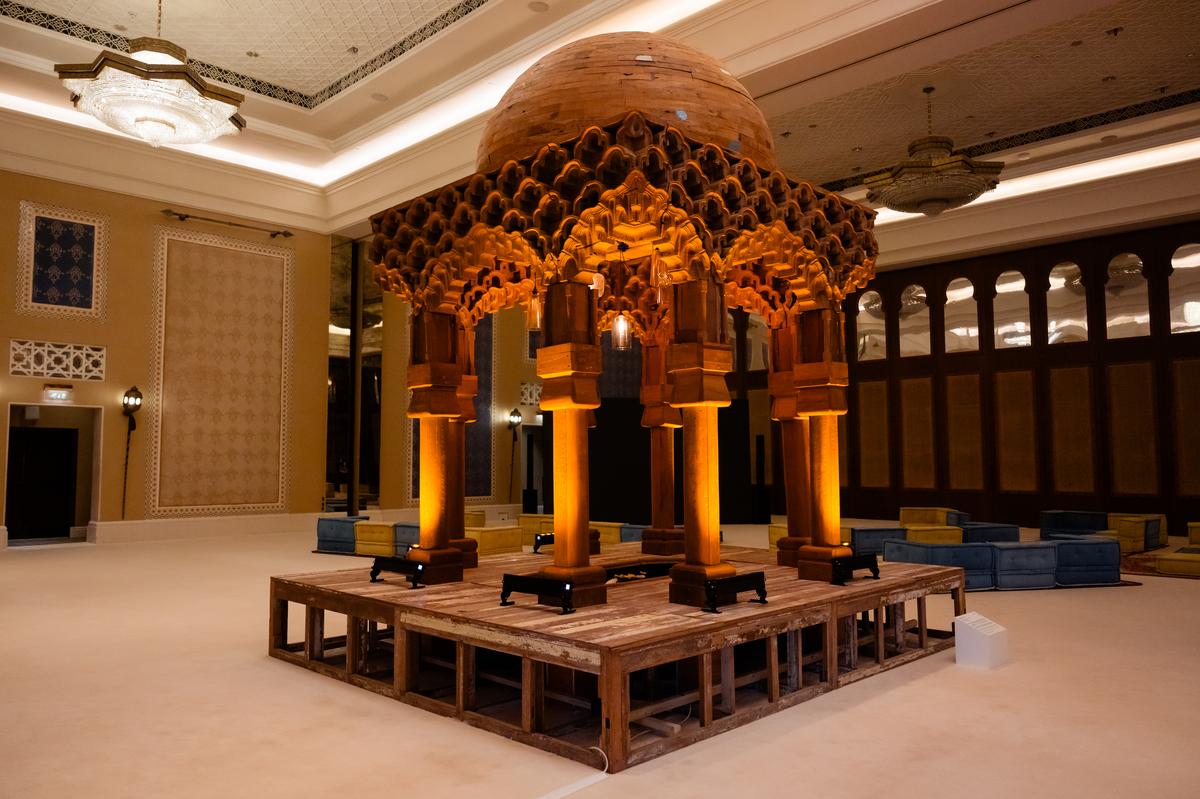
Sudarshan Shetty’s installation A Song, A Story | Sculpture I – A Public Space (2016), using recycled teak wood, lamps, water, at Art Dubai Special Edition.
| Photo Credit:
Cedric Ribeiro/Getty Images
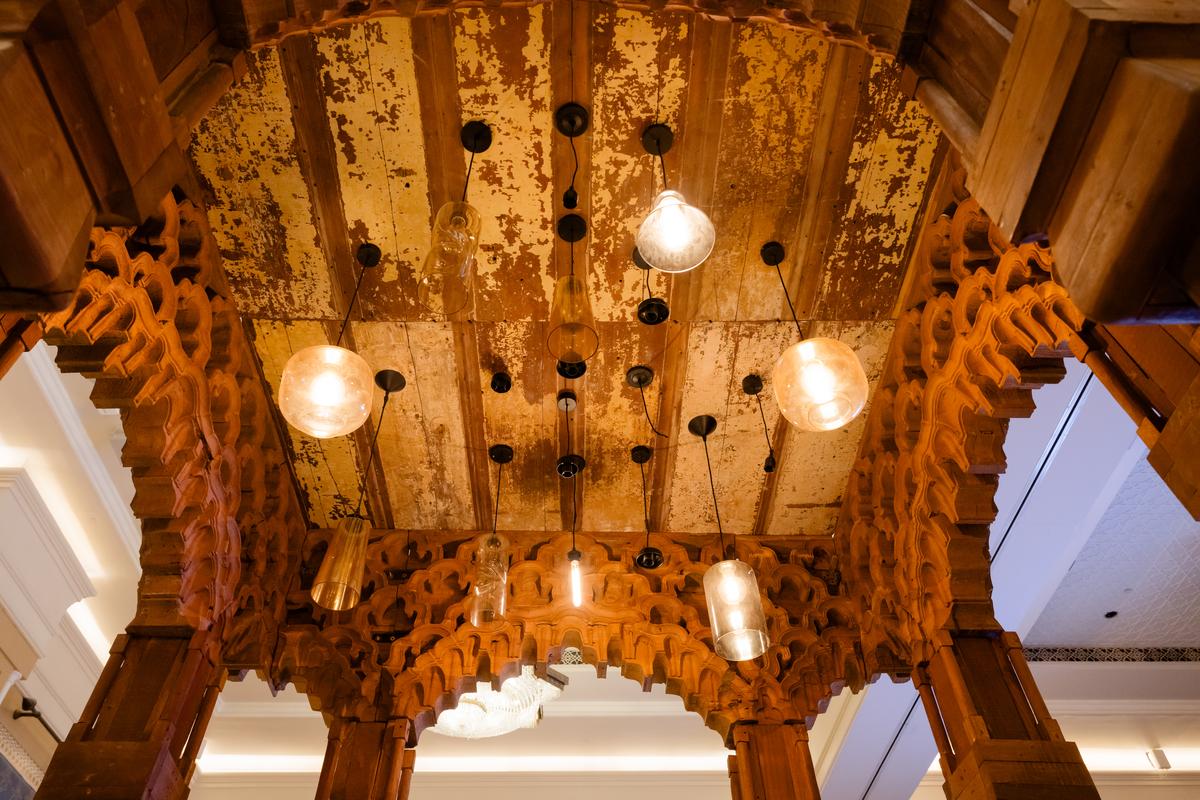
Sudarshan Shetty’s installation A Song, A Story: Sculpture at Art Dubai 2026.
| Photo Credit:
Cedric Ribeiro/Getty Images
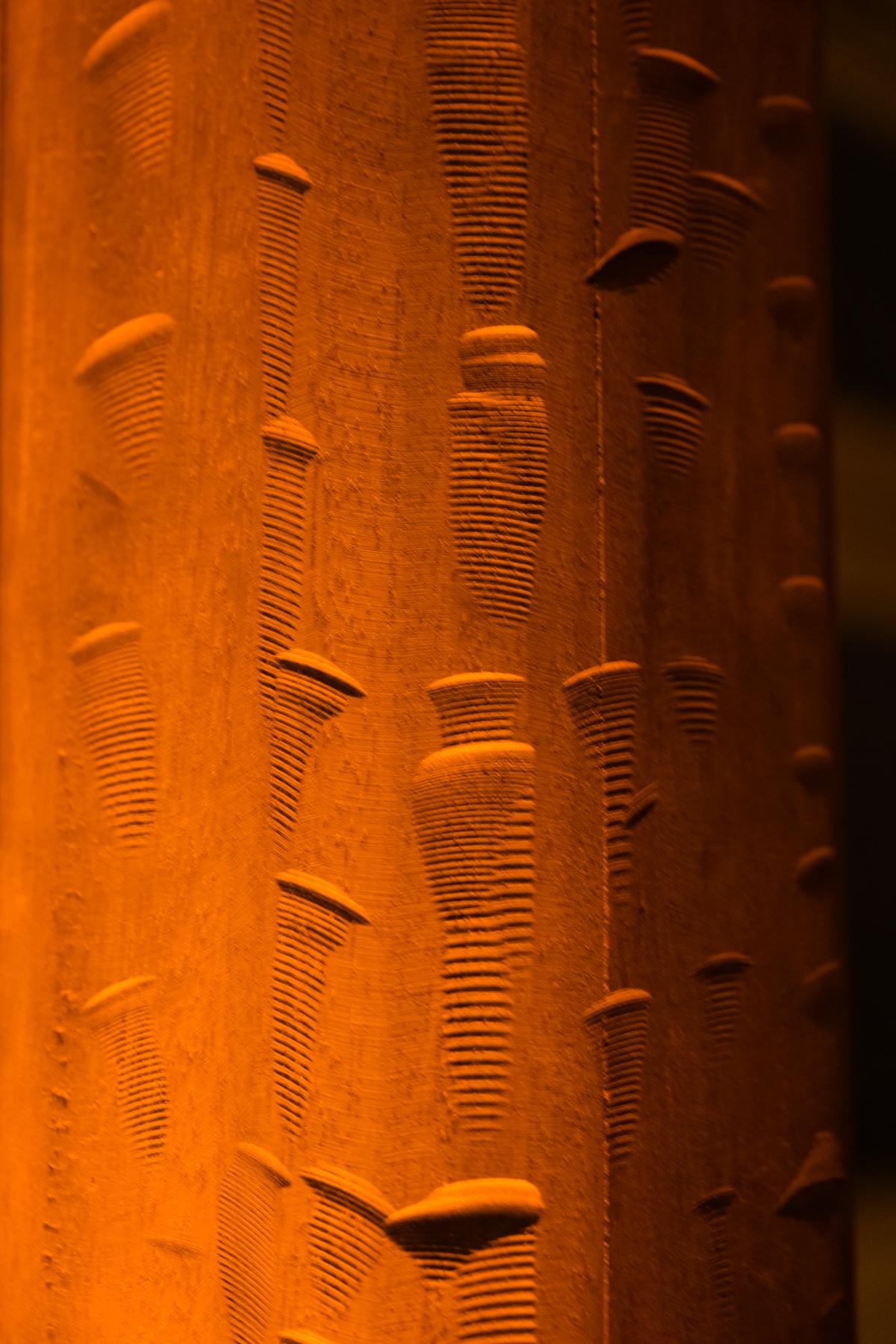
Sudarshan Shetty’s installation A Song, A Story: Sculpture at Art Dubai 2026.
| Photo Credit:
Cedric Ribeiro/Getty Images
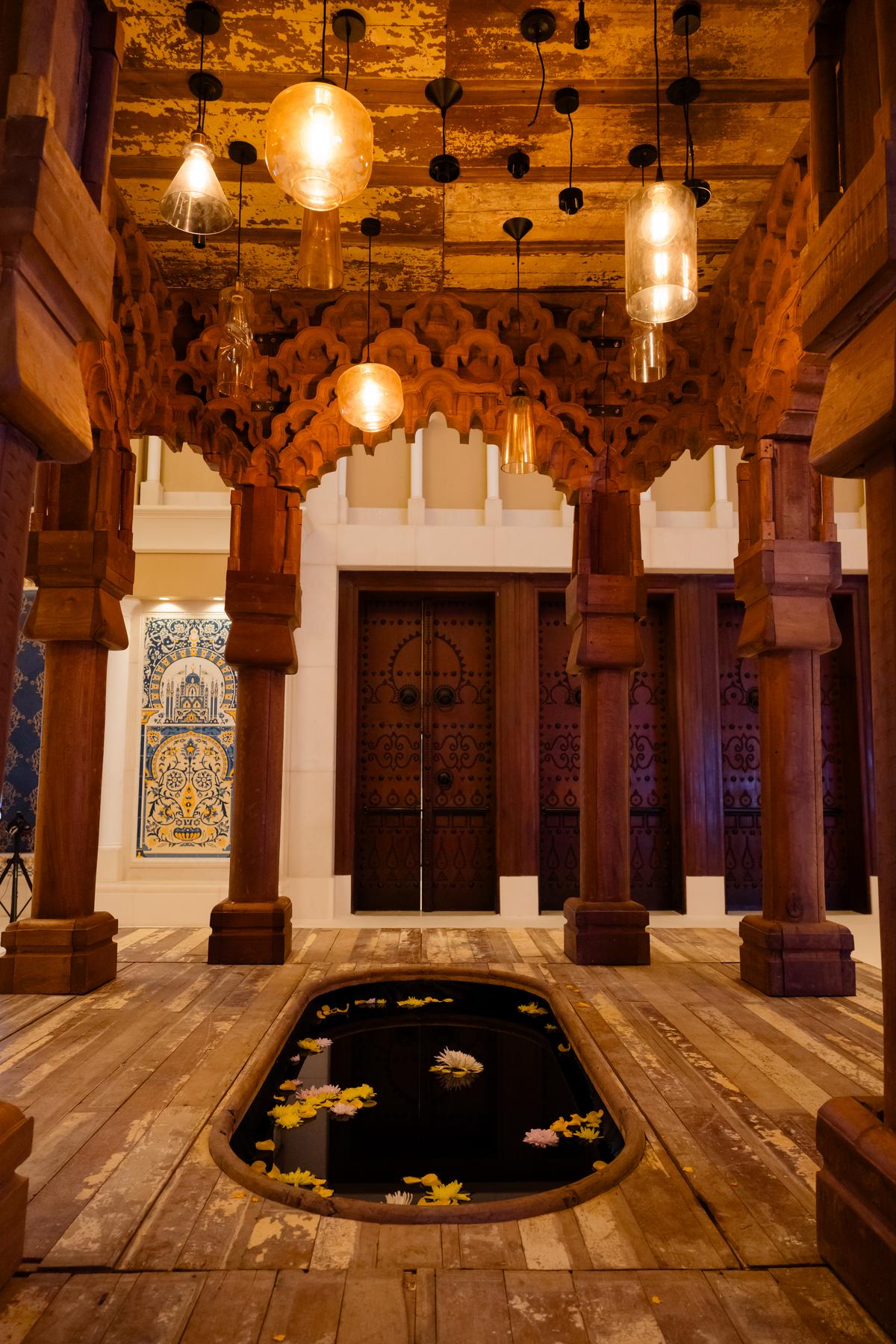
Sudarshan Shetty’s installation A Song, A Story: Sculpture at Art Dubai 2026.
| Photo Credit:
Cedric Ribeiro/Getty Images
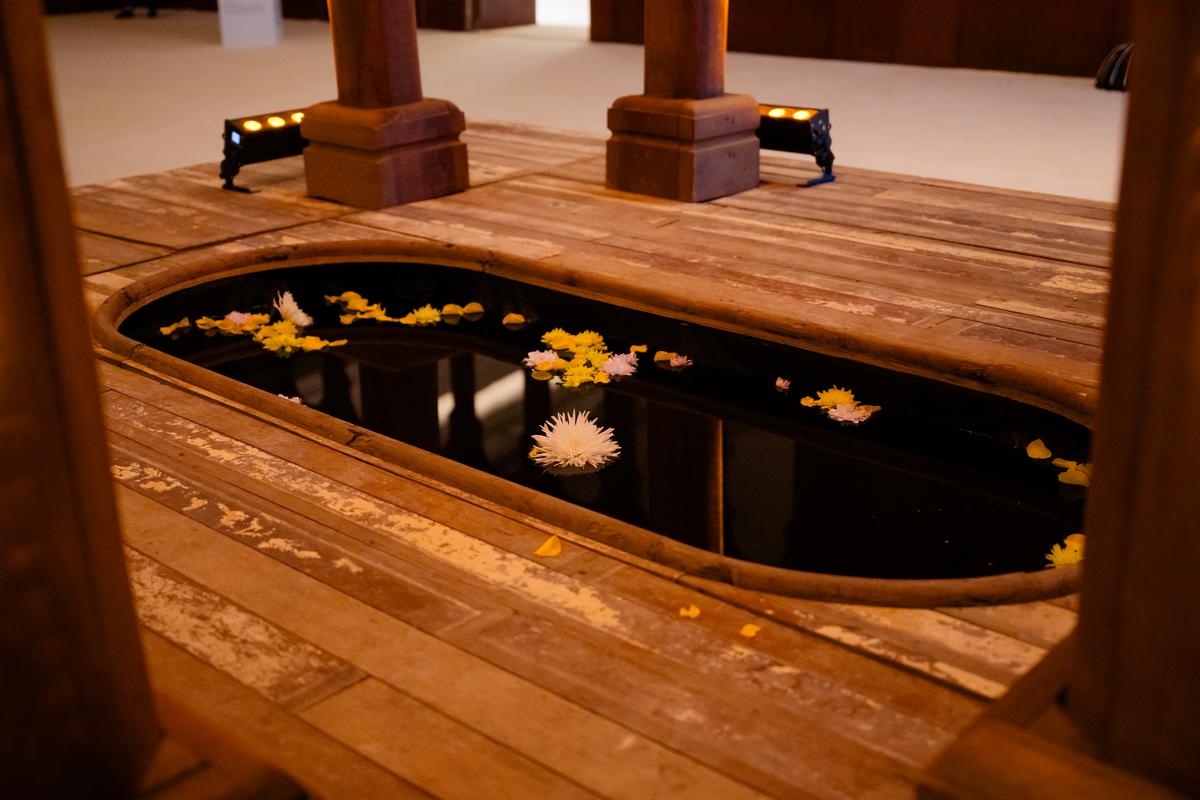
Sudarshan Shetty’s installation A Song, A Story: Sculpture at Art Dubai 2026.
| Photo Credit:
Cedric Ribeiro/Getty Images
Occupying an expansive gallery space, the installation combined sculptural forms, layered sound, moving image and performance references. Suspended wooden elements, carefully placed structures and ambient soundscapes created an immersive environment where visitors often paused longer than expected, absorbing the work in silence before moving on.
The work explores the relationship between sound, narrative and memory, asking when a story becomes a story — or a song becomes a song — and what allows expression to emerge from silence.
“It creates a space where music, cinema, performance and folklore intersect,” Shetty told this correspondent. “It draws on forms outside canonical art history to question how time, place and inherited knowledge are understood.”
A collector’s point of view
For veteran collector Pallav Patel, the atmosphere this year felt noticeably different.
With regional tensions affecting participation and travel plans, fewer galleries were able to attend. Yet the quieter mood created space for more meaningful engagement.
“After collecting for over a decade and acquiring more than 300 works, I no longer come with a checklist to Art Dubai,” Patel says. “I come to be surprised, to reconnect with trusted gallerists, and to discover new artistic obsessions.” His collection has expanded to include emerging names such as Laxmipriya Panigrahi, Manjot Kaur, Yogesh Ramkrishna and Firi Rahman.
Artists, too, appeared to be responding to the moment with greater introspection.
For Gupta, this year’s edition became a platform for Still A Sky We Hold, a new installation at Alkersal Avenue, Dubai’s arts and culture district housed in converted industrial warehouses. that explores emotional connection, fragility and resilience.
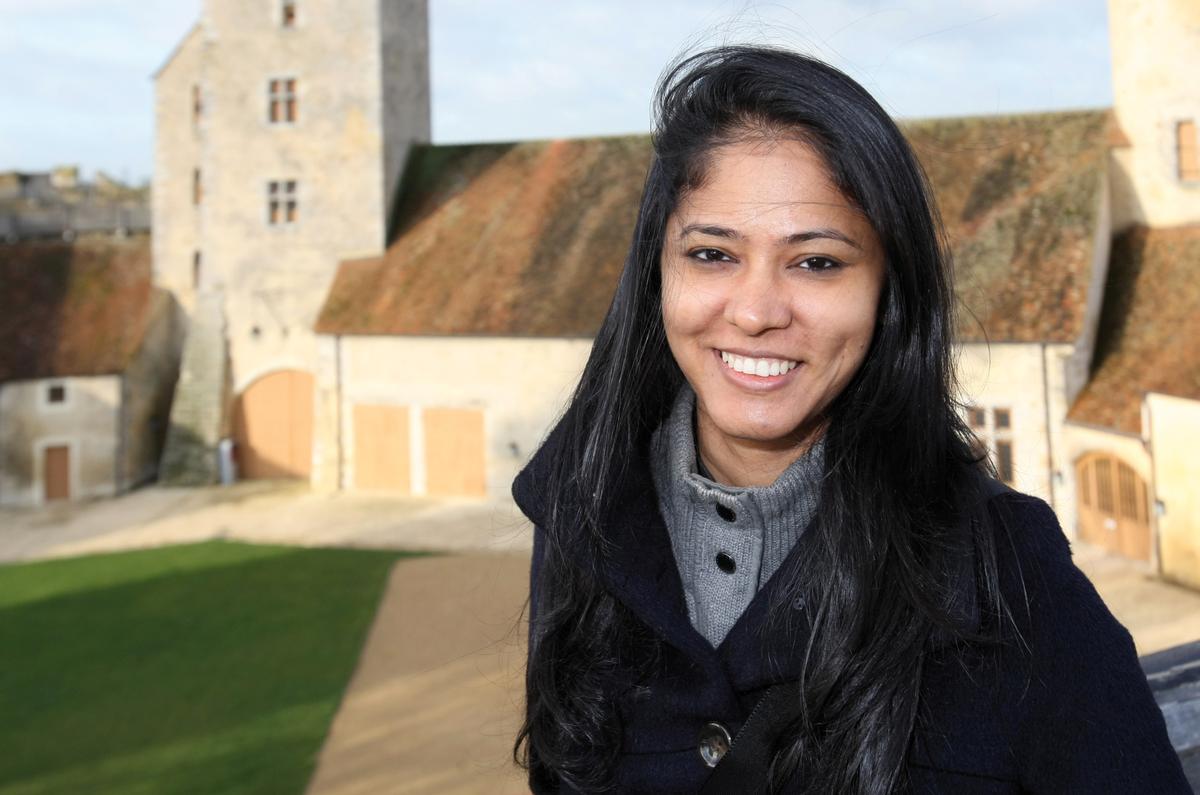
Artist Shilpa Gupta.
| Photo Credit:
Special arrangement
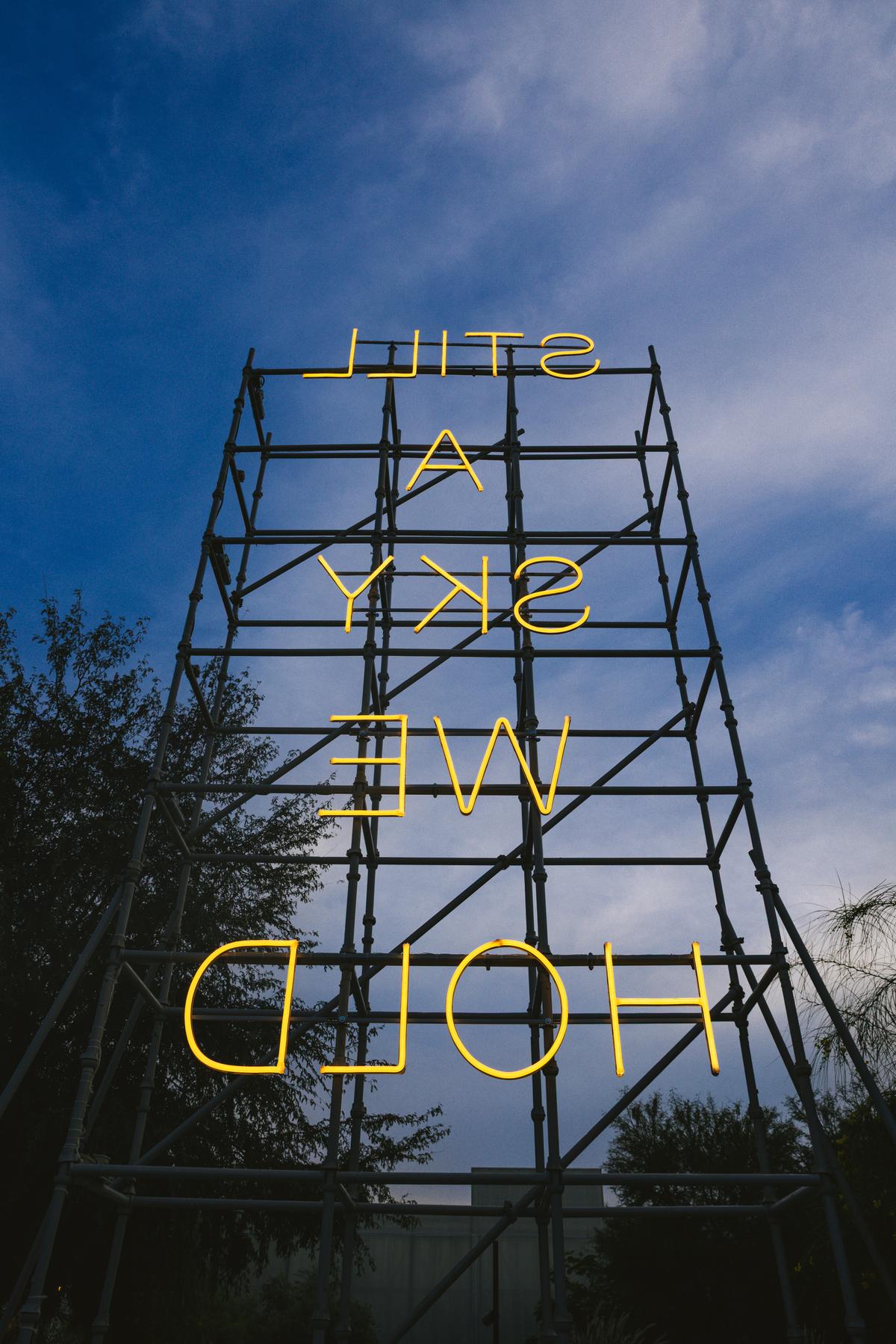
Installation view of Shilpa Gupta’s Still A Sky We Hold, 2026.
| Photo Credit:
Courtesy Alserkal and the artist
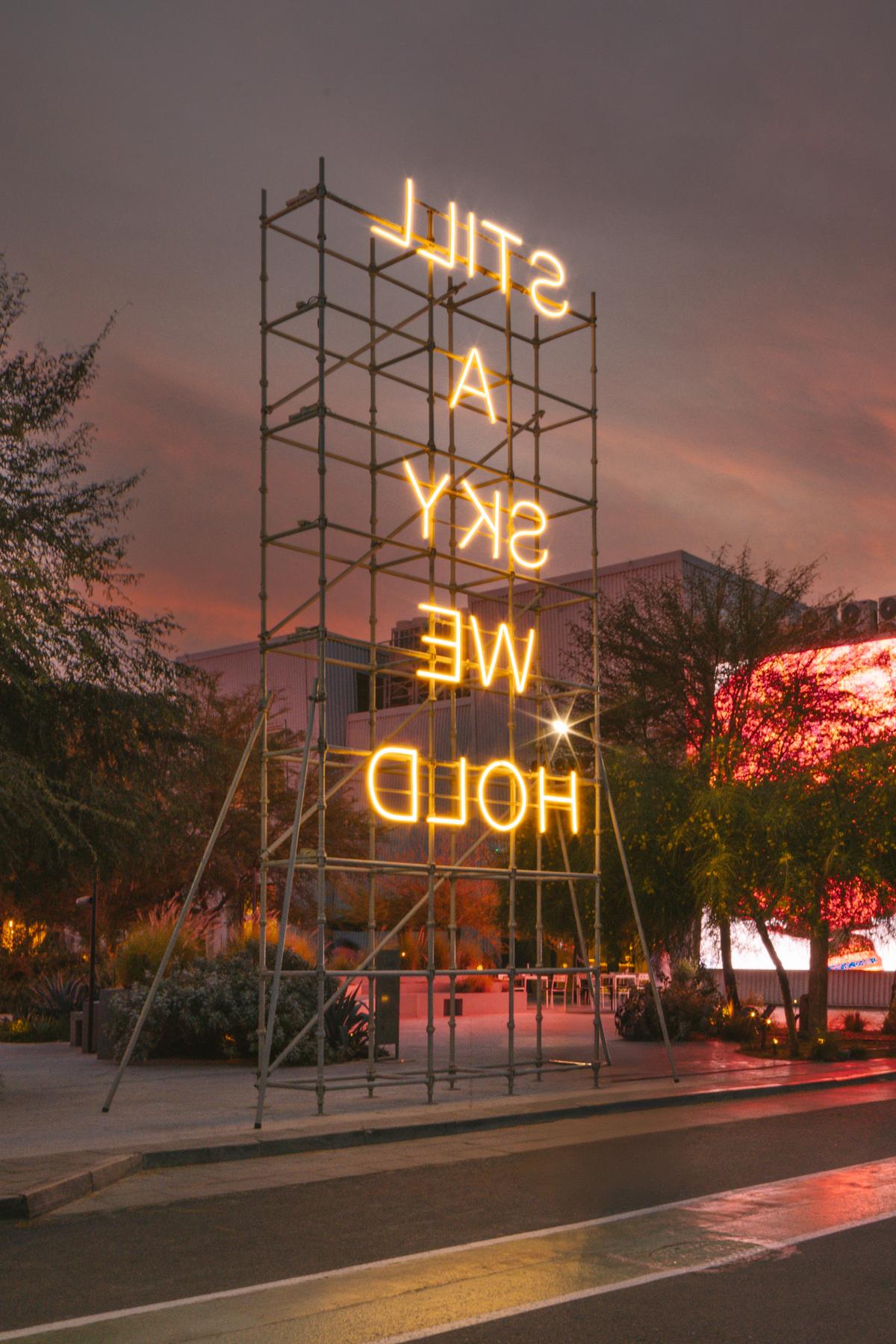
Installation view of Shilpa Gupta’s Still A Sky We Hold, 2026.
| Photo Credit:
Courtesy Alserkal and the artist
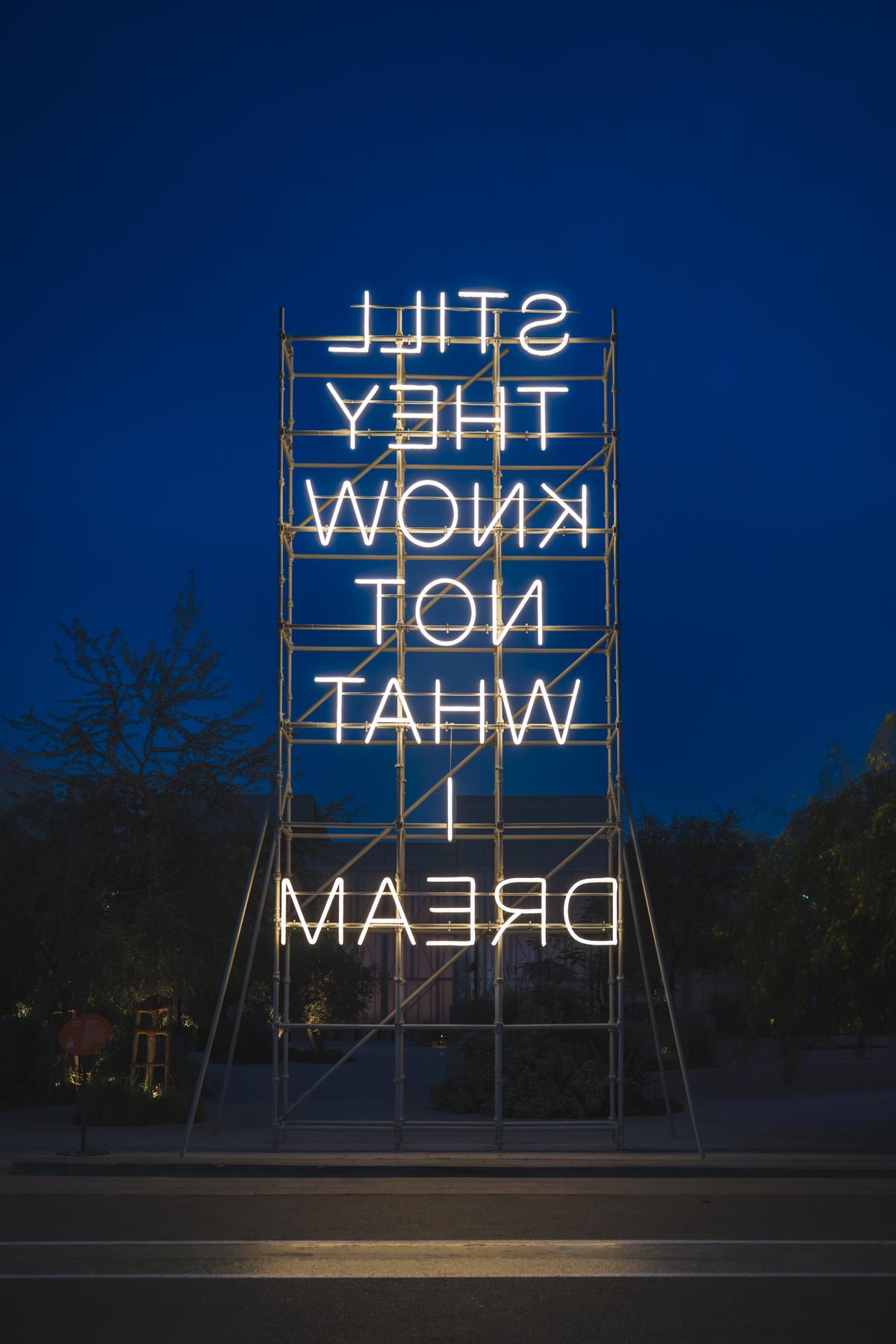
Installation view of Shilpa Gupta’s Still They Know Not What I Dream, 2025.
| Photo Credit:
Courtesy Alserkal and the artist
Using mirrored surfaces, illuminated text and spatial reflection, the work invited viewers to move around it in order to read and understand its message. The repeated use of the word “still” became both a visual pause and an emotional proposition — suggesting endurance, uncertainty and persistence all at once.
“The work also speaks to borders, belonging, language and mobility,” Gupta says. “These are questions that resonate naturally in Dubai, a city shaped by migration and layered identities.”
Art speaks quietly
Art Dubai’s evolution is, perhaps, most visible in its programming. Increasingly, the fair operates less like a marketplace and more like a cultural ecosystem. One where exhibitions, screenings, performances and conversations unfold in dialogue with one another, supported by a growing network of patrons, institutions and cultural partners across Dubai.
One of this year’s strongest examples was Moving, a moving-image programme developed with Alserkal Avenue. Featuring works by 13 artists across experimental film, animation and documentary practices, the programme extended the fair beyond its physical venue and into the city’s wider cultural landscape.
As Dubai’s skyline continues to evolve outside, the works inside — from Shetty’s layered meditations on memory to Gupta’s reflections on language and belonging — offer something harder to quantify, and perhaps more necessary in times of conflict: space to think, to question, and to connect.
The writer is a Delhi-based journalist and editor.