





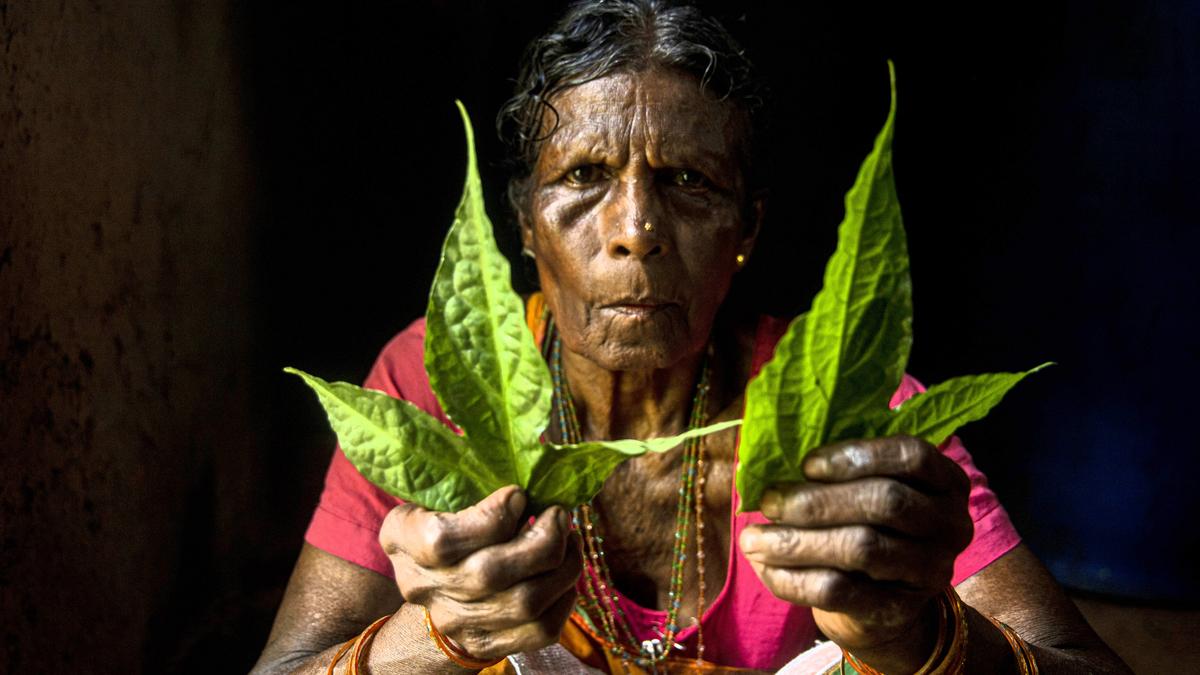
What photographer Assavri Kulkarni leant from some of Goa’s last foragers
Just over 18 months ago, photographer Assavri Kulkarni’s days began early. By 3 a.m., to be exact. She would dress in sturdy clothes, heft her 10-kg tripod, lights, and DSLR camera, and travel two hours by car to northeast Goa, to the edge of the deep forests of the Western Ghats. There, she would meet a couple of tribal women in their 70s and 80s and trek for hours, braving leeches and wild encounters with bears and snakes — all to search for and document seasonal foods of the forest.
“Sometimes I felt like I would not come back,” shares Kulkarni, as she talks about the days of gruelling research she did for her passion project, Forest Recipes of Goa – Stories of Tribal Food. The 119-page photo book has 65-odd ingredients and recipes, and was published earlier this year by the Goa Forest Development Corporation.
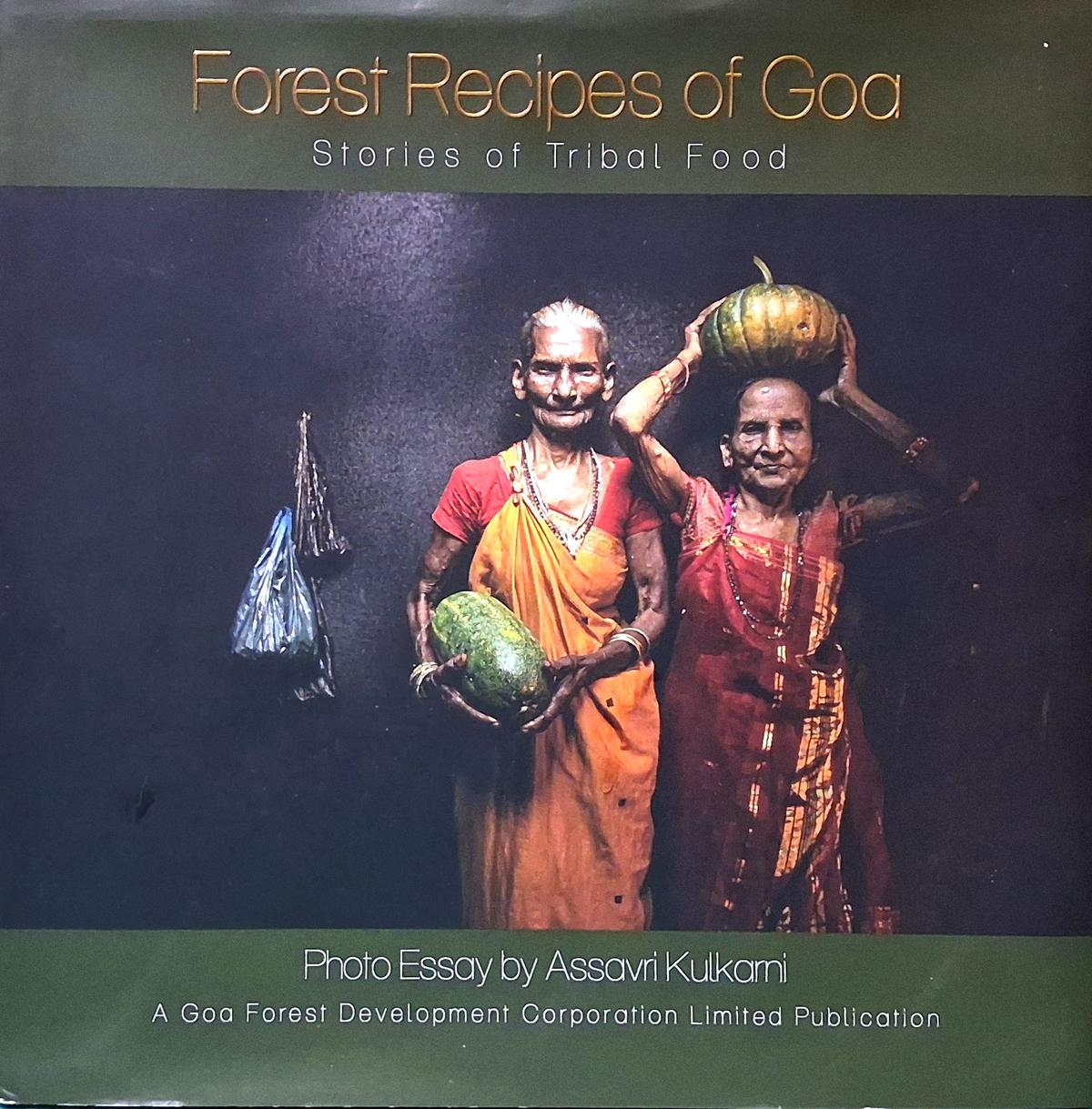
Forest Recipes of Goa – Stories of Tribal Food
Armpit mushrooms and fermented jackfruit
Kulkarni says while she spent around a year and a half documenting forest food, her quest had begun over a decade ago when she met Subhadra Gaonkar from the Kshatriya Gaonkar Samaj (a warrior-agricultural community in Goa), who told her about kakhetli almi or armpit mushrooms. Also known as sondaye (Termitomyces cantoniensis), these wild-foraged mushrooms are collected from the forests of Chorla Ghat, wrapped in a leaf, sprinkled with salt and placed under the arm, where it ‘cooks’ using body heat. “I was blown away when I heard that something could be cooked with body heat,” she says. The ancient technique was used by forest dwellers when they had to trek for miles together.
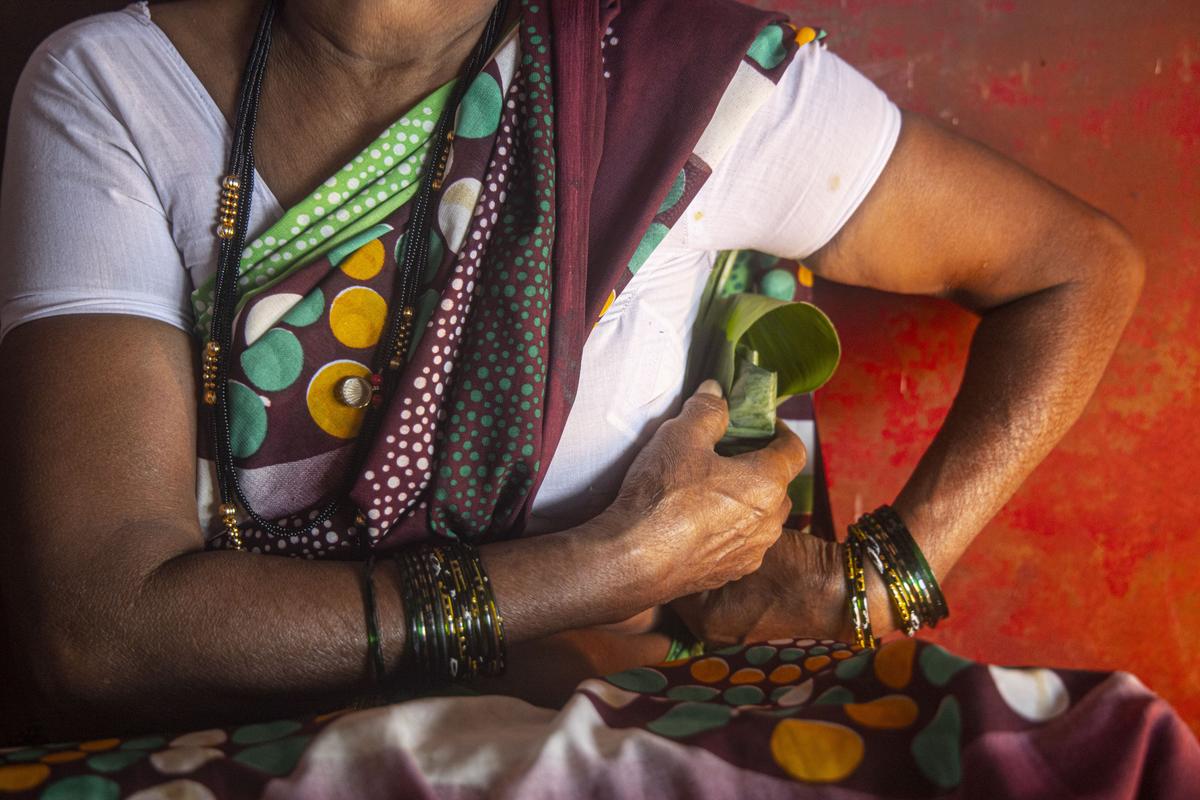
Subhadra Gaonkar demonstrating armpit mushrooms
The book is a treasure trove of such ingredients. I come across bamboo rice, which is foraged in the villages of Canacona taluka when the bamboo flowers, the leaves of the grey mangrove (Avicennia marina) that communities living near estuaries use as a substitute for salt and as an electrolyte. There are also ingenious techniques such as fermenting jackfruit bulbs in salt, which can be stored for years, and is only eaten when the women of Sattari taluka are fasting for a festival or ritual. “I have eaten a bulb that is around a decade old,” says Kulkarni. “They stir-fry it and eat it with tea. This fermented food is also given to the sick.”
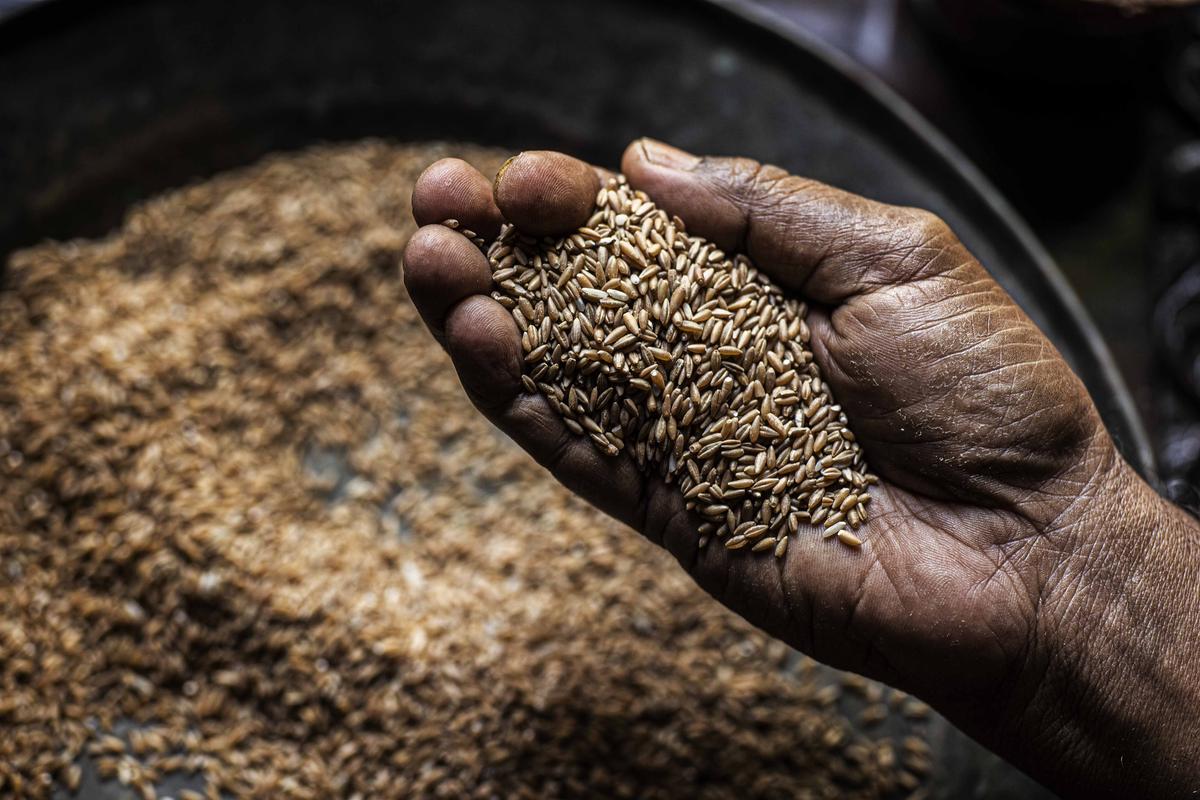
Bamboo rice
Foods of ritual
Many of the ingredients and recipes are associated with rituals. Devache pole is a special pancake made with rice flour and wood ash in Sattari for Aitar puja, to worship the sun god, during the month of Shravan (dedicated to Lord Shiva). The addition of ash can be traced back to local lore. The story goes that when the God once visited the village, a woman had nothing to offer him. So, he asked her to look at the ash around her, thus starting the tradition. “This dish is eaten only during the monsoon as the ash has alkaline properties,” shares Kulkarni.
The Velip Gaonkar in Canacona make a vegetable dish that is cooked by the men of the community, on the new moon day after Ganesh Chaturthi. “It is known as shaak or ushtan, and they use both foraged and cultivated vegetables. The men and women go to work only after they’ve offered the dish to the Bhoomi Purush [a local guardian spirit],” adds Kulkarni.
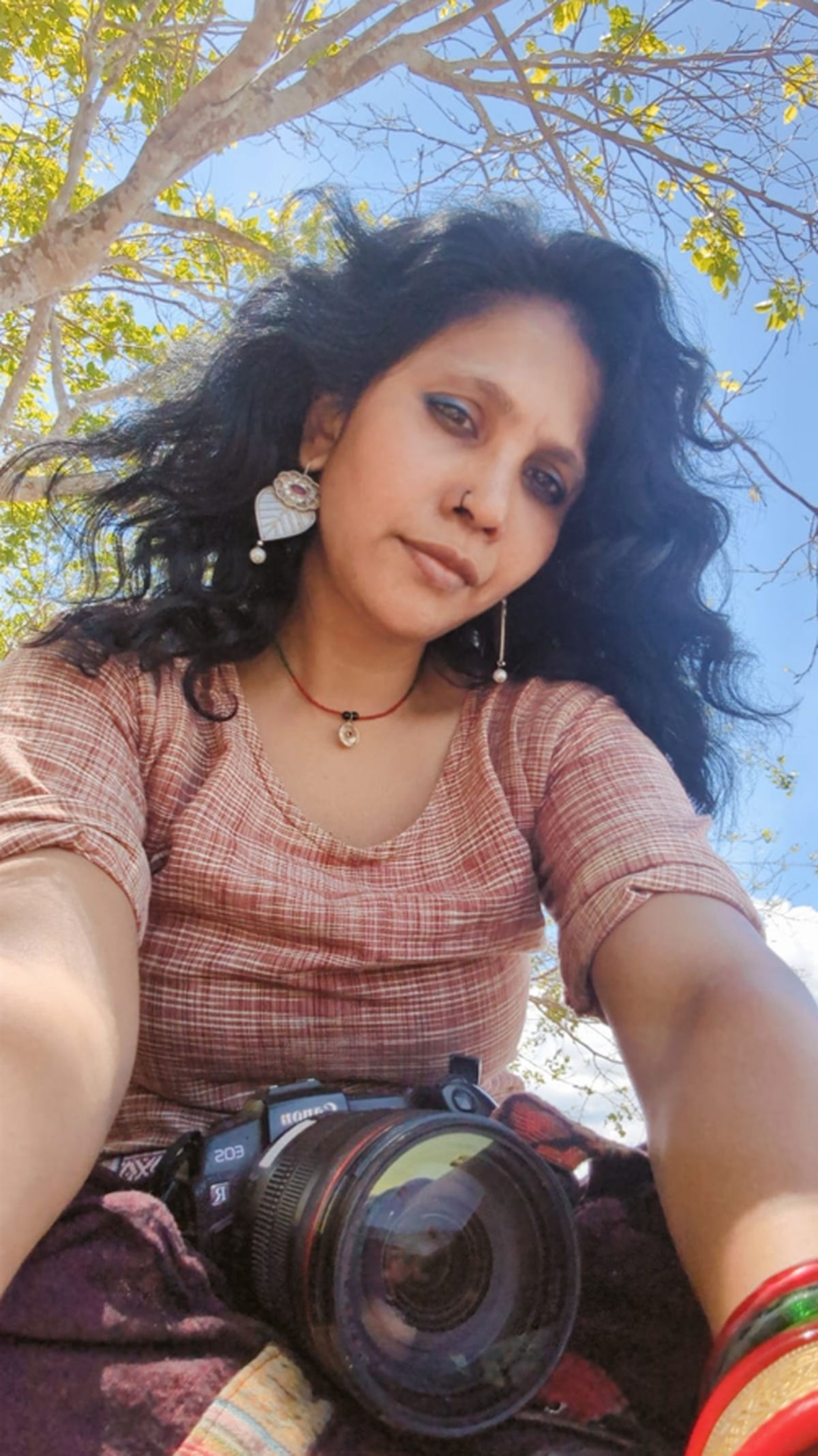
Assavri Kulkarni
Showcasing indigenous stories
The foragers featured in the book — from communities such as Velip, Dhangar, Kunbi, and Gawda — consider the forest as a sacred space. “Women do not enter the forest when they are menstruating,” says Kulkarni, adding that they also offer something to the forest every time they enter it, be it snake skin, a stone, or a tooth to appease the gods and ask them for protection.
The people are also in the autumn of their lives, probably the last generation who will forage in these forests. “The younger generation is not interested; they have migrated to the cities. Also, access to core areas is restricted now, and the weather has become very erratic,” she says.
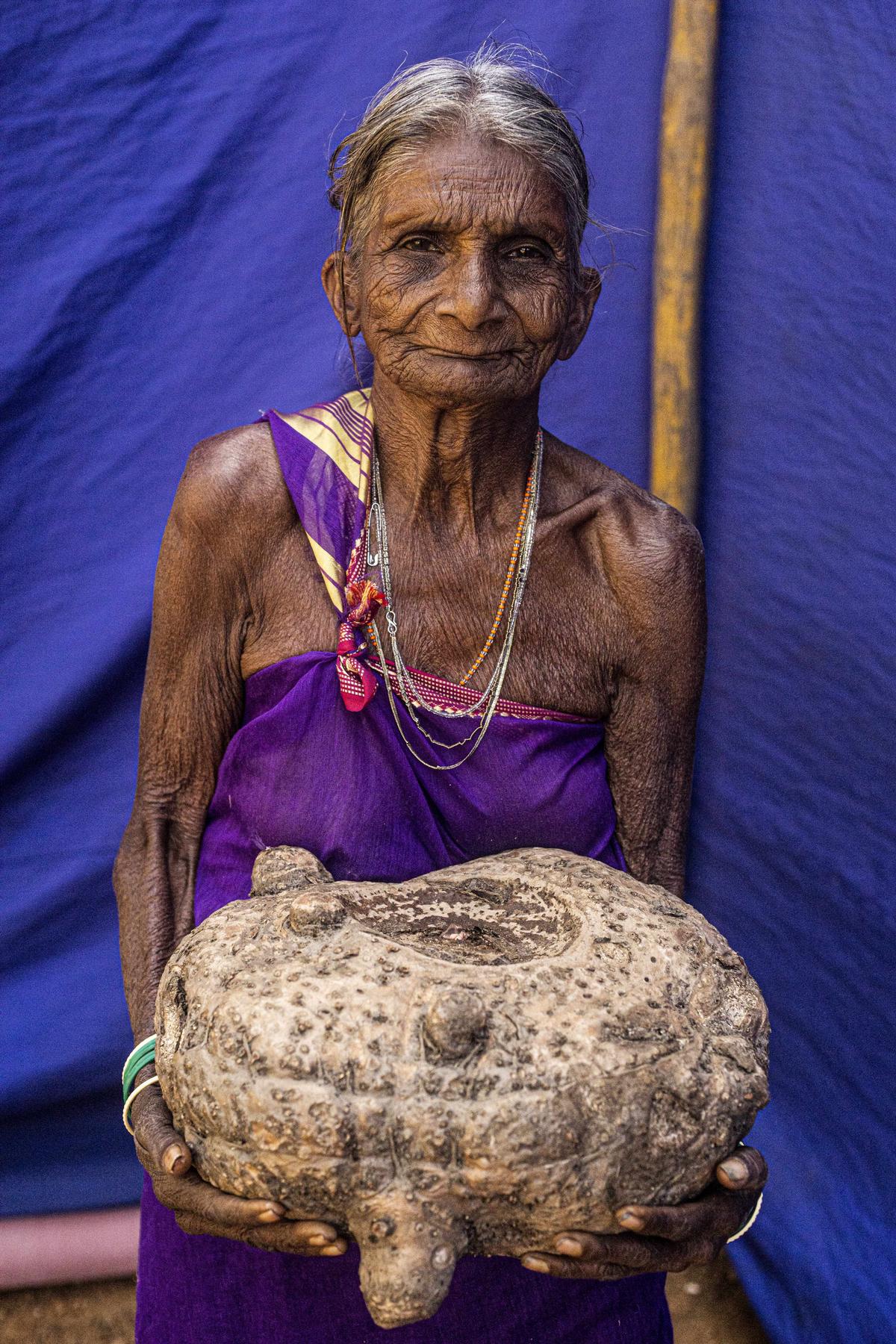
Savitri Gowde from Canacona with elephant foot yam
This is not the first time that Kulkarni has photographed the forests and its people. But, she admits, this time it was more intimate. Kulkarni explains that she was very conscious of the fact she did not want to objectify them. “I wanted to [learn about them], look at them with pride. So, I never started my shoot immediately. I would share a meal, have long conversations,” she says.
With this project, Kulkarni’s relationship with the forest has also evolved. “I wanted to tell the stories [of its children] before they are forgotten, and I also wanted to showcase the indigenous, non-Brahminical culture of Goa, where nature is worshipped,” she says, adding that the experience taught her to respect the forest and not to take it for granted.
The Goa-based freelancer writes on art, culture and ecology.
Published – May 21, 2026 06:48 pm IST