




Waiting for the storm: On weather events, India’s vulnerability
Late last week, a pacy pre-monsoon weather system barrelled into Uttar Pradesh, bringing a compound of thunderstorms, dust storms, lightning, heavy rain, and thundersqualls to multiple districts at once. By May 14, the toll was 111 deaths and 72 injuries across 26 districts, rendering the storms among the deadliest weather-related disasters in Uttar Pradesh in recent times. The State has experienced similar weather events in May-June since 2018, if not before. The distinction this year seems to have been the intensity, with winds capable of uprooting trees. The storm appears to have been driven by a pre-monsoon convective system, with a fresh western disturbance over the northwest further destabilising conditions. The India Meteorological Department (IMD) had issued thunderstorm and lightning alerts before the event and the Uttar Pradesh government reportedly issued more than 34 crore red and orange alert messages via the SACHET portal. However, it is not clear whether these warnings were sufficiently geographically precise or reached their intended beneficiaries in time — and in fact if they simply warned of impending adverse weather or carried instructions for people to act on.
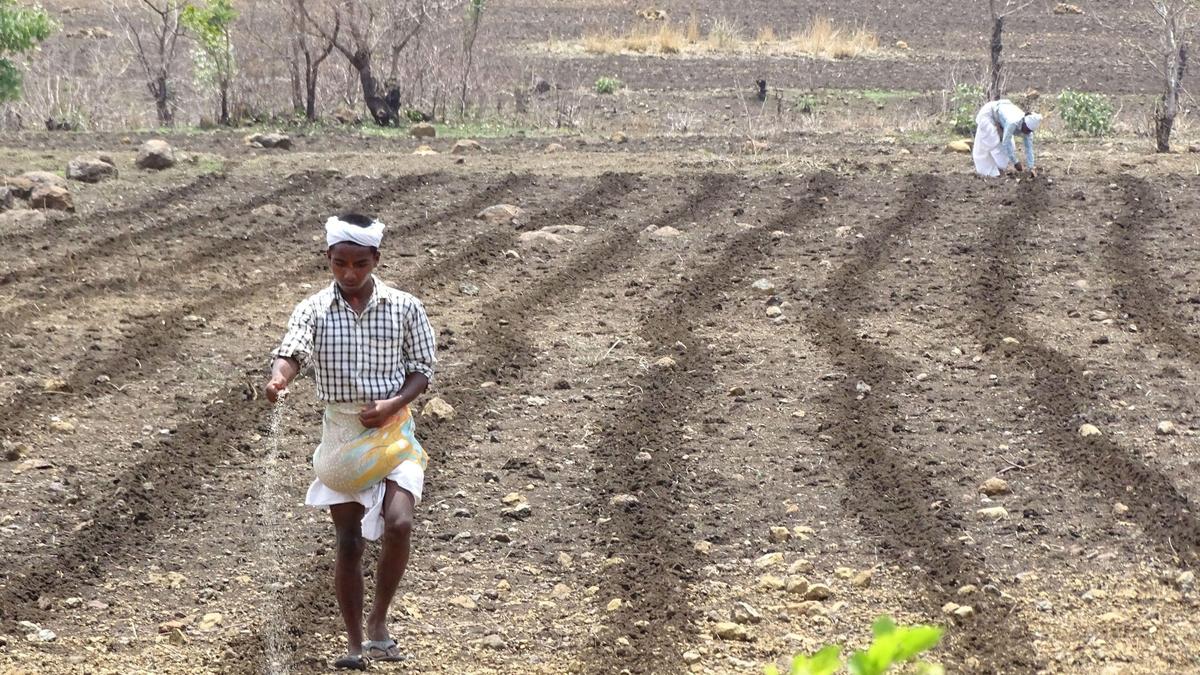
Indeed, advance preparation is pertinent for two reasons. The State is sometimes in a convergence zone as the hot, dry, ‘loo’ winds from the Thar move east over the plains while moisture-laden winds from the Bay of Bengal push in from the southeast. Second, over the undulating Vindhya hills in Mirzapur and Sonbhadra, the convergent air masses may lift rapidly, producing thunderstorms over specific parts of the State. Effectively, while no authority could have predicted the storms’ local intensity, the underlying risk was hardly unforeseeable. Their recurrence at this time of the year and place should raise sharp questions about why so many deaths still occurred. Part of the answer is surely the proximate causes of death and damage, including housing and public infrastructure. Uttar Pradesh has a large number of structurally vulnerable rural and peri-urban households. If a storm strikes at dusk or later, people are often indoors or resting under fragile roofs. In addition, people are also vulnerable to improperly placed or poorly installed hoardings, electrical wiring, and public signage. The State was aware of the kinds of damage such storms could cause as it announced separate relief packages depending on the type of farming, crop, and loss. The underlying risk was foreseeable, yet the vulnerability was high.
Published – May 19, 2026 12:10 am IST