

Trade unionists and stories beyond labour rights
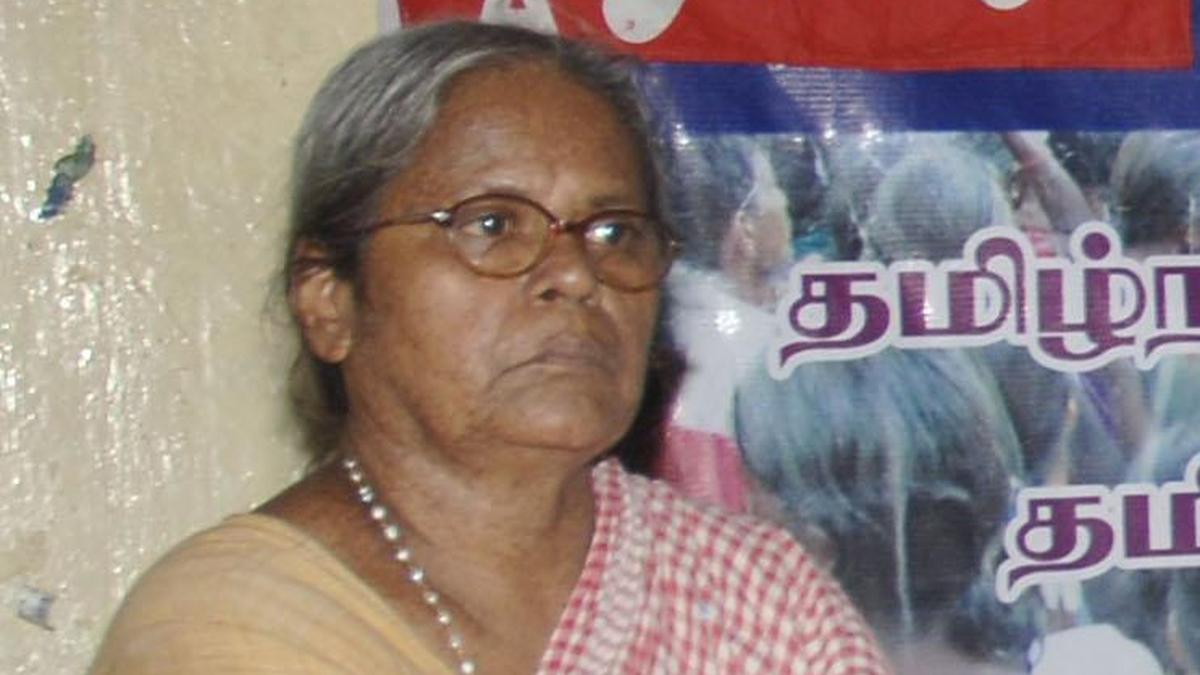
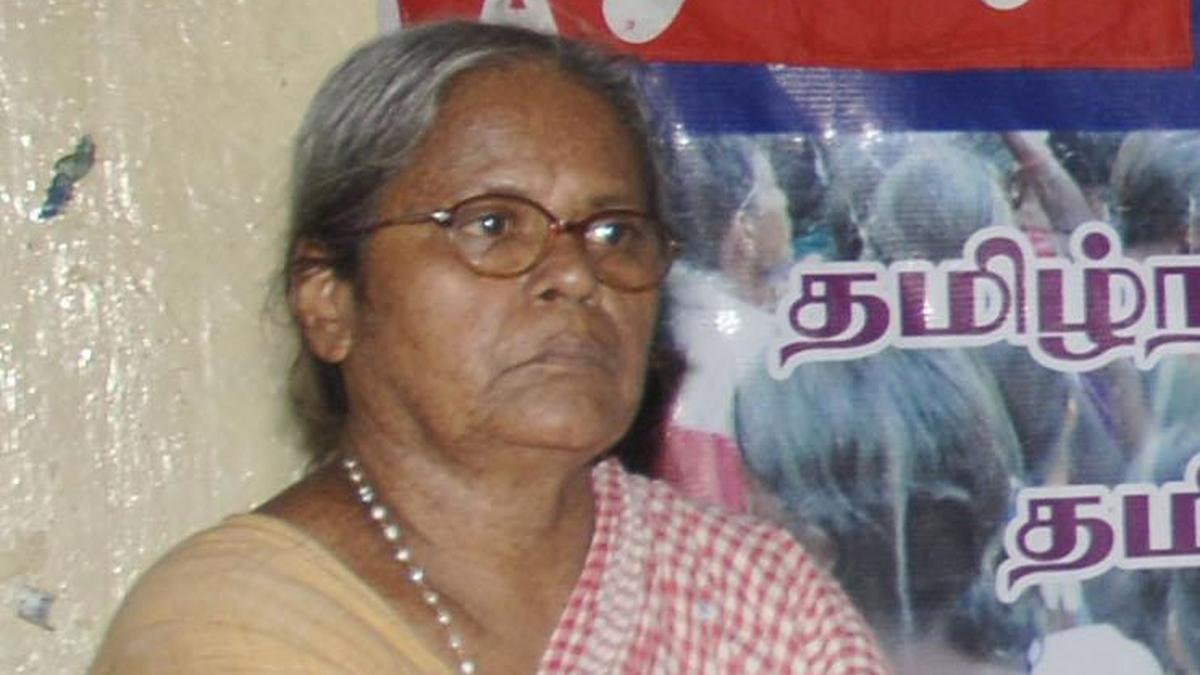
‘Regardless of which party was in power, R. Geetha of the Unorganised Workers Federation was focused on foregrounding workers’ rights.’ File
| Photo Credit: The Hindu
When I first met Bala Tampoe at his sea-facing office in Colombo, my aim was simply to get a perspective on the labour conditions in Sri Lanka from a senior trade unionist. He was 91 then and had led the Ceylon Mercantile Union (CMU) as its General Secretary for 65 years. He spoke at length on the history of the island’s labour movement, and about his own journey and disillusionment with the Trotskyist Lanka Sama Samaja Party (LSSP). He took me through historic moments such as the Hartal of 1953 and the systemic attack on labour rights after economic liberalisation in 1977.
“Comrade Bala”, as he was widely known, was fiercely critical of the Mahinda Rajapaksa administration’s militarised response to the residents of Weliweriya — located in Colombo’s neighbouring Gampaha district — who were protesting for clean drinking water. Army personnel opened fire and at least three residents were killed. “In this country if you block a highway even for the most elementary reasons, the penalty is death!” he told me in that interview. I understood the import of his point on military violence in the country’s Sinhala-majority south, when Mr. Rajapaksa lost the presidential election in January 2015, after a decade in power. He was defeated not only because minorities rejected him, or because the opposition had wide appeal. In that significant election in post-war Sri Lanka, many within the Sinhalese community had decided they were done with the leader they once backed unconditionally. In retrospect, I felt Mr. Tampoe had begun reading that sentiment in 2013. He passed away in September 2014.
Published – May 01, 2026 12:38 am IST