




The alarming rise of medicalisation in India
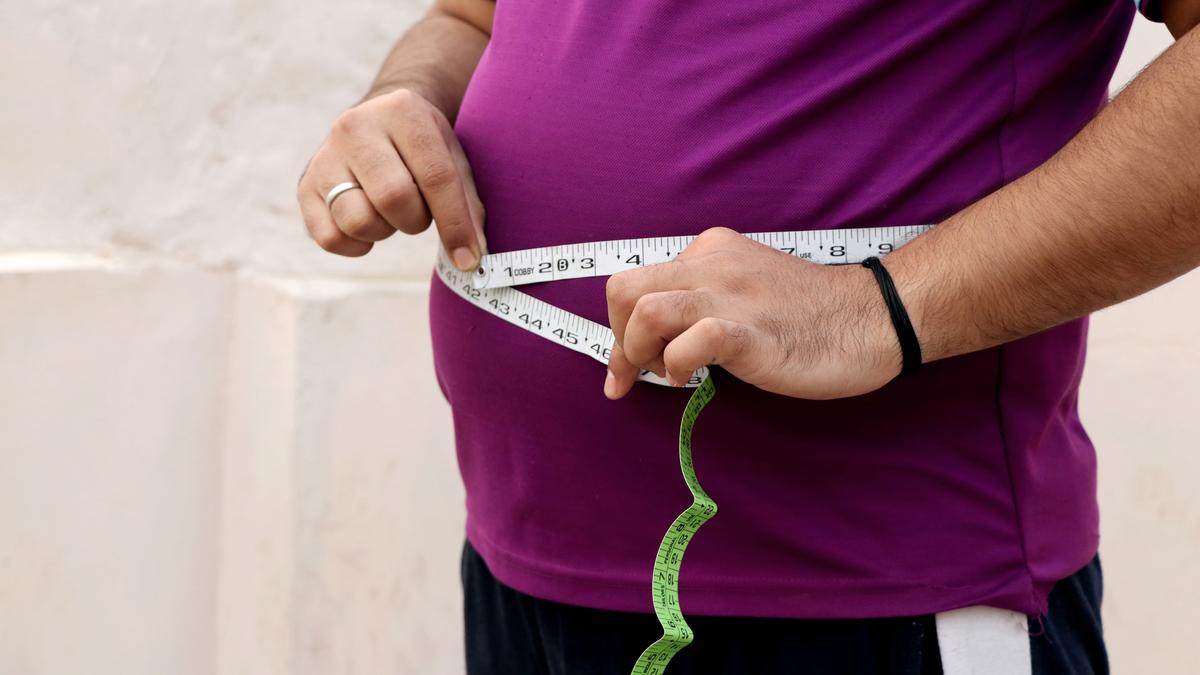
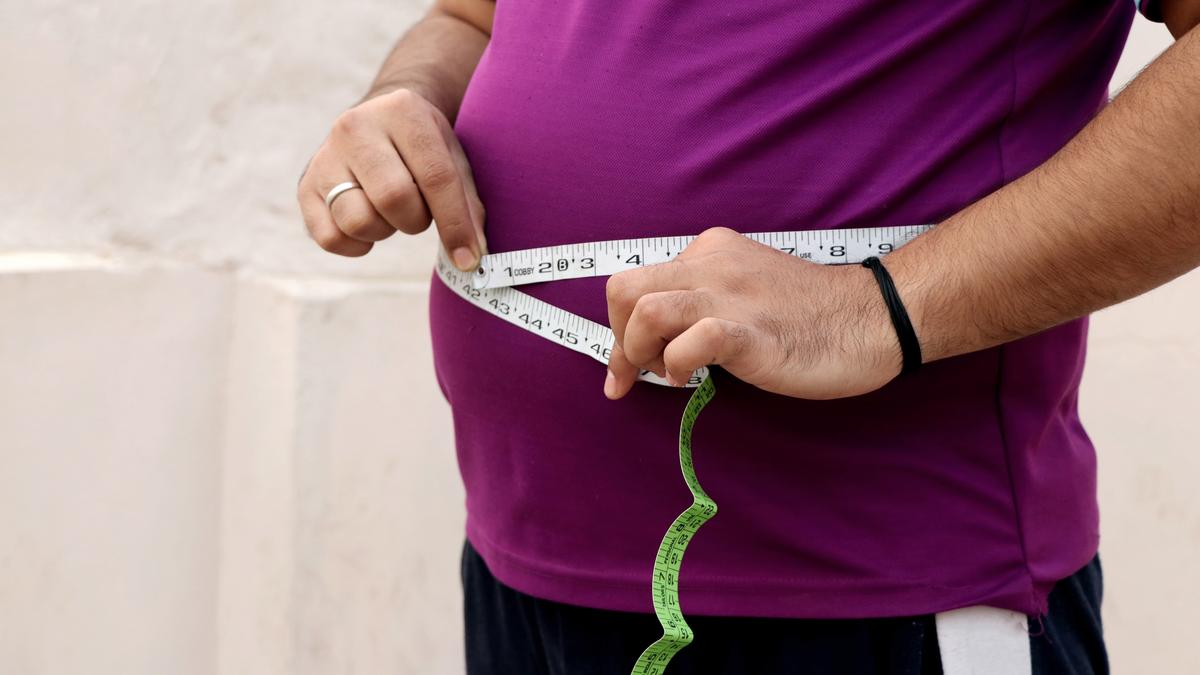
India today faces a mounting burden of obesity and associated metabolic conditions such as diabetes, hypertension, fatty liver disease, and dyslipidaemia.
| Photo Credit: Getty Images/iStockphoto
The recent announcement by Air India, hinting at possible pay cuts or even de-rostering for crew members with a higher Body Mass Index (BMI), may, at first glance, appear to be a prudent and well-intentioned step toward ensuring fitness and operational safety. Aviation, after all, is a profession where physical readiness is essential. Yet, the timing of this decision —coinciding with the week an anti-obesity drug, semaglutide, went off patent and nearly 40 products entered the Indian market— signals something deeper.
India today faces a mounting burden of obesity and associated metabolic conditions such as diabetes, hypertension, fatty liver disease, and dyslipidaemia. Nearly a quarter of Indians are overweight or obese. One in 10 adults live with diabetes, one in three with hypertension, and a substantial proportion has fatty liver disease. Even more concerning is the rapid rise of obesity among children. The causes, which are neither obscure nor debated, include the proliferation of ultra-processed or high fat, salt and sugar-content foods, and increasingly sedentary lifestyles shaped by urban work patterns, shrinking open spaces, chronic stress, alcohol consumption, and inadequate sleep. Compounding this is a genetic predisposition among Indians and South Asians toward excess body fat despite a seemingly lean appearance — the so-called “thin-fat” phenotype.
Published – April 15, 2026 02:04 am IST