



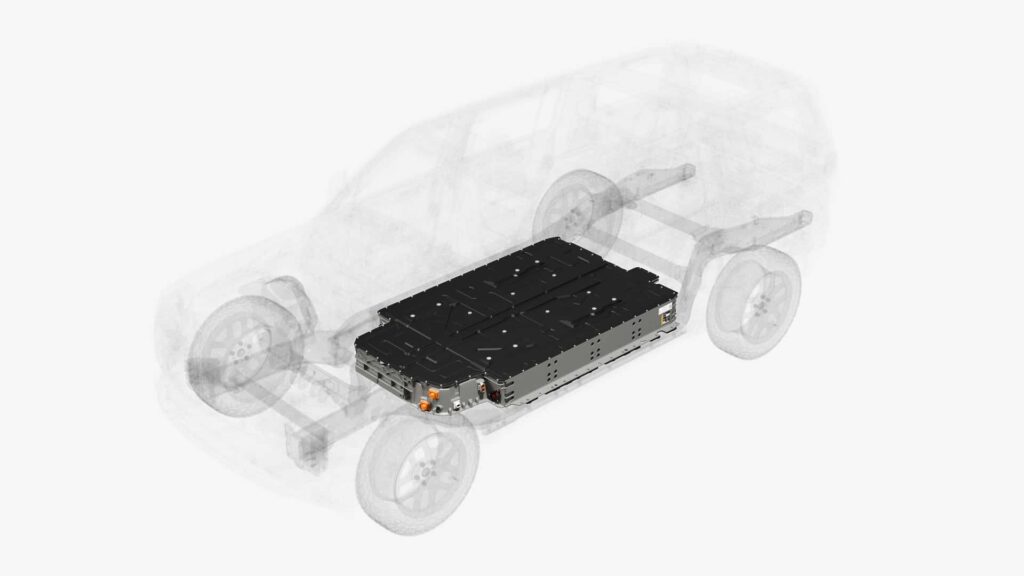
Rivian’s Factory Will Run On Its Own Used EV Batteries

- Rivian struck a deal with Redwood Materials, the battery-recycling startup, to use second-life packs at its factory.
- The installation at Rivian’s Normal, Illinois, plant will use more than 100 recycled Rivian battery packs.
- It will initially provide 10 megawatt-hours of energy storage.
In something of a full-circle moment, Rivian’s factory in Illinois will soon be powered by old Rivian battery packs.
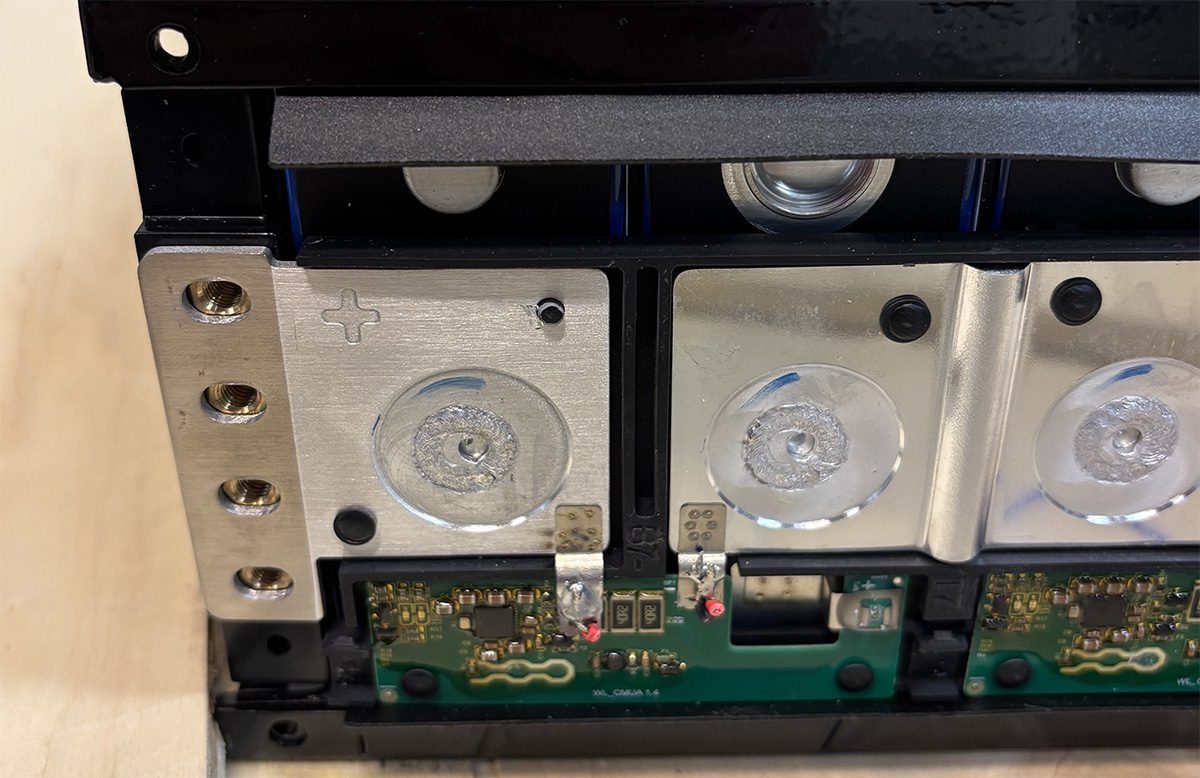
On Tuesday, the EV startup announced a deal with the battery-recycling firm Redwood Materials that will result in an initial 10 megawatt-hours of stationary energy storage at its plant. Rivian will provide Redwood with more than 100 second-life battery packs. Redwood will turn those into a stationary storage installation that can help reduce Rivian’s energy costs during times of peak demand, the companies said in a press release.
“EVs represent a massive, distributed and highly competitive energy resource,” Rivian founder and CEO RJ Scaringe said in a statement. “As energy needs grow, our grid needs to be flexible, secure, and affordable. Our partnership with Redwood enables us to utilize our vehicle’s batteries beyond the life of a vehicle and contribute to grid health and American competitiveness.”
Studies have shown that EV batteries don’t actually degrade all that quickly. But even an EV battery with half or three-quarters of its original capacity can be valuable for stationary storage. It may not have enough range for use in a car, but it also may have enough juice left that it wouldn’t need to be broken down and recycled yet. For this exact reason, Redwood launched its Redwood Energy business last June.
“As more batteries reach end-of-life, we’re discovering that many still retain more than 50% of their usable capacity—enough to be put back to work before recycling,” the company said at the time. “Redwood Energy is our solution: a platform to repurpose these battery packs into low-cost, large-scale energy storage systems that fill a critical gap in today’s power landscape, while maximizing their value between recovery and recycling.”
The Rivian deal comes as the EV and battery storage worlds converge in new ways. Automakers have pulled back their electric-car production plans, creating excess capacity for batteries. Car manufacturers and battery makers are directing the extra supply toward stationary storage systems, which are in high demand due to the rise of power-hungry AI data centers.
Last summer, Redwood struck a deal with General Motors to source both new and second-life battery packs for its new energy business. In December, Ford announced a new stationary energy storage unit that would “leverage currently underutilized electric vehicle battery capacity” starting in 2027. Its Kentucky battery factory will make prismatic lithium iron phosphate cells and package them into 20-foot containers.
Contact the author: Tim.Levin@InsideEVs.com