



The Adani case explained: solar contracts, U.S. charges and settlement moves
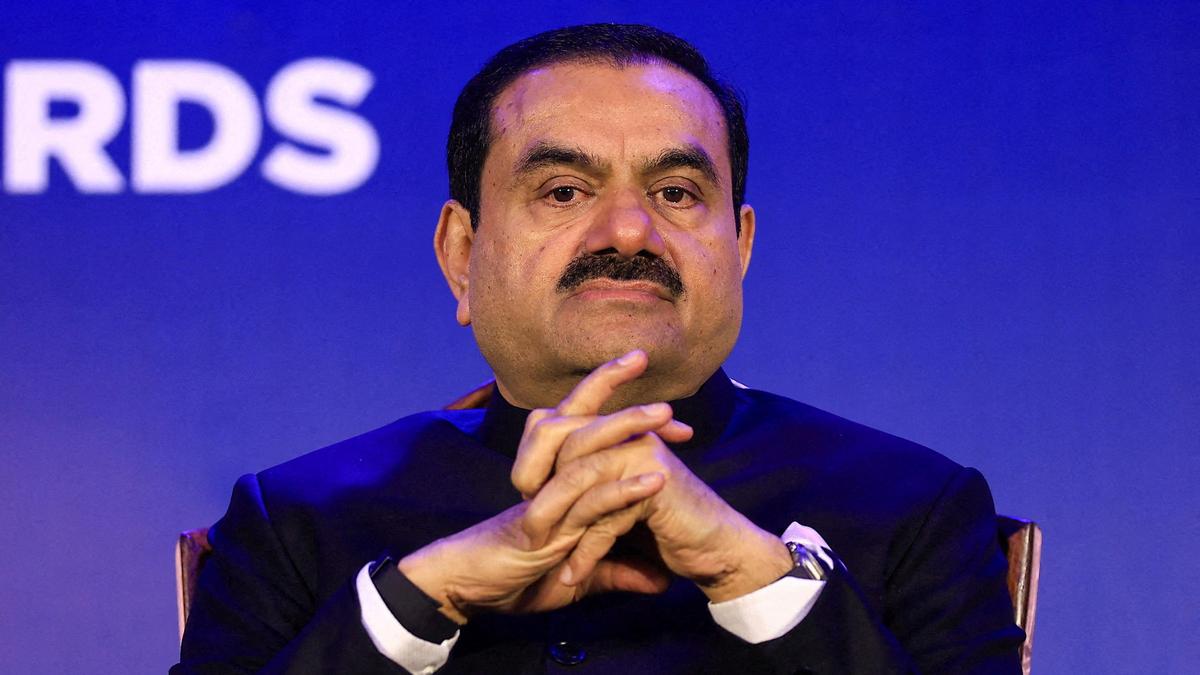
What began as an ambitious renewable energy expansion by Adani Group evolved into one of the most closely watched corporate corruption investigations involving the 62-year-old Indian billionaire and the Chairperson of Adani Group in recent years.
U.S. prosecutors alleged that executives linked to the group orchestrated a multimillion-dollar bribery scheme to secure solar power contracts in India and later concealed those payments while raising funds from international investors.

The case triggered criminal and civil proceedings in the United States, rattled global markets, intensified scrutiny of corporate governance at the Adani Group, and sparked political debate in India over the relationship between private conglomerate and state power.
Now, after nearly two years of legal escalation, the case appears headed toward resolution through negotiated settlements rather than a courtroom trial.
How the Alleged Scheme Began
According to the U.S. Department of Justice, the case dates back to 2020, when Adani-linked renewable energy companies were aggressively expanding their solar power footprint across India.
In early 2022, the U.S. Securities and Exchange Commission (SEC) alleged that Gautam Adani and his nephew Sagar Adani orchestrated a scheme involving massive bribes to Indian government officials to secure solar energy contracts.
According to the SEC, during the alleged scheme, Adani Green raised more than $175 million from U.S. investors, while Azure Power remained listed on the New York Stock Exchange.
The allegations generated significant political controversy, particularly over the approval of energy procurement agreements.
Why the United States became involved
A major question surrounding the case was why American authorities were investigating conduct that allegedly took place largely in India. According to prosecutors, Adani-linked entities raised billions of dollars from overseas investors, including investors in the United States, while allegedly making misleading disclosures regarding anti-corruption compliance and business practices.
That gave U.S. authorities jurisdiction under securities fraud and wire fraud laws. Prosecutors argued that American investors and financial institutions had been exposed to risk through allegedly misleading representations.
As a result, the case evolved from an anti-corruption investigation into a broader securities and investor-protection matter.
The 2024 Indictment
On October 24, 2024, U.S. federal prosecutors in the Eastern District of New York quietly filed a sealed indictment against several individuals connected to the alleged scheme.
Later, on November 20, 2024, the SEC unsealed criminal charges against Gautam Adani, Sagar Adani, and others associated with Adani Green and Azure Power operations.
The charges included securities fraud, wire fraud conspiracy, obstruction-related allegations, and accusations of concealing bribery arrangements from investors.
Delay in Serving SEC Notice and India’s Position
One of the lesser-discussed but politically sensitive aspects of the case involved delays in serving legal notices from U.S. authorities to Adani executives in India.
The SEC informed a U.S. court that it was attempting to serve summonses through India’s Ministry of Law and Justice under the Hague Service Convention, an international framework used for cross-border legal notifications.
However, the process reportedly moved slowly for months, leading to criticism from opposition parties and governance activists, who questioned whether Indian authorities were being overly cautious in facilitating the proceedings.
Read: Adani Green scraps USD 600 million bond sale after promoter charged in alleged bribery case in U.S.
The Indian government maintained that it was following established legal procedures and treaty obligations rather than intervening politically in the matter.
Officials repeatedly emphasised that the case was a legal dispute between U.S. authorities and private individuals, not an issue involving the Government of India directly.
Critics, however, argued that the absence of a strong domestic inquiry reinforced perceptions that the Adani Group enjoyed unusual political proximity to the ruling establishment.
Market Shock and Political Fallout
Adani Group companies witnessed sharp volatility in stock prices following the announcement of the indictment. The group companies lost nearly $27 billion in market cap following the alleged bribery case. Adani Enterprises fell nearly 23%, its worst one-day fall, in November 2024.
The case also deepened political tensions in India. Leader of Opposition Rahul Gandhi strongly criticised the government’s handling of the situation and called for the immediate arrest of Mr. Adani, while the ruling party dismissed the opposition’s uproar as politically motivated.
The Adani Group, however, consistently denied wrongdoing throughout the proceedings. Company representatives described the allegations as “baseless” and maintained that the group complied with all applicable laws and disclosure standards.
The Shift Toward Settlement
By early 2026, the proceedings, rather than accelerating toward a courtroom trial, had increasingly moved toward settlement discussions and procedural negotiations.
On May 15, 2026, Gautam Adani agreed to pay an $18 million settlement in a U.S. civil court case linked to corruption allegations, without admitting guilt, according to company statements.

According to Reuters, the U.S. Justice Department is also close to dropping criminal fraud charges against Gautam Adani.
Reuters further reported that Adani’s lawyer, Robert Giuffra, who also represents Donald Trump, told Justice Department officials during a presentation last month that Adani could not proceed with certain investments while the case remained active.
The possible dismissal of these charges would mark a major turning point in one of the most significant international corporate investigations involving an Indian business group.
Published – May 15, 2026 09:09 pm IST