



Shipping crisis exposes gaps in India’s maritime strategy
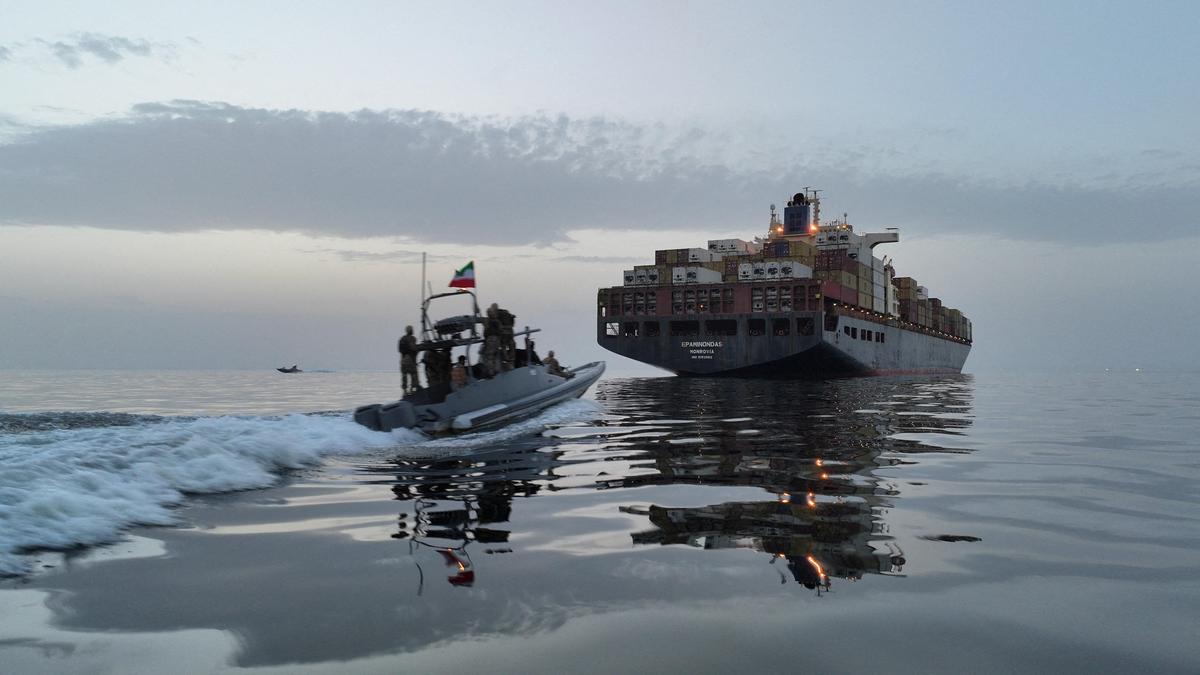
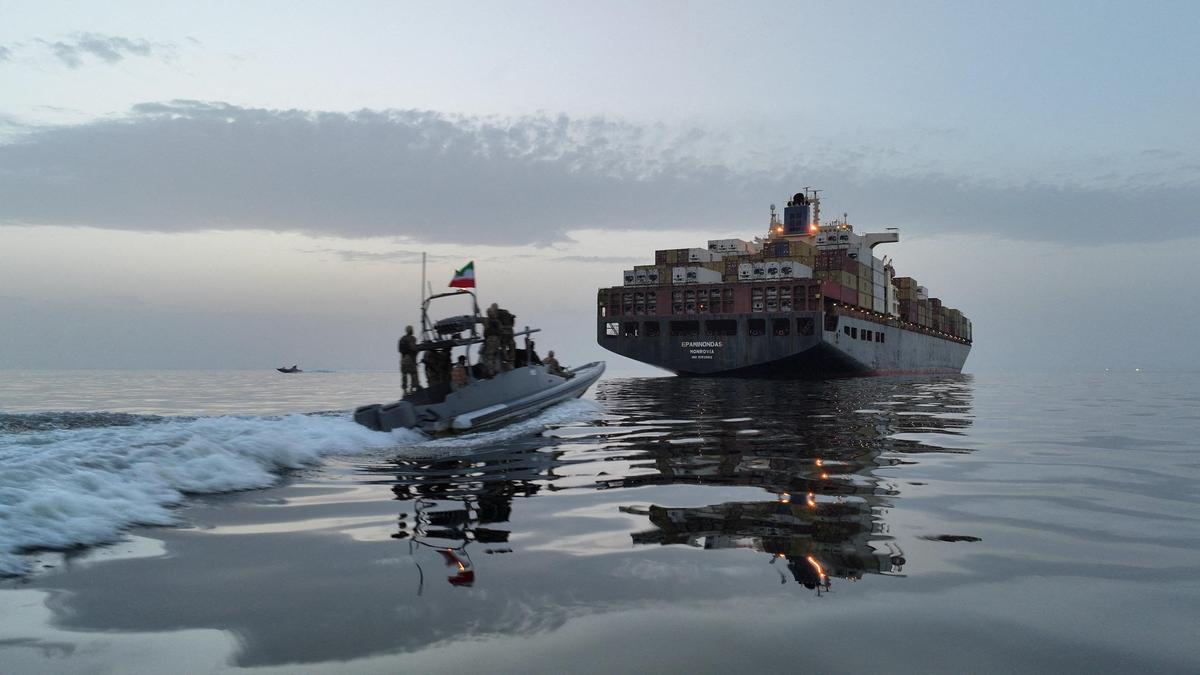
About half of India’s crude oil imports are on FOB terms and some 40% of LPG is carried by Indian-flagged carriers. (Representational Image)
| Photo Credit: Reuters
Industry leaders argue that the crisis underscores the urgent need for India to expand its national fleet. Anil Devli, CEO of Indian National Shipowners Association, emphasised that a portion of critical imports—such as crude oil, LPG, coal, and fertilizers—must be carried on Indian-flagged vessels. “Ships are needed today, not five or ten years later,” he said, advocating policies that encourage the acquisition of second-hand vessels to quickly build capacity.
A key structural issue lies in how India contracts its imports. A large share of cargo currently comes under Cost, Insurance, and Freight (CIF) terms, where the seller controls shipping. This limits opportunities for Indian shipowners. In contrast, Free on Board (FOB) contracts—where the buyer arranges transport—allow greater control over logistics and support domestic fleet growth.
Published – April 26, 2026 07:00 am IST