


Saif Ali Khan, Rasika Dugal and Manish Chaudhari on ‘Kartavya’ and telling stories with intent
Saif Ali Khan chooses to don an all-black outfit on a sunny summer afternoon as we sit down at the Netflix office in Mumbai for an interaction on his upcoming film, Kartavya. Making some inside jokes with his co-actors, Rasika Dugal and Manish Chaudhari, Saif takes a chair, while tossing around chirpy one-liners. He plays a cop in the upcoming film, completing a circle with Netflix as the streamer kickstarted in India with Saif donning the uniform in Sacred Games. The actor was excited by the international appeal of the platform when he was approached to play Inspector Sartaj Singh in the 2018 show.
“They had just made Narcosand the concept of doing a mafia show in your own language for an international audience was just enticing,” says Saif, as he mentions a scene in the series which involved finding a piece of paper in a cabinet consisting of three thousand files. “I hadn’t seen something like it in a normal commercial film. Its treatment was unique especially how Bombay was shot with the back streets full of rats, sewers and chaos.”
A gritty crime-drama, Sacred Games also defined the aesthetics of streaming in India. The genre itself is still popular on OTT, giving way to some tropes that have stayed along, most of them inspired by movies that came before. Like the thinking detective, sitting below a light with a cigarette in hand, which Saif finds interesting to watch in a crime-thriller. “I also like watching crime scenes where the cops are talking about other personal things while examining dead bodies. I have seen that in some films and would love to do a scene like that,” he says.
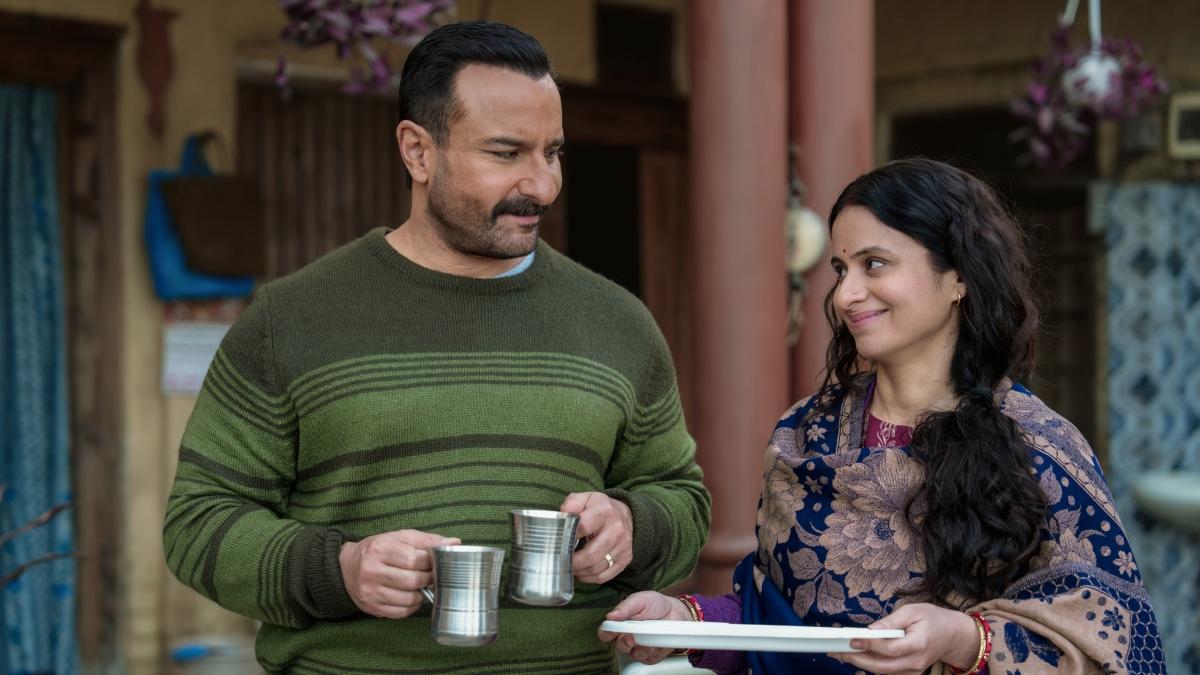
Saif Ali Khan and Rasika Dugal in ‘Kartavya’
| Photo Credit:
Netflix
Rasika finds red herrings fun to watch. “I like when something misleads you and you go on a trail and that is not the trail,” she says, as Manish pitches in, “I love those scenes where there’s a sound outside the door in the middle of the night. And you move towards the door with a gun and open it just slightly to check. I actually got to play that in Powder (2010).”
Manish plays a cop as well in Kartavya, helmed by Pulkit, known for directing the Bhumi Pednekar starrer, Bhakshak(2024). The filmmaker had initially offered the role of the antagonist in Bhakshak to Manish, who was hesitant to get into the darker shades of the character. “He does some horrible things in the film. I told Pulkit, ‘I am sorry, I have children’. So, he came back to me for Kartavya and said, ‘Now you can’t say no’. I was happy to do it this time,” Manish smiles.
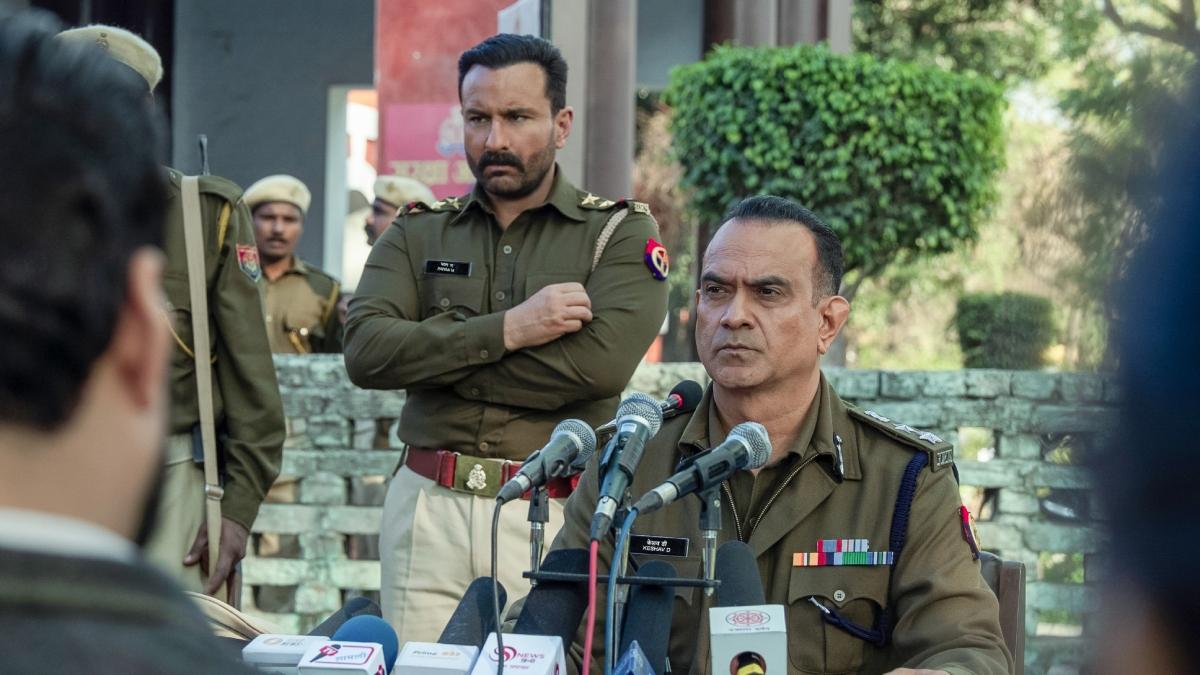
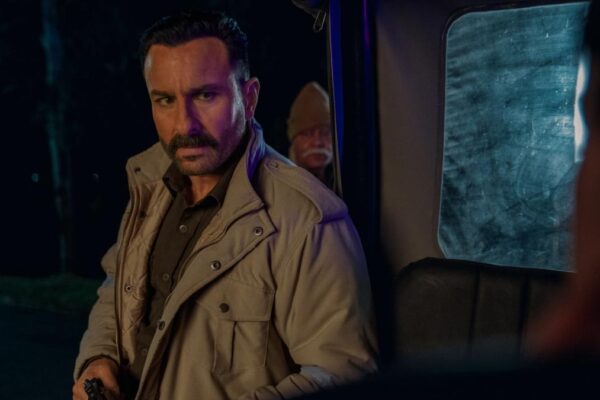
Saif Ali Khan and Manish Chaudhari in ‘Kartavya’
| Photo Credit:
Netflix
Rasika was intrigued with the story as well as the way in which the screenplay was written entirely in Devnagari. “It read like a short story from the progressive writers movement. I was amused by that. I often ask for scripts which have dialogue in Devnagari because I want to read it in the language that it will be spoken in. It gets difficult to read Hindi in Roman script as you start talking like that,” adds Rasika, while saying a line in Hindi with an exaggerated inflection as Saif quips, “Is that why I sound like that? I have been reading it the wrong way?”.
Jokes aside, Saif says that he too can read in Devnagari. “I have learned it over the years and it is great to read like that. Its sad that many people don’t know it still,” he says. In Kartavya, the actor seems to be catching on to the dialect of the heartland quite fluently, sparking memories of Langda Tyagi from Omkara (2006). “In my head the dialect in Kartavya felt similar to Omkara. The process of mastering an accent is like learning a song as you have to work on each word. So, it becomes easier when you do it repetitively,” he says, while also adding how he has learnt about accents from his co-actors, like an advise he got from megastar Amitabh Bachchan, when they were working together.
“He asked me to practise dialogues all the time, on the treadmill, in the shower and then forget about them so that it becomes a part of you.” Saif also recalls another interesting tip he received from Deepak Dobriyal, with whom he worked in Omkara. “He told me to say the dialogues loudly first so that the guy in the other building can hear. This makes you confident with the line and then you can say it softly,” he adds.
It is the words that enrich the world. Saif feels that a language comes alive with a good accent and Kartavya seems to carry a touch of that earthen sentiment. However, despite rooting the story and performances in on-ground realities, a sense of stagnancy has prevailed on streaming where there’s little reinvention of genre tropes along with rising discussions of algorithms guiding what stories get told and depleting attention spans determining storytelling decisions. Rasika feels that these changes take place due to technological advancements. “When streaming services came, web-shows were looked down upon. It was considered to be a thing that people who were largely unemployed in Versova would do. But now that perception has shifted. So, these changes are bound to happen and people will deal with them creatively.”
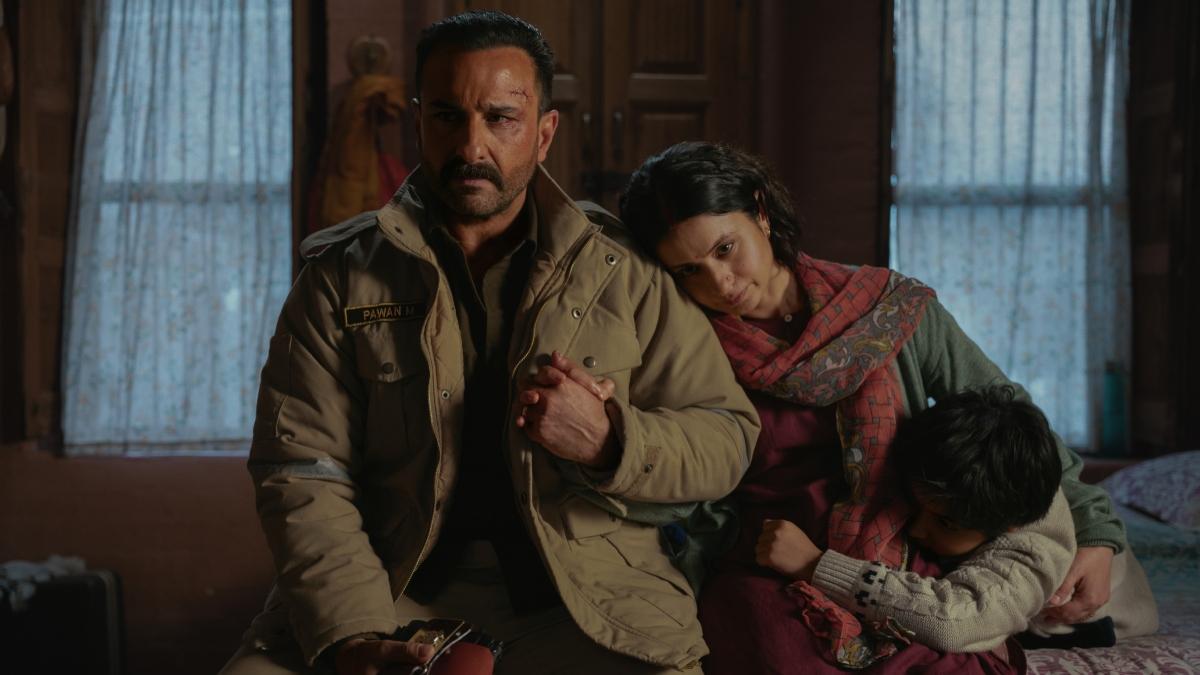
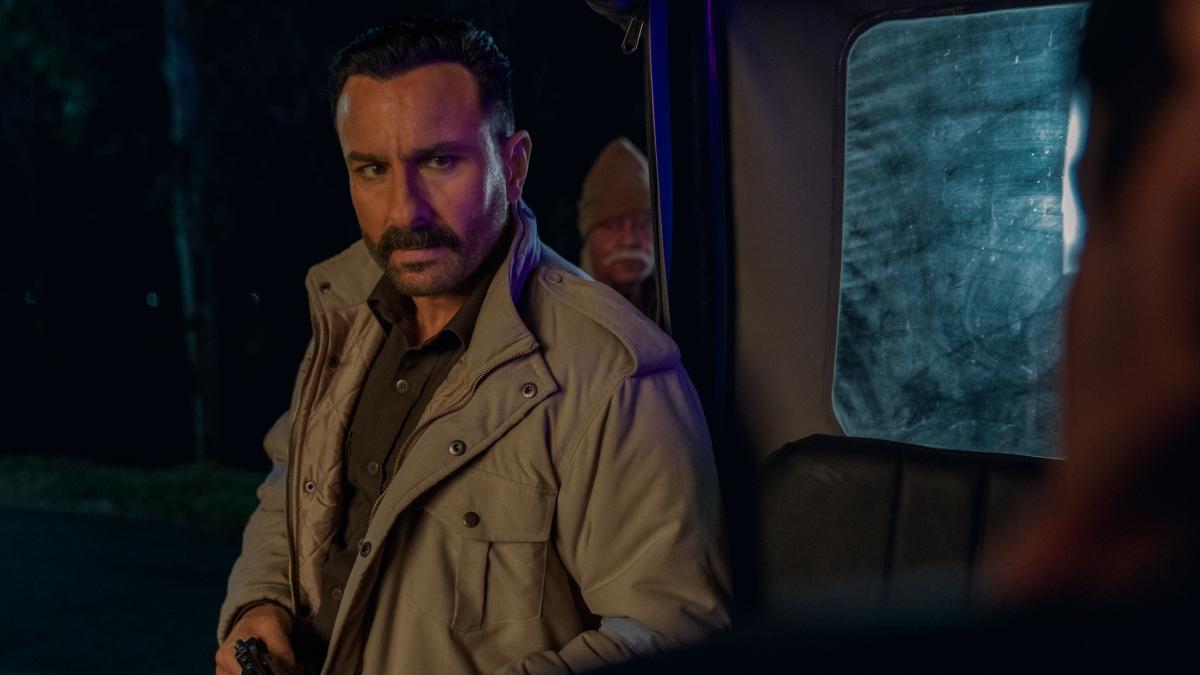
A still from the film
| Photo Credit:
Netflix
Manish adds that there’s need for diverse stories to be told. “We grew up watching Clint Eastwood in the West and Amitabh Bachchan and Dharamendra here. All of them were part of some great stories. We never thought of the separation between commercial cinema or artistic cinema. For a young person like me, I wanted to be part of both these worlds. So, it is important to tell great stories with intent,” he says.
Saif addresses the current landscape and says, “You keep hearing people telling you not to do something or make stories which someone watching on phone should follow. You hear all this and then comes a big movie which defies all the laws and all the rules go out of the window. So, once in a while, we need a director to make a proper piece of cinema and not content.”
Kartavya will be releasing on Netflix on May 15
Published – May 14, 2026 06:03 pm IST