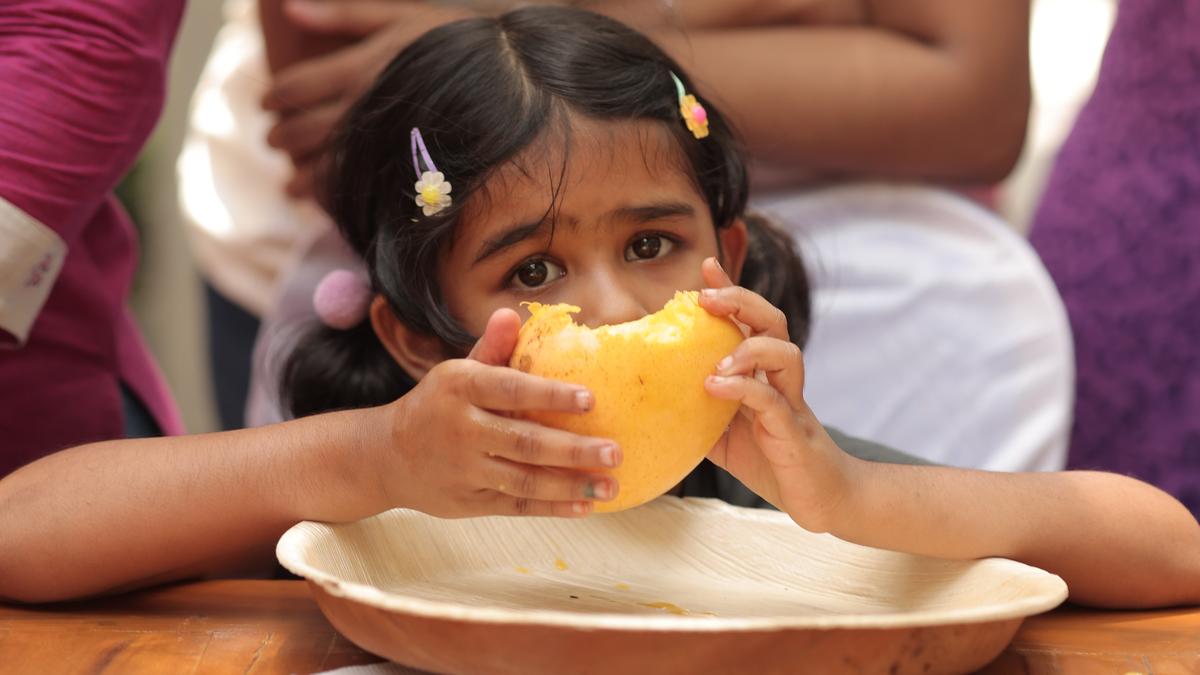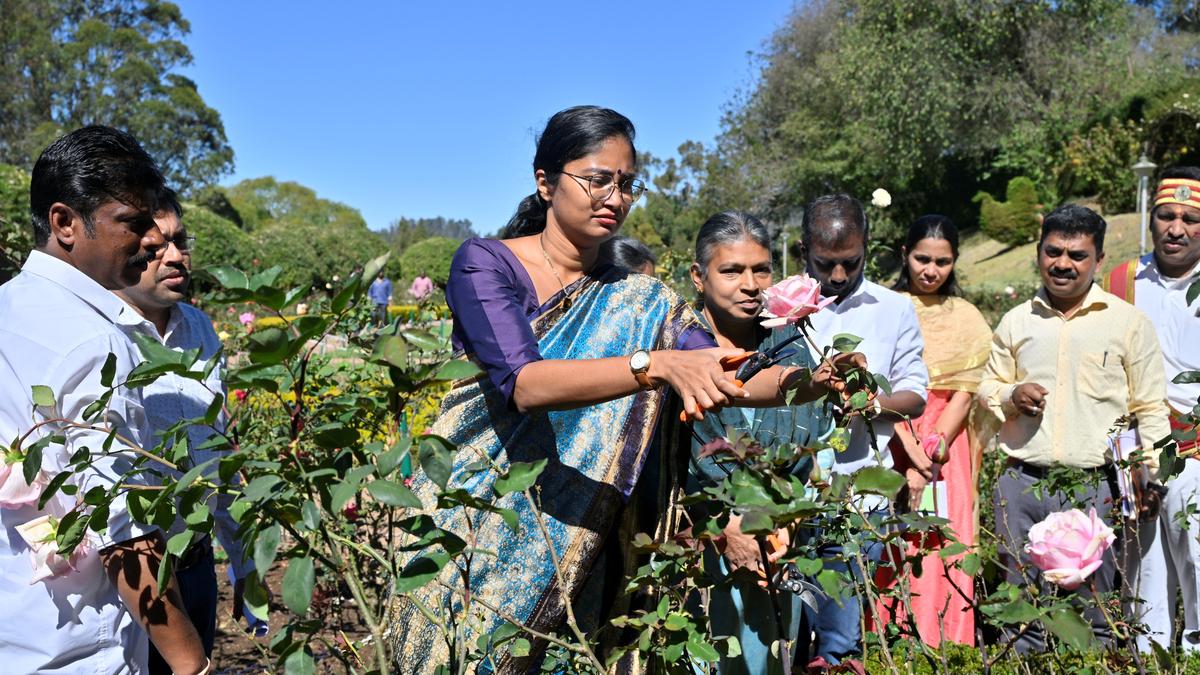





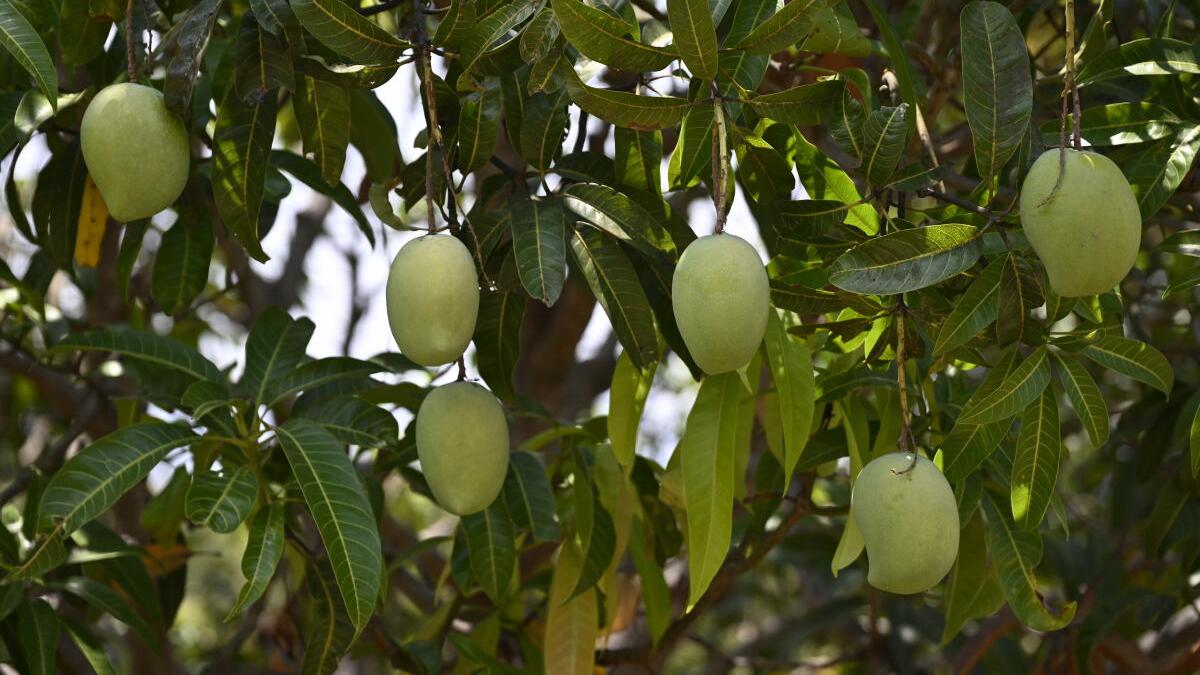
How growers and restaurants are reviving rare heritage varieties of mangoes in West Benga
In West Bengal’s Murshidabad, rare mango varieties are spoken about with the same reverence and careful specificity that old aristocratic families reserve for their ancestors. Most of these mangoes like kohitur, champa, Bimli, rani pasand and anaras, which once flourished across Bengal, have been struggling to survive under the pressures of commercial farming and shrinking orchards. Now, with their saplings and seeds passed between growers, or via donations by orchard owners to city hotels and public gardens, a small network of horticulturists and restaurateurs are reviving these rare varieties of mangoes across Malda and Murshidabad.
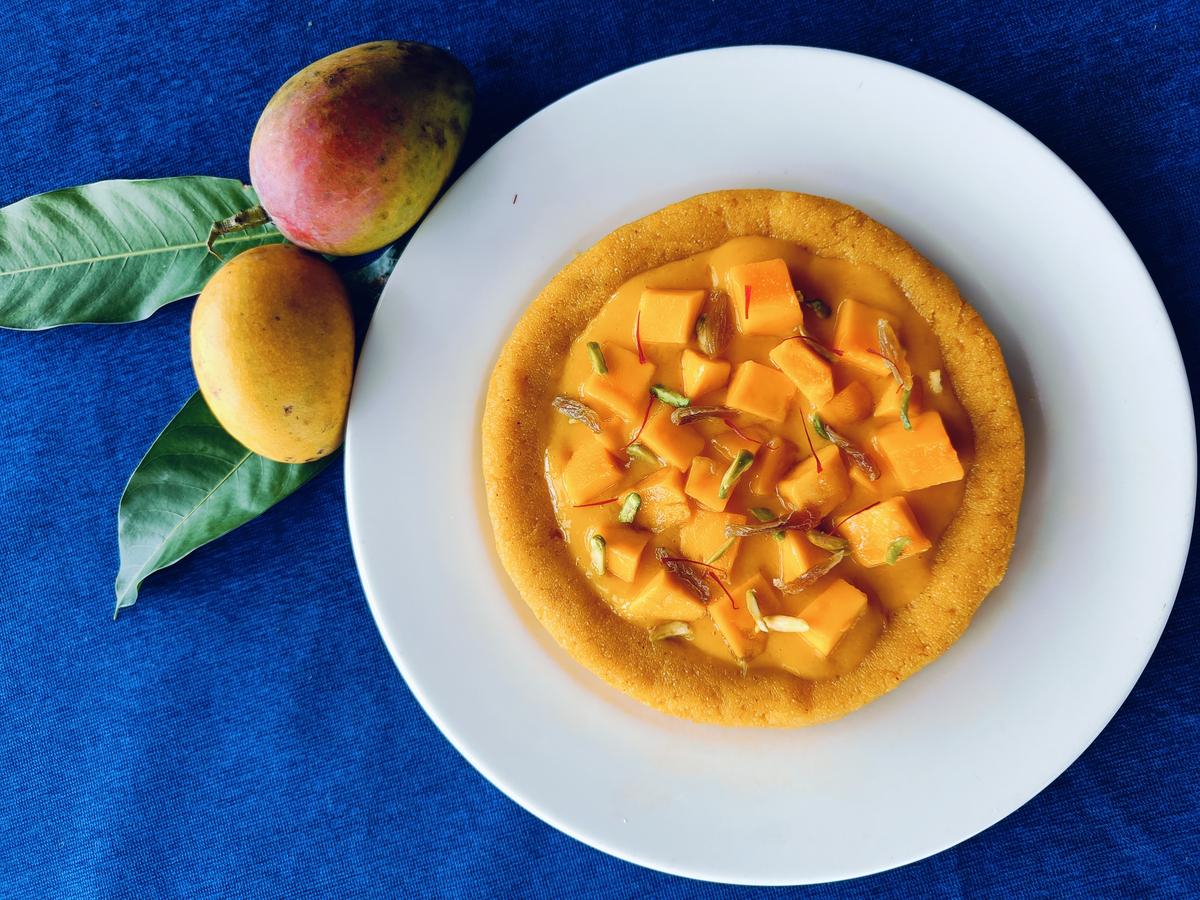
Mangoes on display at the annually held Murshidabad mango festival.
| Photo Credit:
House of Sheherwali
One rare variety, and perhaps the most delicate in the world, kohitur, is so soft that it is wrapped in cotton because even fingertips can bruise its flesh. The champa carries the scent of frangipani flowers, while the reddish-yellow Bimli is said to have been named after a gardener whose hard work impressed Mir Jafar (1691-1765), erstwhile commander of the Bengal army under Siraj ud-Daulah . Nawab pasand and rani pasand, which literally translate to favoured by the nawab and favoured by the queen, were patronised for their sweet, juicy, and fibreless pulp.
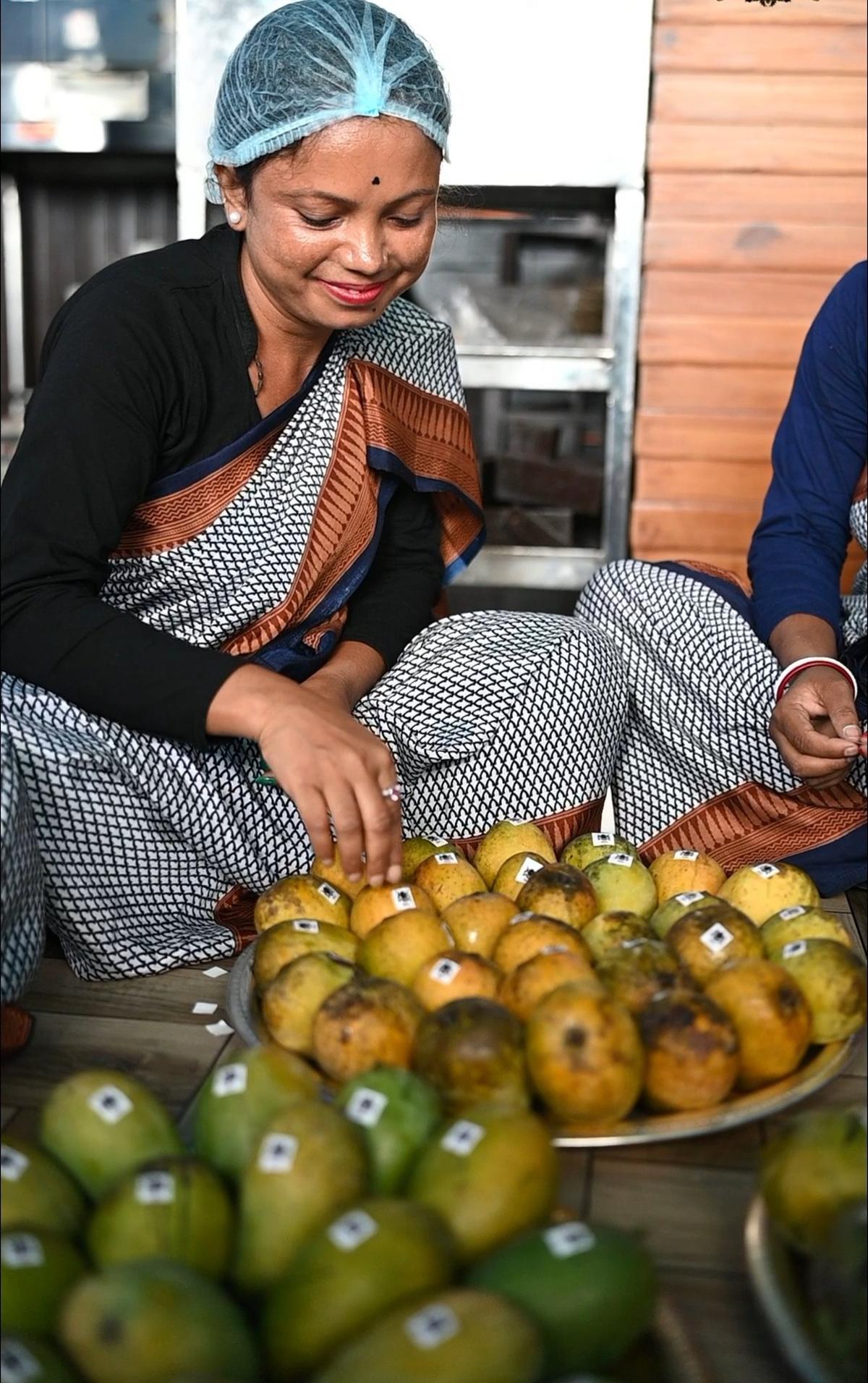
An assortment of commercial as well as rare mangoes on display at the Murshidabad mango festival
| Photo Credit:
House of Sheherwali
Harvested from history
Pradip Chopra, president of the Murshidabad Heritage Development Society, founded in 2010 with the aim of reviving heritage establishments in Azimganj and Jiaganj in Murshidabad, and organiser of the Murshidabad Mango Festival, says the region’s mango culture is deeply tied to the Sheherwali community.
Who are the Sheherwalis?
Nearly 300 years ago, Jain merchant Manikchand is believed to have encouraged Murshid Quli Khan (1660 – 1727) or Mohammad Hadi ,the first Nawab of Bengal, to shift Bengal’s capital from Dhaka to Murshidabad. When Murshidabad was established in 1717, Manikchand became its first diwan and earned the title “Jagat Seth” or “banker of the world”. Soon, several Jain merchant families from Rajasthan migrated to Murshidabad, Azimganj and Jiaganj, gradually evolving into the distinct Sheherwali community by blending Rajasthani, Mughal and Bengali customs, food and language. Wealthy bankers and traders, the Sheherwalis built grand mansions and temples across the region and became known for their sophisticated cultural and horticultural traditions.
“The Sheherwalis could experiment because they had the resources. They would pour milk into the roots of mango trees or store fruits in rose water. Stories of these practices still survive within families,” says Pradip.
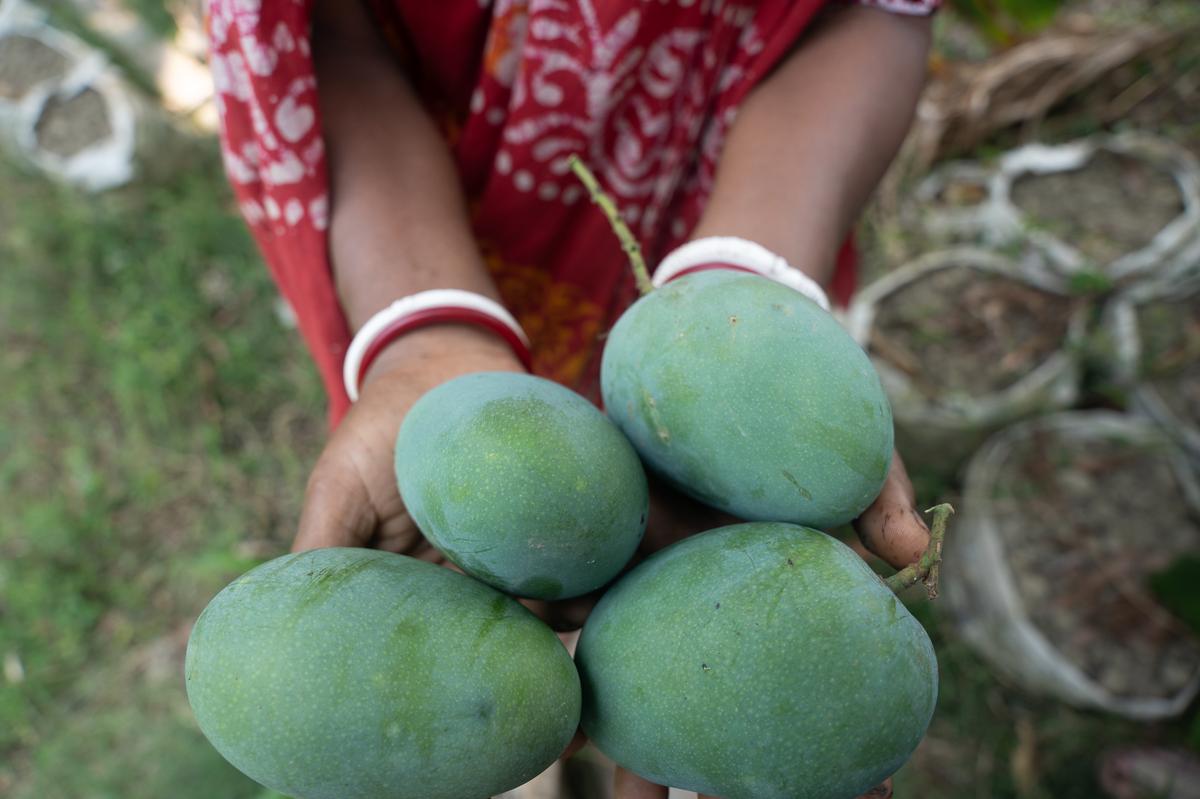
The Murshidabad mango festival, usually held at ITC Sonar Kolkata, will be held at a mango orchard in Azimganj, Murshidabad this year in the first week of June.
| Photo Credit:
House of Sheherwali
He explains that many of the rare mangoes require specialised care and are too delicate for ordinary commercial circulation. “The authentic taste of a kohitur can only be understood in the orchard,” he says. “The moment it ripens, it has to be cut and eaten there itself under the shade of the tree. If you keep it too long, the taste changes.”
While Pradip does not personally own orchards, he notes that many of the rare mangoes revived and showcased at the Murshidabad Mango Festival are sourced primarily from two orchards: one spanning 60-acres within the Kathgola Palace owned by Sanjay Dugar, descendant of the erstwhile royal family of Kathgola and sole trustee of Kathgola estate and another one bigha (0.62 acre) orchard on the outskirts of Murshidabad owned by Rocky Sk, who also oversees its gardening and upkeep. Pradip says he is not directly involved with the other orchards in the region, and that these two remain the festival’s principal sources for heritage varieties. The seeds and saplings are typically planted during the monsoon months of May, June, July and August. Most of the rare mangoes begin fruiting in the first week of June and largely disappear by the end of the month.
Pradip also runs the heritage museum hotel House of Sheherwali in Azimganj, Murshidabad.
Rare obsession
Sanjay has spent the last 22 years reviving exotic mango varieties in his orchards located across Kathgola. . “Murshidabad was historically home to nearly 200 mango varieties like kalapahar, Mohanbhog, molamjam and bira,” he says. Sanjay says that kalapahar’s identification is its blackish-green skin that darkens even further on ripening, but inside the flesh is sweet with a sweet-sour sharpness. Mohanbhog is softer and richer, dessert-like in texture, while molamjam is prized for its intense flavour though it has a very short shelf life. Bira, meanwhile, is known for its delicate sweetness and aroma.
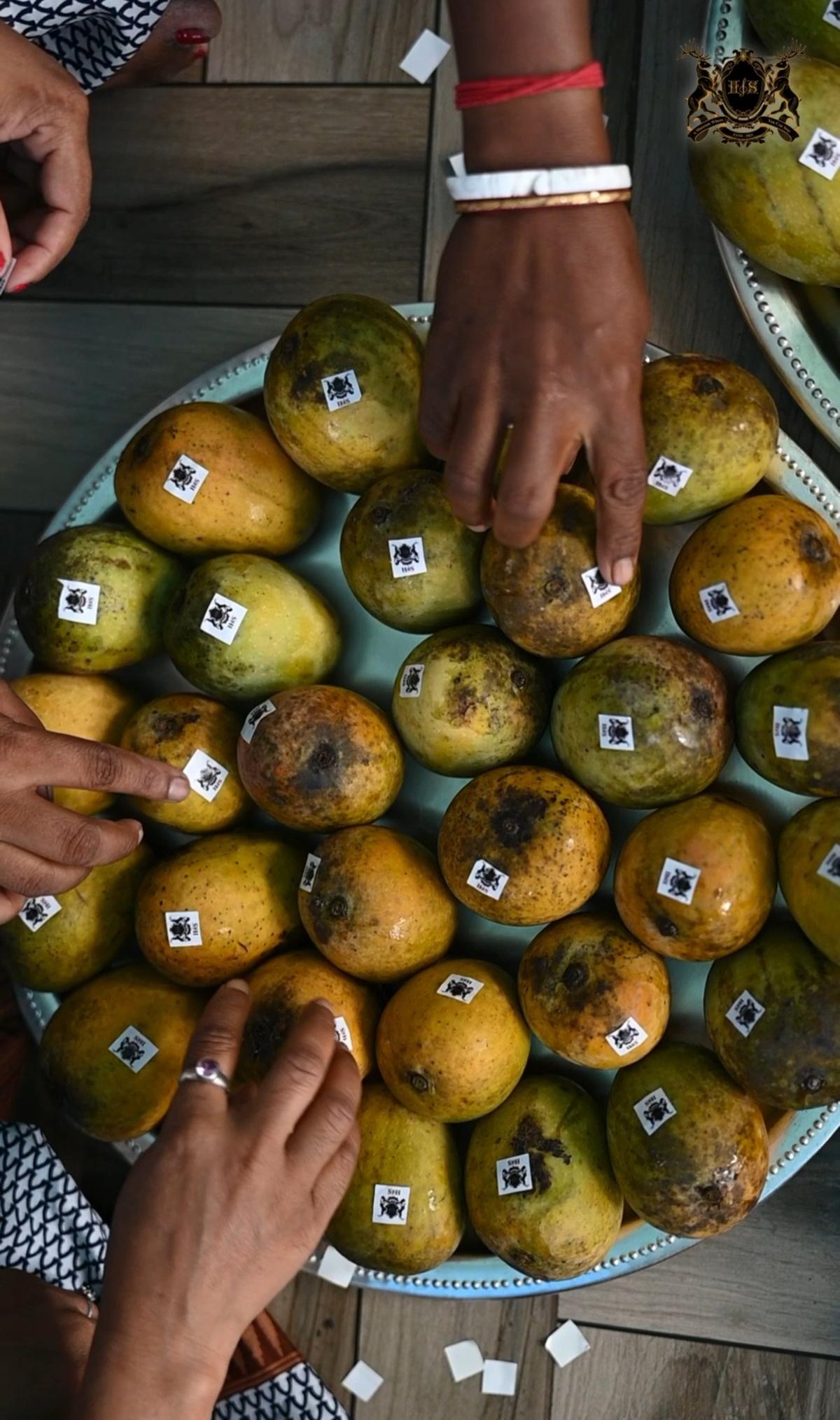
Rare varities demand specialsied care and a soft touch while being plucked and cut.
| Photo Credit:
House of Sheherwali
He traces part of this history to emperor Akbar, who reportedly maintained an orchard of one lakh mango trees in Darbhanga, Bihar, where experiments were conducted by crossbreeding mango saplings with fruits and flowers to create distinct fragrances and flavour profiles. Bihar, located away from Murshidabad, was the emperor’s seat of experimentation. The saplings that were experimented upon were later circulated between nawabs and zamindars of Murshidabad enabling them to take root across Murshidabad’s orchards. “Some name the varieties) like the mango called anaras had pineapple-like notes, champa smelled of frangipani and chandankosa smelled like sandalwood,” says Sanjay. Saplings grown in Darbhanga travelled between nawabs and zamindars before taking root across Murshidabad’s orchards. . The connection to the Sheherwali community comes after the saplings arrived in Murshidabad. The experimentation itself is linked to Mughal/Nawabi horticultural culture, but the preservation, cultivation and continuation of many of these rare varieties became intertwined with wealthy Sheherwali merchant families who owned orchards and estates across Murshidabad and Azimganj.
Preserving these mangoes, however, requires extraordinary patience. Trees can take seven to eight years to bear fruit. Older trees see a reduction in fruition after 40-to-50 years and may slowly die thereafter. Saplings must constantly be grafted from surviving stock. “Our old trees disappeared over time,” says Sanjay. “So we sourced saplings from nurseries around Murshidabad that had preserved them and replanted them.”
Some of those replanted trees are now bearing fruit. Sanjay says rare varieties including kohitur, champa, Bimli and rani pasand were planted years ago at Victoria Memorial and ITC Sonar. “The climate in Kolkata and Murshidabad is not very different,” he says. “These trees should ideally grow here too and last time I checked, they were still surviving.”
Yet, rarity itself makes revival difficult. Kohitur remains scarce even within Murshidabad. Sanjay says the mango rarely appears in Kolkata markets except during special showcases and mango festivals. The fruit is exported to West Asia, where it is reportedly sold for ₹3,000 to ₹5,000 a piece. In Murshidabad, its prices range between ₹250 and ₹500 per piece.
Murshidabad’s rare mangoes and their flavour profiles
Kohitur: Extremely soft, juicy and delicate; bruises even at the touch of fingertips.
Champa: Floral mango scented like champa/frangipani flowers.
Bimli: Reddish-yellow variety with a mild sweetness and rich flavour.
Nawab Pasand / Rani Pasand: Sweet, juicy mangoes with smooth fibreless pulp once favoured by royalty.
Anaras: Tropical variety with distinct pineapple-like notes.
Kalapahar: Dark-skinned mango with a sweet yet sharp sweet-sour edge.
Mohanbhog: Rich, dessert-like mango with soft flesh.
Molamjam: Intensely flavourful variety with a very short shelf life.
Bira: Delicately sweet mango with a light aroma.
Chandankosa: Rare aromatic mango known for its sandalwood-like fragrance.
Preserving heritage
The philosophy of preservation is now finding its way into restaurants like Amar Khamar, located in the heart of South Kolkata, the ingredient-led lunchroom is attempting to reintroduce Bengal’s forgotten mango varieties to urban diners. The restaurant works with farmer networks across Bengal to revive lost rice as well as mango varieties and regional ingredients. Last year, it sourced rare single-estate mangoes like Bira, Molamjam, Champa from Murshidabad which were briefly served to guests.
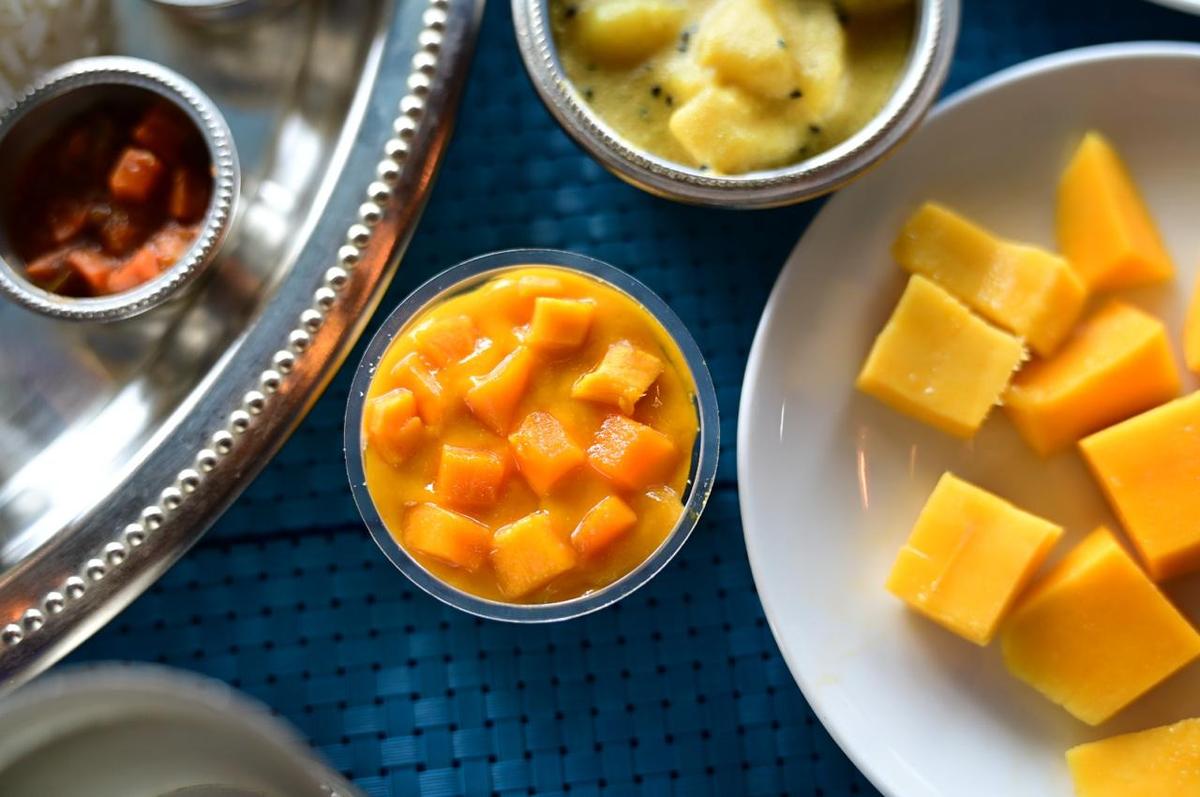
Amar Khamar is working towards bringing single-estate rare mangoes to urban diners this year.
| Photo Credit:
Amar Khamar
“This year we are working more intensely on bringing rare mango varieties into the restaurant,” says Raina Talukder, head of brand at Amar Khamar. The team has tied up with orchard owners across Malda, Murshidabad, Birbhum and North 24-Parganas and is trying to work with them to bring rare varieties like rani, baromasi, sindura and more to the restaurant..
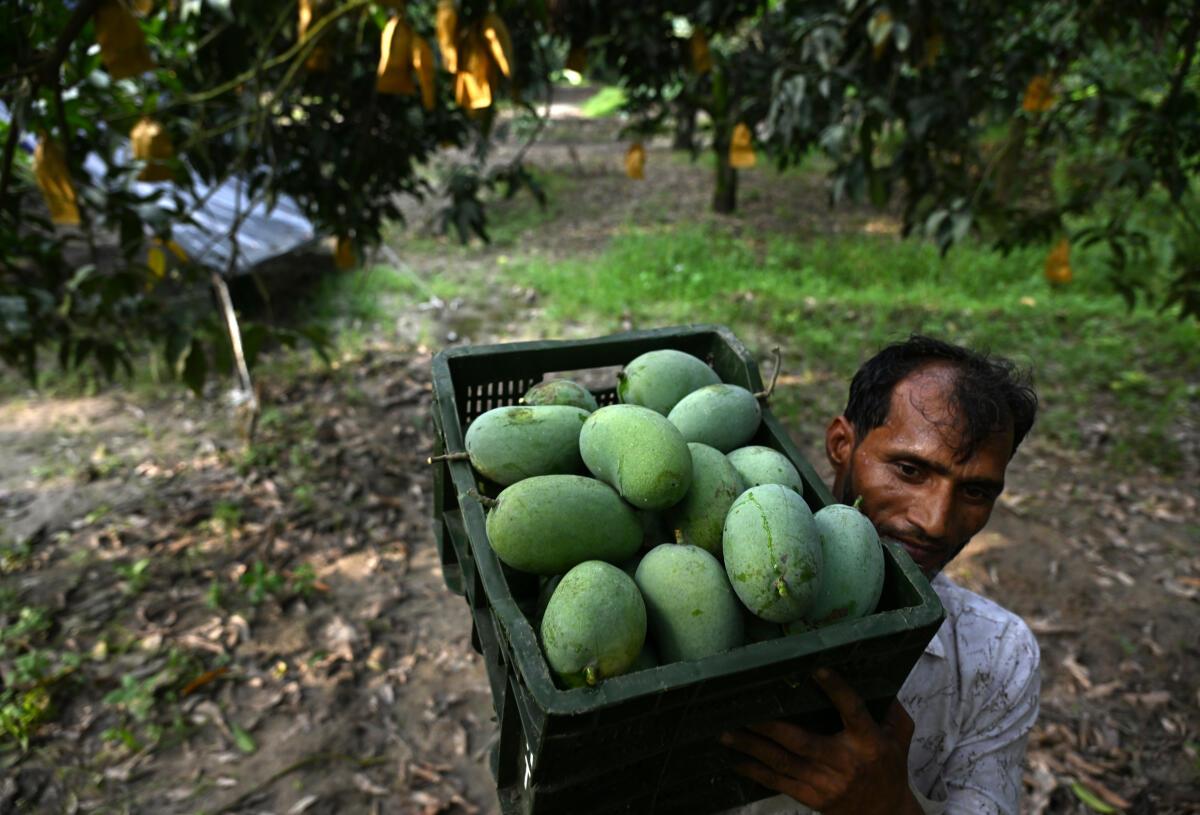
Increased awareness and active replanatation measures among researchers and city dwellers will aid revival
| Photo Credit:
R V Moorthy / The Hindu
The process, she explains, is fragile. Mangoes arrive semi-ripe and must be ripened on site. Timing mistakes can mean spoilage. Transport affects flavour and texture.
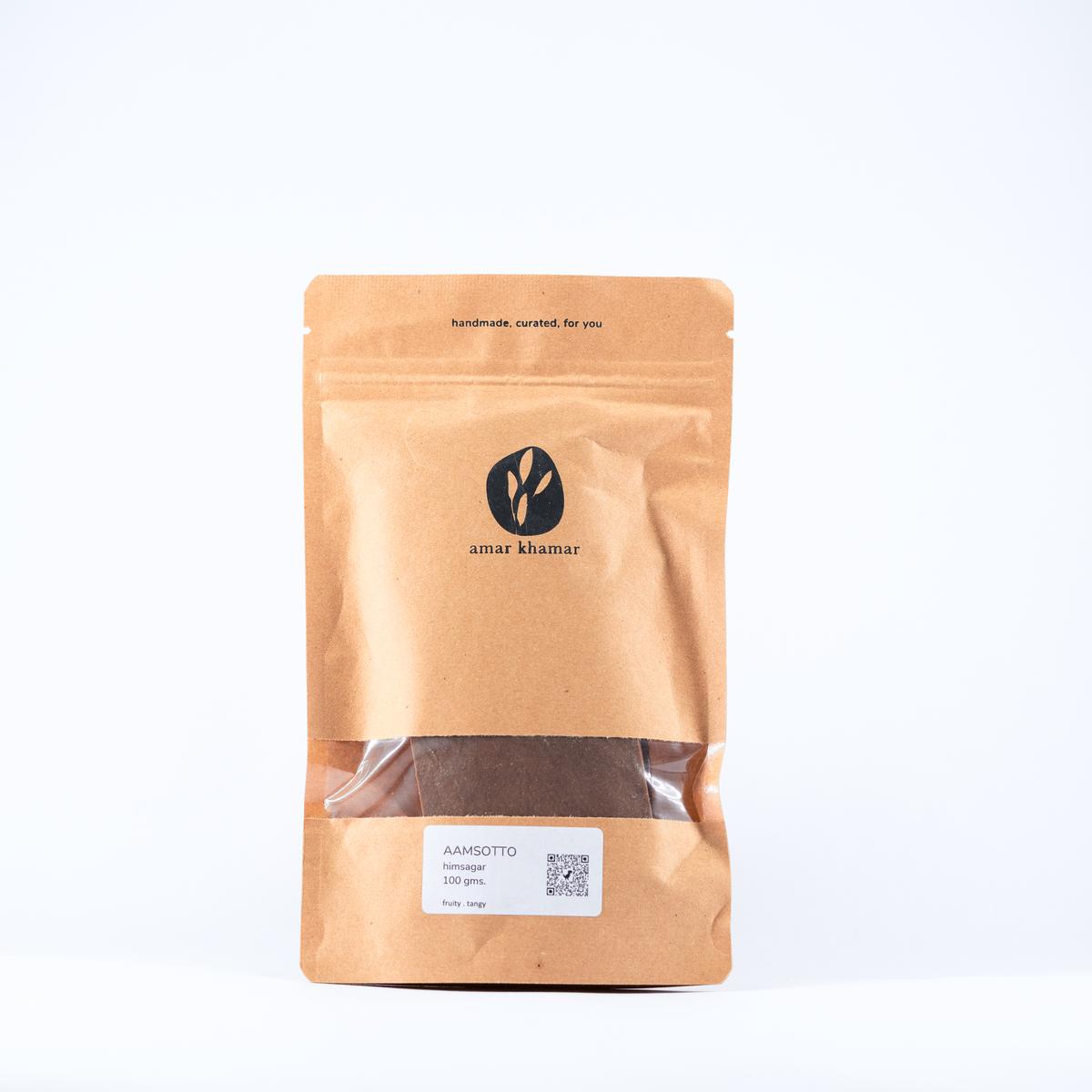
Amsattos, Bengal’s traditional sun-dried mango leather available throughout the year at Amar Khamar.
| Photo Credit:
Amar Khamar
“The team is currently conducting trial runs to understand which varieties survive travel best and how they should be served,” she says.
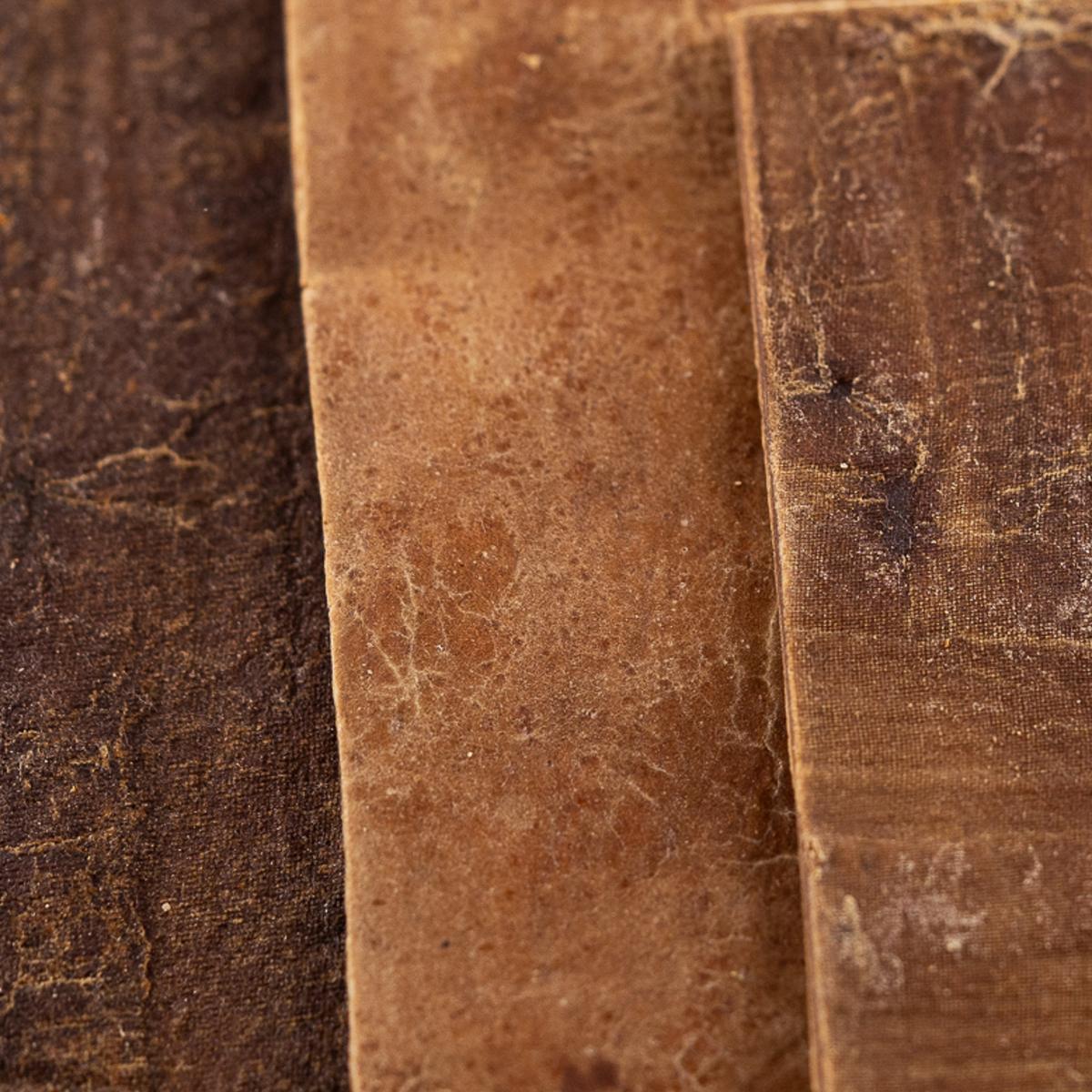
Amsattos are soft, chewy and unsweetened and retain the original taste of the mango
| Photo Credit:
Amar Khamar
Their preservation efforts have also enabled varieties like Himsagar, Amrapali and Gopalbhog from Malda. Himsagar, a commercial variety is known for its intensely sweet fibreless flesh, Amrapali for its deep orange pulp and concentrated flavour, and Gopalbhog for its early-season ripening and rich floral sweetnes – have been transformed into amsattos, Bengal’s traditional sun-dried mango leather available throughout the year at Amar Khamar. Unlike commercially sweetened versions, these amsattos are dried naturally without adding sugar, allowing the distinct flavour of each mango to come through.
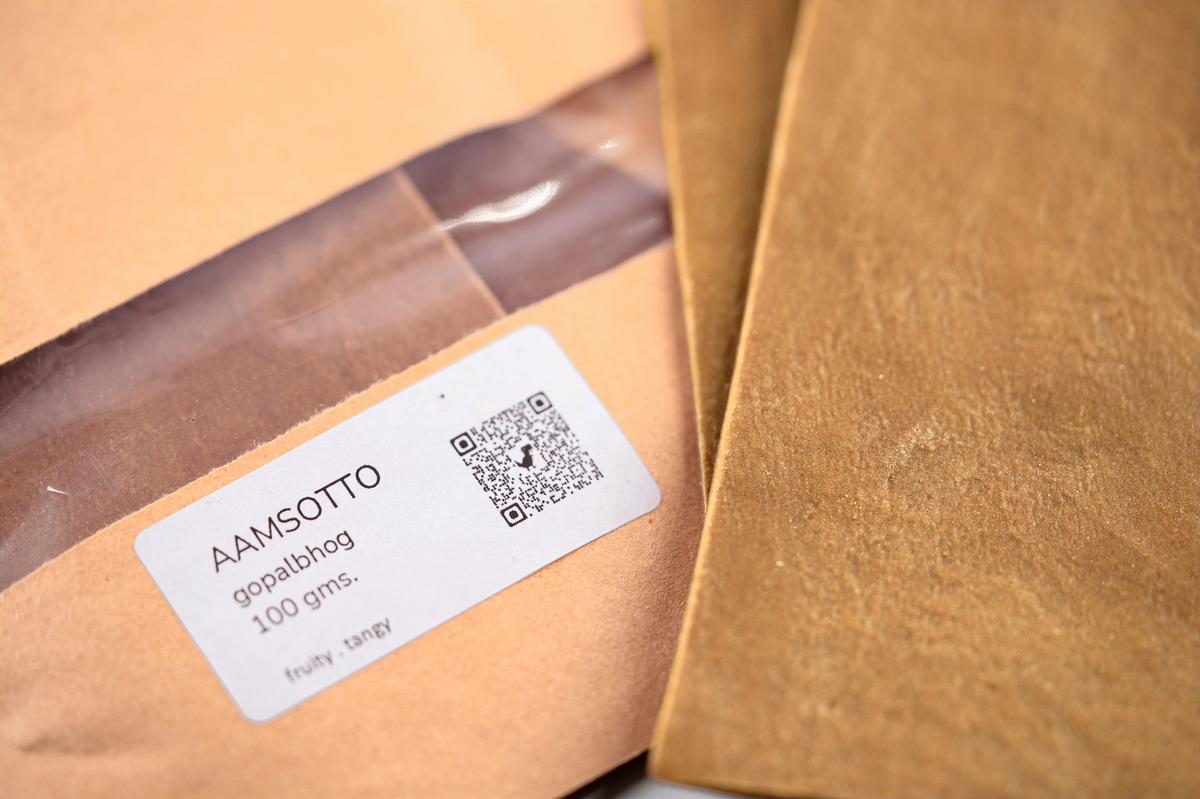
Gopalbhog amsatto available at Amar Khamar
| Photo Credit:
Amar Khamar
Awareness, growers say, still largely comes from orchard-owning families, collectors, mango enthusiasts and festival visitors. This June, the Murshidabad Heritage Development Society will once again organise its annual month-long mango festival in Azimganj in the first week of June until the last week of the month, where visitors will be invited into orchards to taste fruits at peak ripeness. Before June, many varieties are unavailable. By July, several disappear again. Their fragility defines them. Many are too soft, too seasonal and too temperamental for commercial supply chains. In Murshidabad’s orchards, revival is about preserving an entire vocabulary of taste that Bengal once knew intimately and is now learning to remember again.