



How Indian flavours found a home in Zanzibar
It has been just a few hours since my friend and I landed in the archipelago of Zanzibar, off the coast of mainland Tanzania. The people here are disarmingly sweet, greeting you multiple times a day, often followed by the ever-present Swahili expression, “Hakuna Matata”. The warm hospitality, sweet smiles, and the occasional broken Hindi phrase, kaise ho aap (how are you?), once they learn you are from India. It all reaffirms their deep-rooted connection with the country. And as the days stretched, from two to a full week, I realised that the Indian influence here is anything but subtle.
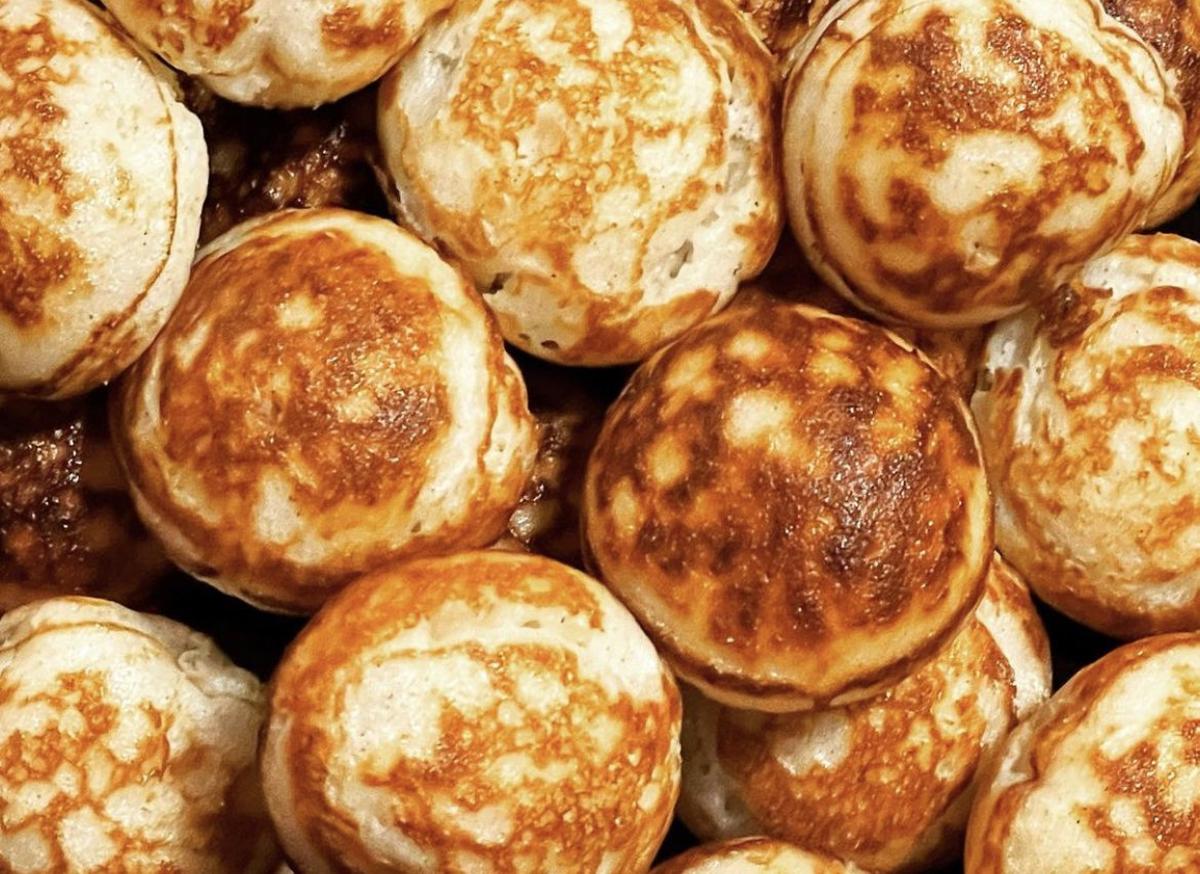
Vitumbua
| Photo Credit:
SPECIAL ARRANGEMENT
India on a Zanzibari plate
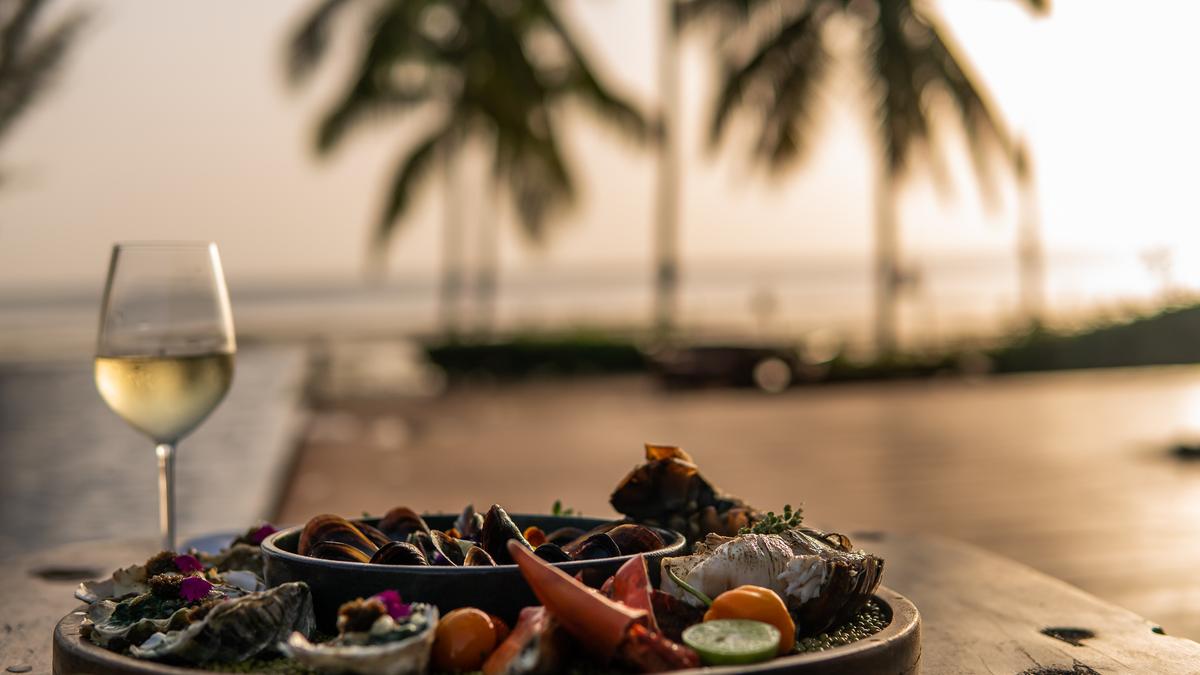
Zanzibar’s coastline looks even more stunning under the moody skies. Overlooking the pouring rain from The Dining Room restaurant at The Residence Zanzibar resort, my eyes immediately drift to the local section of the menu — Swahili chapatti, pilau, sambusa — all of it strikingly similar to Indian fare. It was a moment of culinary déjà vu.
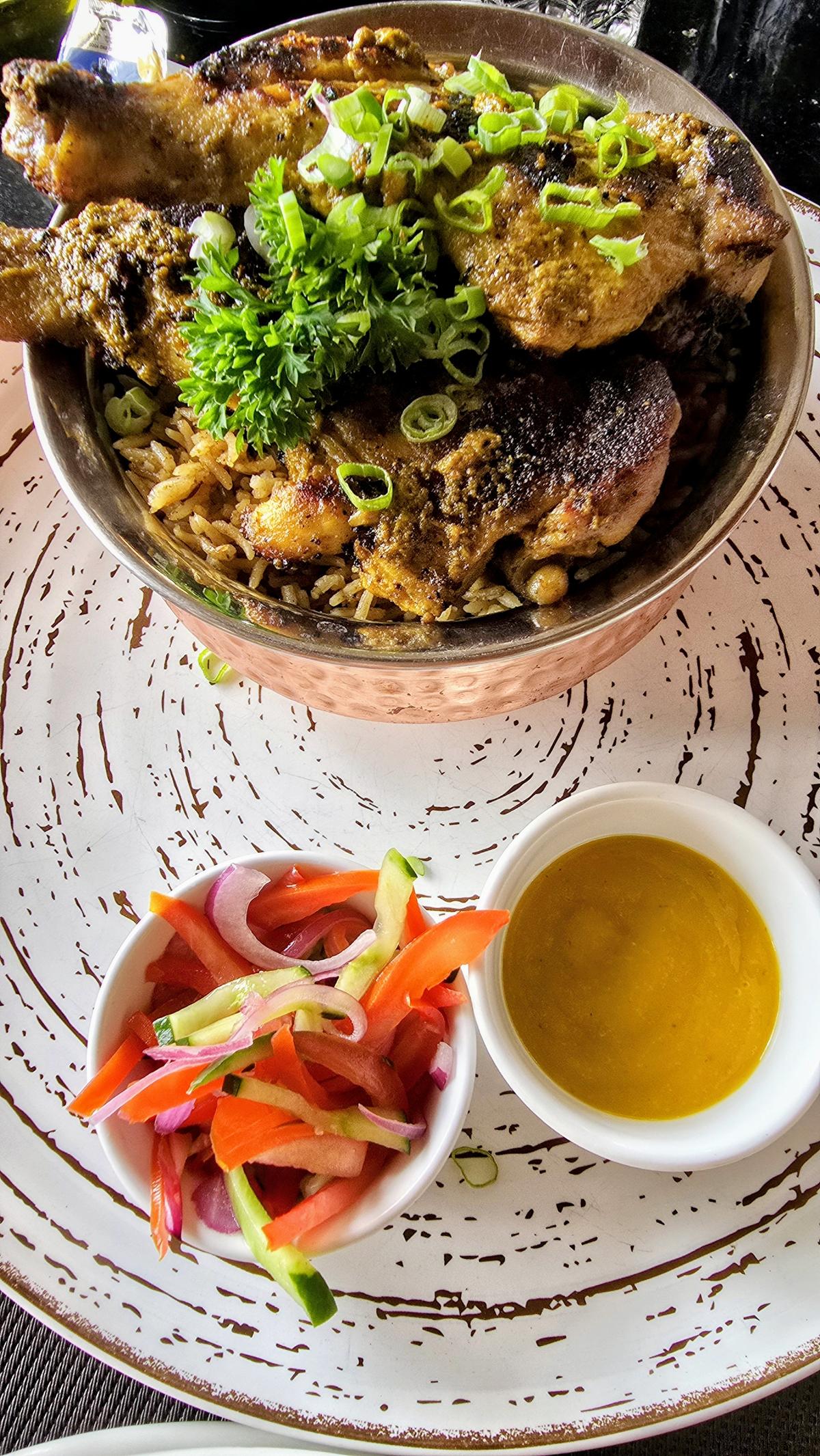
Chicken Pilau
| Photo Credit:
SPECIAL ARRANGEMENT
Curious, I ordered the Zanzibari pilau and sambusa. What arrived was a fragrant, warming bowl of long-grain rice cooked with spices, meat, and the occasional vegetable, similar to our pulao. But the Swahili signature was distinct — earthy spices, like black pepper, cinnamon, cardamom, cloves, a subtle smokiness in the flavour with caramelised onions. Sambusas were pocket-sized, less crisp, slightly soggy, and filled with spiced meat, unlike our samosas. Different, yet familiar.
In the later days of my time there, I found myself sampling local cuisine. A laidback morning stroll along the beaches of Paje and Jambiani often led me to small shops selling maandazi, what Swahilis mostly have for breakfast — a fried bread — is like Mangalorean buns. Vitumbua (coconut rice pancakes) are like paniyarams. Urojo, a tangy, turmeric-infused soup loaded with potatoes, crispy bhajis, boiled eggs, and raw mango, is similar to the flavours of chaat, though in a comforting, soupy form.
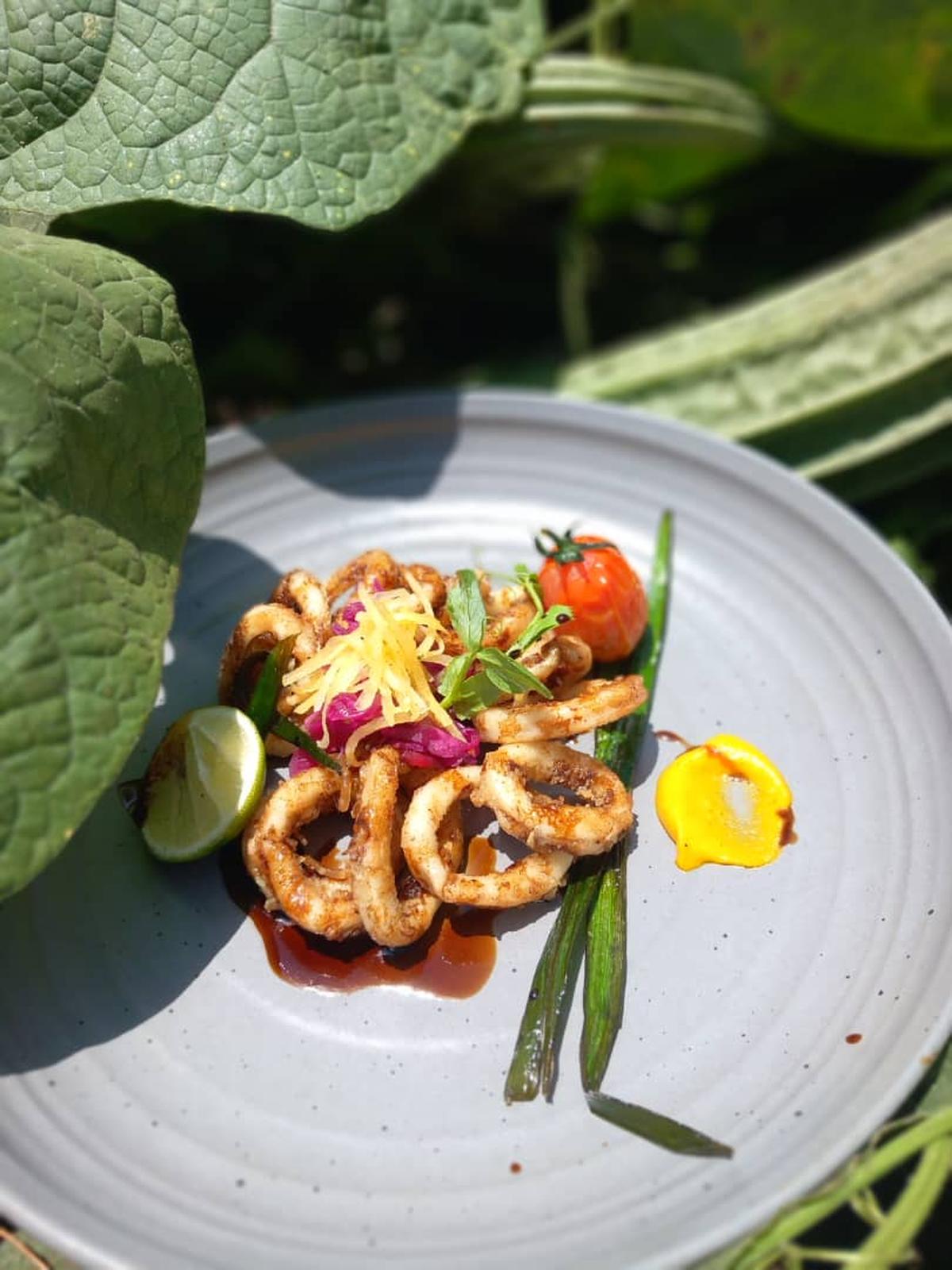
Swahili flavoured grilled prawns
| Photo Credit:
SPECIAL ARRANGEMENT
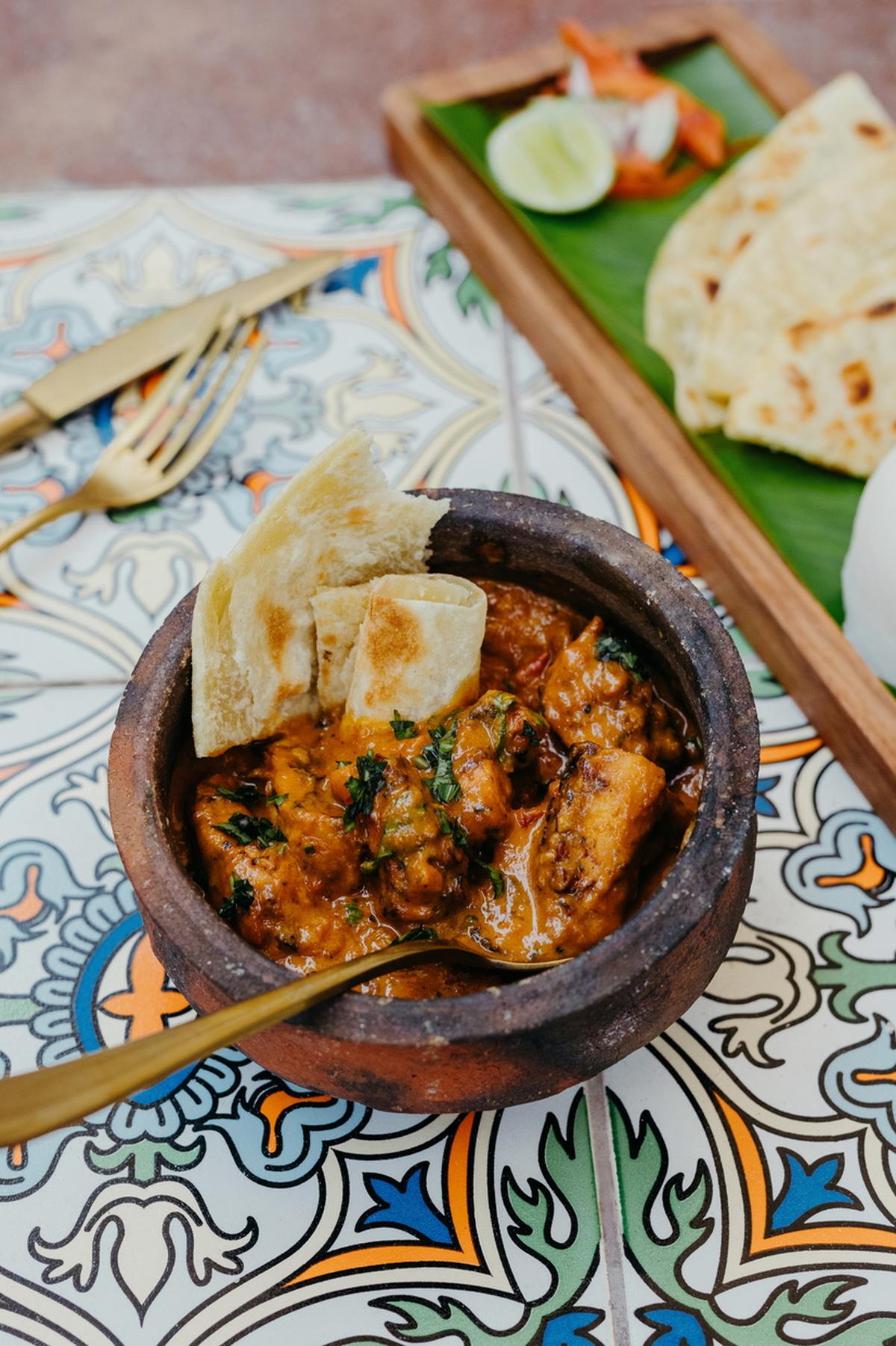
The curries too were thick, rich, and deeply aromatic — much like our own — with coconut milk forming the base with a heady mix of spices like cumin, black pepper, cardamom, turmeric and ginger. The mainstay, karafuu or cloves–grown abundantly finds a delicious space in most of the curries. The best places to sample evening street food and soak in local flavours are Forodhani Gardens and Darajani Market in Stone Town.
Like us, Swahili people cannot imagine their dishes without spice — though our tolerance might just exceed theirs. “How spicy do you like it?” I’m asked during a cooking class led by Aisah, a sous chef at at LUX* Marijani Resort. “Add more, always more!” I reply with a grin. Aisah laughs, clearly recognising our shared love for spice-laden dishes.
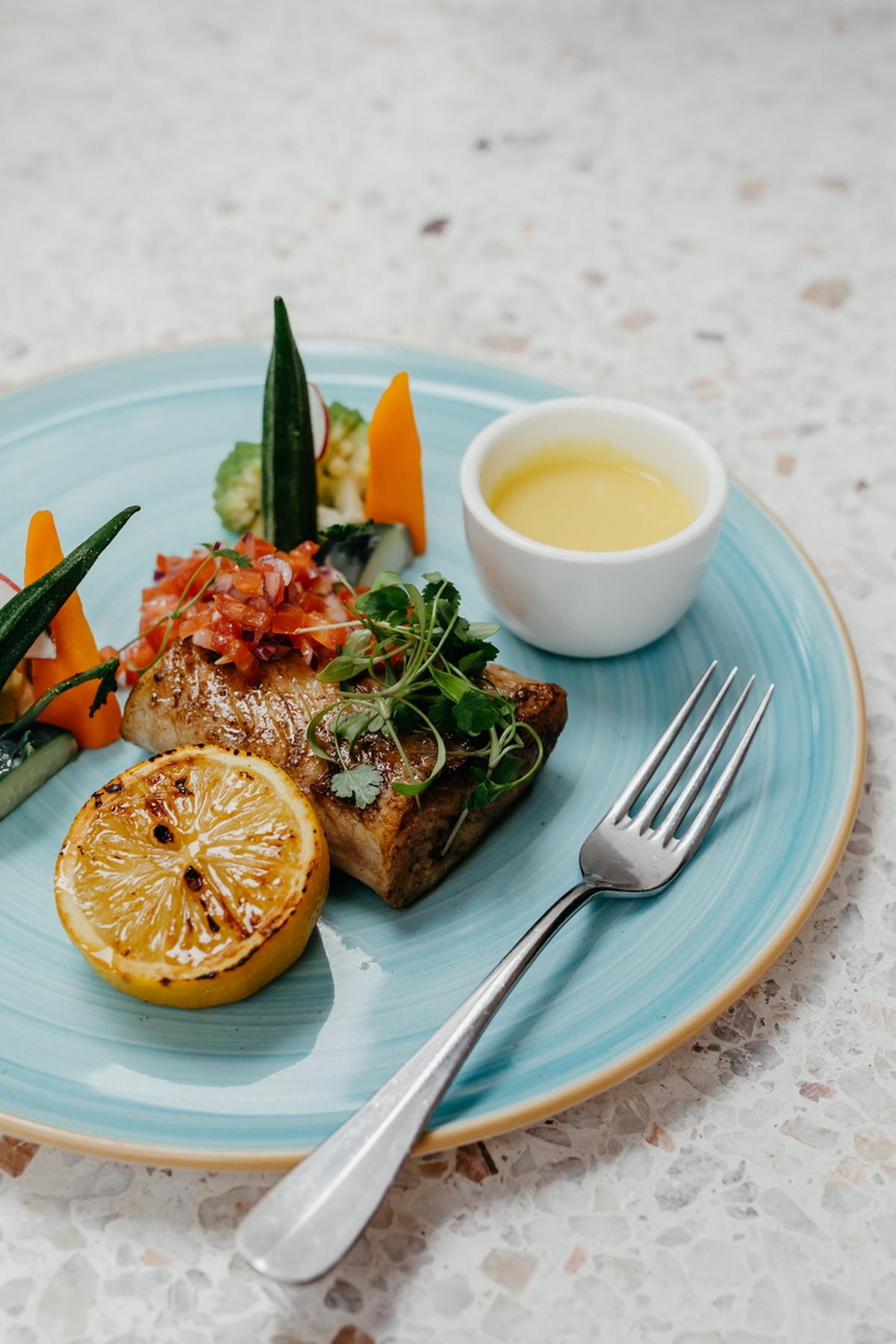
Grilled fish fillet
| Photo Credit:
SPECIAL ARRANGEMENT
Perhaps the best way to experience Zanzibar’s traditional food culture is through a cooking class. Back at the open-air kitchen, I roll up my sleeves, ready to learn and dig into the homely spread we were about to prepare — Swahili prawn curry, mchicha (shredded spinach in coconut milk), maharage(red beans in coconut milk), and fluffy Swahili chapattis. “It’s all about bold spices, fresh seafood, and coconut —ingredients that reflect the island’s history as a trading hub,” Aisah explains.
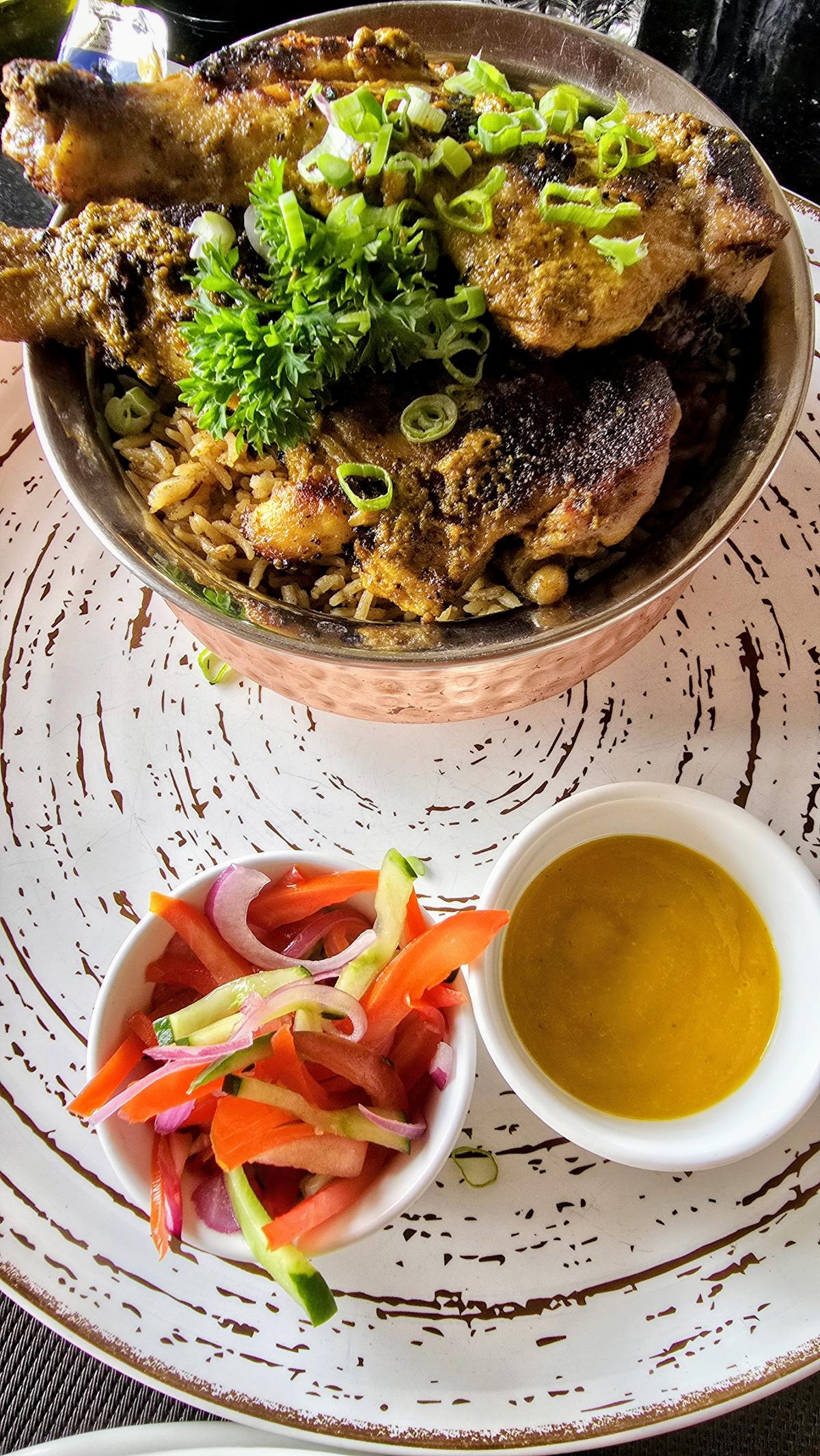
Chicken Pilau
| Photo Credit:
SPECIAL ARRANGEMENT
This spice-filled cuisine has the familiar warmth of Indian flavours while still keeping its own unique identity. Today, Zanzibar may be known for its white-sand beaches and laid-back vibe. But its culinary history has a deeper story — one shaped by the dark period of slave trade and by the many merchants and travellers who passed through its shores.
Cooking across cultures
Food often outlives empires, and Zanzibar’s cuisine proves that. The Portuguese came in the 15th Century, then lost control to the Omani sultans, who transformed Zanzibar into a trading hub. While Omanis held political power, Indian merchants left a lasting mark on the island’s food culture through their spices. Back then, spices were so valuable that they were treated like currency, worth even more than gold.
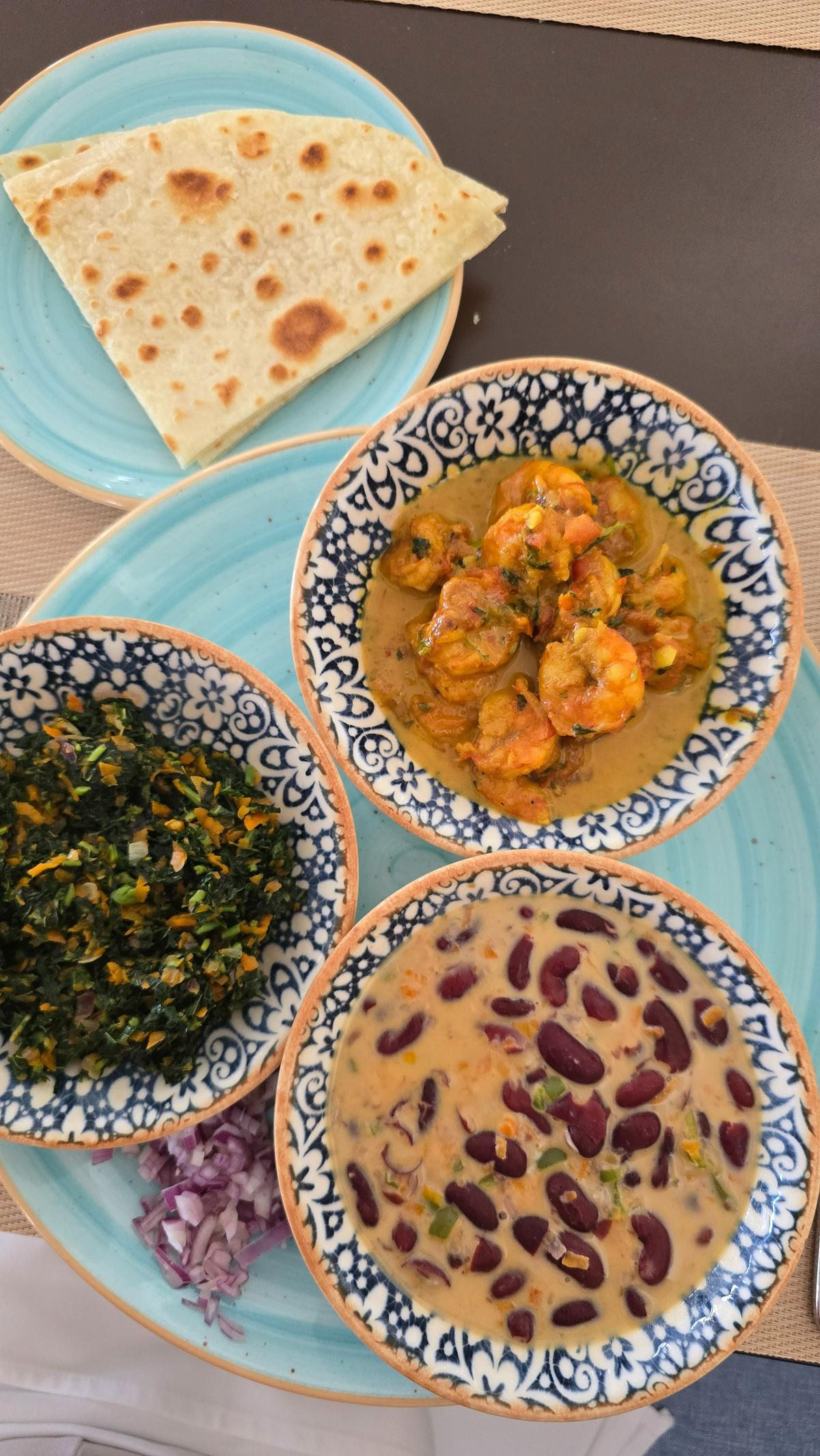
Mahrage, Prawn Curry, Mchicha
| Photo Credit:
SPECIAL ARRANGEMENT
Most Indians were traders who established shipping links and, inevitably, brought with them the taste of home. Yet, often overlooked in these histories, they helped push Zanzibar to the world stage — not just economically, but culinarily — introducing curries, chapati, biryani, samosas and tea-time delights that rival those in Mumbai’s Irani cafés.
Even before the arrival of the British in 1890, Indian merchants from Gujarat, Kutch, and the Malabar coast were already here — first as traders, then as settlers, states Gateway House, a think tank. Under Omani rule, Indian bankers financed the clove trade, shopkeepers sold everything from cloth to curry powder, and cooks introduced Swahili homes to masalas, chapatis, and pakoras.
Much of the Indian culinary influence in Zanzibar and mainland Tanzania traces back to Gujarat and Kerala. Gujarati-style vegetarian dishes and snacks like kachori are common as street food, while Kerala’s love for coconut shows up in many of their seafood dishes and stews. The Indian presence — particularly that of Gujarati Ismailis and Bohras — is especially strong in Dar es Salaam, Tanzania’s largest city and capital. According to Wikipedia, over two dozen Indian restaurants cater to this long-standing community that began settling in the region as far back as the 16th Century.
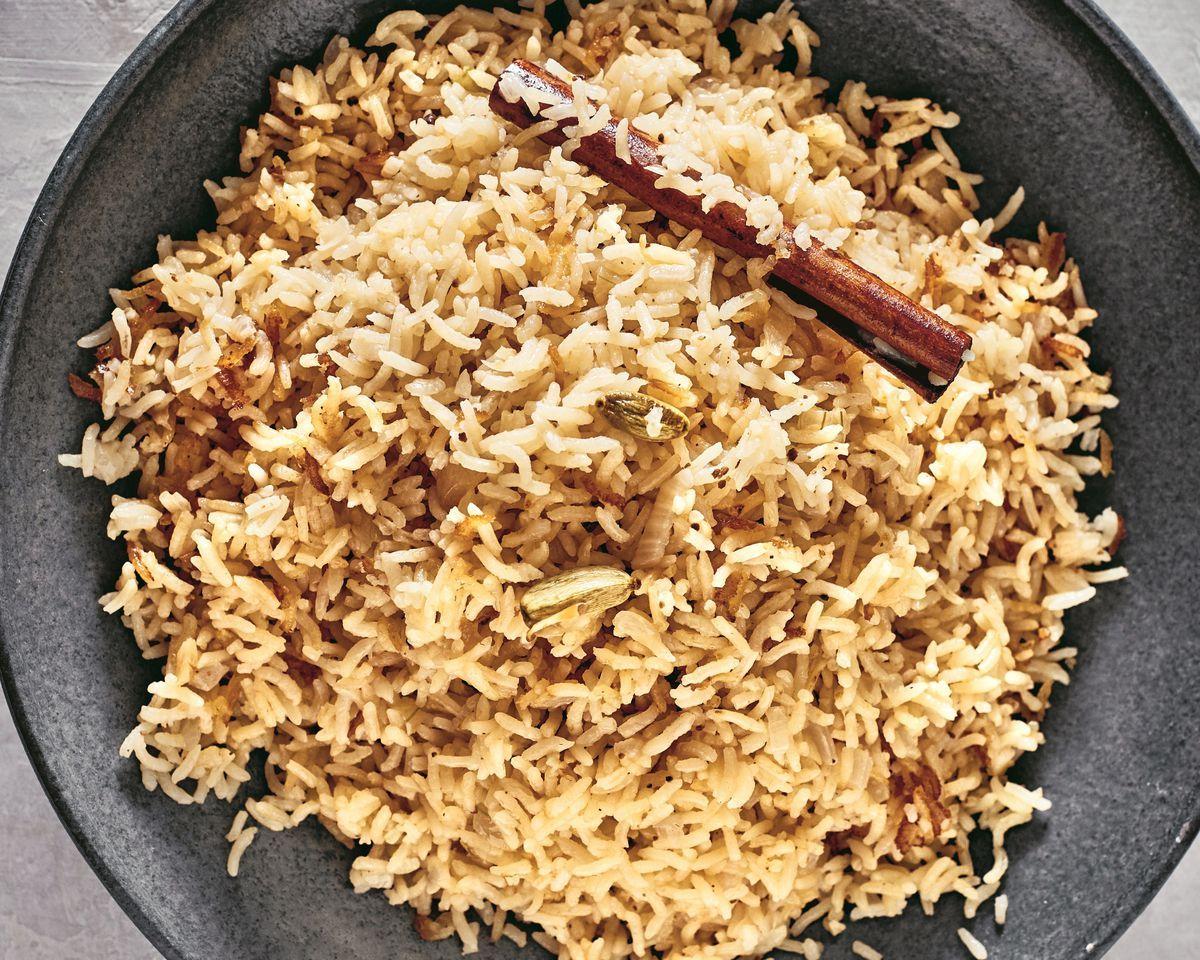
Zanzibari Pilau
| Photo Credit:
SPECIAL ARRANGEMENT
“The most prominent Indian influence in Zanzibari food is the selection of spices that made their way here from India. Cinnamon and cloves are staples, especially in marinades, lending Zanzibari cuisine its distinct flavour and aroma. However, the overall taste differs, as Zanzibar tends to use milder, less pungent spices compared to Indian cooking,” differentiates Leon Weir, executive chef, The Residence Zanzibar.
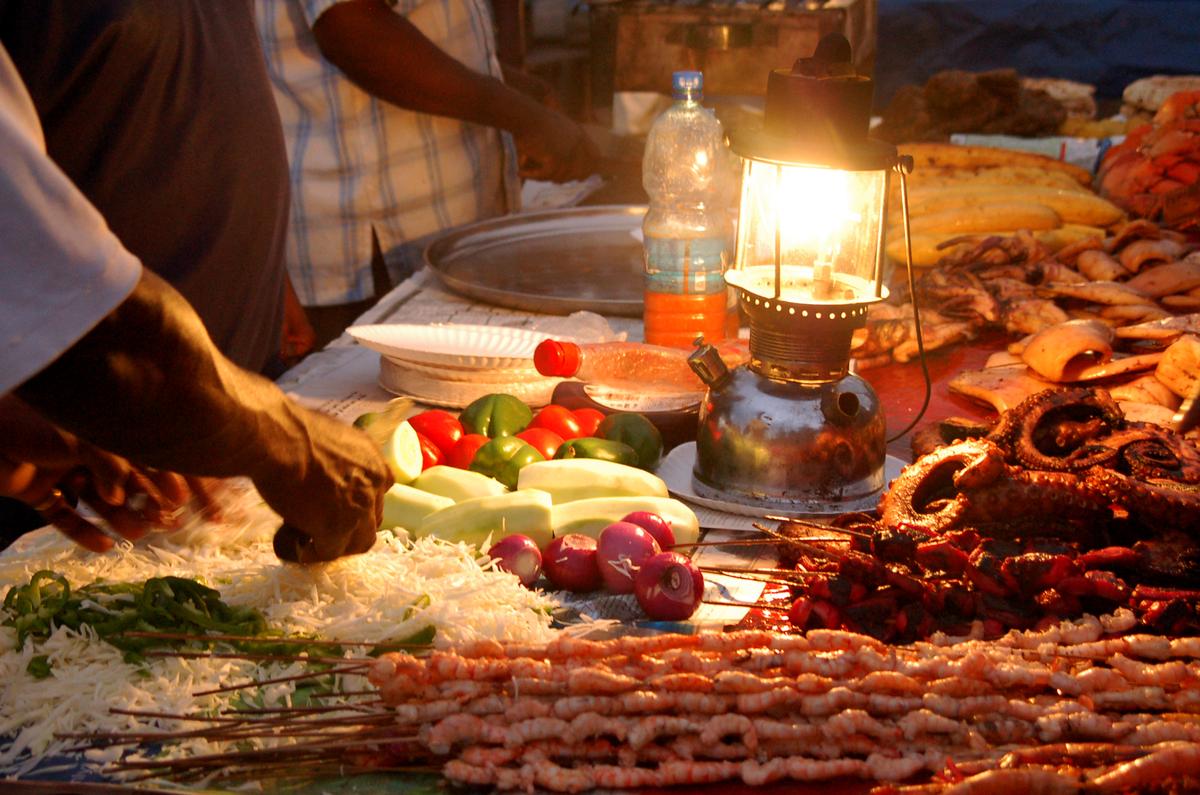
Zanzibari street food
| Photo Credit:
SPECIAL ARRANGEMENT
Locals tried to recreate the recipes brought in by migrants, but limited access to certain ingredients led to subtle changes. Blending flavour profiles from neighbouring regions and passing traders, then adding their twist, has long been the Zanzibari way of cooking, and hence, they are far from a replica. Over centuries, these influences and adaptations have now shaped the island’s cosmopolitan culinary identity.
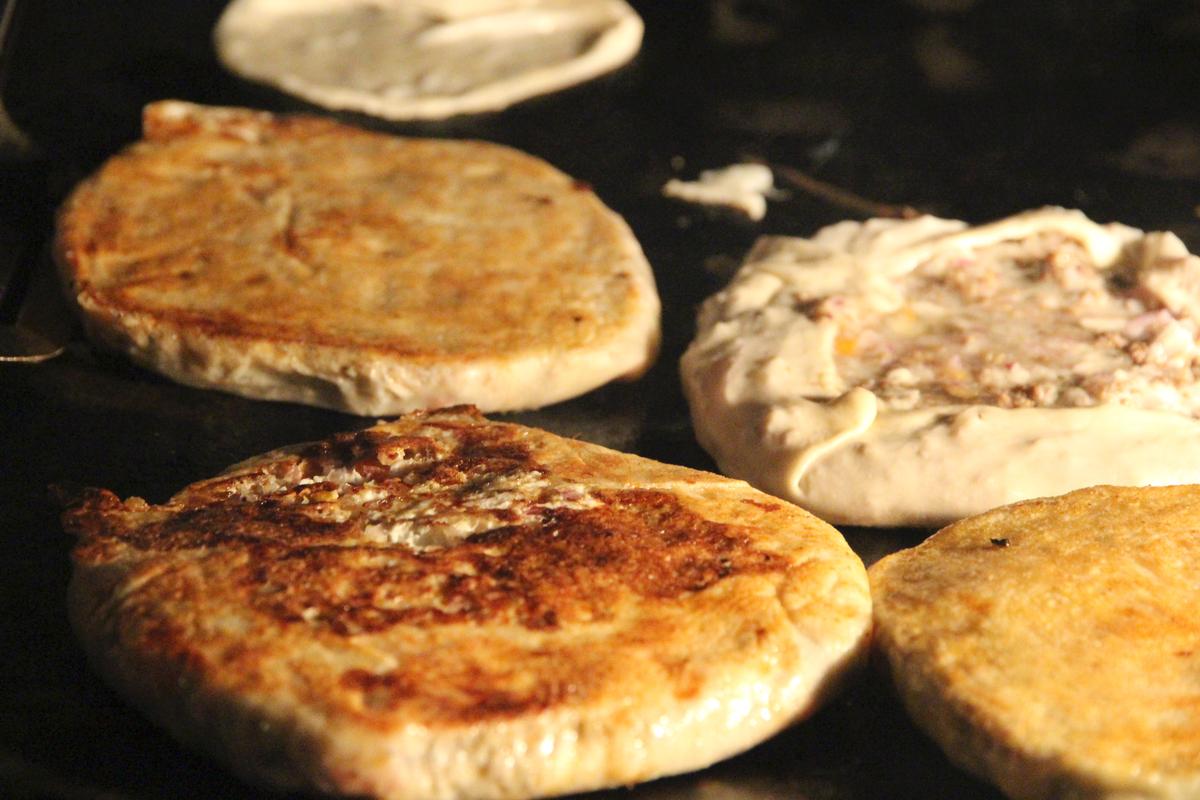
Zanzibar pizza
| Photo Credit:
SPECIAL ARRANGEMENT
For one last time, we walk towards the seafront, Forodhani Gardens in Stone Town — a UNESCO World Heritage Site — to reminisce the evening feasts. The night street food extravaganza has come alive — women sell sambusa, the scent of sizzling meat fills the air and hundreds of locals crowd the stands. This time, I bite into a Zanzibar pizza — part crepe, part omelette, part curry puff — generously splashed with achaar (pickle). And in that moment, I realised: the story of Zanzibari food will never be one of limitation but ever evolving.
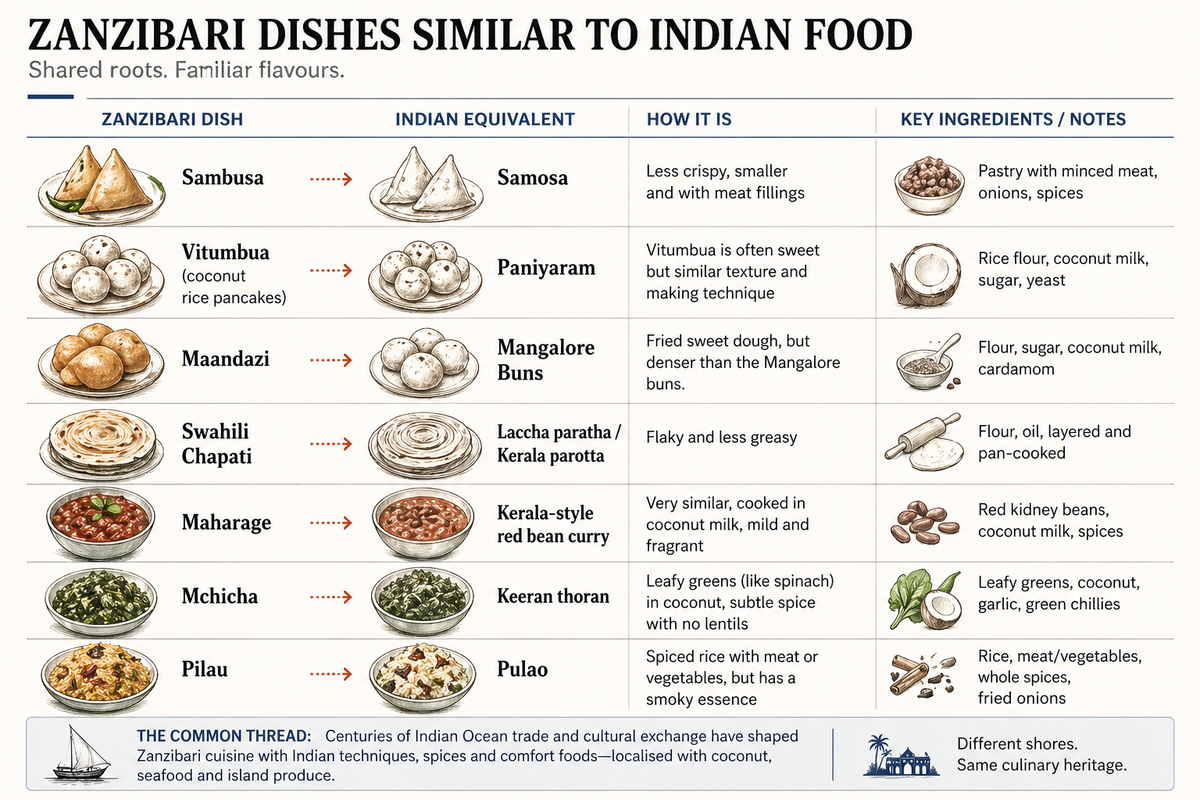
Info-graphic
Zanzibari dishes similar to Indian food
Sambusa
Indian equivalent: Samosa
How it is: Less crispy, smaller and with meat filings
Vitumbua (coconut rice pancakes)
Indian equivalent: Paniyaram
How it is: Vitumbua is often sweet but similar texture and making technique
Maandazi
Indian equivalent: Mangalore Buns
How it is: Fried sweet dough, but denser than the Mangalore buns.
Swahili Chapati
Indian equivalent: Laccha paratha / Kerala parotta
How it is: Flaky and less greasy
Maharage
Indian equivalent: Kerala-style red bean curry
How it is: Very similar, cooked in coconut milk, mild and fragrant
Mchicha
Indian equivalent: Keeran thoran
How it is: Leafy greens (like spinach) in coconut, subtle spice with no lentils
Pilau
Indian equivalent: Pulao
How it is: Spiced rice with meat or vegetables, but has a smoky essence