




How do butterflies taste? – The Hindu

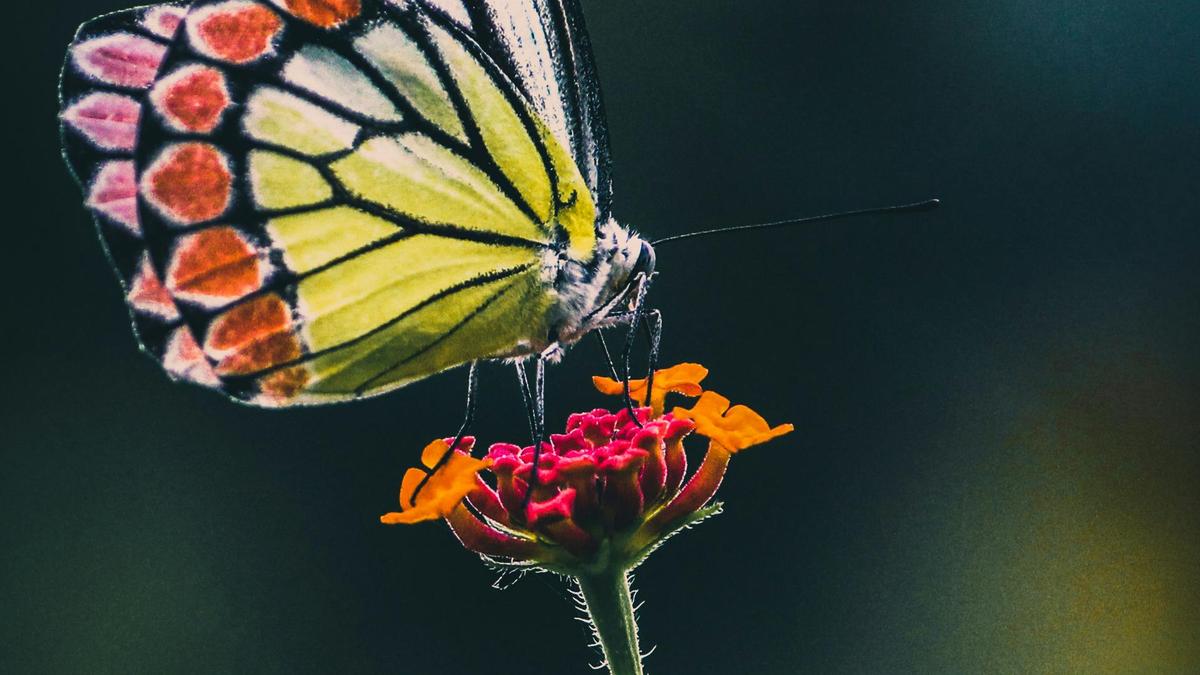
A butterfly’s mouth is basically like a built‑in straw.
| Photo Credit: PEXELS
You must have seen butterflies on top of flowers and leaves, but have you ever wondered what they are up to? Or more specifically, have you wondered how they eat and taste?
This might either disgust you or intrigue you to know more. Feet are the answer. Yes, you heard it right! Butterflies get different tastes through their feet. Confused? Here’s what actually happens…
Parts of a butterfly
A butterfly’s mouth is basically like a built‑in straw. The long, coiled proboscis, perfect for sucking nectar, is not, however, great for judging flavour on the spot. So evolution gave butterflies an alternative — specialised chemoreceptors on their feet, called sensilla, which act like tiny taste sensors.
When a butterfly lands on a surface, tiny droplets of moisture containing plant juices or nectar enter the pores of sensilla. These structures have receptors that detect sweet, bitter, salty, and other chemical signals, helping the butterfly decide if the surface is worth drinking from. If it detects “nectar-rich food”, the butterfly’s proboscis uncoils to sip, and if it receives “wrong plant” signals, it lifts off and searches for another source.
Thus, for a butterfly, landing and tasting are the same action, saving time and energy. Imagine having to bite and chew every leaf before you know if it’s edible! Instead, butterflies can instantly know if it’s the right host plant for their future caterpillars through their feet. This system is especially crucial for females, who must choose the perfect nursery for their eggs or risk their babies starving the moment they hatch.
Not just feet, though!
Butterflies do not taste only by using their feet. They also have chemoreceptors on their antennae, mouthparts (palps), and even wings, forming a distributed “taste network.”
Did you know?
If a butterfly lands on your hand or arm, it’s not always being affectionate; it might literally be tasting your skin to see if it holds any salts, sugars, or moisture worth drinking. In addition to tasting with their feet, some butterflies can absorb small amounts of water and minerals directly through microscopic pores on their legs, especially in hot, dry conditions.
Antennae help pick up airborne scents, steering the butterfly toward promising meadows, while the mouthparts give a final confirmation once the proboscis touches the flower. Together, these sensors let a butterfly navigate a landscape of smells, colours, and tastes.
This whole‑body tasting system is one reason why butterflies can flit from one flower to another so quickly. Each landing is a split‑second audit: “Is this sugary enough? Safe enough? Right species?” If the answer is no, the butterfly is already halfway to the next bloom.
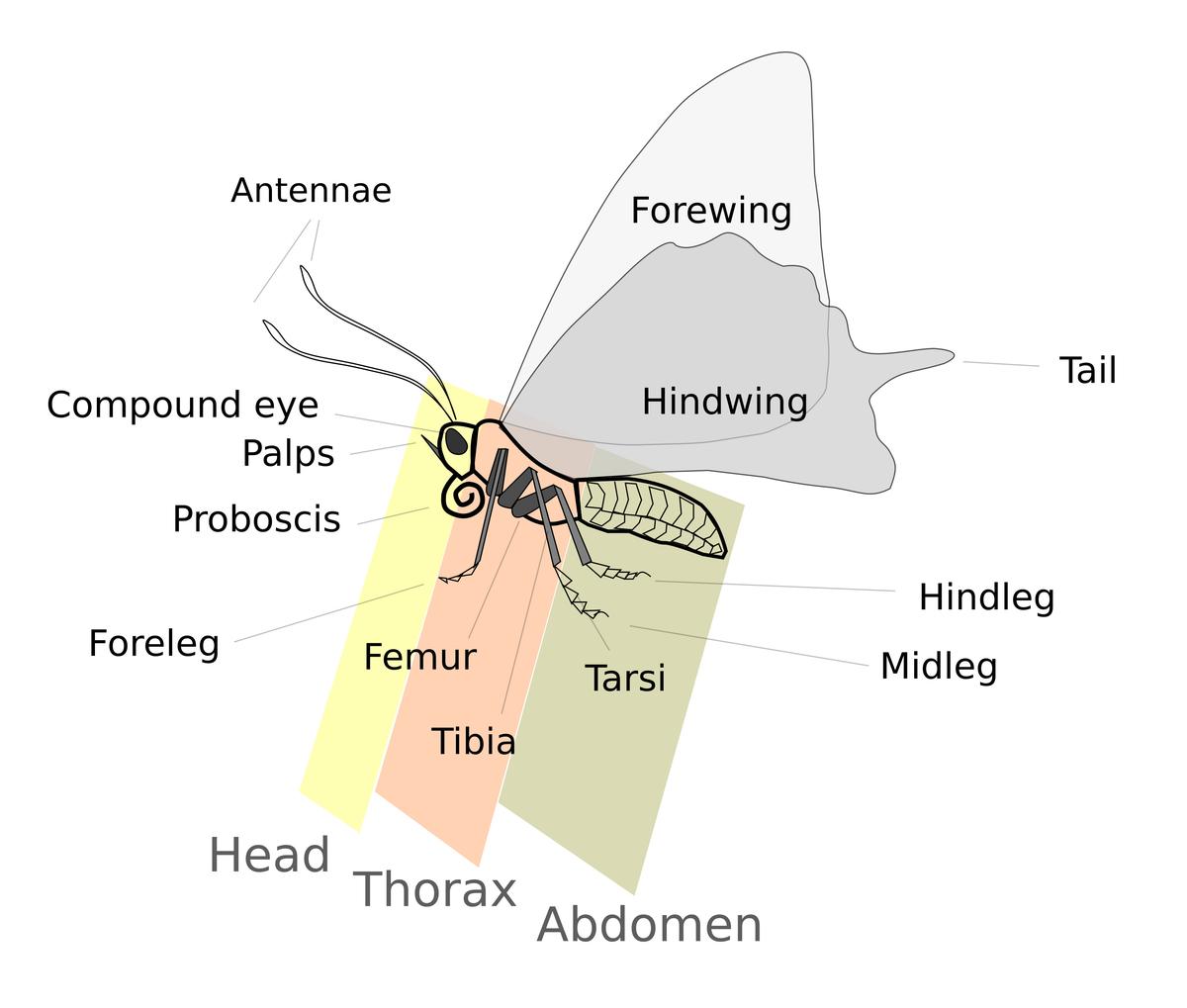
Parts of a butterfly.
| Photo Credit:
WIKIMEDIA COMMONS
Did you know?
This strange adaptation also helps plants and butterflies strike a quiet partnership. As butterflies sip nectar with their proboscis (straw-like body part), their feet and bodies pick up pollen, which then gets carried to the next flower, turning every “taste test” into an inadvertent pollination service.
Published – May 09, 2026 10:00 am IST