


cloud condition pushes solar panels OVER 100%
One Redditor got a big surprise this week, when they checked their rooftop solar app and saw something incredible – their 880 W PV system seemed to break physics by making more than 1,050 W of power!
True to their username, Redditor Full_Analysis_3392 didn’t immediately jump to the conclusion that physics was broken and the Apollo Moon landings were faked. Instead, they started in on the problem scientifically, with a quick check of their original assumptions.
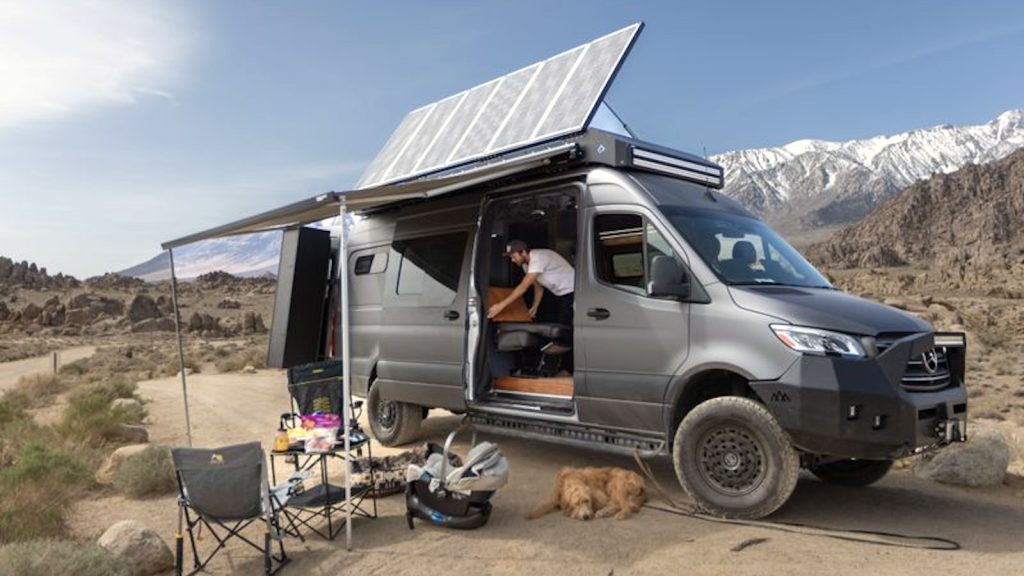
“I have 2x 440w double sided panels on the roof of my XLWB Sprinter and suddenly I am making more power than I thought possible,” wrote Full_Analysis_3392, giving us some critical information needed to solve the mystery. “The panels are Jinko Tiger Neo 440W Dual Glass All Black N-Type Bifacial. Any one able to explain? Are they actually 440w per side?”
Another Redditor, Adorable_Wolf_8387, responded quickly, writing, “Certain atmospheric conditions can make even more light hit an area on the ground than you’d experience from just direct sunlight.”
Mister-at added, “+1. Happens after rain. Combined with the fact that the panels and the air are colder which improves the efficiency compared to a normal sunny day when the panels are cooking.”
This has a name
There are likely a few things happening here. First, because this solar panel system is on the roof of a van, and not a house, we can reasonably expect that it’s not necessarily surrounded by buildings or trees and is, because of that, experiences a bigger sky (and, by extension, more and more varied clouds) than most home PV systems.
More clouds means that Full_Analysis_3392’s is more likely to encounter cloud edge (or cloud irradiance) enhancement effect. These are instances in which the cloud pattern increases global horizontal irradiance on the ground above levels higher than would otherwise be expected during clear sky with cloudless conditions, and which are more likely to occur during highly changing transient conditions.
But, as cool as that all is, it’s not all sunshine and buttercups, either.
Apart of the obvious scientific interest that poses analyzing the effect of these high frequency phenomena in the dynamics of solar irradiance, CEEs can have significant impact in the design and operation of solar photovoltaic plants. Under the high irradiance transients occurring during CEEs it is possible to increase power clipping due to inverter overloading, but a more serious threat is concerned with tripping protection elements such as fuses, as reported by do Nascimento et al. (2019) in several photovoltaic plants in Brazil, that in turn can cause impairments in operation that would lead to considerable economic losses for the plant operator. Hence, the consideration of the frequency, magnitude and duration of these phenomena is of importance not only from a metrological point of view, but also, as an input for photovoltaic plant design and operation.
You can read more about the work Castillo-Cuberos and Escobar at the Pontificia Universidad Católica de Chile their paper, titled, “Detection and characterization of cloud enhancement events for solar irradiance using a model-independent, statistically-driven approach,” which was published over at Science Direct.
Once you have a firm grasp on the science, feel free to head down to the comments section at the bottom of the page and explain it to the rest of us!
Electrek’s Take
Say what you will about physics-busting headlines, I would absolutely love to wake up one morning and see that my 10 kW home solar panel system was pumping out 12 kW, you know? And, if you’re still trying to get through the mental gymnastics needed to justify gas or diesel, ask yourself when the last time some kooky cloud cover meant you got to wake up with an extra gallon of fuel in your tank.
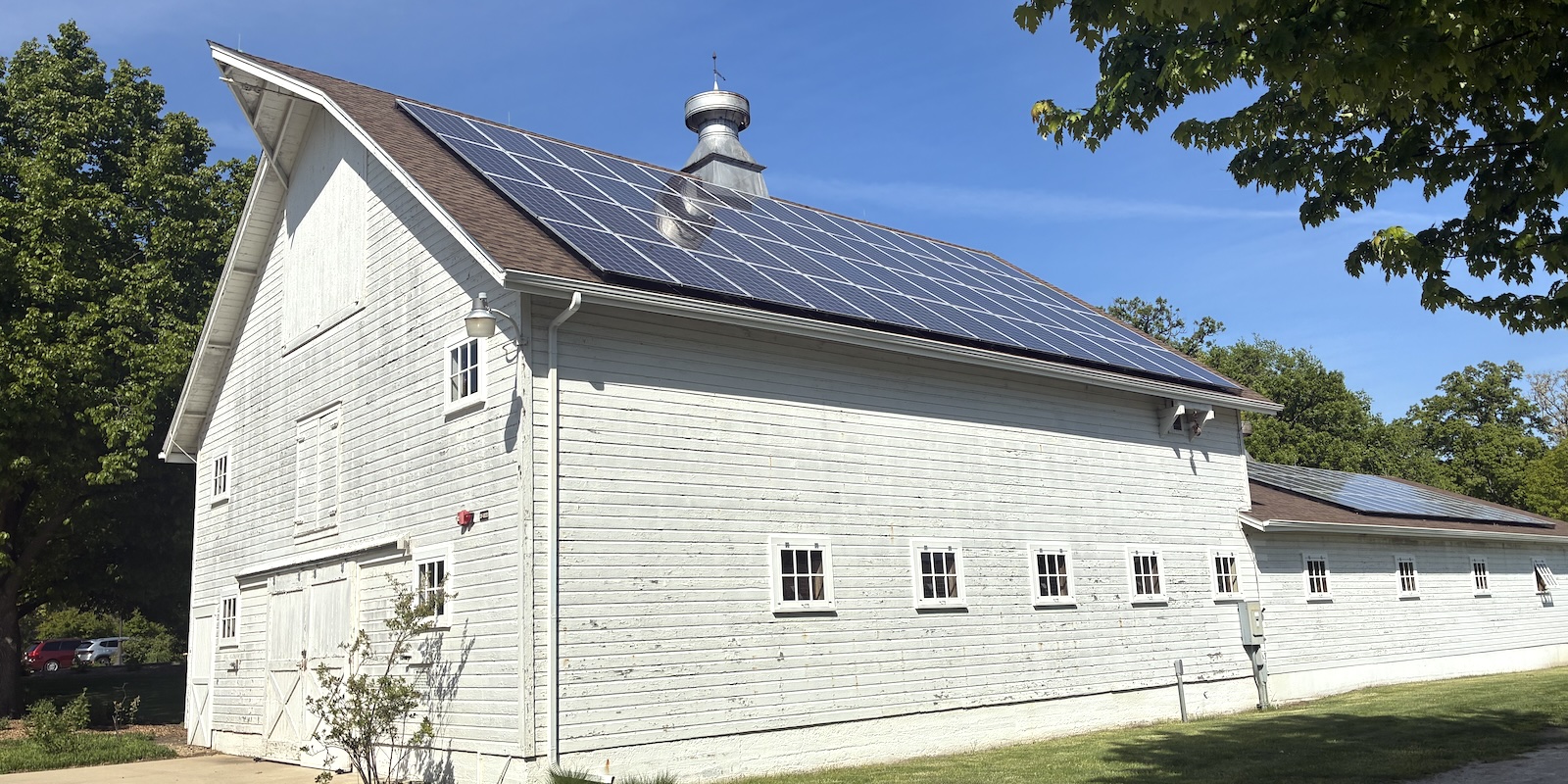
SOURCES: Reddit, Science Direct; featured image by the author.
If you’re considering going solar, it’s always a good idea to get quotes from a few installers. To make sure you find a trusted, reliable solar installer near you that offers competitive pricing, check out EnergySage, a free service that makes it easy for you to go solar. It has hundreds of pre-vetted solar installers competing for your business, ensuring you get high-quality solutions and save 20-30% compared to going it alone. Plus, it’s free to use, and you won’t get sales calls until you select an installer and share your phone number with them.
Your personalized solar quotes are easy to compare online and you’ll get access to unbiased Energy Advisors to help you every step of the way. Get started here.


FTC: We use income earning auto affiliate links. More.