




A new field guide spotlights Delhi’s marvellous bat diversity
Bat researcher Rohit Chakravarty finds the mouse-tailed bats, a group of small insectivorous bats, often found thronging the monuments of Delhi, particularly cool. “What I love about them is their long, whip-like tails, which they use to feel what is behind them,” he says, pointing out that the secluded, quiet, undisturbed environment, often found within Delhi’s monuments, mimics a cave, their typical habitat. “This may explain why Delhi has some of the largest urban insectivorous bat colonies in the country.”
Also read: A peek into the secret lives of Coorg’s many frogs
Even though bats are so ubiquitous in a city like Delhi, they are often overlooked, believes Nikhil John, lead naturalist and assistant manager for Nature Connect at WWF-India. “They fly over our heads all the time, but we have very limited information about them,” he says.
A new fold-out publication, Bats of Delhi NCR, is attempting to change that. Nikhil hopes that the guide, brought out by WWF-India in partnership with the Nature Conservation Foundation (NCF), the Centre for Wildlife Studies (CWS), and Bat Conservation International, will help people better understand these flying mammals. “Delhi is a city where the past meets the present. Its historical monuments, gardens and biodiversity parks are home to 15 species of bats,” states the publication, which was released in Delhi on International Bat Appreciation Day, April 17.
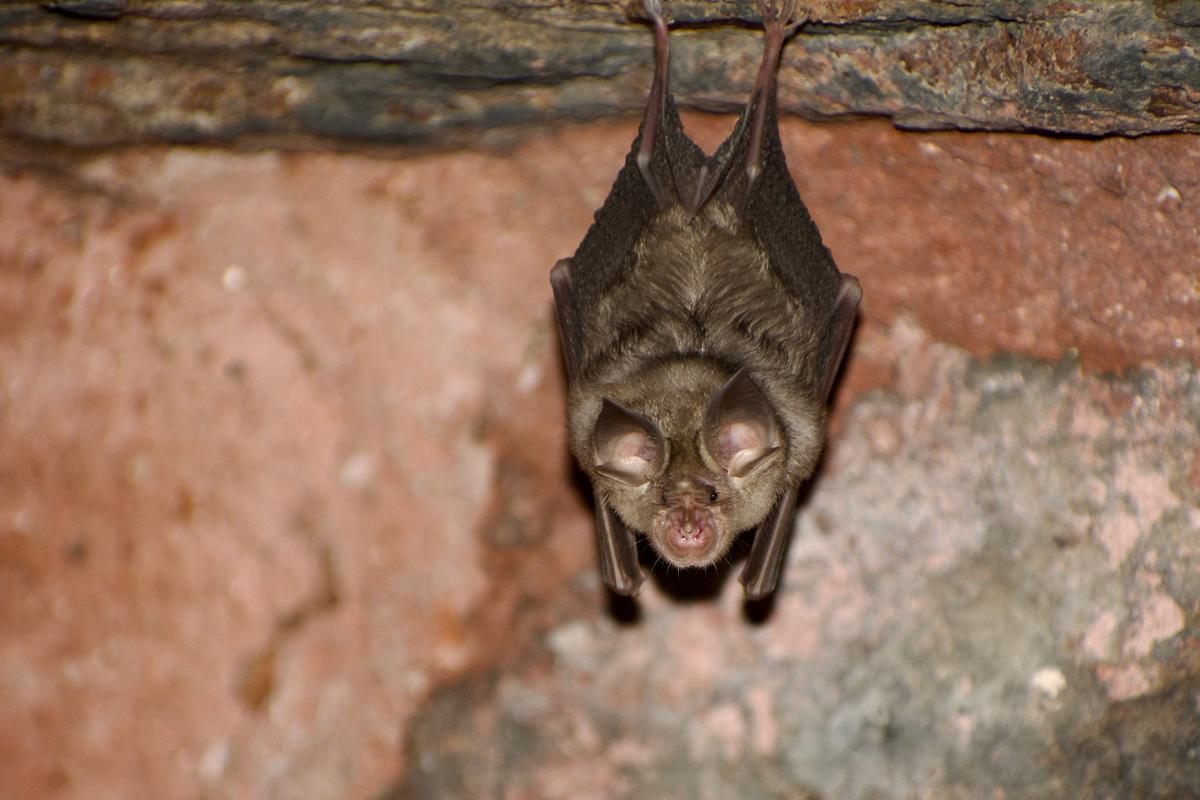
Blyth’s horseshoe bat
| Photo Credit:
Rohit Chakravarty
Not only does the publication feature illustrations of bat anatomy, explain their ecological roles, and bust many prevailing myths about these flying mammals, but it also highlights the morphology, habitats, diets, and characteristics of most of Delhi’s bat species.
“From the tiny pipistrelles that sleep inside crevices in our homes to the mighty flying foxes of Janpath, and the mouse-tailed bats that throng inside monuments, this guide is an attempt to make Delhiites care about their city’s hidden nocturnal wonders.”
The wonder of bats
Bats, with over 1,400 species worldwide, are an incredibly diverse group of mammals and the only ones capable of true, sustained flight, thanks to their elongated forelimbs, a wing-like membrane called a patagium that helps them climb, and the ability to navigate the skies using echolocation.
They are crucial to the functioning of a healthy ecosystem, not just because of their role in seed dispersal and pollination, but also because they contribute substantially to pest management. This is especially relevant to Delhi, where there is specific data showing they control pests in the city, says Rohit.
“Bats have a great influence on the surrounding ecosystems, and we have pretty good evidence to show that it’s not a great idea to remove these bats from monuments,” says Rohit, currently a principal scientist and faculty at the Centre for Wildlife Studies (CWS) in Bengaluru.
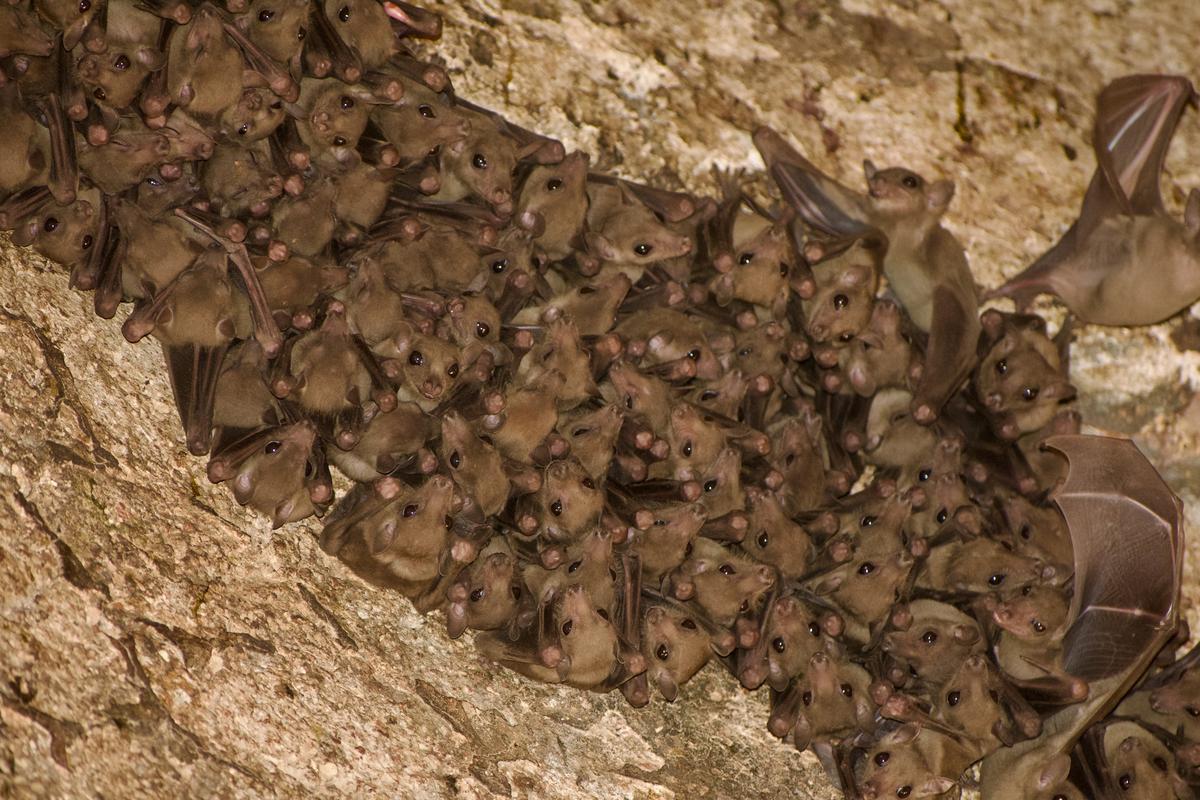
Fulvous fruit bat
| Photo Credit:
Rohit Chakravarty
But bats, like other nocturnal animals such as owls, scorpions, and snakes, often have an undeserved association with practices like witchcraft and black magic and are thought to bring bad luck. In short, they are often misunderstood by people whose “imaginations run wild,” says Rohit.
Also read: Why you should not fear snakes: Rom and Zai Whitaker on understanding the fascinating creatures
He believes that a publication like this will not only educate people about the bats around them but also help them realise that they are harmless. “For somebody who’s just seen a black blob flying in the sky, the myth will remain. But if you see the face of that animal that looks just like a mouse or dog, your perception is likely to change.”
What has not helped the reputation of bats are recent discoveries that they can serve as reservoirs for viruses that cause diseases like COVID and Nipah. However, he feels that these stories need to be addressed with some nuance and context. “The origin of the viruses is only a part of the story. Most animals, including humans, have viruses that could jump across species,”
Bats, he reminds us, have been in Delhi since the city has existed. “The most important thing to realise is that we have shared space with these animals for thousands of years and we need to respect the distance we have traditionally maintained from them.”
Awareness and more
Rohit, who was formerly associated with NCF, says Delhi has always had a strong, long-standing interest in natural history, with abundant resources for many birdwatchers. “But despite that, many people don’t know how to identify bats here,” says Rohit, who thought that creating a publication in collaboration with WWF with photographs and natural history information about bats was the way forward.
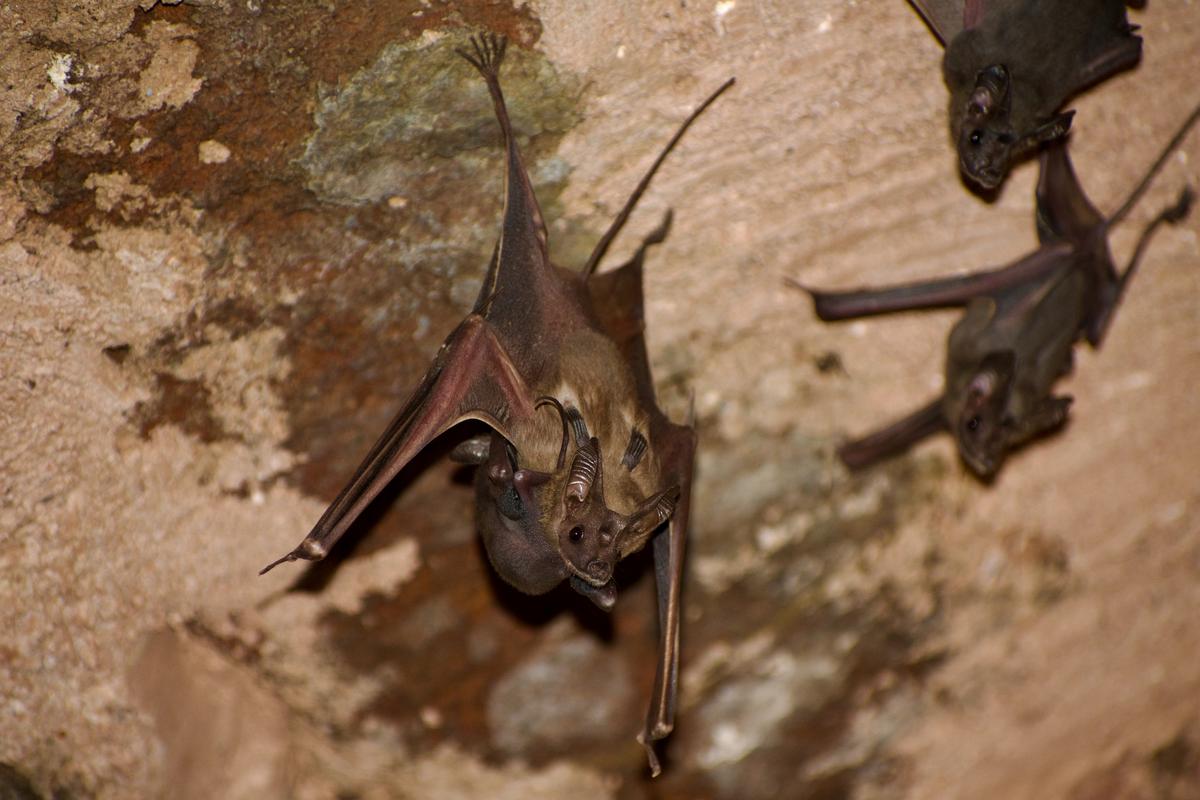
Greater mouse-tailed bat
| Photo Credit:
Rohit Chakravarty
“There is a gap between scientific knowledge and public awareness about bats,” adds Nikhil, who felt that they needed something “ visually engaging, scientifically accurate, easy to carry , and also an approachable resource that can be used by naturalists and educators, as well as a person who is new to the field.”
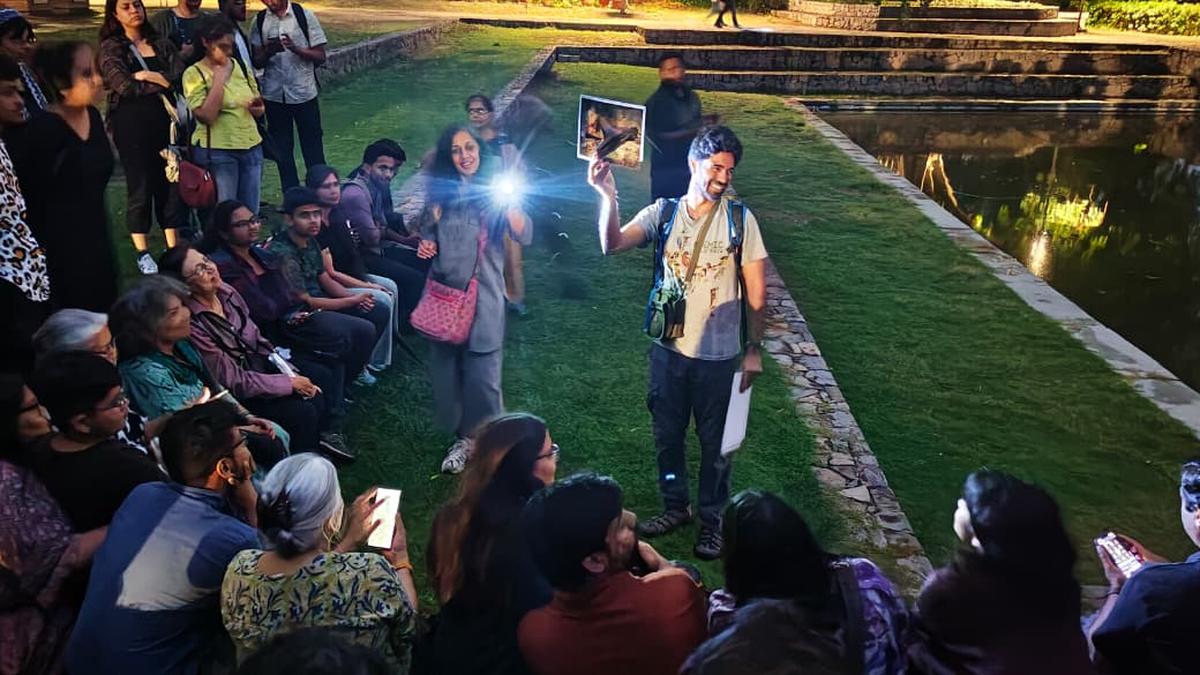
The best part about this publication launch, he says, was that it was accompanied by a walk in Delhi’s Sunder Nursery, led by Rohit. “Linking the publication with the ground reality was important. What I observed was how people were so happy to look at and learn about something they had never heard of before,” he says, pointing out that nature education could play an immense role in getting people to appreciate bats more, something Rohit agrees with, too. “Once people start appreciating bats, they will want to conserve them.” .
Published – May 21, 2026 10:36 am IST