



A new fellowship that reimagines conservation in Northeast India
For many years, Sameer Gurung, who grew up in the village of Mangzing in Sikkim, did not realise that conservation was something that he could do himself. “I would just hear about it in papers and other media,” he says. Then, in 2024, he came across and got selected for a responsible tourism workshop offered by the Green Hub Project, a North East-focused initiative that engages and empowers youth in conservation action and social change.
“That is where I got to know more about the conservation efforts happening in the North East, and I got inclined towards biodiversity conservation,” says Sameer, who began using art and storytelling to drive his conservation efforts. “I would like to find projects, funding, and grants through which I can support and take forward conservation with my art.”
It was to further these goals that Sameer successfully applied for the Future Full of Forests Fellowship, a new programme offered by the Canopy Collective, which brings together researchers, artists, local communities, and grassroots leaders to reimagine wildlife conservation in the North East. The fellowship, which has been supported by the Coexistence Consortium, Duleep Matthai Nature Conservation Foundation and a host of other organisations, “aims to support young community-based practitioners with training in project management, communication, and storytelling,” explains wildlife biologist Nandini Velho, founder and project lead at Canopy Collective, who has been instrumental in developing this programme.
The Fellowship was motivated by focus group discussions conducted by Nandini and her colleague, Sayan Banerjee, with on-the-ground conservation practitioners. It found that, across the North East and other parts of India, these practitioners play a vital role in protecting forests, wildlife, and community landscapes, bringing strong place-based knowledge and deep-rooted context to their work. But they often lack structured support systems to carry out their work meaningfully.
“We have been working with practitioners for more than a decade, and I also have a research background, so I am familiar with the university and institutional frameworks,” says Nandini, who believes that there is a big gap in access when it comes to certain learning tools and levels of practice. “I don’t think that the system we presently have allows for this on-ground field practice for everybody,” says Nandini.
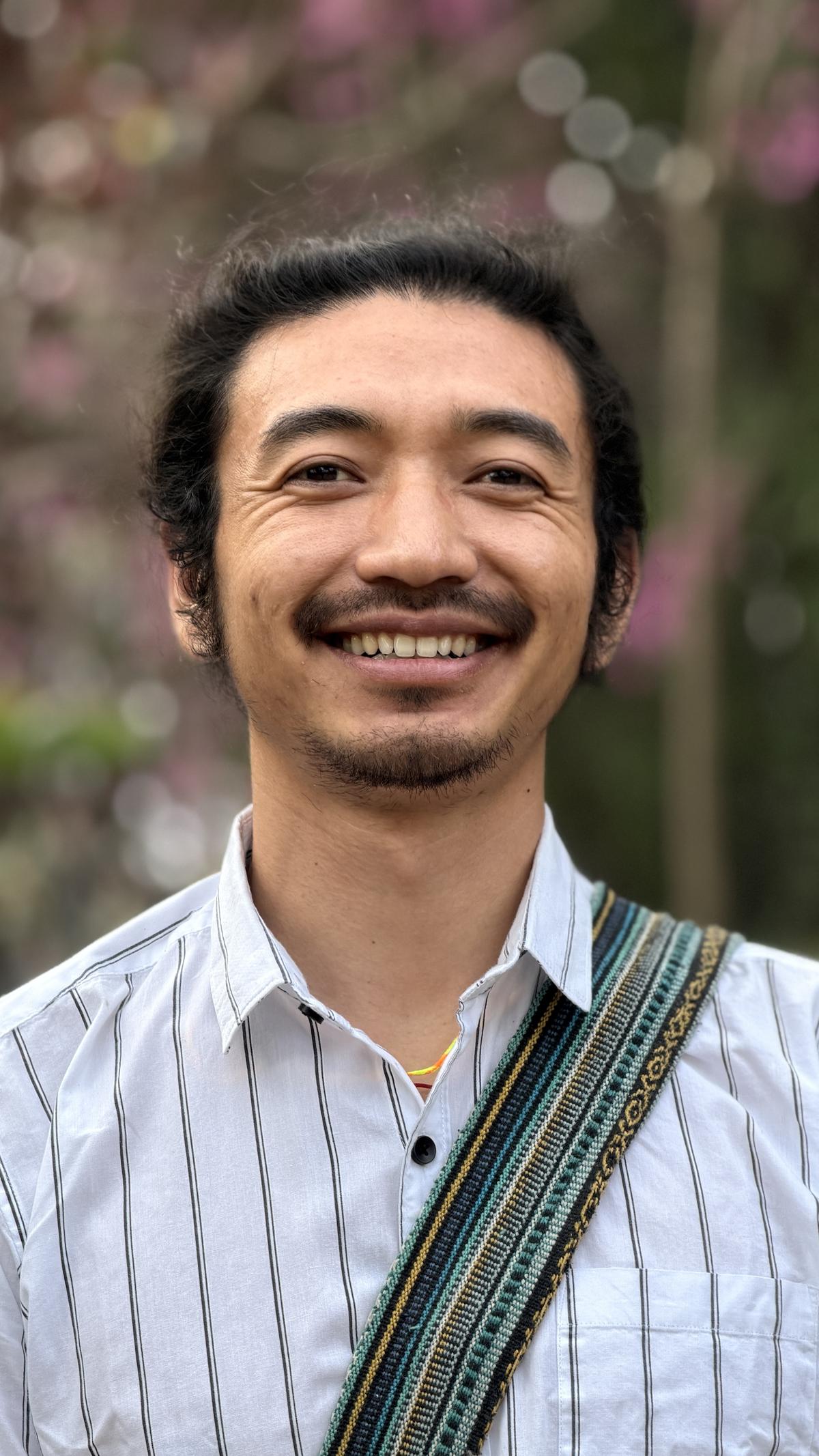
Sameer Gurung
| Photo Credit:
Special Arrangement
One issue that came up, for instance, is that while these practitioners understand their landscapes well, they struggle to communicate their learnings. They are often constrained by a lack of skills in areas such as proposal writing and project management, which in turn limits their ability to secure funding and sustain their initiatives.
“They (conservation practitioners) said that they often felt underconfident and would like further training to be able to tell their own stories, give a presentation or write an article,” says Nandini
Another critical issue these conservationists raised was a gap in understanding between local knowledge and its relation to well-established ecological theory. “Most grassroots and on-ground conservationists we spoke to knew their forests intimately. But many expressed a desire to connect that lived knowledge with scientific frameworks to understand how their observations fit into bigger ecological stories,” explains Nandini.
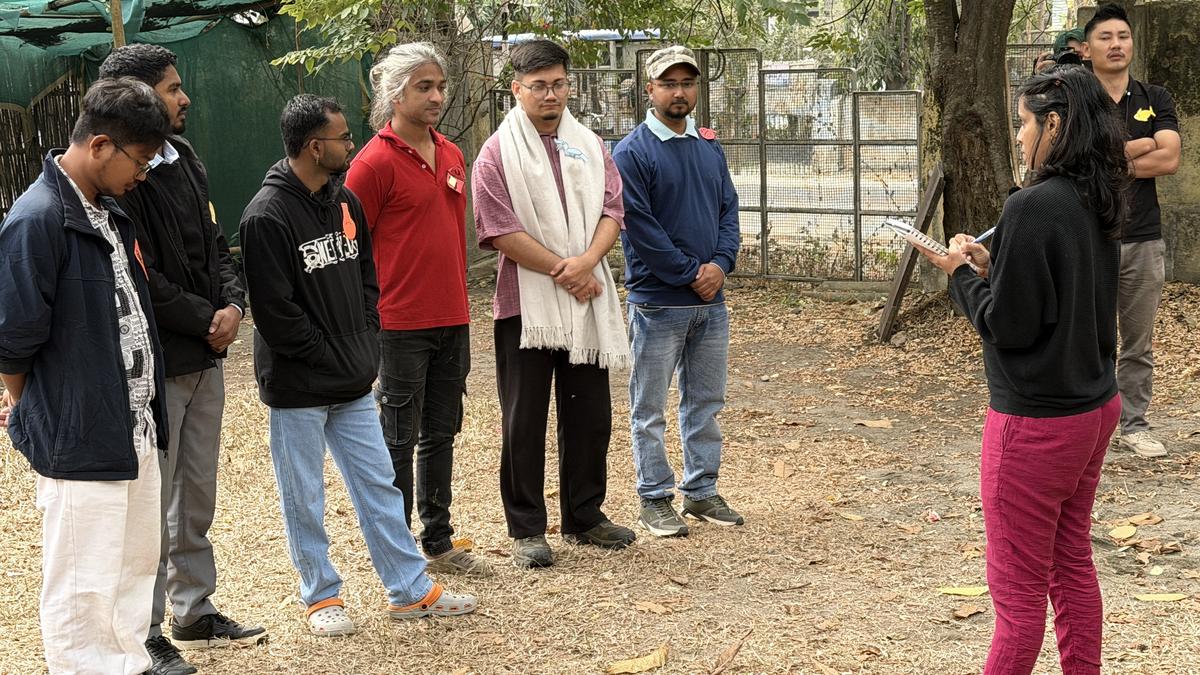
The fellowship, which sought to address these concerns, was rolled out in February this year and will culminate on May 17, when Sameer and 19 other fellows will officially graduate at a ceremony during the Green Hub Festival 2026 in Tezpur.
The fellowship, she says, was spread across three phases, and “between the phases, we also had mentors coming along, so it was a continuous process, and there were certain milestones that the fellows had to complete during the fellowship.”
Some of the other fellows from this first cohort include Shaleena Phinya from Singchung, Lipok Jamir from Nagaland, Lucky Changmail from Dibrugarh and Binita Deka from Jorhat, all of whom have contributed to the conservation narrative of their States in different ways.
”I learnt many things from this fellowship,” says Shaleena, a filmmaker and member of the community patrol staff at the Singchung Bugun Village Community Reserve in Arunachal Pradesh, listing her key takeaways from the fellowship, which include proposal drafting and storytelling. “All this was new to me, as we don’t have things like this in our village. It has been a good experience so far.”
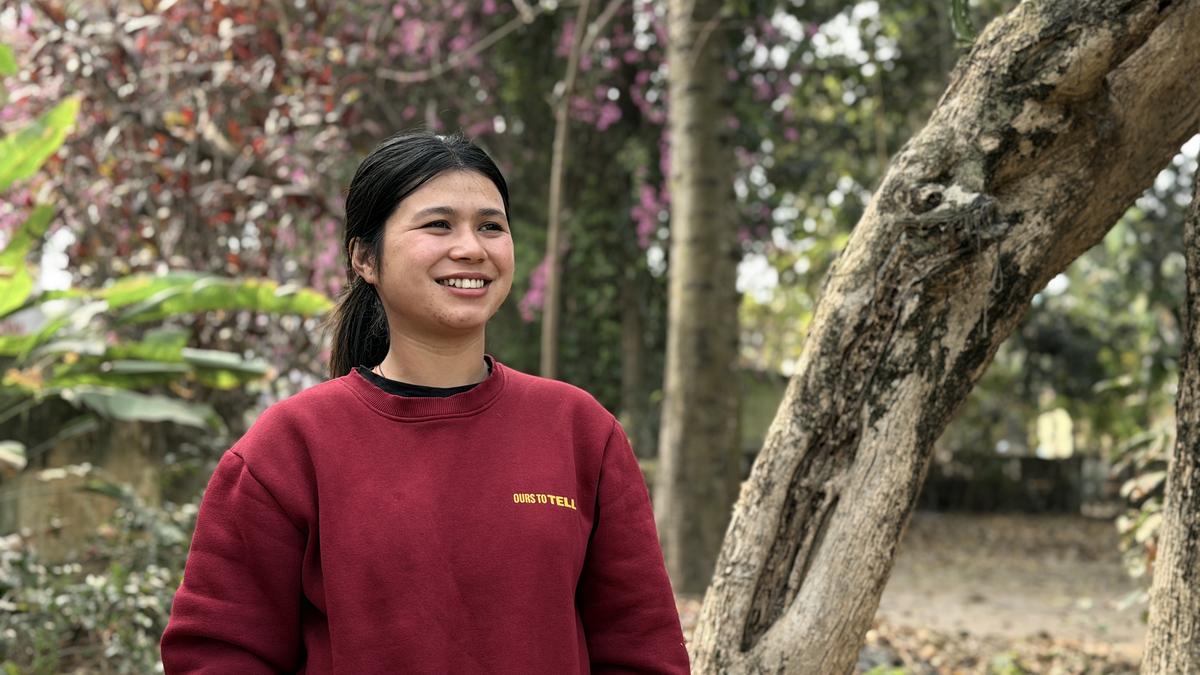
Shaleena Phinya
| Photo Credit:
Special Arrangement
The hope now, says Nandini, is that the fellows will leave with a “renewed sense of confidence and knowing that there is support and a world out there that cares very deeply about the work they do. I want them to realise that the work that they do and the experiences that they have are the way forward.”
To know more about the fellowship, email communications@canopycollective.in
Published – May 16, 2026 05:35 pm IST