




Why Indian parents are looking at assisted living facilities for autistic adult children
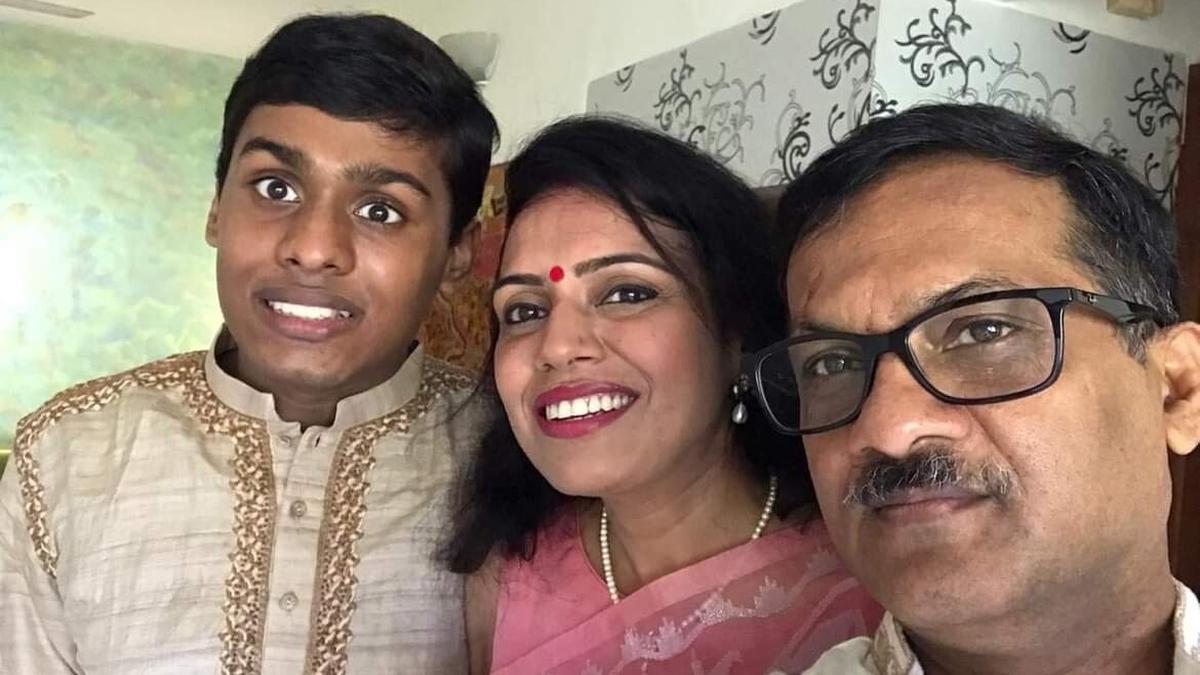
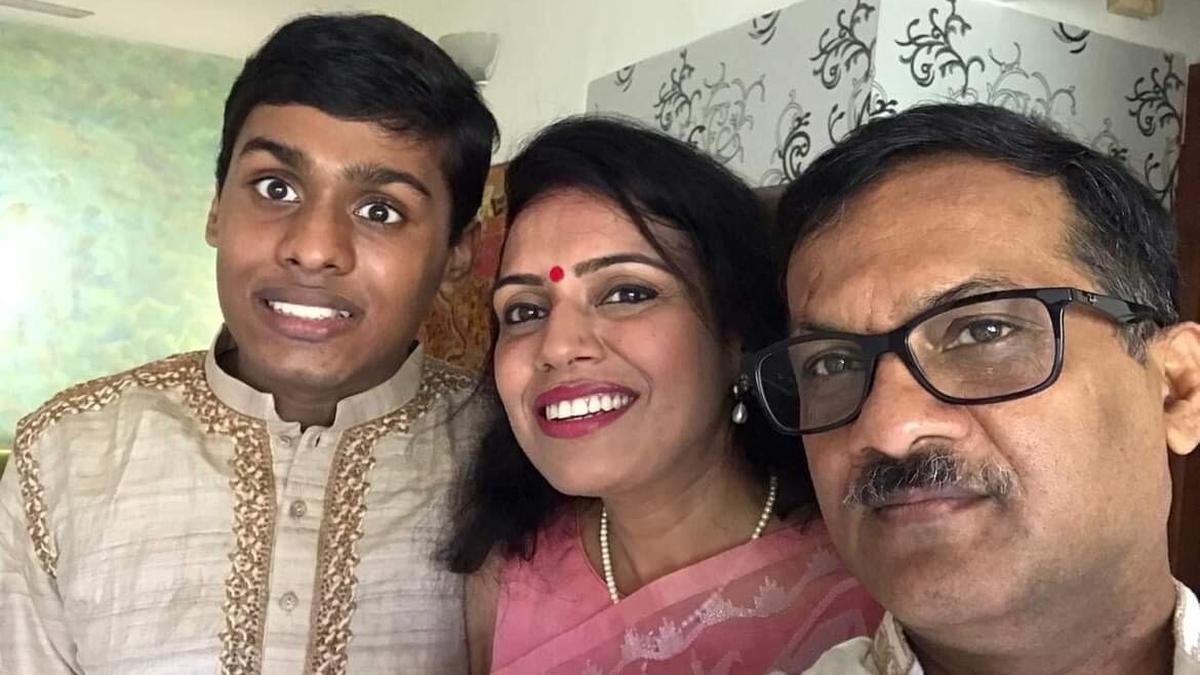
Bengaluru-based Shashwat Ghosh with parents Malvika and Swapan Ghosh during Durga Puja. Shashwat likes dressing up.
| Photo Credit: Special Arrangement
Shashwat Ghosh, 25, wakes up at 6 am every day and takes a shower. A routine is important to him. He runs marathons to keep fit. Having worked at a hotel, he runs a small baking business within his Bengaluru apartment complex, and has orders coming in on a WhatsApp group called Baker on the Block, created by his mother. He delivers the orders by evening. Every night, he prepares the next day’s menu with his mother’s help. Now on a break from the business, he is learning about managing money, digitally, on his parents Malvika and Swapan’s insistence. He finds intricate calculations challenging. Shashwat is autistic, his mind processes things differently.
When neurotypical people meet Shashwat, his speech might sound garbled; his insistence to be physically close while interacting can annoy some people, especially women. His parents hold awareness and sensitisation drives in their apartment complex to acquaint others with his condition. One day, a neighbour found him spinning around on his bicycle in his apartment’s walking track, rapidly mumbling, with his hand bleeding. She rushed to alert his grandmother. Shashwat lives with his parents and grandmother, and finds it difficult to communicate to others about bodily injury. “My husband and I are always worried about what will happen to him after us,” says Malvika.
Published – April 18, 2026 07:00 am IST