

Why Indian chess needs more big-ticket, Super GM tournaments
It was the day Lionel Messi landed in Mumbai. The Wankhede Stadium looked as tense with anticipation as it would on an IPL match-day, with thousands waiting to get in.
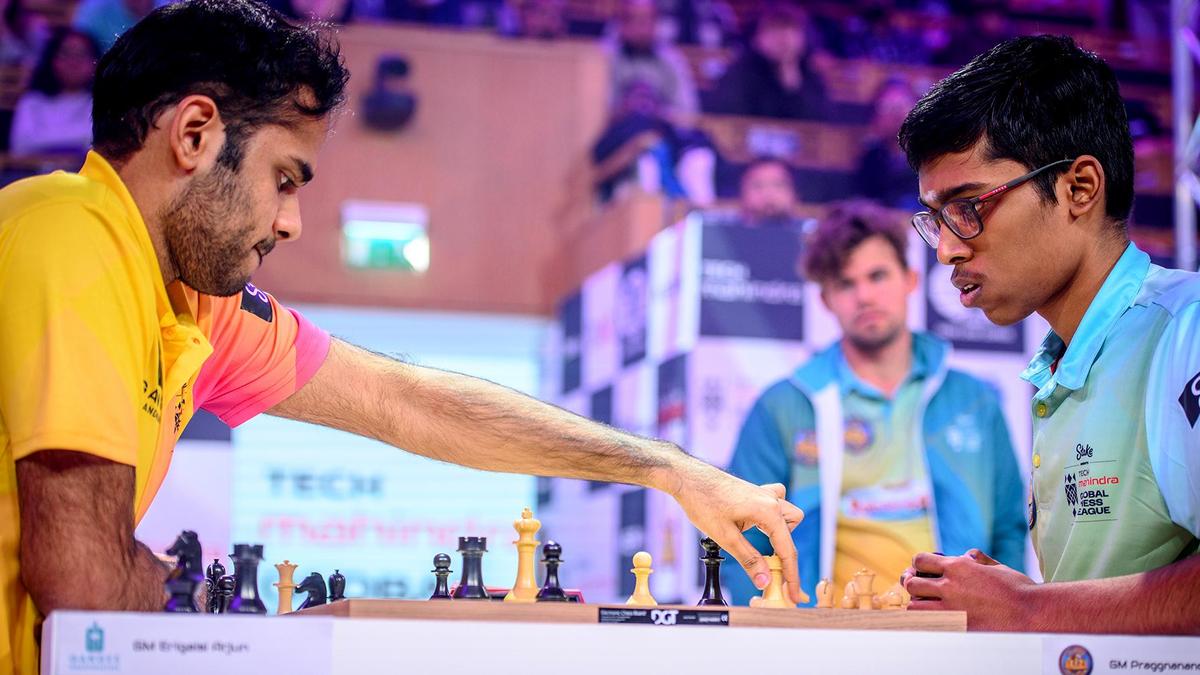
Not far away, at the Royal Opera House, stars — many of them, in fact — of a different sport were also being awaited by fans. It was the opening day of the Global Chess League’s third edition. After debuting in Dubai and then moving to London, the league, a joint venture of Tech Mahindra and world chess governing body FIDE, arrived in Mumbai last December.
Back in India
Last week, the Indian tech giant announced that the GCL’s fourth edition would also be held in India. That means the country’s chess followers will again get to witness the biggest names in the game. They had come in large numbers for every day of the league. And they got to meet and click photos with their favourite stars.
“The response from the spectators was tremendous in Mumbai, and the sponsors were also happy, and we therefore felt the GCL could have another season in India,” GCL commissioner Gourav Rakshit tells The Hindu over the phone from the United States. “Even when future editions of the league are held abroad, we will continue to have an event every year in India.”
India is the superpower in world chess at the moment. The reigning World champion is an Indian. India is the reigning team champion, too, among both men and women. India will contest the World Championship match this year in both sections. The current women’s World Cup winner is an Indian, as is the World junior boys’ champion.
Much is right with Indian chess, yes. But, the fact remains that India needs more big-ticket events like the GCL. And if the country wants to strengthen its bench, plenty of elite tournaments must be staged.
India is now an important host for FIDE’s official events. Last year, Goa staged the World Cup, the most prestigious knockout event on the chess calendar. In 2022, Mamallapuram, near Chennai, was the venue for the Olympiad, the ultimate team championship in chess, something like the Davis Cup of tennis. In such events, only a few selected Indians can compete. What India needs is high-category private tournaments featuring the world’s top stars — events that will give opportunities to players just outside the very elite and that will also help the game attract attention.
Of course, chess is getting increasingly popular in the country, and these days it probably gets more space in the media than anywhere else in the world, but big events in which the likes of Magnus Carlsen, Fabiano Caruana and Hikaru Nakamura take on the best Indian talents would not hurt the marketing of the game. And for India’s emerging players, such tournaments can provide big breaks.
Take the case of the Tata Steel Chess India tournament that is held in Kolkata. It is the only event that brings the world’s biggest stars to the country every year. The organisers also ensure that India’s bright young talents get opportunities. In 2021, Arjun Erigaisi, who was seeded eighth in a field of 10, won the rapid section, and then tied for the top prize in the blitz category, which he only played after compatriot B. Adhiban pulled out because of illness. That proved a turning point in Arjun’s career. He is now the world’s highest-ranked Indian.
Springboard for success
The following year, R. Vaishali stunned the field by winning the women’s blitz title, after starting out as the seventh seed. That was the biggest win of her career until that point. Last month she won the Candidates tournament in Cyprus to earn the right to challenge Ju Wenjun for this year’s Women’s World Championship.
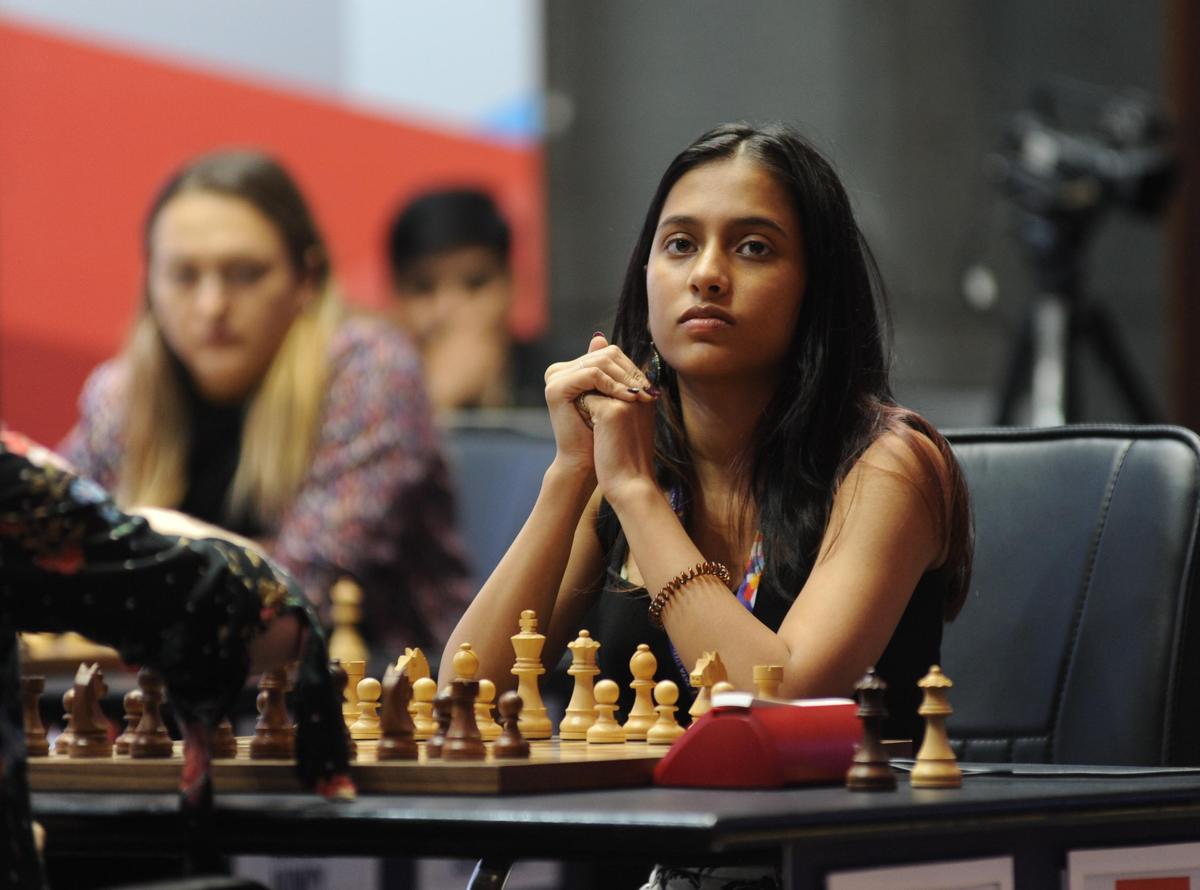
Launchpad: The 2023 Tata Steel Chess India tournament was an important moment in Divya Deshmukh’s career. Winning the rapid title proved she could get the better of top players.
| Photo Credit:
DEBASISH BHADURI
When Vaishali withdrew from the 2023 event at the last minute, Divya Deshmukh replaced her. Divya began as the 10th seed, in a field of 10, and went on to win the rapid title. That was the biggest win of her career until she won the World Cup last year.
In 2023, the inaugural edition of Chennai Grandmasters, the strongest tournament ever in India (with an average rating of 2711) at that point in time, was organised hastily to help players like D. Gukesh and Arjun qualify for the Candidates. Gukesh won the tournament and took the last available spot at the Candidates, which he won in Toronto in 2024. A few months later, he defeated Ding Liren to become the youngest World champion in history, at 18.
If the Chennai Grandmasters hadn’t happened, India would not have had its second World champion (some 24 years after Viswanathan Anand triumphed at Tehran). Gukesh will be challenged later this year by Javokhir Sindarov, the Uzbek who is very much the man of the moment in world chess.
Uzbekistan is one country that could challenge India when it comes to outstanding young talent. “Uzbekistan understands the importance of having elite tournaments,” S.L. Narayanan, a talented youngster who hasn’t got the opportunities he deserves, tells The Hindu over the phone from Germany. “You also see Uzbekistan conducting matches [a series of games between two players]. As a result, you can see the young Uzbek players getting stronger and new talents emerging.”
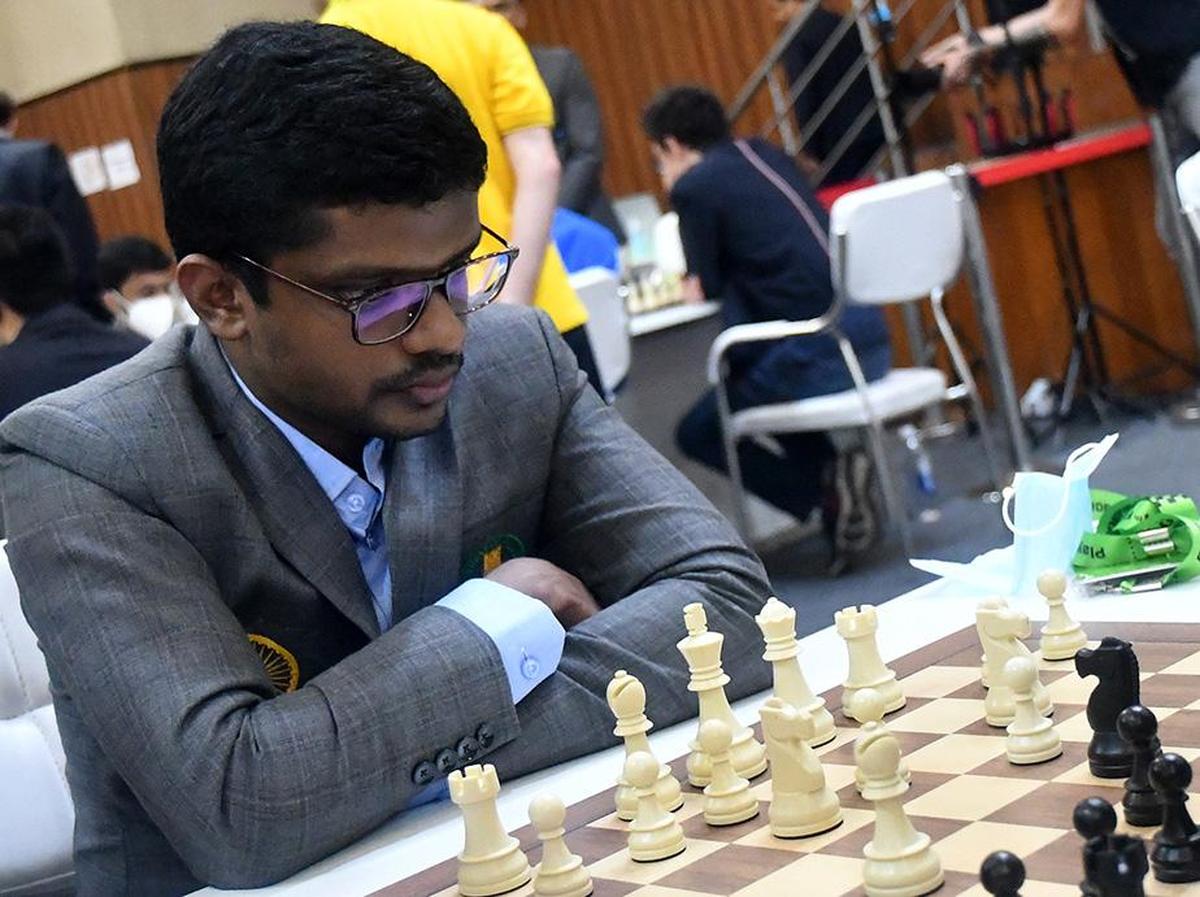
Essential requirement: GM S.L. Narayanan says India needs ‘at least four high-category events’. ‘If we had such tournaments, players like me would have benefited greatly,’ he adds.
| Photo Credit:
B. Velankanni Raj
Narayanan was once ranked 40th in the world. “If we had such tournaments in India, players like me would have benefited greatly, instead of travelling across the globe,” says the Thiruvananthapuram-based Grandmaster. “When I came close to reaching 2700, I had written to the organisers of several big international tournaments, but nothing happened. We need at least four high-category events in India.”
Not that it is difficult to conduct such events. You don’t need to hire a stadium or invite a large number of players. All you need is intent. Given the status Indian chess enjoys at the moment, corporates are likely to offer sponsorships.
Showing the way
Chessbase India, with help from MGD1 and the Tamil Nadu government, showed the way with the Chennai Grandmasters, the second edition of which was won by Aravindh Chithambaram. One of the most gifted Indian players, he promised a lot more when he won sensationally, at the age of 14, the Chennai Grandmaster Open that was staged as a sidelight of the 2013 World title match between Anand and Carlsen at Chennai.
Players like Aravindh, Narayanan, V. Pranav and M. Pranesh could help Indian chess become stronger if they get to play Super Grandmaster tournaments in India. “Of course we need such tournaments,” says Pravin Thipsay, India’s third GM. “Given the format of the GCL, not many young Indians can be selected in the franchises. The league has proved that India can conceive and execute such exciting, star-studded tournaments.”
There should be more. Remember, Anand never got to play an elite private tournament in India when he was among the world’s top three for the better part of two decades. At least his successors deserve better.