

The Iran conflict and the future of Shia identity
‘The Iran war is a crucible for the future of Shia identity’
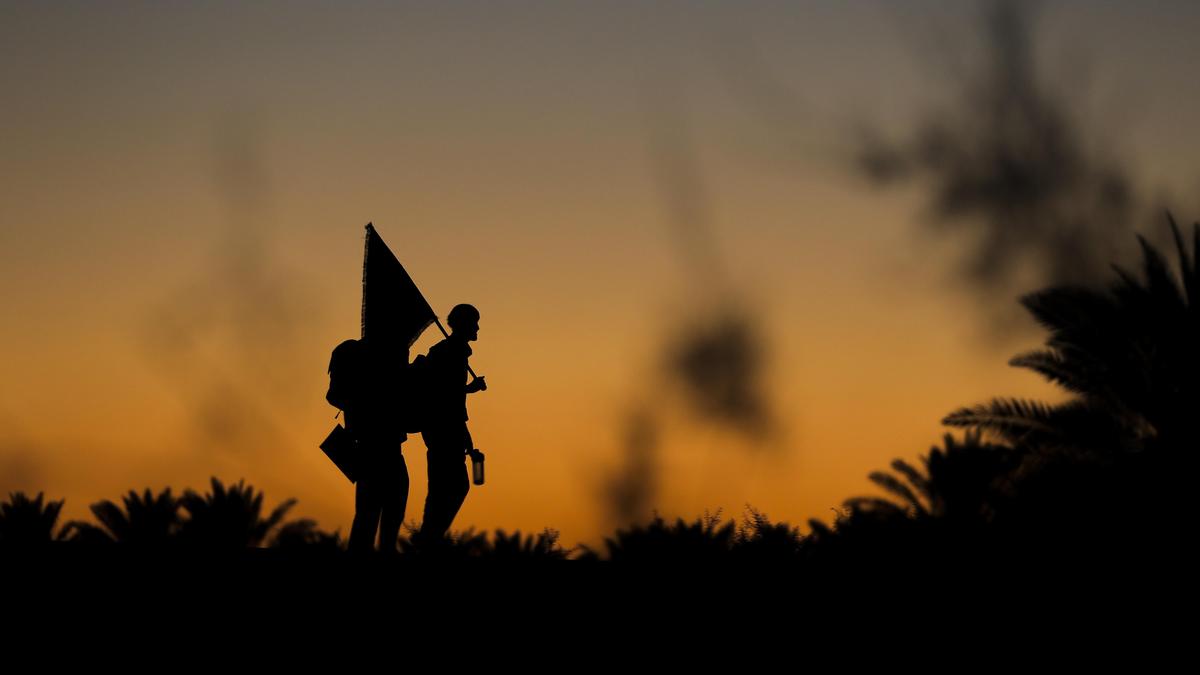
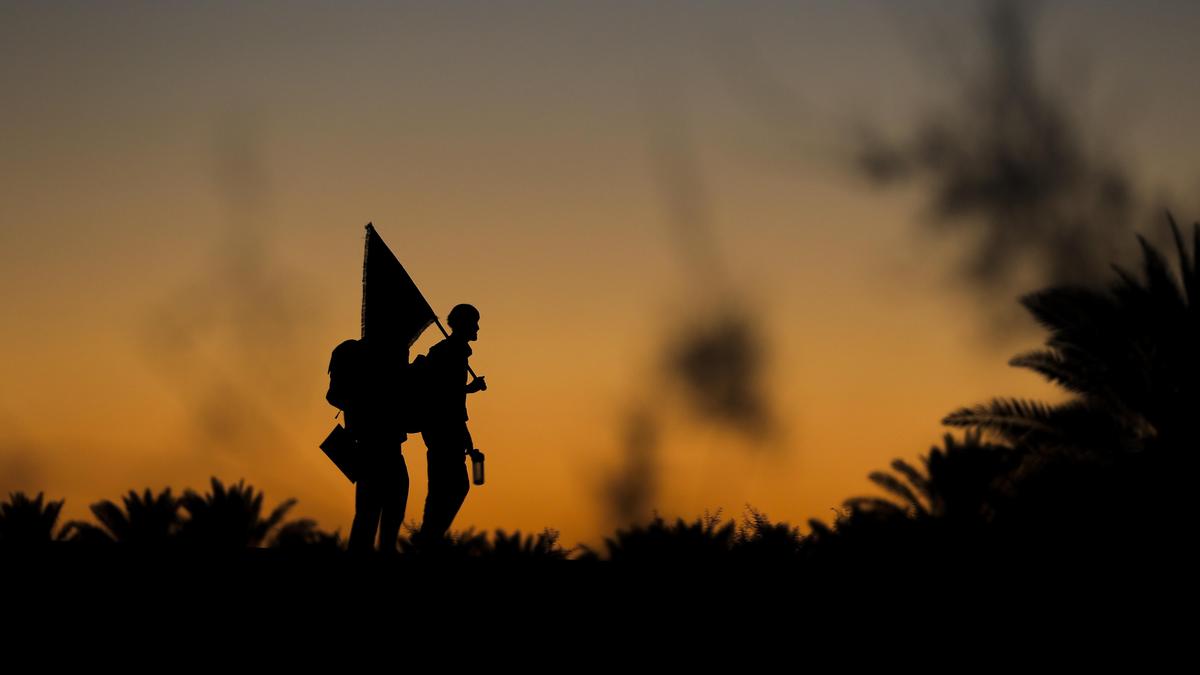
| Photo Credit: AP
The Iran war is not merely a geopolitical conflict; it is a crucible for the future of Shia identity. For nearly half a century, Shiism has been shaped by the Iranian revolutionary model — an assertive fusion of clerical authority, state power, and transnational political ambition. This conflict could disrupt, reinforce, or redesign that synthesis. The war may fragment Shia identity, pulling it back toward national forms. But it may equally consolidate and radicalise it, deepening a shared narrative of oppression and reviving its most powerful theological motifs — martyrdom, sacrifice, and resistance.
These two trajectories are unfolding simultaneously, in tension with one another, across different Shia societies. The first points toward fragmentation. Since the 1979 Iranian Revolution, Shia identity has been closely tied to the idea of “political Shiism” — a model in which religious authority is ensconced as the supreme decision maker within a state and projected outward through networks of religious and political influence. Iran positioned itself as the guardian and leader of Shia communities worldwide, building alliances with groups such as Hezbollah in Lebanon, the Houthis in Yemen, and various militias and political factions in Iraq.
Published – May 06, 2026 12:08 am IST