



In pictures | India through the lens of Raghu Rai
Raghu Rai, one of India’s best-known photographers, died on Sunday (April 26, 2026). He was 83-years-old.
In his over half-a-century long career, Raghu Rai used the camera lens to capture India in its many shades. He captured India’s social, political and spiritual shades in his portraits of leading figures, including Indira Gandhi, the Dalai Lama, Mother Teresa, Satyajit Ray, Hariprasad Chaurasia and Bismillah Khan, which offered a hitherto unknown perspective into their lives.
Revisit India, as seen through Raghu Rai’s lens:
(Text: PTI, AFP)
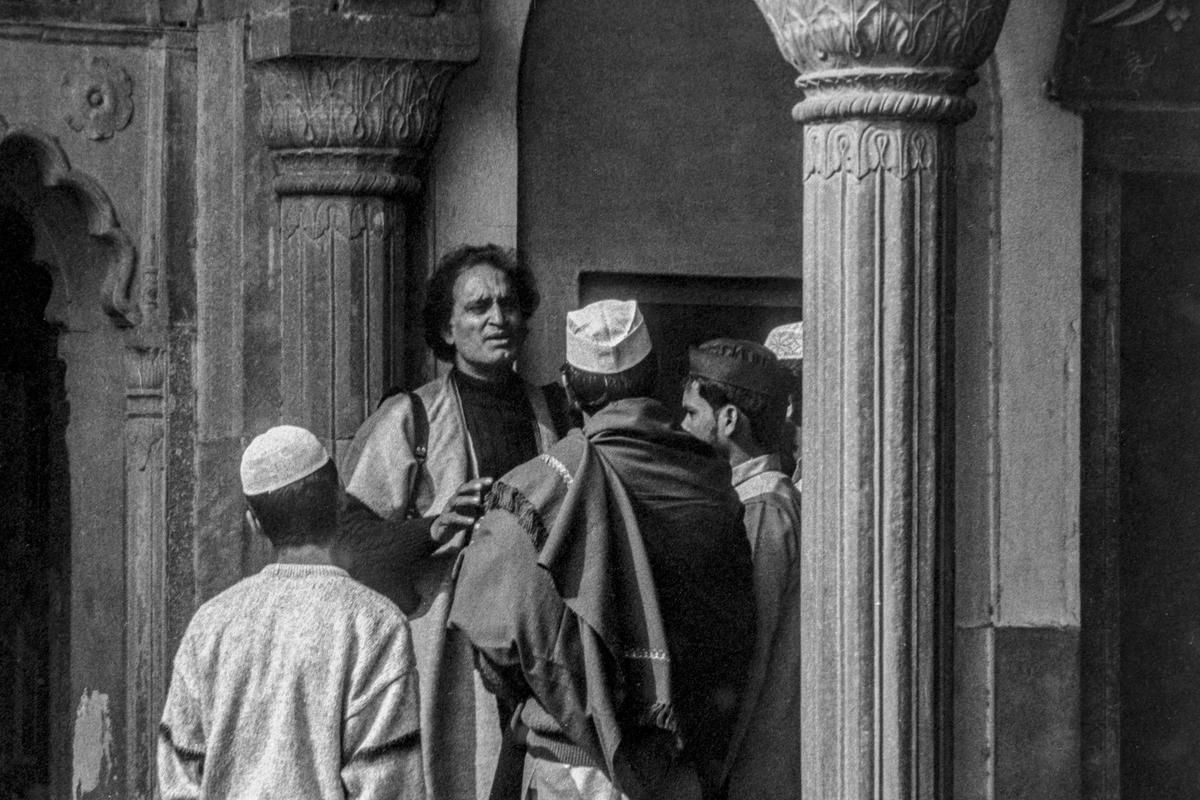
Photo:
PTI
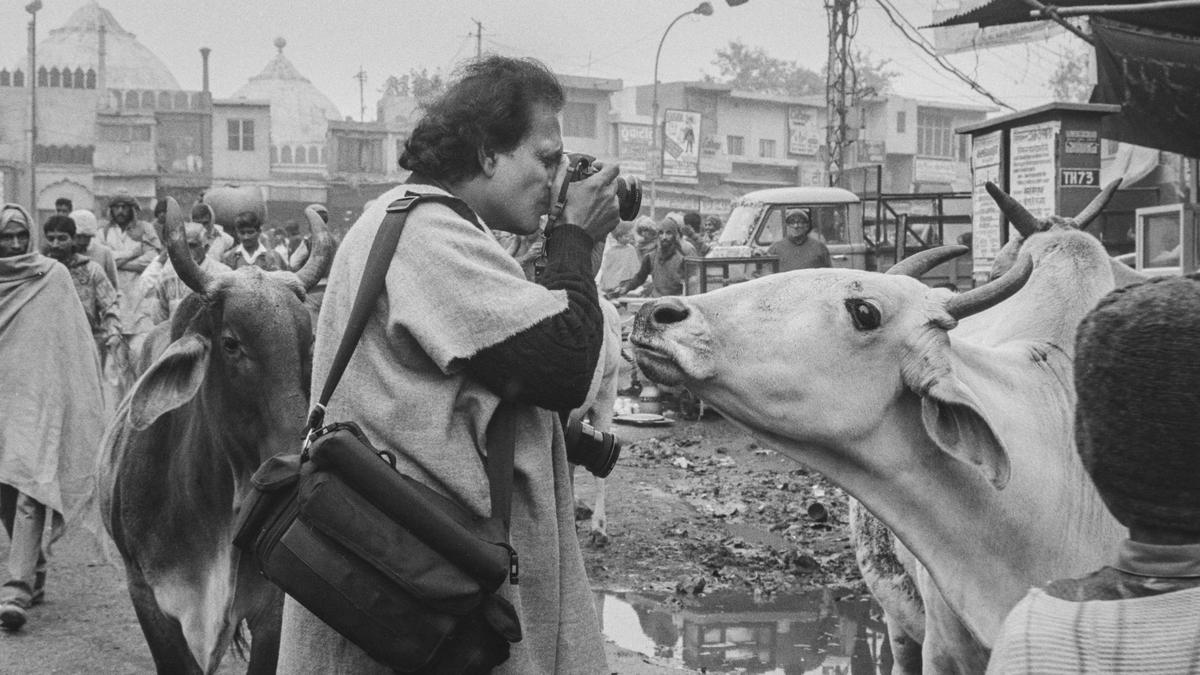
Born on December 18, 1942, in Jhang, Punjab (now in Pakistan), Raghu Rai was qualified as a civil engineer and only took up photography at 23.
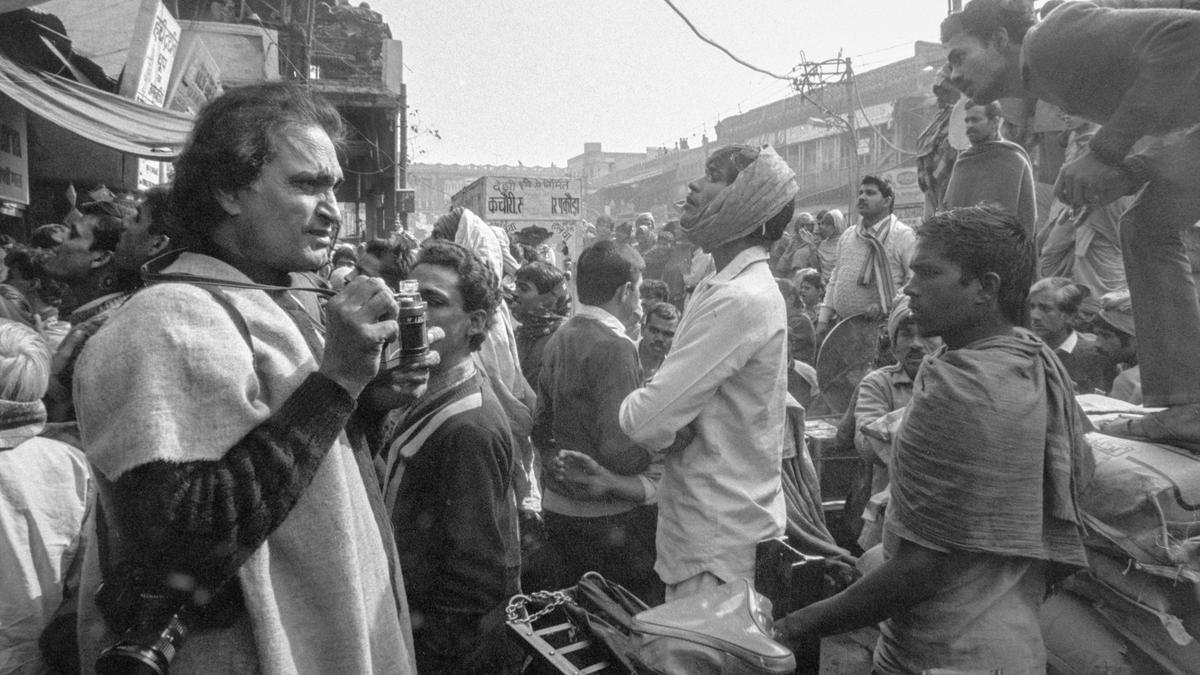
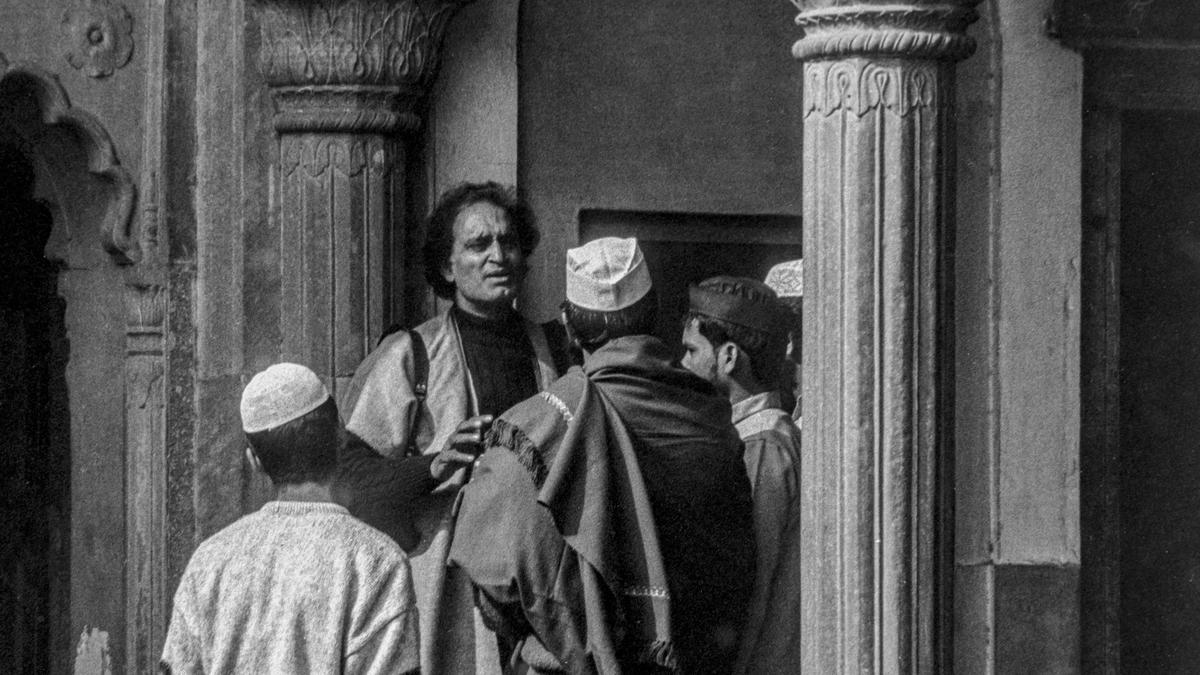
Seen here, Mr. Rai interacts with people on a winter morning, at Delhi’s Fatehpuri Mosque, January 11, 1992.
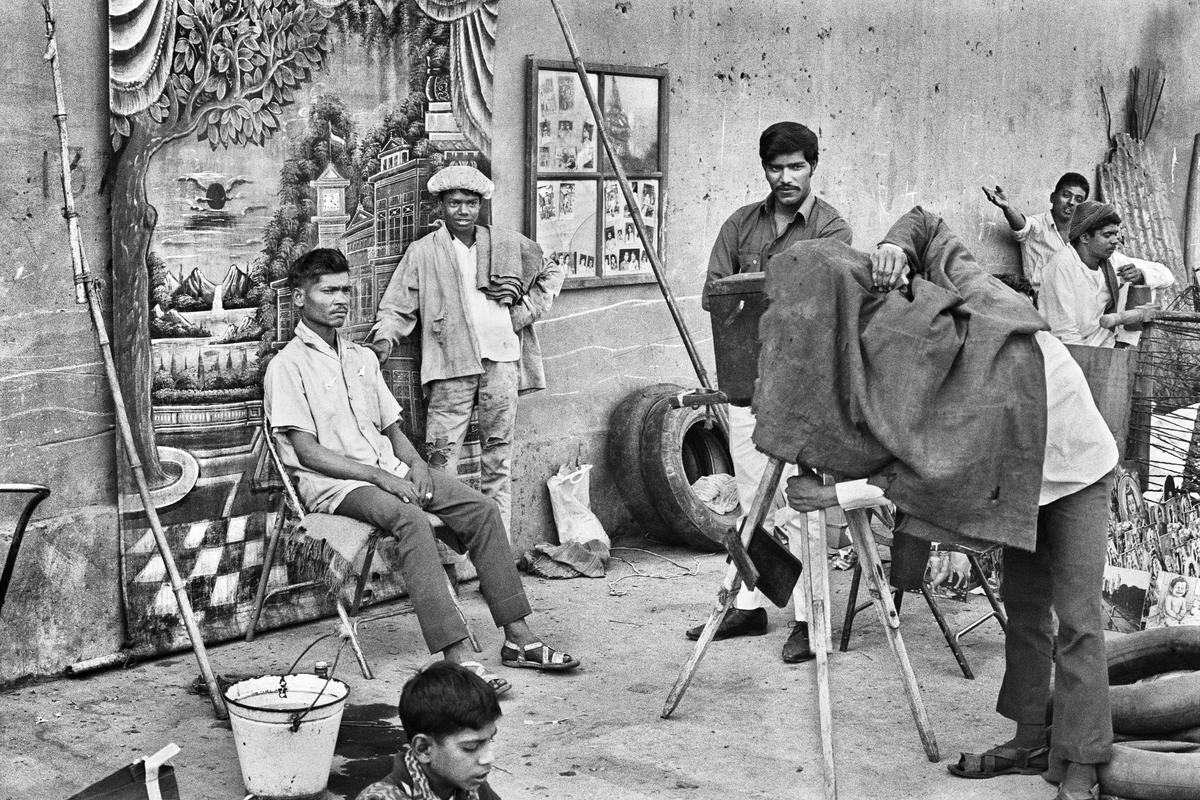
Mr. Rai then went on to join The Statesman newspaper as its chief photographer in 1966. Photo: Raghu Rai & PHOTOINK
The life from that point onwards is anything but a blur of memories, as the next six decades of Mr. Rai’s career remain testament to all that unfolded in India’s socio-political landscape.
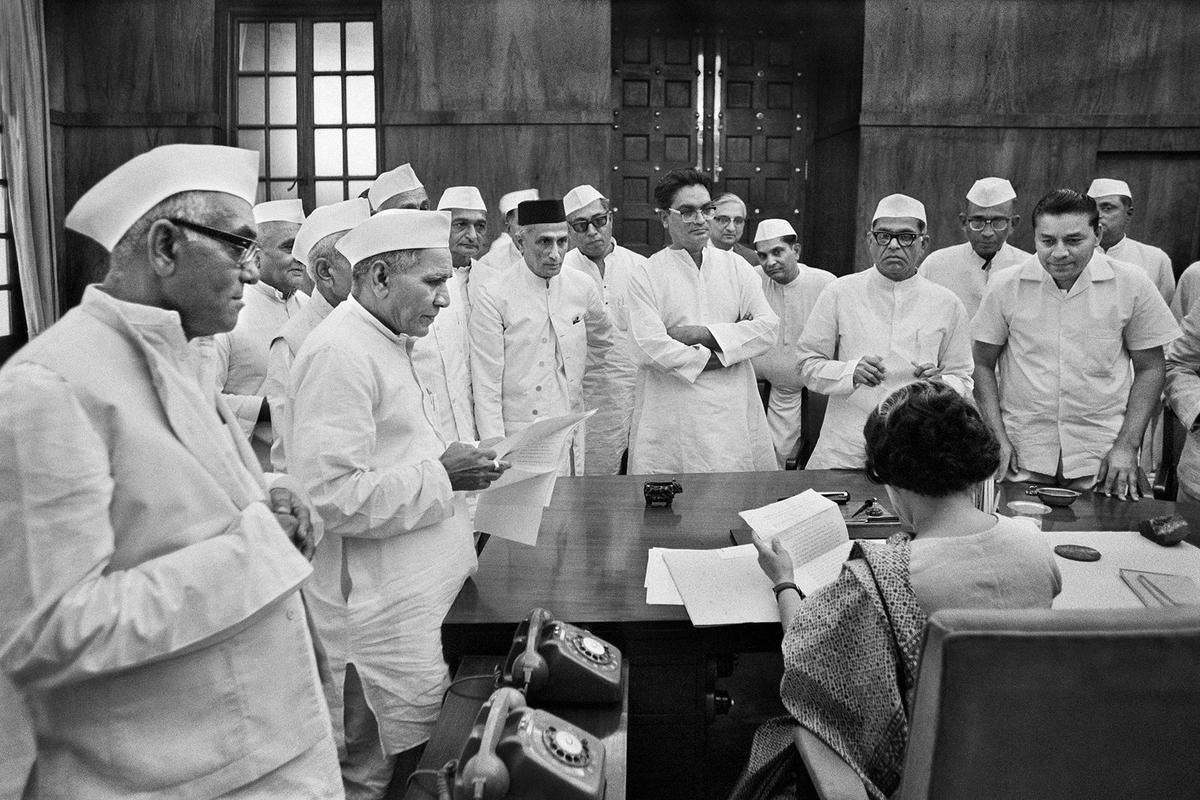
Indira Gandhi seen in this photo with senior Congress men from Gujarat, in Delhi in 1976. Photo: Raghu Rai & PHOTOINK
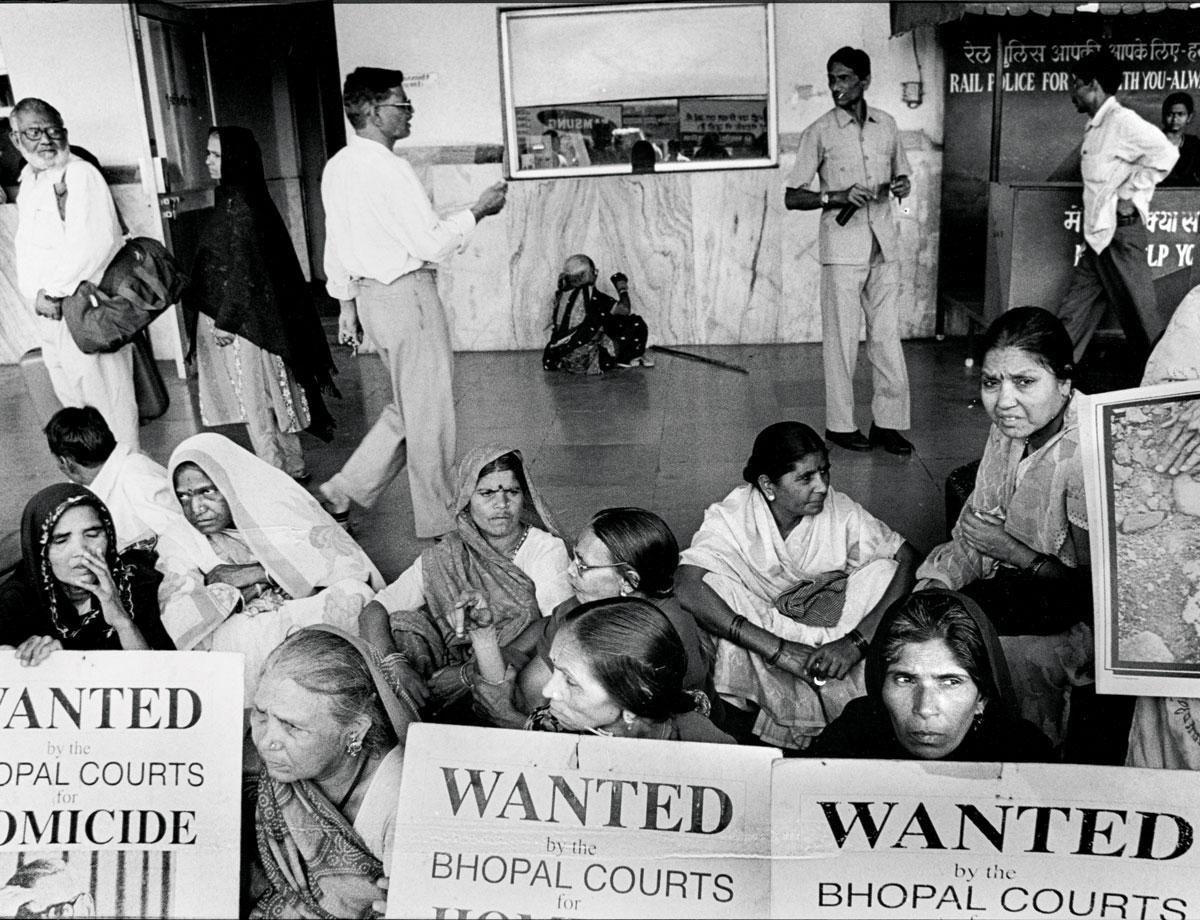
The prolific photographer, a protege of Henri Cartier-Bresson, captured some of the most poignant events in Indian modern history, including the Bangladesh refugee crisis of 1972 and the Bhopal gas tragedy of 1984.
Photo: Special Arrangement
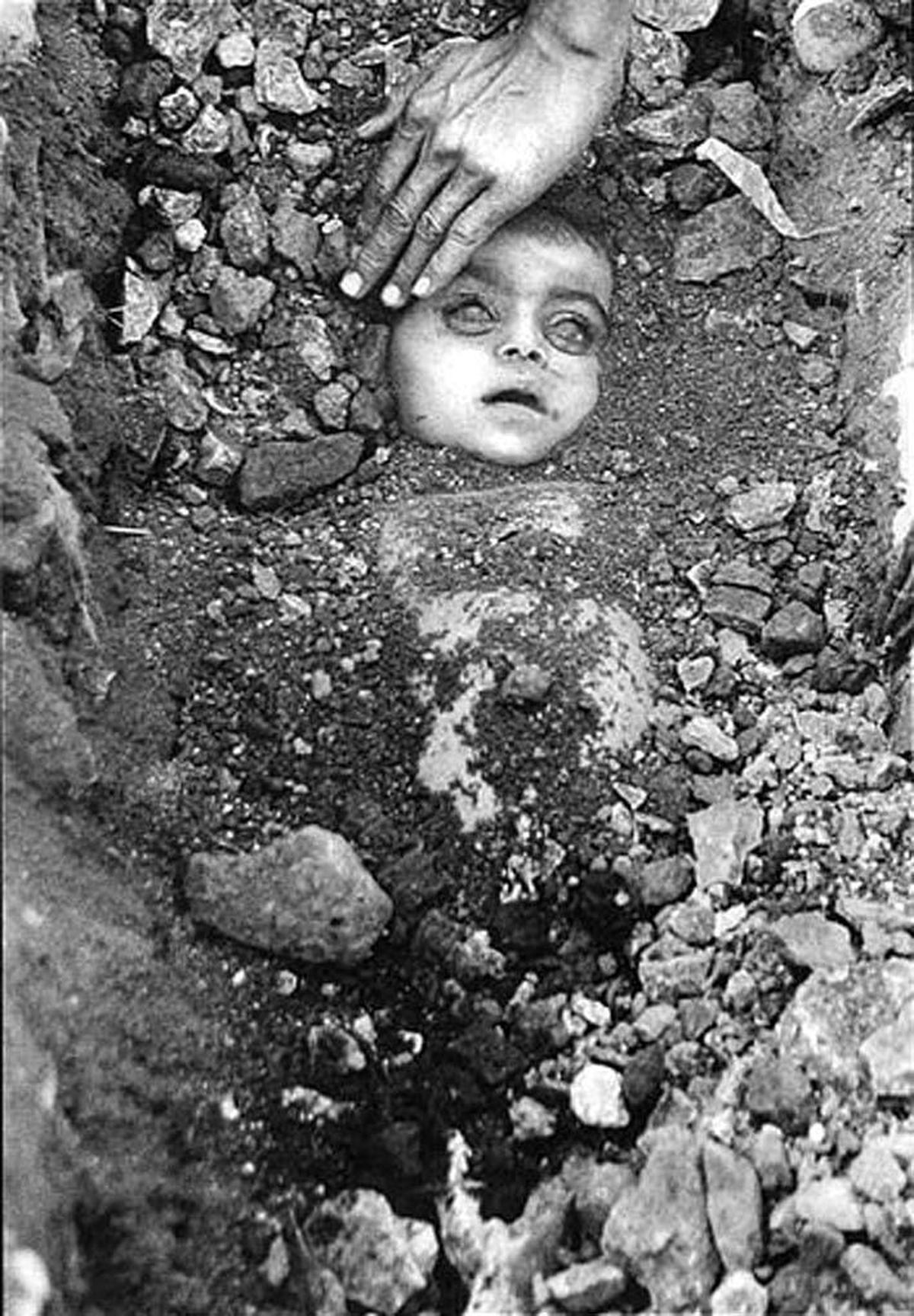
This picture of an unknown child became the icon of the 1984 Bhopal Gas tragedy. Photo: Raghu Rai/Greenpeace
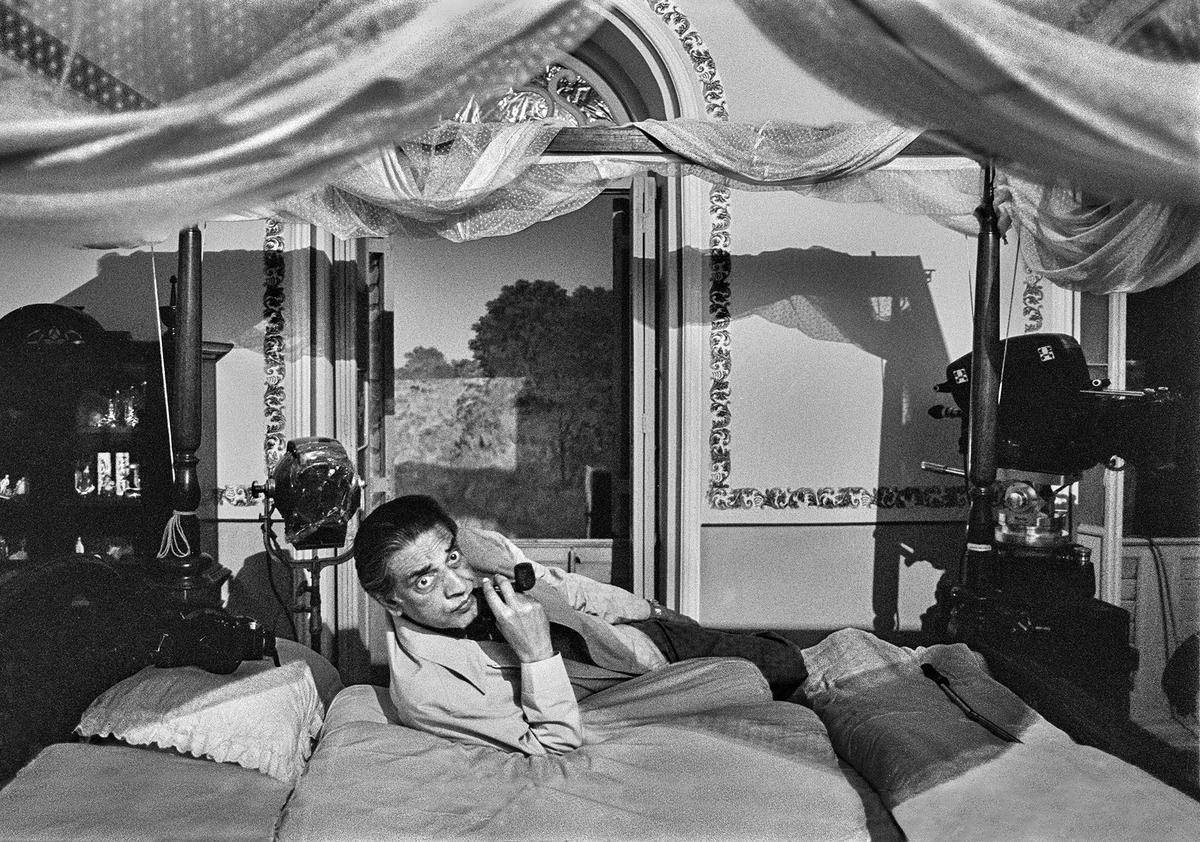
Photo:
Raghu Rai
Mr. Rai’s lens captured with equal expertise Delhi’s political landscape, as it did the cultural contours of the country. He developed a long association with the filmmaker Satyajit Ray, whom he called ‘Dadu’.
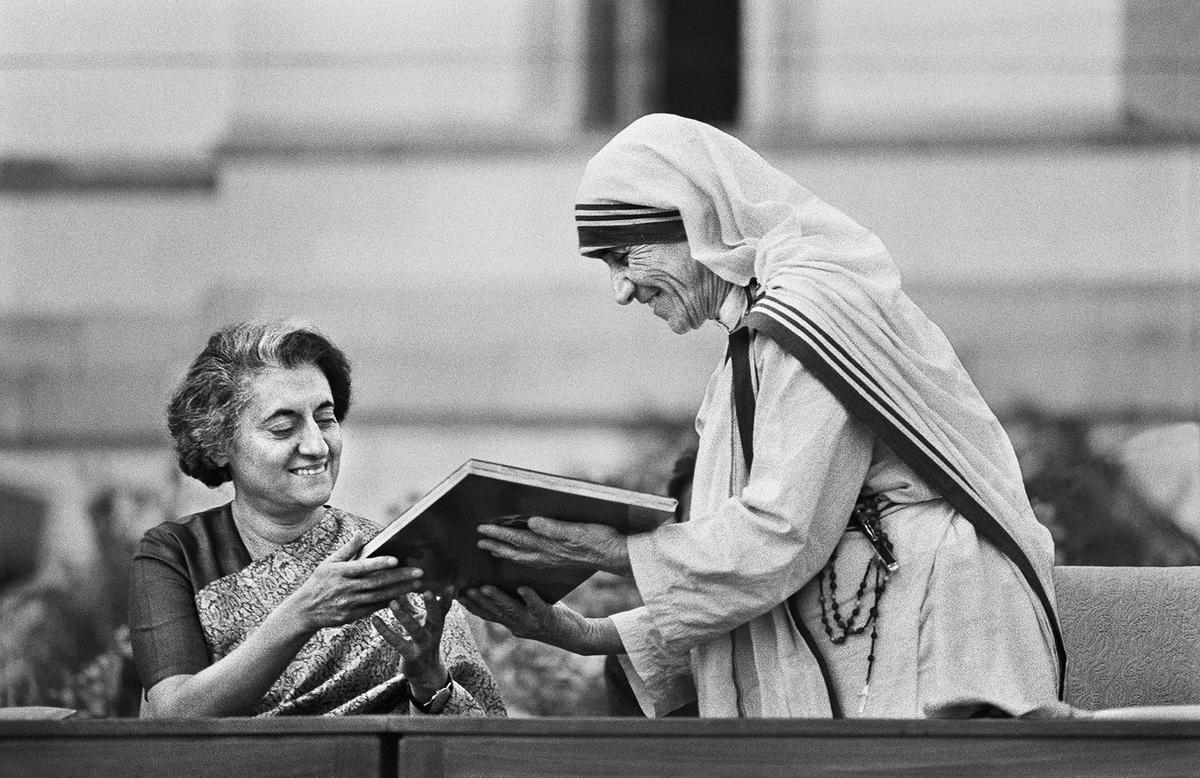
Photo:
Raghu Rai
Mother Teresa photographed with Indira Gandhi after receiving Bharat Ratna in Delhi, in January 1980.
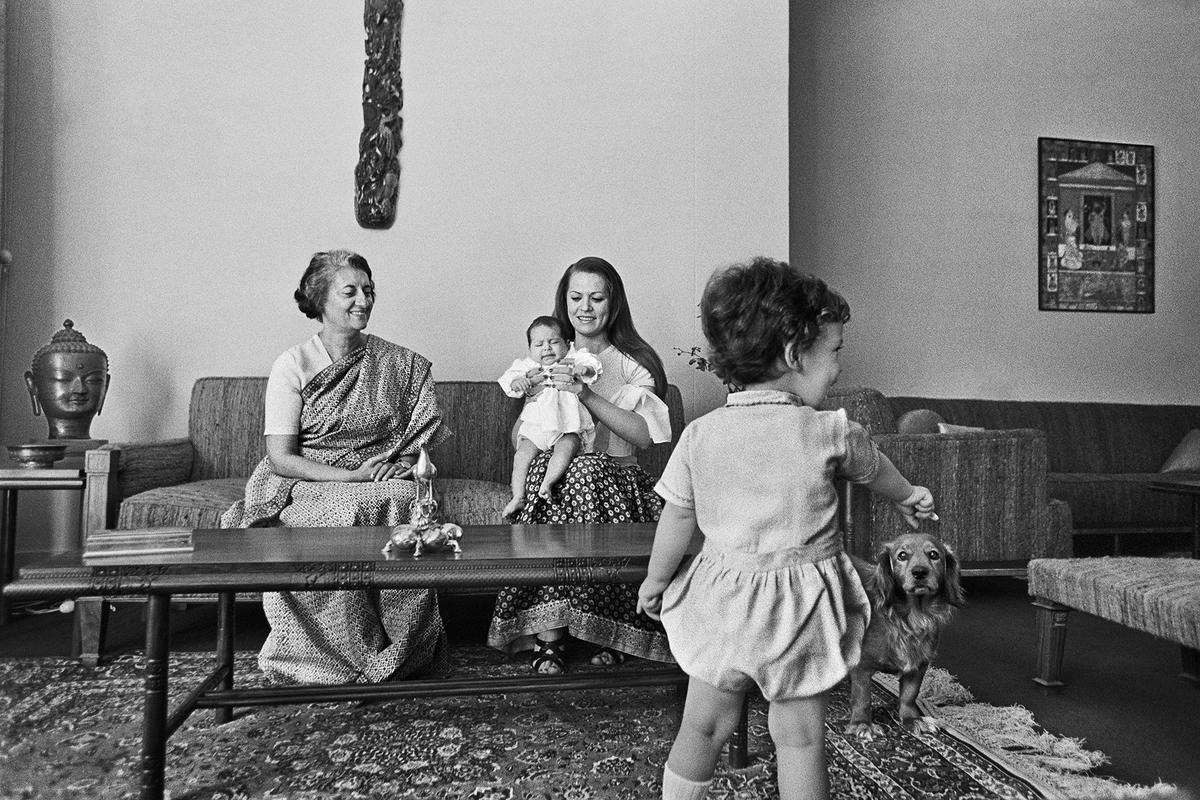
Photo:
Raghu Rai
Indira Gandhi seen at home with Sonia Gandhi, and grandchildren Rahul and Priyanka. Photo: Raghu Rai & PHOTOINK
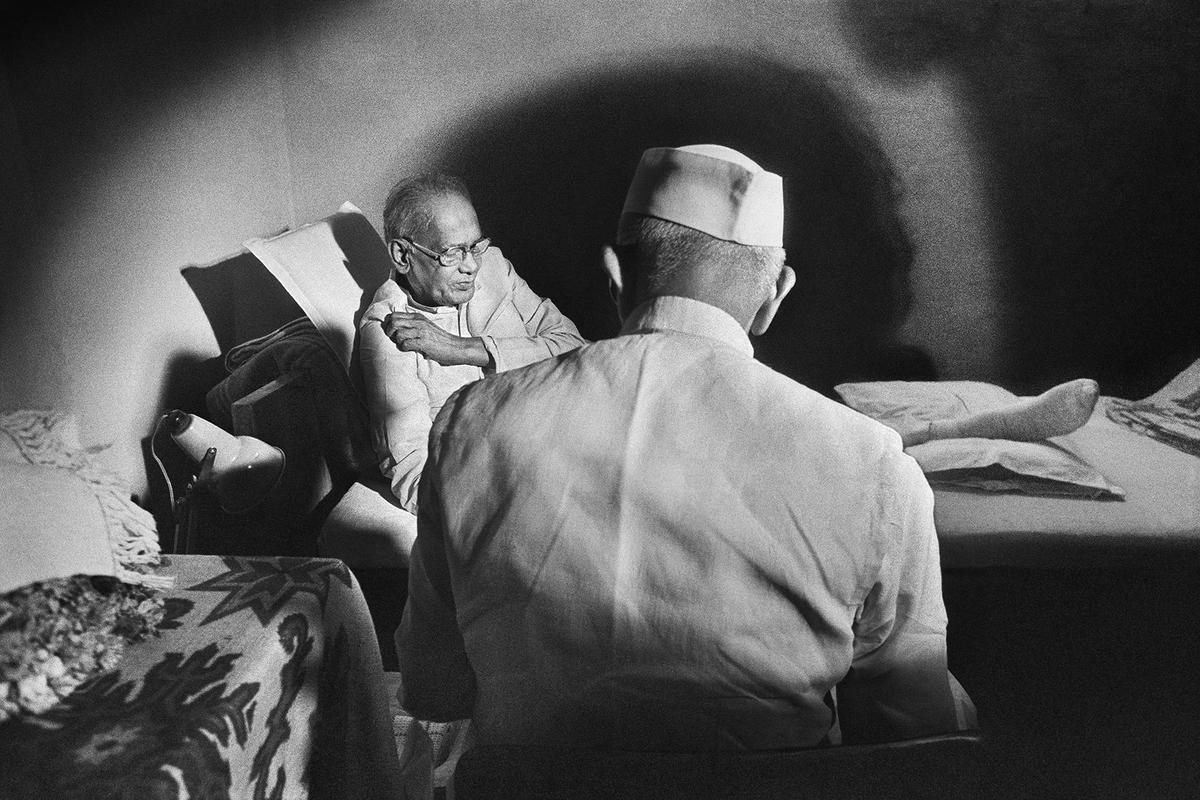
Jayaprakash Narayan and
Morarji Desai seen in 1977.
Photo: Raghu Rai & PHOTOINK
Mr. Rai won the inaugural Academie des Beaux-Arts Photography Award, and in 1972 received the Padma Shri, for his exceptional work.
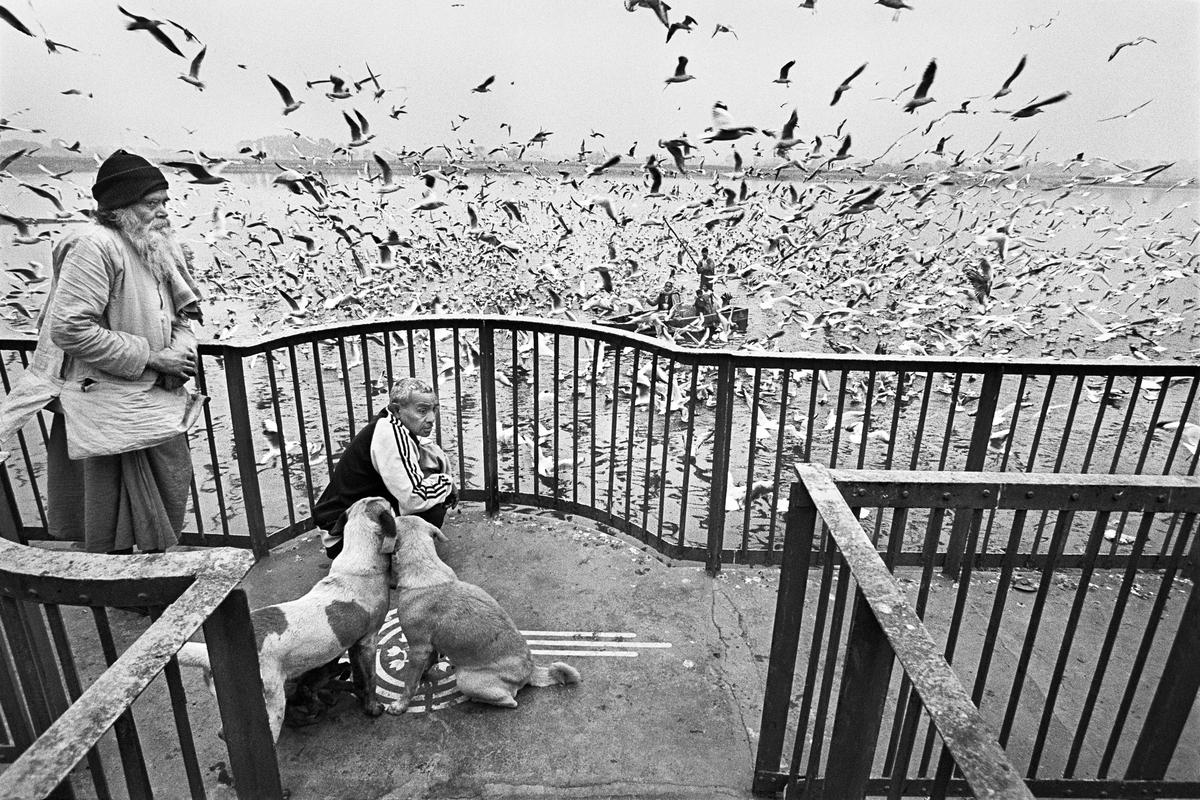
Seagulls seen over the Yamuna river in this 1989 photo. Photo: Raghu Rai & PHOTOINK
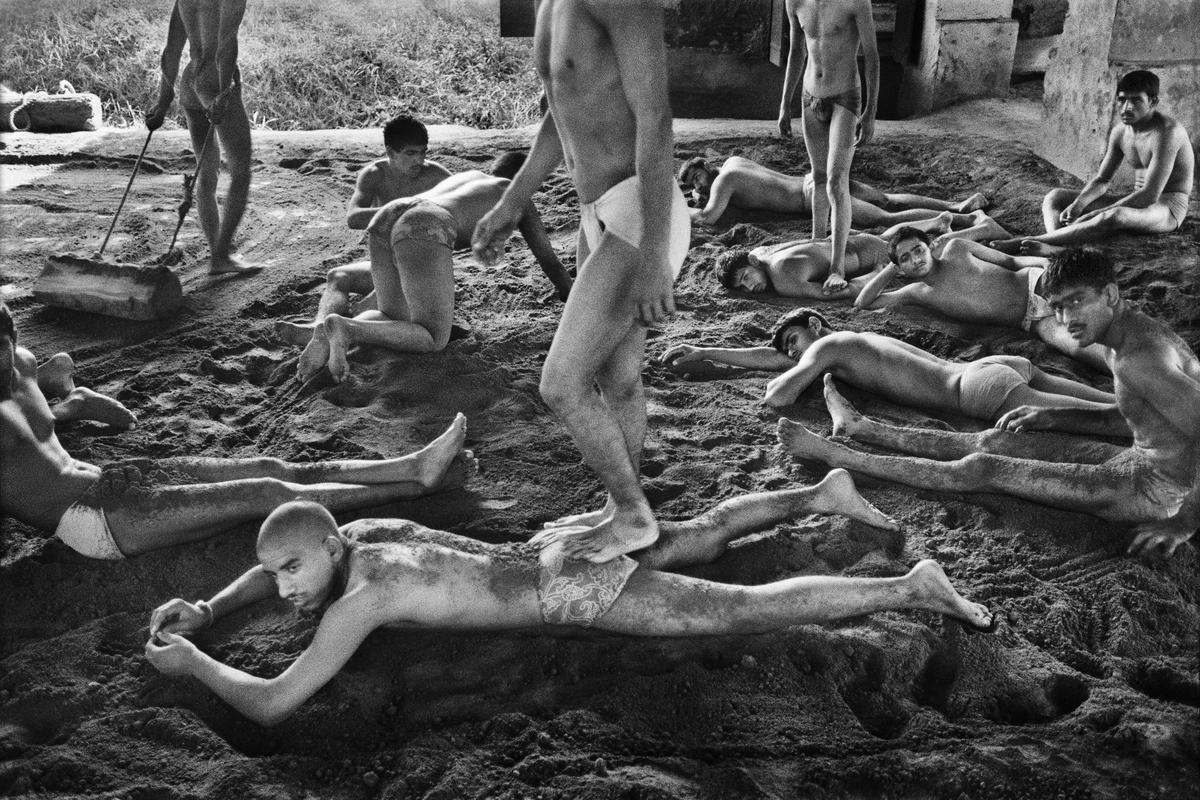
Despite the vibrant colours of the country, Mr. Rai’s preferred to render his photographs in black-and-white
Wrestlers seen in an Akhara, in Delhi in 1988. Photo: Raghu Rai & PHOTOINK
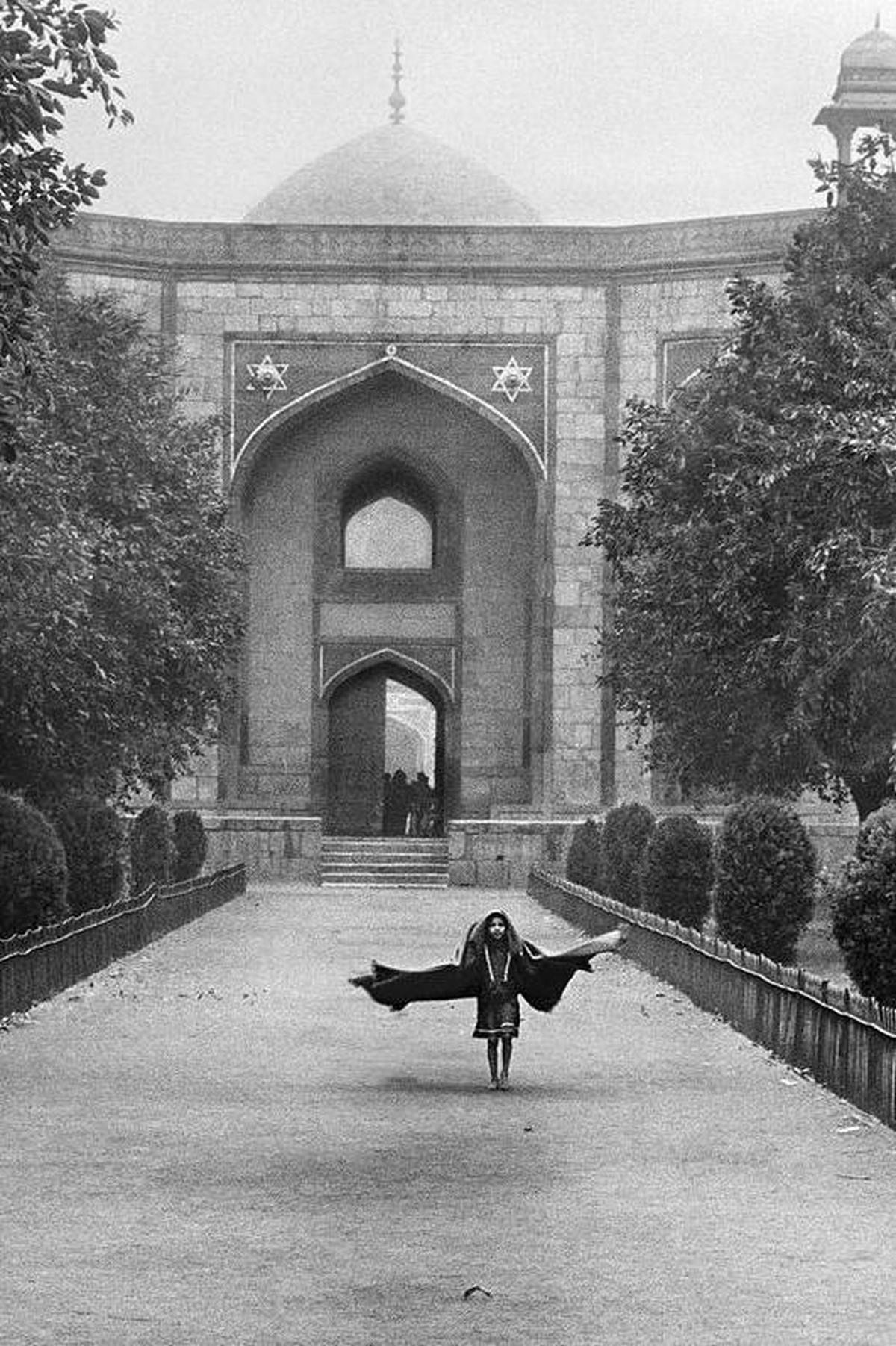
Photo:
Raghu Rai
Mr. Rai served three times on the jury of the World Press Photo and twice on the jury of UNESCO’s International Photo Contest, according to Magnum Photos, where he was nominated to join by Cartier-Bresson in 1977.
In this photo, Mr. Rai captures a windy day outside Humayun’s tomb, Delhi, 1976
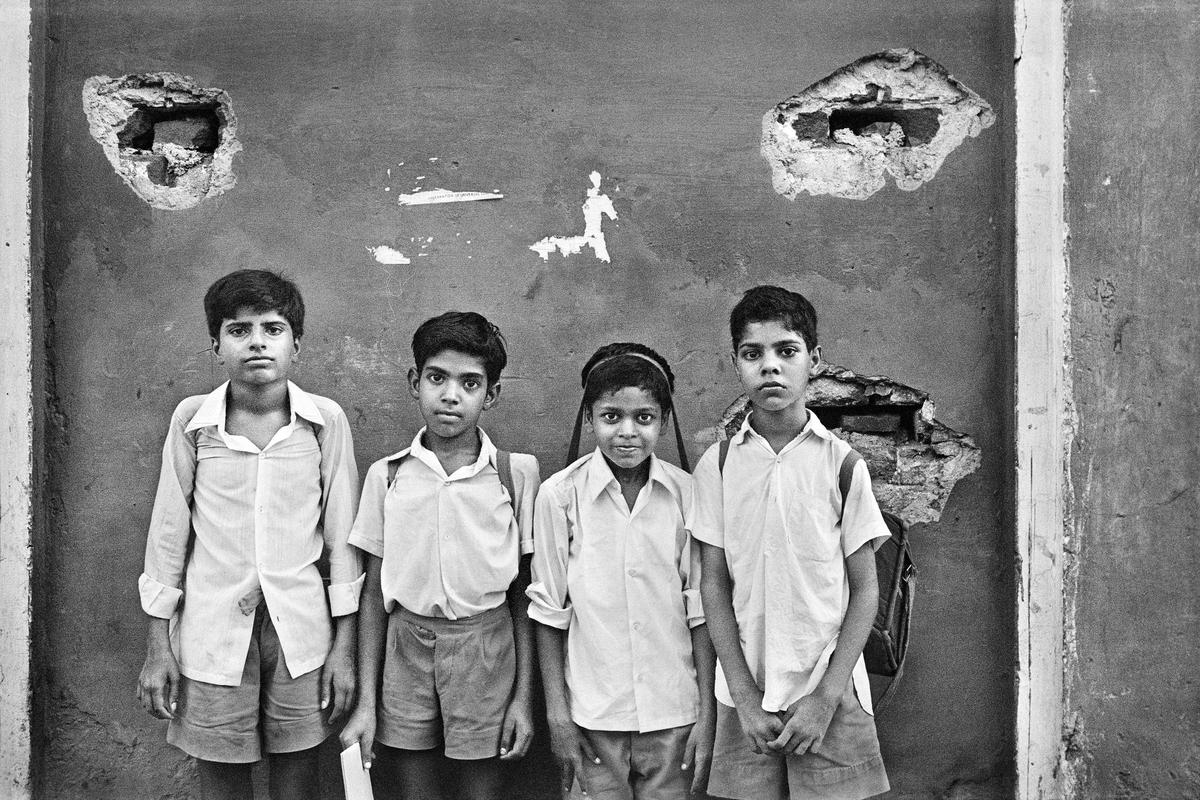
During his long and illustrative career, Rai worked with leading Indian magazines Sunday and India Today. Over the years, his photo essays appeared in renowned international publications, including Time, Life, The New York Times, The Independent, and The New Yorker.
Photo: Raghu Rai & PHOTOINK
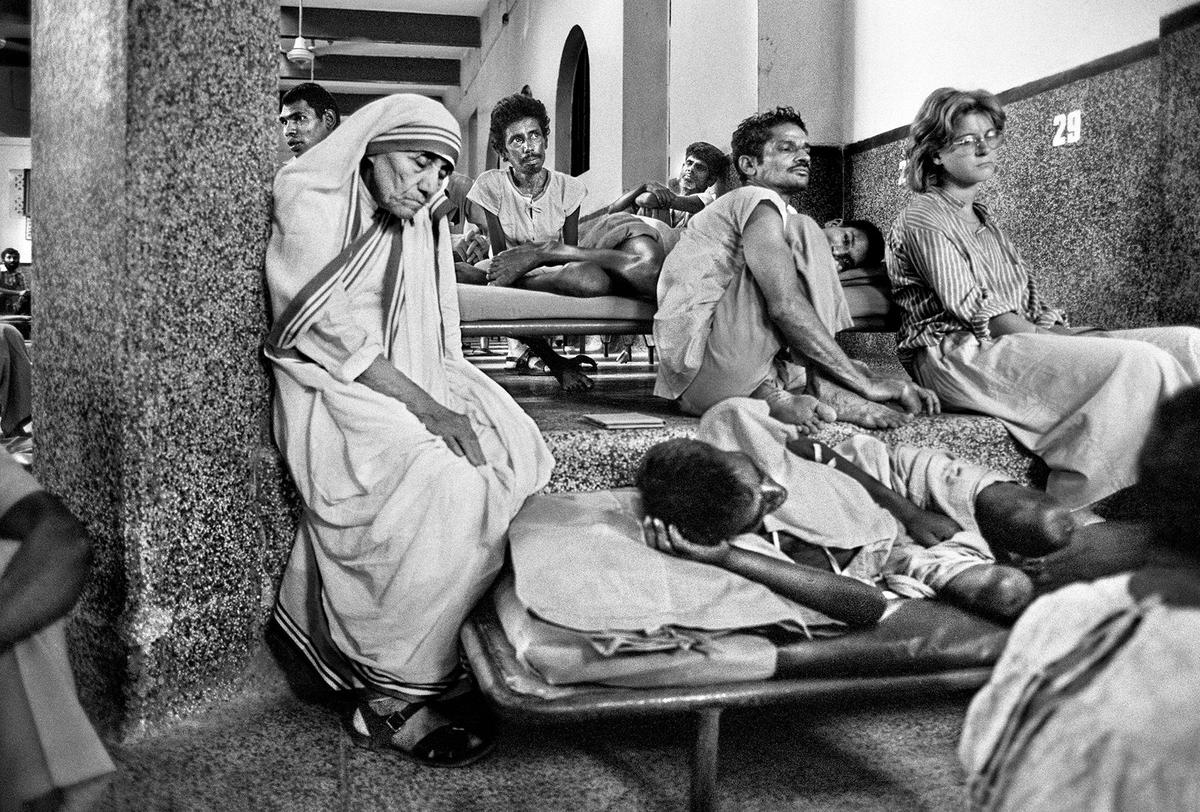
His intimate portraits of Mother Teresa hold a particularly special place in Mr. Rai’s work.
Mother Teresa seen in prayer at Nirmal Hriday, in Kolkata in 1986. Photo: Raghu Rai & PHOTOINK
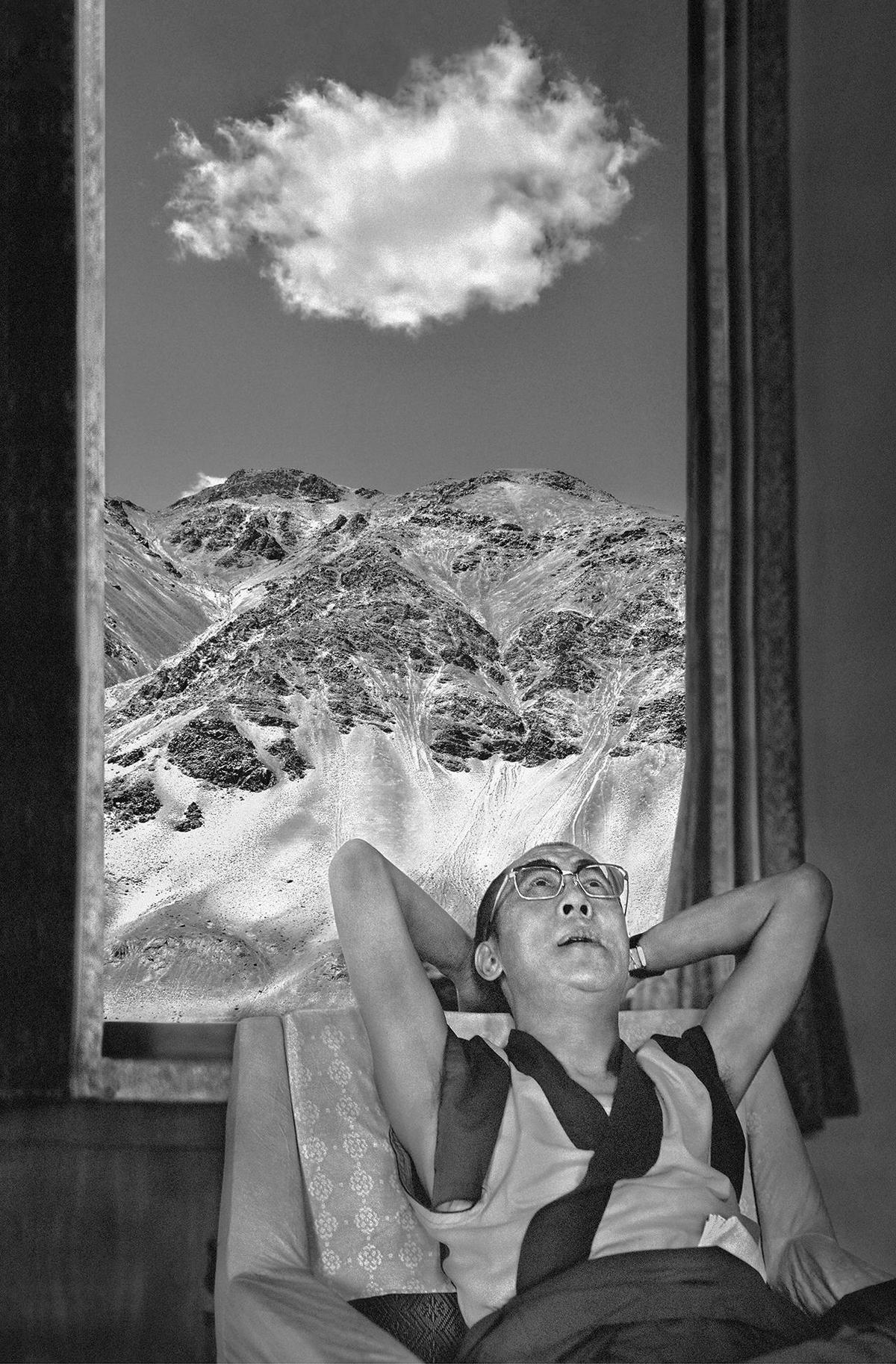
Apart from photographs capturing the length and breadth of India, Mr. Rai also left behind a large number of books, including “Raghu Rai’s India: Reflections in Colour and Reflections in Black and White” and “Exposure: Portrait Of A Corporate Crime”.
According to the website of the Raghu Rai Foundation, which was established in 2010 and has archived more than 50,000 images by Mr. Rai, he was working on his 57th book.
Photo: Raghu Rai & PHOTOINK
Published – April 26, 2026 04:53 pm IST