



From women’s reservation to gender equality
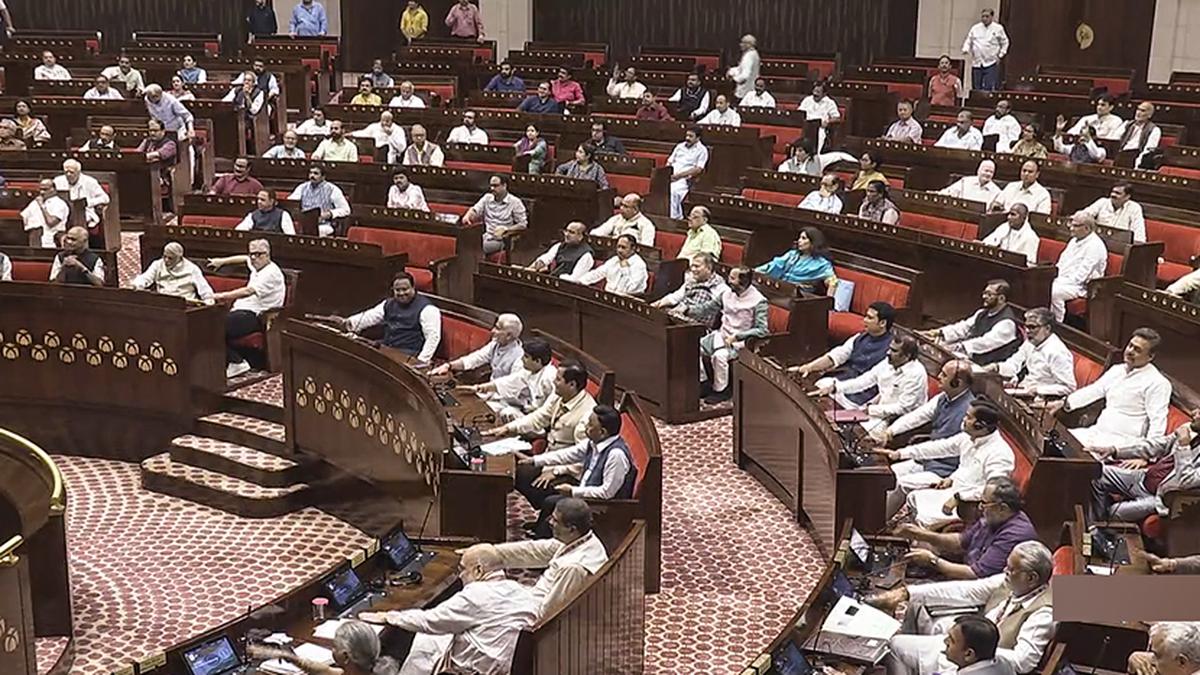
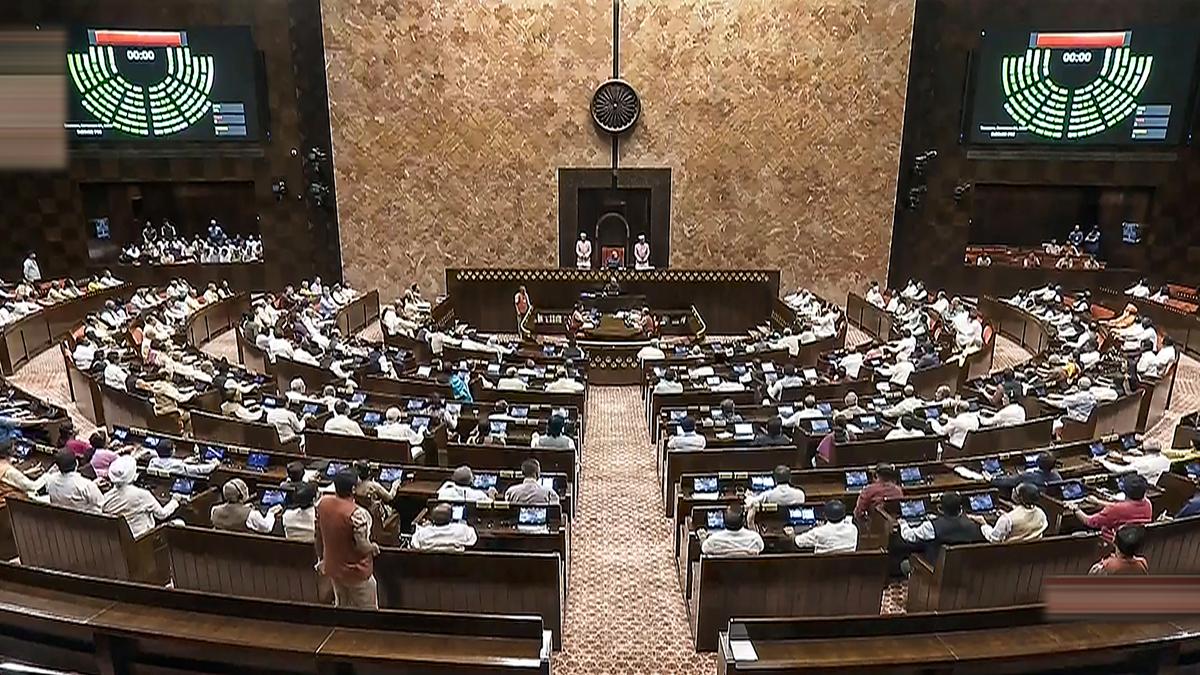
Rajya Sabha members vote on the women’s reservation bill.
| Photo Credit: ANI
Last week, Parliament passed the women’s reservation Bill, which provides one-third reservation for women in the Lok Sabha and Legislative Assemblies. Data from the Inter-Parliamentary Union show that the share of women in Parliament in India is around 15%. India ranks 141 out of 193 countries on this count. Even Pakistan, South Africa, and Kenya have a higher share of women representatives. Over the last 27 years, there have been several efforts to introduce the women’s reservation Bill in Parliament. Such efforts faced opposition from different quarters. That there is a strong moral imperative to increase women’s representation is beyond debate. The smooth passage of this law shows consensus around this issue.
Reservation for women in elections to the local bodies in India has resulted in increasing their participation in governance. Research by Tanya Jakimow of the University of New South Wales and Niraja Gopal Jayal shows that, contrary, to popular belief, elected women representatives have over time asserted their presence in spite of interference from male family members. A similar outcome may also be seen in higher elected bodies.
Published – September 28, 2023 02:12 am IST