




Charged EVs | CATL unveils six battery innovations including 350 Wh/kg condensed cells
CATL held its Super Technology Day in Beijing, unveiling six battery technologies spanning fast charging, energy density records, hybrid systems, sodium-ion industrialization and an integrated charging and swapping network. Chief Scientist Wu Kai framed the strategy as deliberately multi-chemistry: LFP is approaching its theoretical energy density limit and is best suited for extreme fast charging; NCM leads on energy density; sodium-ion opens potential for extreme temperatures and energy storage.
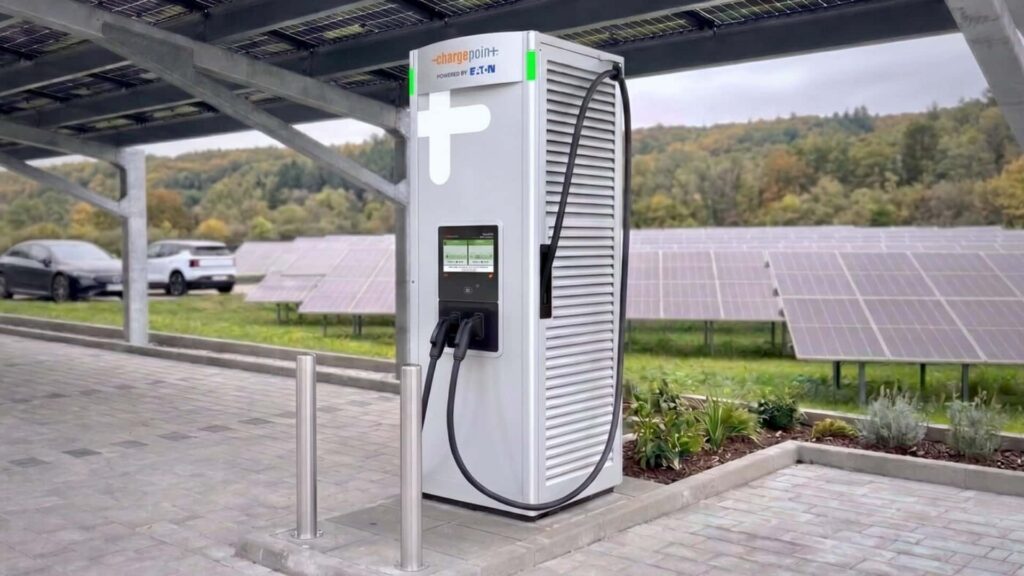
Third-generation Shenxing Superfast Charging Battery
The third-generation Shenxing achieves an equivalent 10 C and peak 15 C charging rate. From 10% to 35% SOC takes 1 minute; 10% to 80% SOC takes 3 minutes 44 seconds; 10% to 98% takes 6 minutes 27 seconds. At −30°C, charging from 20% to 98% takes approximately 9 minutes. After 1,000 full cycles, capacity retention remains above 90%.
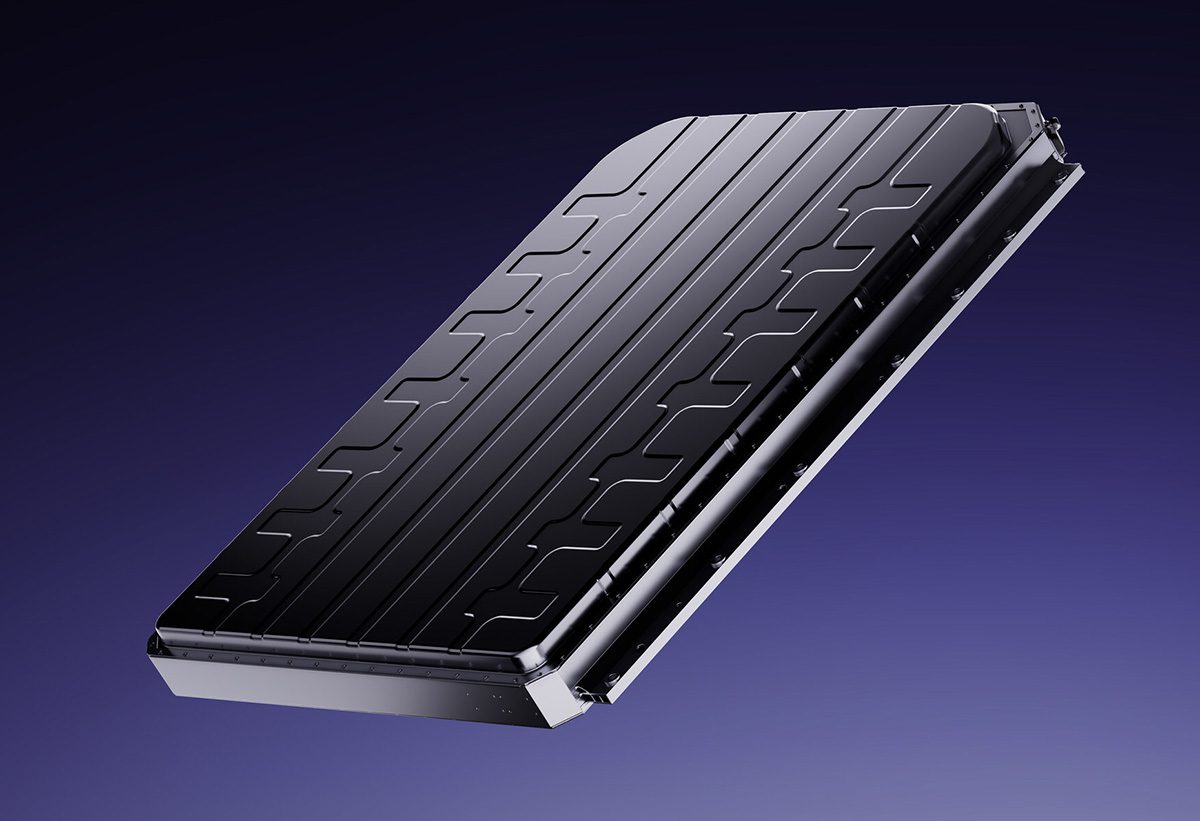
Third-generation Qilin Battery
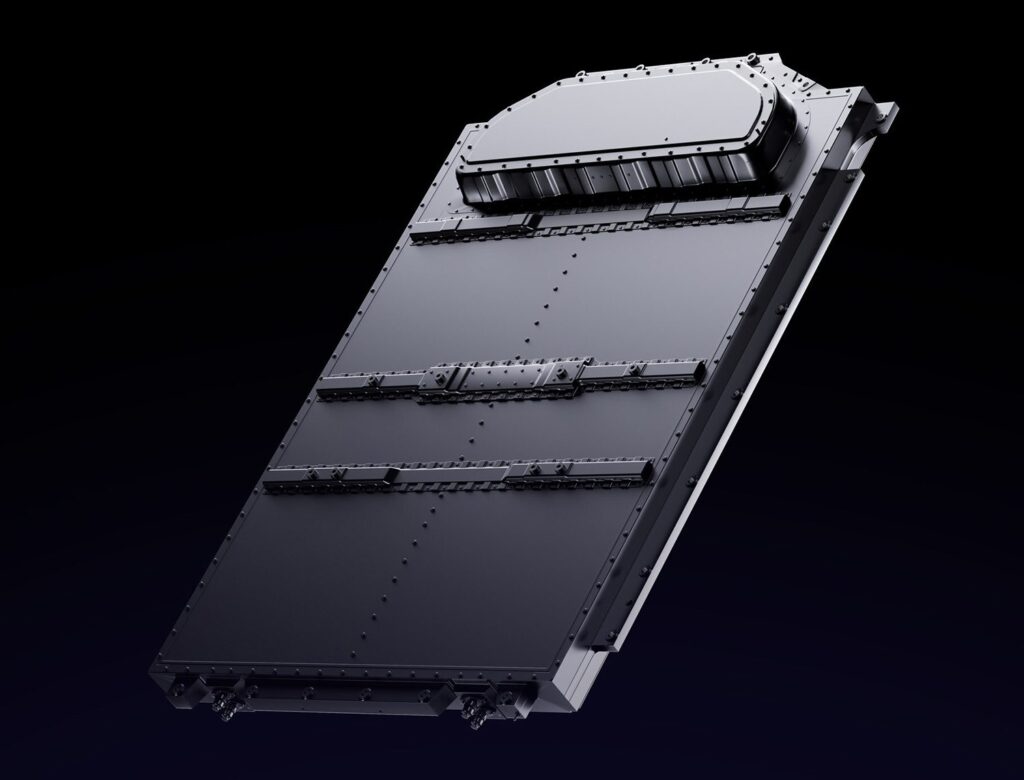
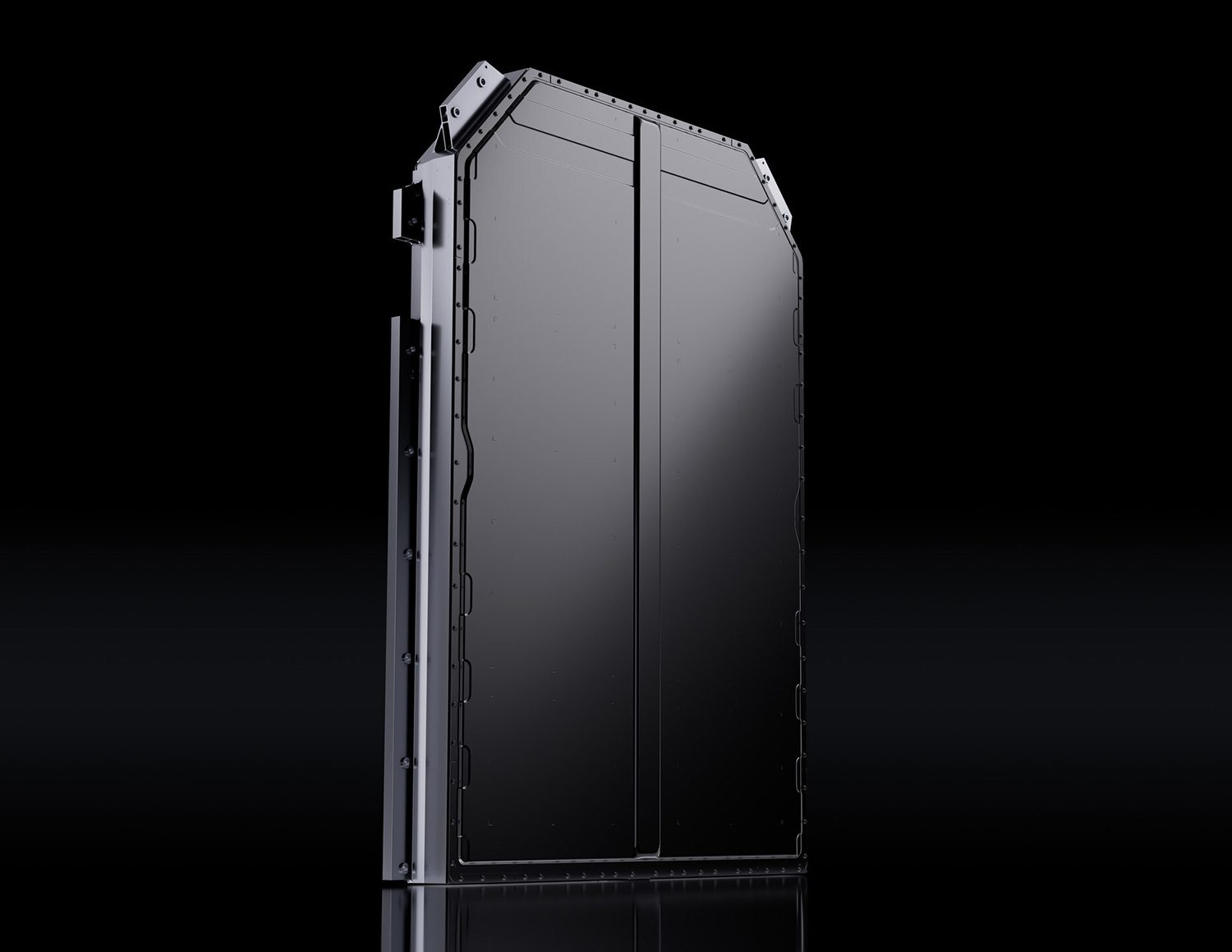
The third-generation Qilin Battery targets premium long-range EVs with 280 Wh/kg cell energy density, 1,000 km range and 10C superfast charging. Peak power is 3 MW—more than double the second-generation Qilin track battery (1,330 kW) that competed on the Nürburgring. The full pack weighs 625 kg, which CATL says is 255 kg lighter and 112 litres smaller than an equivalent LFP system. The weight reduction translates to a claimed 6% lower energy consumption per 100 km, 0.6-second improvement in 0–100 km/h acceleration, 1.44-metre shorter braking distance, chassis component life extended 40% and tyre life extended over 30%.
Qilin Condensed Battery
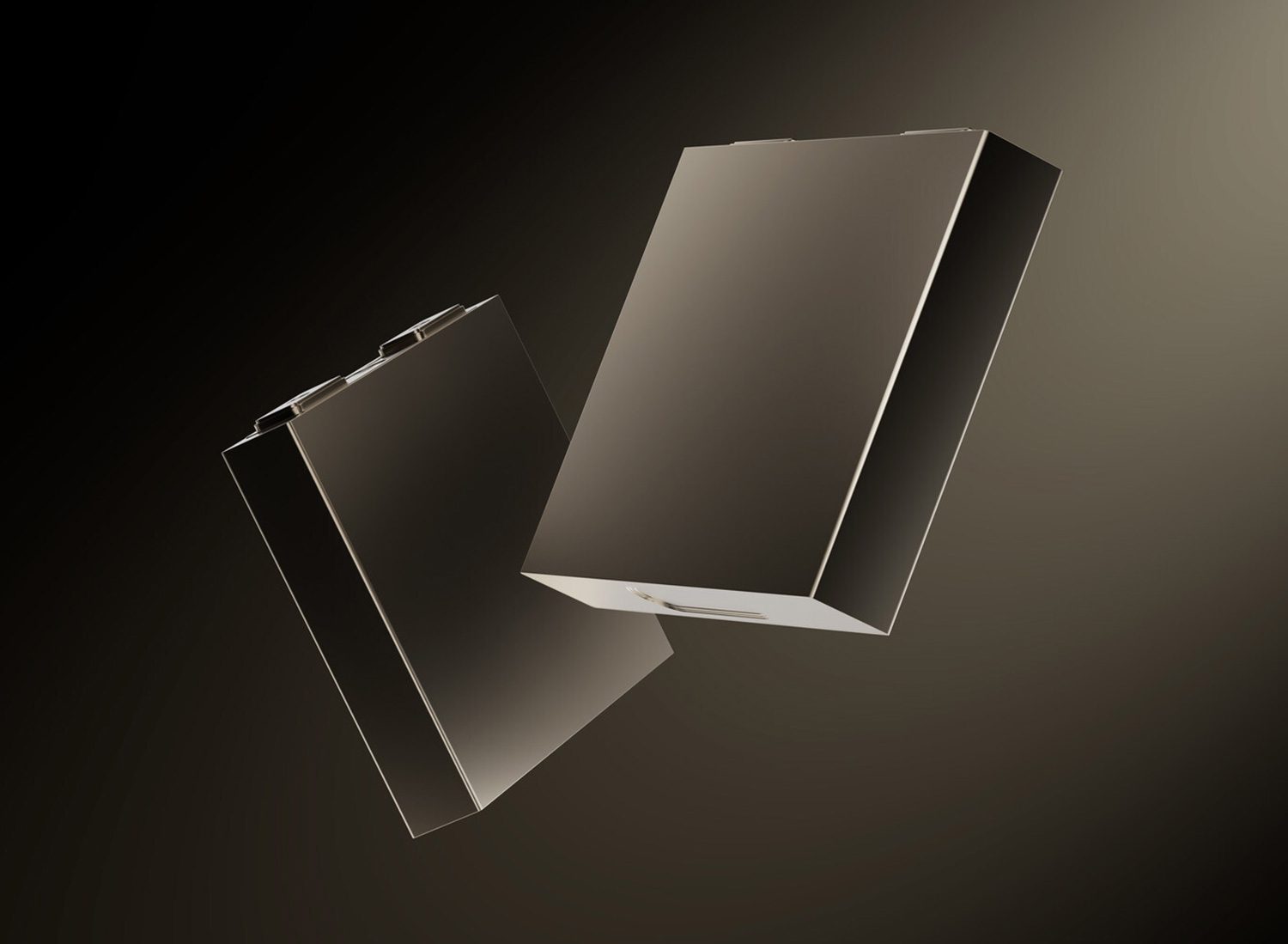
The Qilin Condensed Battery hits 350 Wh/kg cell energy density and 760 Wh/L volumetric energy density—CATL claims both as records for mass-produced batteries. It enables 1,500 km range in sedans and over 1,000 km in large SUVs, with pack weight under 650 kg. The chemistry pairs a high-nickel cathode and silicon-carbon anode, contributing 50 Wh/kg in energy density. A titanium alloy case replaces conventional casing: 60% thinner, 30% lighter, three times unit strength and adding 20 Wh/kg. Replacing liquid electrolyte with a condensed system eliminates leakage and combustion risk. CATL says related technology has been validated in electric aviation at 500 Wh/kg on 4-tonne aircraft, with testing underway on aircraft exceeding 8 tonnes.
Second-generation Freevoy Super Hybrid Battery
The Freevoy integrates LFP and NCM through gradient-uniform mixing at the powder particle level, reaching 230 Wh/kg. The LFP version delivers up to 500 km pure electric range; the NCM version extends beyond 600 km with total vehicle range above 2,000 km. Peak power is 1.5 MW at full charge, remaining at 1.2 MW at 20% SOC—maintaining performance where many hybrid systems degrade at low charge.
Naxtra Sodium-ion Battery
CATL has achieved GWh-scale industrialization for the Naxtra Sodium-ion Battery, with full-scale mass production targeted by end of 2026. CATL says it resolved four production bottlenecks: extreme water control, gas generation in hard carbon, aluminium foil adhesion and self-forming anode systems.
Integrated Charging and Swapping Network
CATL launched the Choco-Swap #26 battery on an 800 V architecture in a 75 kWh initial configuration, extending Choco-Swap coverage from A0 through C-segment vehicles. The current network stands at 1,470 stations across 99 cities, with a target of 4,000 stations covering 190 cities by end of 2026. The integrated charge–swap design reduces power loss by more than 13 percentage points versus conventional storage-equipped stations, achieves over 85% equipment utilization and delivers three times the service capacity per parking space at one-fifth the fixed investment cost of comparable systems. Automaker partners include Changan, Chery, GAC, Seres, SAIC-GM-Wuling and BAIC, with a target of over 100,000 shared energy facilities by end of 2028.
Source: CATL