




Align food system to hydrological realities
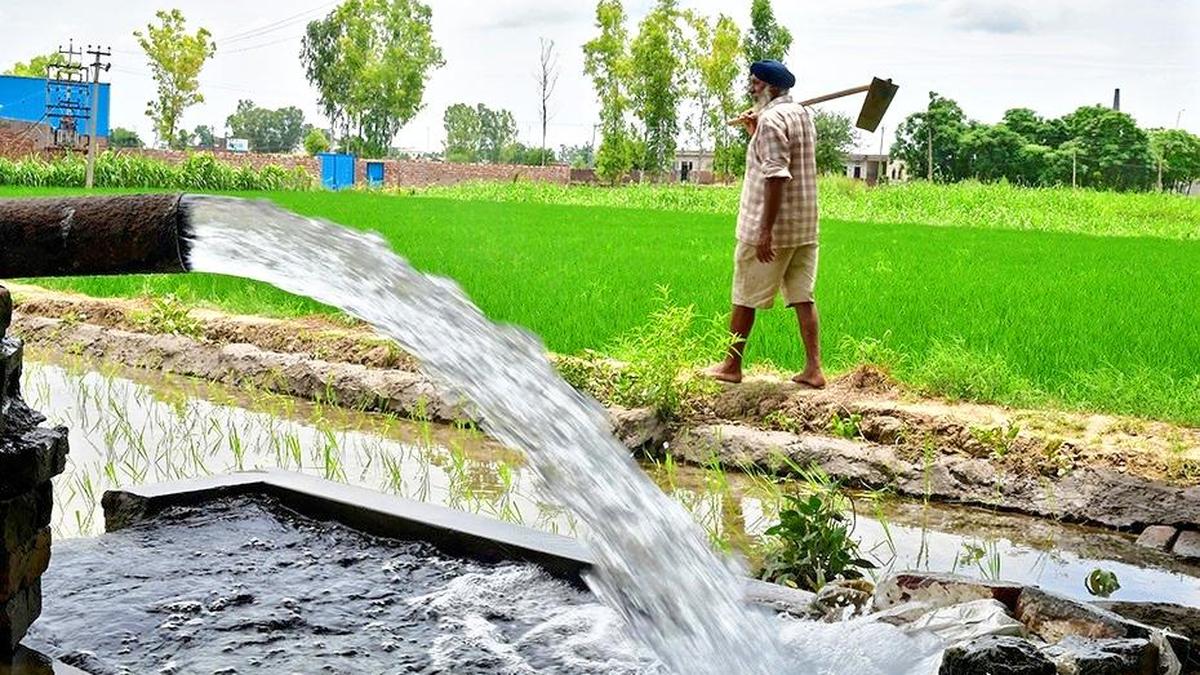
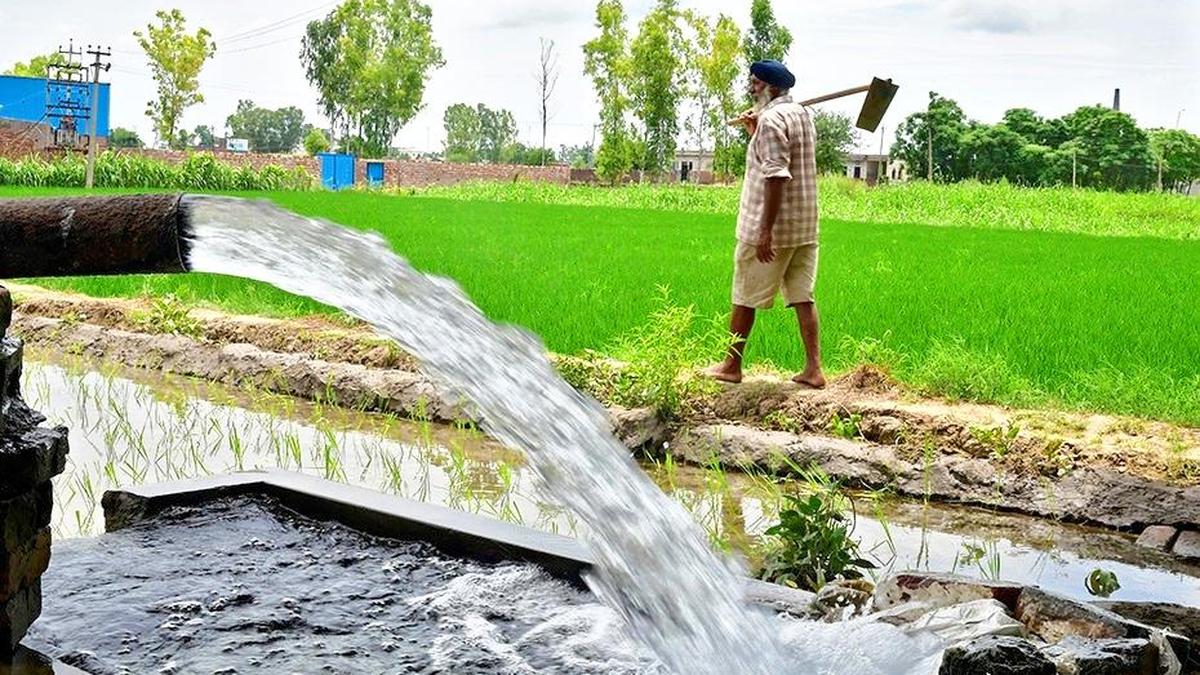
Free electricity for irrigation bore well and over exploitation have resulted into water table sinking drastically in Punjab.
| Photo Credit: AKHILESH KUMAR
As India aspires to sustain high economic growth while ensuring food security for 1.4 billion people, a silent crisis is unfolding beneath its fields and rivers. The World Bank’s latest flagship report, “Nourish and Flourish: Water Solutions to Feed 10 Billion People on a Livable Planet,” delivers a stark warning: the global food system is fundamentally misaligned with hydrological realities. For India, this is not a distant global concern—it is an immediate national challenge. What makes this moment more urgent is a parallel warning from the International Energy Agency (IEA), whose 2026 “Sheltering from Oil Shocks” plan highlights how energy disruptions can rapidly cascade into food and water crises.
The World Bank estimates that current tthe agricultural water systems can sustainably support food production for only about one-third of the projected global population by 2050 if inefficiencies persist. At the heart of this crisis lies not absolute scarcity, but mismanagement of water within food systems. India exemplifies this paradox. It is effectively a water-stressed food exporter, producing water-intensive crops such as rice and sugar in regions already experiencing groundwater depletion. In doing so, India exports vast volumes of “virtual water,” deepening domestic stress.
Published – May 01, 2026 07:30 am IST