




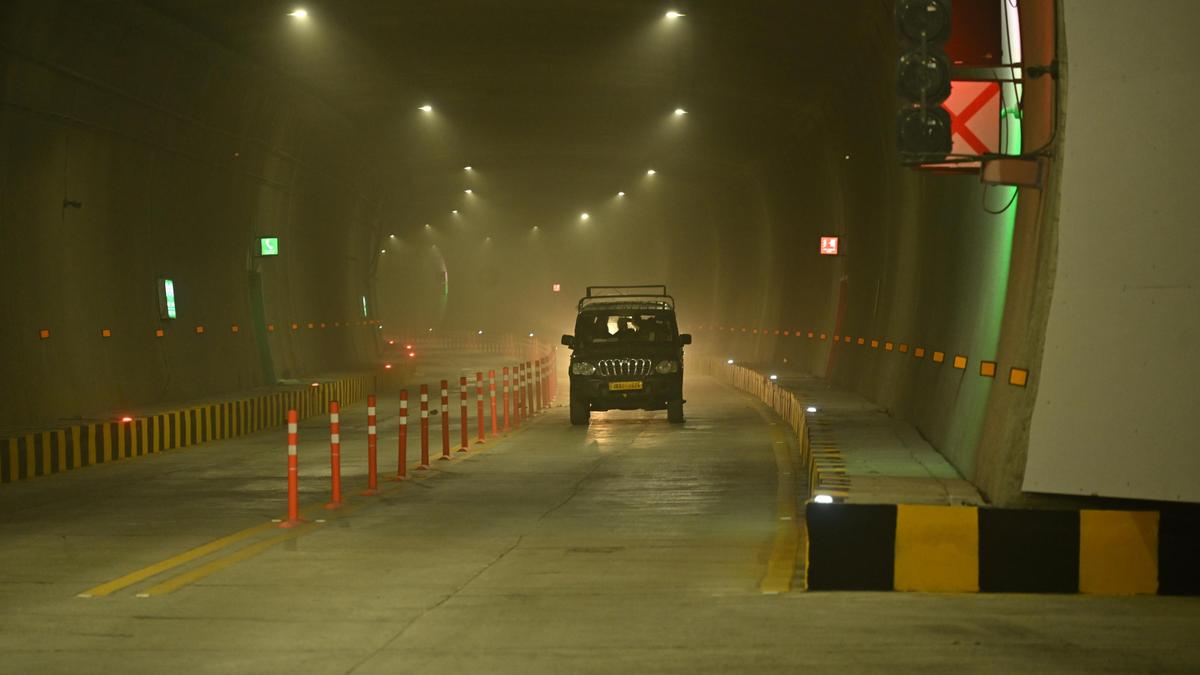
Adani Enterprises Ltd. conducts ground survey and geotechnical investigations for Bengaluru Twin Tunnel Road project
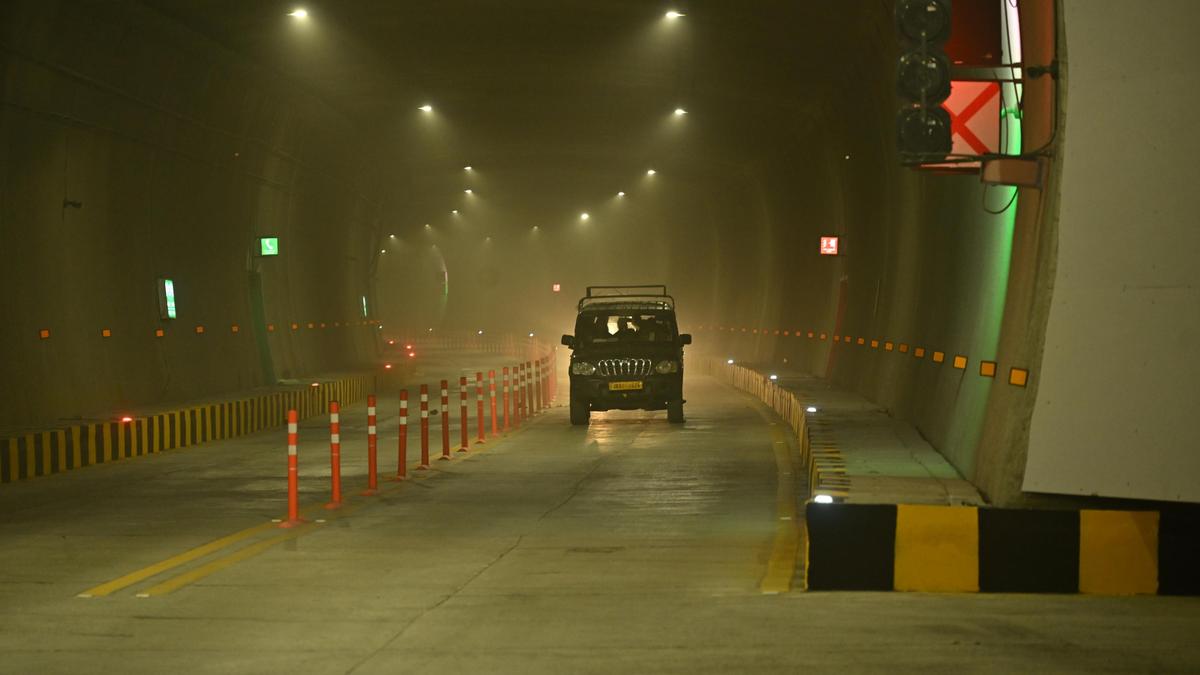
This marks a step forward for the city’s controversial tunnel road project, connecting the northern and southern parts of Bengaluru, which has triggered significant civic uproar.
Even as negotiations continue after the Adani Group emerged as the lowest bidder for the Bengaluru Twin Tunnel Road project, Adani Enterprises Limited (AEL) has begun survey and geotechnical investigation works, including soil testing, within the project corridor, documents reviewed by The Hindu show.
This marks a step forward for the city’s controversial tunnel road project, connecting the northern and southern parts of Bengaluru, which has triggered significant civic uproar. However, Deputy Chief Minister and Bengaluru Development Minister D.K. Shivakumar has been championing the project, citing its objective of decongesting Bengaluru, especially the central parts of the city.
B.S. Prahallad, Technical Director, B-SMILE, said these surveys are crucial before taking up projects, and any bidder is free to conduct them, as the analysis provides a better understanding of implementation, challenges, and the city’s landscape. However, he confirmed that the contract has not yet been awarded. “Negotiations are ongoing,” he said.
While preparing the Detailed Project Report (DPR) for the project, only an initial assessment of the corridors was carried out, which included desk studies, reviews of earlier investigations, geological research, geological maps, remote sensing inputs, and related analyses. Further, walkover geological surveys were conducted for the required sections. For the remaining portions, already available data was used to develop the design, cost estimates, construction methodology, type of tunnel boring machines (TBMs) to be deployed, and other construction equipment required for the execution of the work.
The DPR stated that the implementing agency should later provide all analyses, including intrusive investigations in the form of boreholes and laboratory/in-site testing, to the prospective bidder. Subsequently, the responsibility for in-depth analysis was placed on the bidder.

Mr. Prahallad had earlier, after the tenders were floated, told The Hindu that the tender clearly states that supporting documents, such as geotechnical data, are to be treated only as references. The prospective, preferred, or lowest bidder is required to conduct its own in-depth analysis.
Required for big-ticket projects
A government source aware of the development explained that bidders usually do not rely entirely on analyses provided by implementing agencies, as the data used for preliminary assessments after conceptualising a project could be outdated. “Stakes are higher for bidders, especially in big-ticket projects like this, so they ensure every aspect is verified through retests and their own analyses. Such moves are common among bidders in major projects so that they are prepared for any unforeseen developments,” the source explained.
Thus, the ground-level analysis by the AEL comes in the backdrop of its emergence as the lowest bidder. The AEL has now obtained permission from multiple departments for survey and geotechnical investigation works, describing the project as a “major urban infrastructure initiative of strategic importance to the city”.

Queries sent to the AEL via email regarding the progress of the studies did not receive any response.
Four firms conducting tests
According to documents, four companies have been authorised by the AEL to carry out the required tests and analyses. A Pune-based company has been assigned geotechnical investigation, core drilling, and geophysical works. A Delhi-based company has been tasked with utility mapping and a Haryana-based firm with topographical surveys, while a Mumbai-based company will also undertake geotechnical works. The AEL has stressed that these works are required for the planning and execution of preliminary planning and design activities.
Published – May 17, 2026 03:28 pm IST