




‘Wonder Man’ series review: Wonder-ful, meta bromance strips the slop away from Marvel for its best TV yet
Marvel’s Wonder Man is a skittish little contraband smuggled into the MCU as something wholly averse to its spectacled scaffolding. Three years ago, the pitch alone would’ve been internet bait — an MCU series about an actor chasing a role in a fictional Marvel movie, stuffed with industry ribbing and showbiz self-parody — and yet here it is, ushering in Marvel’s 2026 slate. The gambit mostly pays off. By sidestepping the house tics that sank recent efforts and refusing to genuflect before its own apotheosised canon, Wonder Man lands somewhere unexpectedly fresh.

Marvel’s Phase Five left the franchise with a sense of creative hangover. A relentless churn of content produced diminishing returns on attention and enthusiasm; blockbuster after blockbuster settled into a pattern where reality-bending explosions meant nothing unless they were bigger than the last ones. Wonder Man enters precisely when superhero fatigue has calcified into expectation fatigue, and the studio’s choice to foreground introspection over omnidirectional spectacle feels like necessary course-correction as Avengers: Doomsday looms.
Wonder Man (English)
Creator: Destin Daniel Cretton and Andrew Guest
Cast: Yahya Abdul-Mateen II, Ben Kingsley, X Mayo, Zlatko Burić, Arian Moayed, Joe Pantoliano, Byron Bowers, Josh Gad
Episodes: 8
Runtime: 30-35 minutes
Storyline: Hollywood actor Simon Williams is thrust into the world of superheroes as he gets powers of his own, and becomes the new superhero Wonder Man
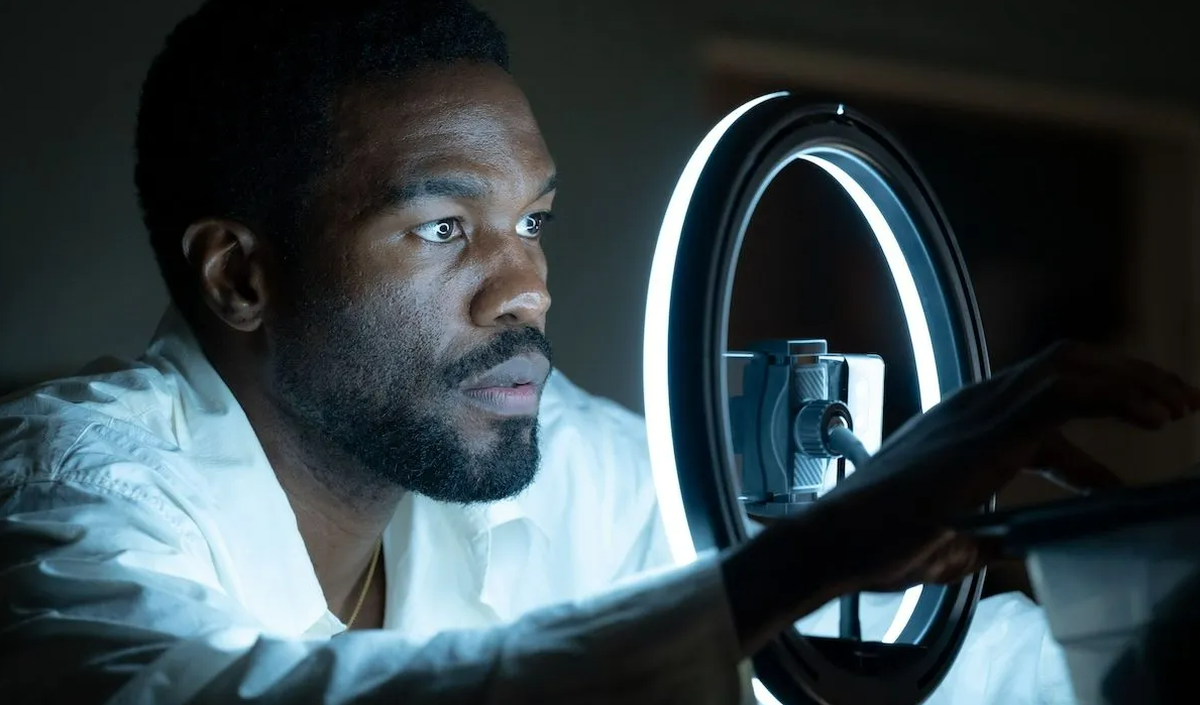
Against that backdrop, creators Destin Daniel Cretton and Andrew Guest disarm us by centering its story in a cataclysmic conflict of a different kind: surving Hollywood. The premise is so deliberately ordinary it almost feels like Kevin Feige augured us rolling our eyes at the mere thought of another She-Hulk before we’ve hit play. Simon Williams (Yahya Abdul-Mateen II), an actor with hidden ionic powers, is chasing the titular role in a remake of Wonder Man, a movie he adored as a kid. His potentially explosive and definitely career-derailing powers complicate that pursuit, since this version of Hollywood has decided that enhanced individuals are professional liability with insurance problems, and are hereby banned from working in the industry under the Doorman Clause (more on that later).
A still from ‘Wonder Man’
| Photo Credit:
Marvel Studios
The superhero-meets-Hollywood-fishbowl conceit could have collapsed under self-conscious satire, but the people inhabiting it ground it. Abdul-Mateen shapes Simon as a man addicted to performance but allergic to the consequences of self-sabotage. His neuroses aren’t cute. The way he talks around silence, dissects backstories in empty rooms, and treats every minor audition like the last chance to matter, is deliberately frustrating and adds layers to his personality. It’s an internal rhythm rarely heard in Marvel’s typically externalised universe, and Abdul-Mateen’s performance anchors it with texture and humane precision that avoids reducing the character to camp or quirk.
A marvelous Ben Kingsley’s Trevor Slattery could’ve been a recurring gag in lesser hands — the washed-up “ACK-TOR” forever haunted by his role as the faux terrorist, Mandarin. Here, Trevor is a phantasm of vanity and tenderness whose eccentricities are investments in survival. Kingsley gives him a wrecked beauty, as though every laugh line is a record of battles fought in small rooms and tiny theatres.

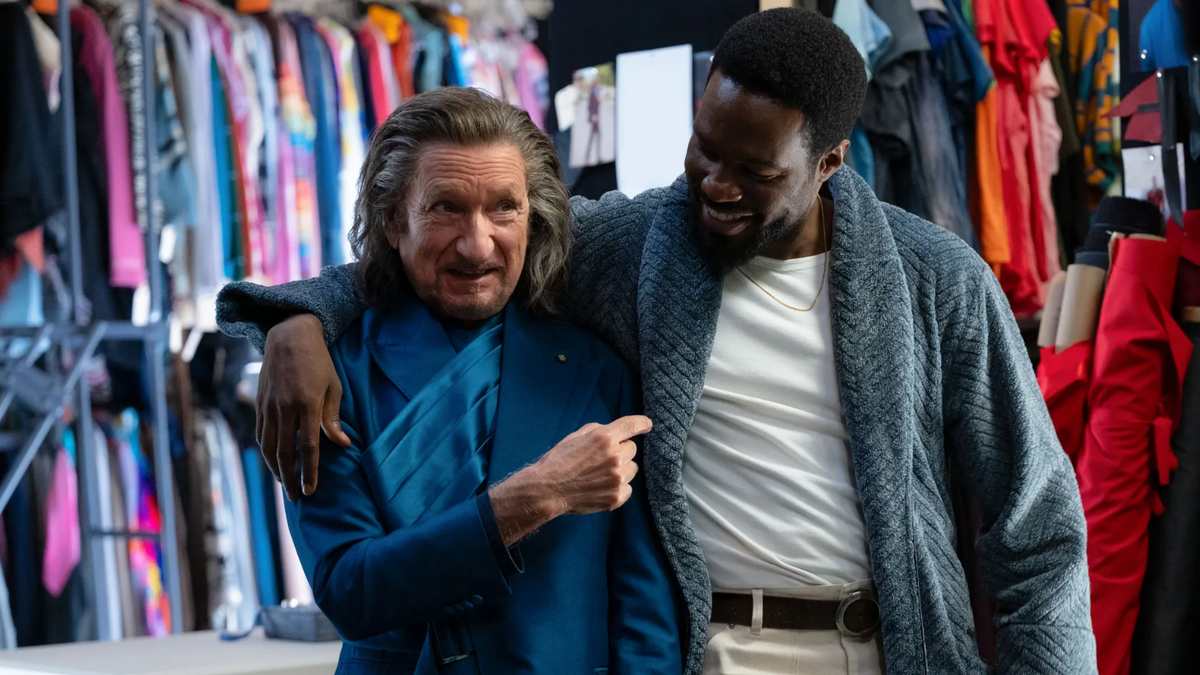
Together, the two generate a chemistry rooted in shared obsession and passion for their craft. They meet in a half-empty repertory theatre during a screening of Midnight Cowboy, bond over quoting Shakespeare at each other, and build trust through Trevor’s old-school breathing drills and off-camera line readings that steady Simon before auditions. The show uses those moments to interrogate what dedication to craft actually feels like as persistently return to acting as work worth arguing over, sweating through, and stealing time for, which turns their fevered cinephilia into a survival tactic.

A still from ‘Wonder Man’
| Photo Credit:
Marvel Studios
What’s especially telling in Wonder Man is how it consciously slots itself into the lineage of Hollywood RPGs. Apple’s recent success with Seth Rogen’s Emmy-winning, The Studio might have staked precedence in meta comedy about the industry, and HBO’s The Franchise attempted a darker, cynical exploration of blockbuster fatigue, yet Marvel’s version doesn’t shy from affection even while it skewers. Wonder Man satirises the machine without spitting on its wheels, deploying industrial mockery as a connective tissue. There’s a sly understanding that superhero cinema is big business, and that business disproportionately values spectacle over struggle. So a scene about struggling around LA to craft the perfect self-tape carries more subversive weight here than any green-screen ensemble battle scene.

The Doorman episode is Wonder Man at its mischievous best because it stops the show cold to explain a piece of Marvel bureaucracy that would usually get buried in a throwaway line. Halfway through the season, the series abandons Simon and Trevor to tell the story of DeMarr Davis, a longtime club doorman whose ability to phase himself and other objects through walls turns him, briefly, into exactly the kind of “authentic” oddity Hollywood loves to rent. He lands acting work, becomes a minor fascination, then causes a catastrophic on-set accident involving a certain J-Gad playing himself that sends insurers into panic mode and studios scrambling for legal cover. Out of that mess comes the aforementioned Doorman Clause, the rule banning superpowered people from acting, which retroactively explains why Simon’s gifts function as a career death sentence. The joke, and the critique, sit in plain view as Marvel pauses its own narrative to dramatise how one marginal worker gets sacrificed so an industry can keep calling itself “risk-averse,” then folds that sacrifice back into the franchise as policy.
A still from ‘Wonder Man’
| Photo Credit:
Marvel Studios
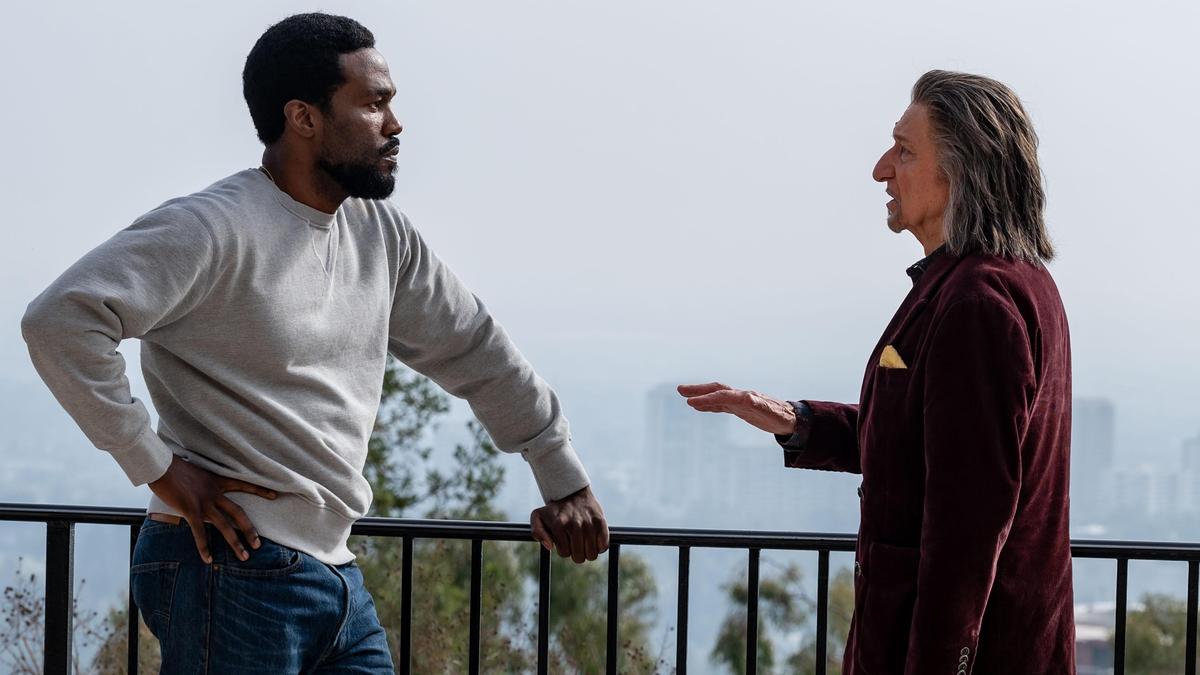
The funniest thing Wonder Man ever does involves taking acting extremely seriously inside a franchise that has spent the past decade training audiences to treat performance as decorative upholstery for its homogenised fantasies. This is Marvel, pausing its conveyor belt long enough to stage earnest debates about breath control, intention, and subtext, then filming them with the solemnity of a conservatory critique. All of it unfolds inside a corporate ecosystem optimised for scale, synergy, and quarterly earnings calls, which gives the reverence a faintly deranged edge. The show never explicitly names that contradiction, since it doesn’t need to. Watching a multibillion-dollar studio bankroll a love letter to craft is the joke itself, and Wonder Man trusts us to get it.

It’s also telling (though still unsurprising) that Marvel’s most resonant project in recent memory doesn’t require endless crossovers or universe-wide tie-ins. The studio still hasn’t solved every problem but in a franchise oversaturated with bigger being better by default, Wonder Man chooses deeper instead, and the difference is palpable. It suggests that, at least for now, Marvel’s most effective magic may no longer be spectacle on the surface, but sincerity beneath it.
Wonder Man is currently streaming on JioHostar
Published – January 30, 2026 06:15 pm IST