




Why don’t all animals give birth to the same number of babies at a time?
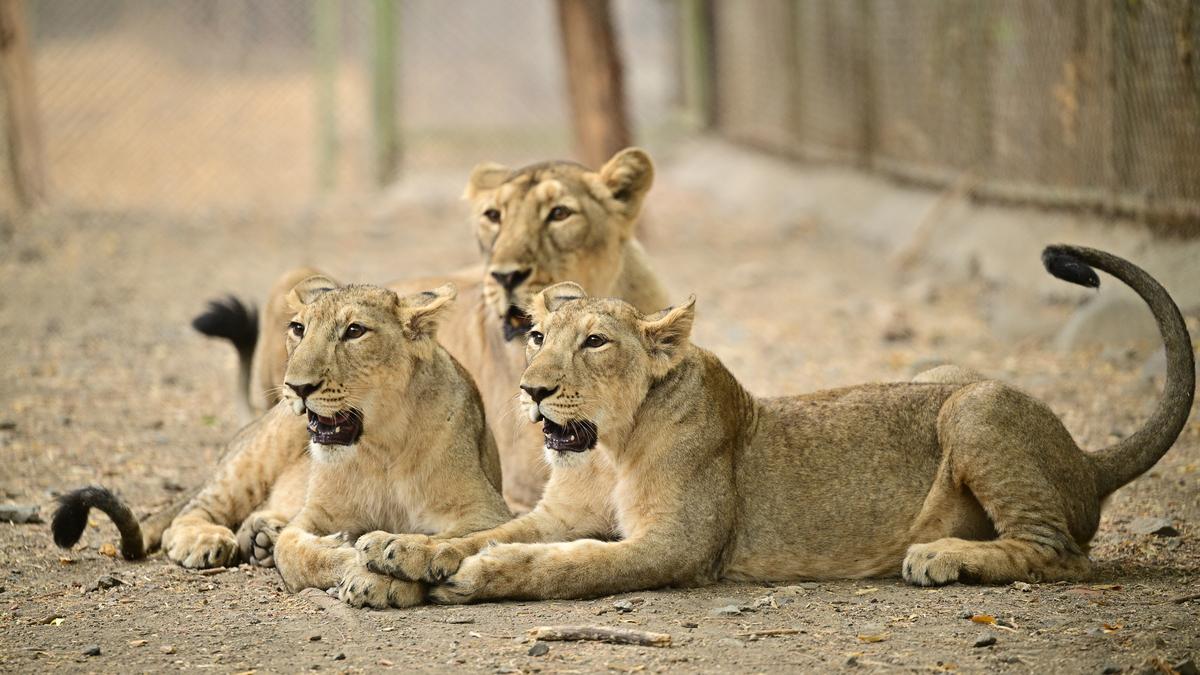
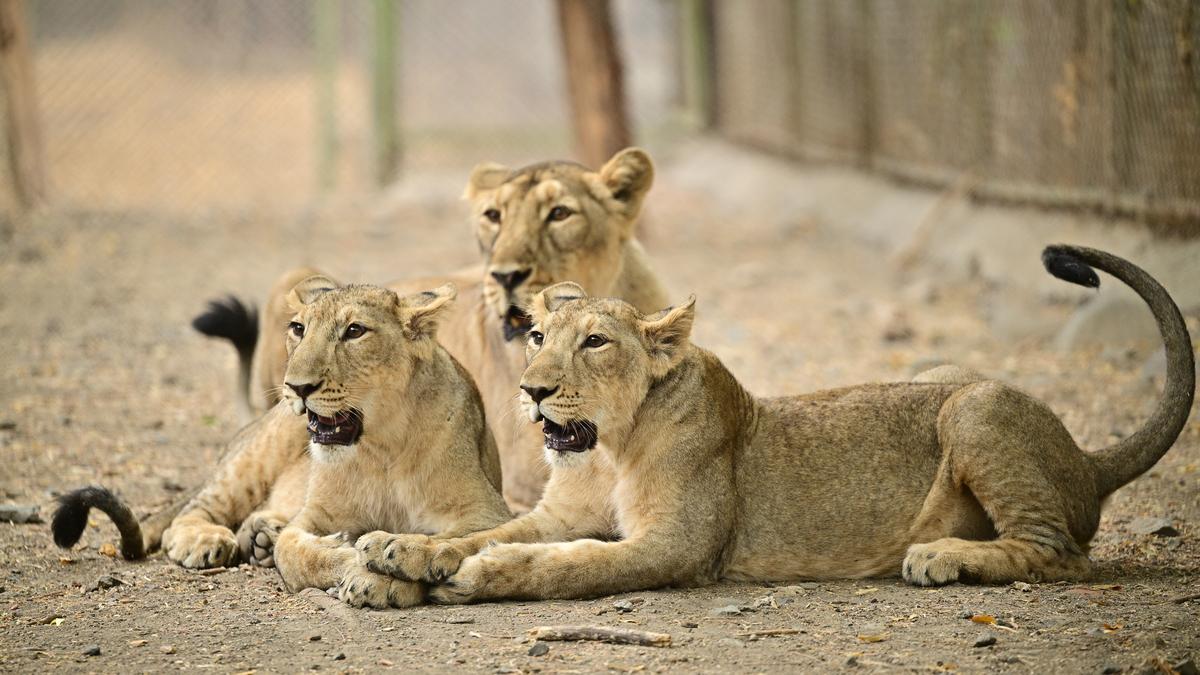
An Asiatic lioness with her two seven-month-old cubs at Sakkarbaugh Safari breeding centre in Junagadh, May 6, 2025.
| Photo Credit: VIJAY SONEJI/The Hindu
— N. Ramalakshmi
A: The answer is a combination of how many eggs are released or ovulated and the species’ survival strategy.
Many large mammals like elephants, cows, and humans usually release one egg per cycle and commit heavily to that one offspring. Pregnancy is long, the baby is relatively big, and the mother invests a lot of energy in nurturing it. (Twins are born when either two eggs are released or one embryo splits into two.)
Many dogs, cats, pigs, rodents, rabbits, etc. often release multiple eggs in one cycle, so multiple embryos can develop at once. Their uterus is also built to carry several foetuses. And their newborns are smaller, the pregnancy is shorter, and the strategy is to produce many because not all will survive.
Tigers occupy a middle ground: they typically have litters of up to four cubs because their survival in the wild is uncertain, yet they still invest a lot in each cub. They don’t usually have larger litters like dogs because each cub is still ‘costly’ to raise and needs a lot of milk and protection.
Published – February 13, 2026 07:00 am IST