


What is cheaper to cook with, LPG or induction?
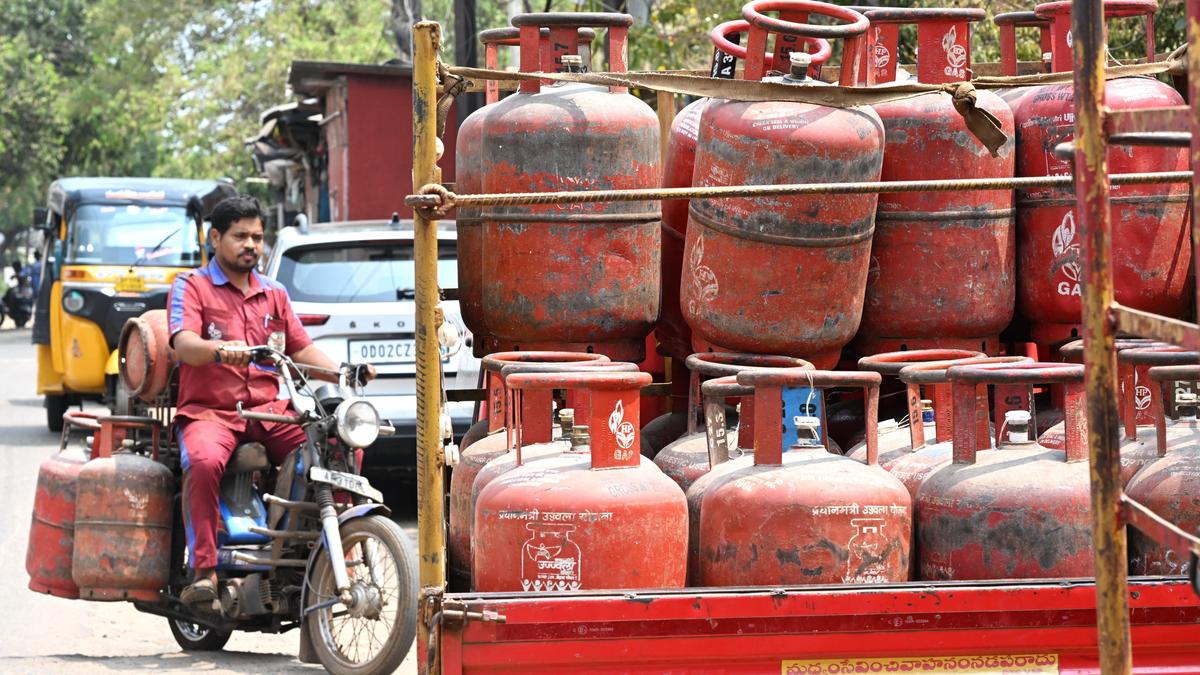
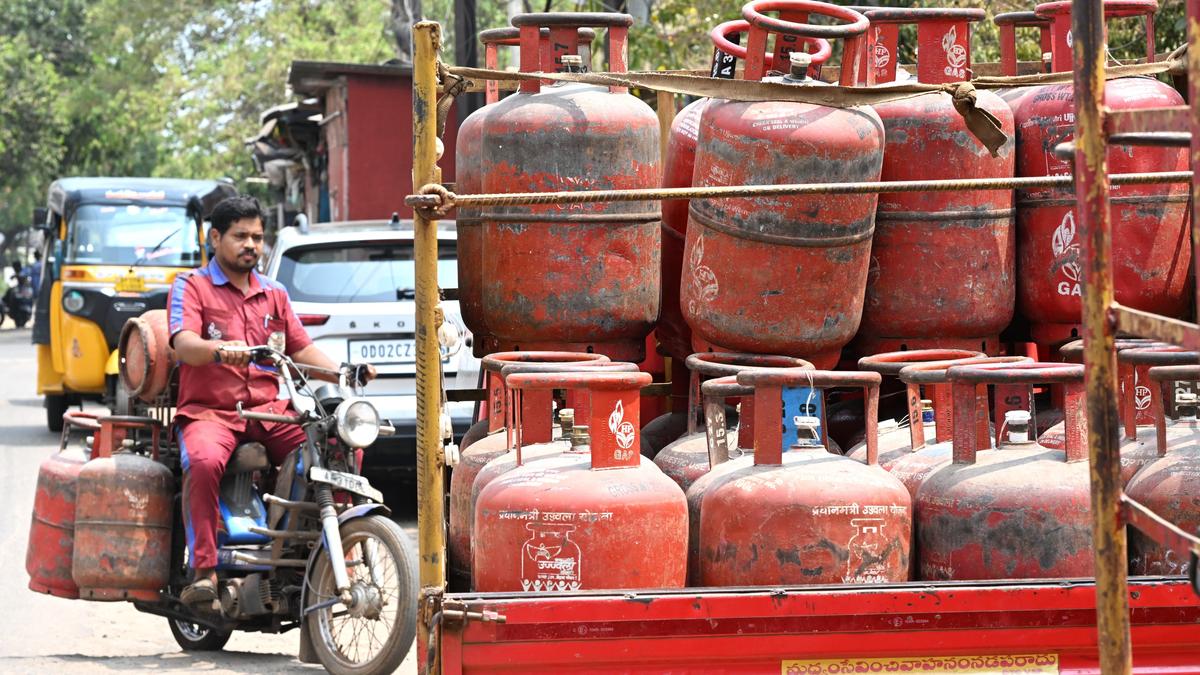
LPG cylinders being transported in a vehicle for distribution in Visakhapatnam on March 10, 2026, amid public concerns about supply and prices.
| Photo Credit: V. RAJU/The Hindu
As hotels, hostels, and community kitchens grapple with the unexpected shortage of LPG, those with electric cooking equipment feel they are in a safer position.
Achal Sridharan, founder of CovaiCare retirement communities in Coimbatore, says if the situation turns worse, there will be no option but to go for electrical cooking. “It is a question of survival and not viability. Yes, the costs will be slightly higher. But we need to manage that,” he said.
The most popular electrified cooking equipment is the induction stove. It consists of a glass surface covering the heating component. When an alternating electric current passes through a copper coil beneath the glass, it creates a fluctuating magnetic field. When you place a magnetic pot on top of the surface, the field induces electric currents inside the metal. These currents meet resistance, generating heat directly in the vessel instead of the stovetop.
Costs of cooking
A gas flame is more inefficient because it loses nearly 60% of its heat to the surrounding air, meaning a user only uses about 40% of the energy they pay for to actually cook. A non-subsidised LPG cylinder weighing the standard 14.2 kg also currently costs around ₹913 in cities like Delhi.
An induction stove on the other hand can be about 90% efficient because it uses magnetism to heat the vessel directly without warming the air. To get the same amount of useful heat as one full LPG cylinder, an induction stove will consume about 78 units of electricity. Even at a high residential rate of ₹8 per unit, the total electricity cost would be around ₹624, which saves nearly ₹300 per month compared to gas. The gap can be even wider in Tamil Nadu, for instance, where the first 100 units of electricity every month are free for residences.
To switch to cooking with an induction stove alone, users have to pay for the cooktop, which usually ranges from ₹2,000 to ₹4,000, similar to the price of a mid-range gas stove. They will also need to pay for induction-compatible cookware such as stainless steel or cast iron pans with flat bottoms, which can cost several thousand rupees for a complete set.
Additionally, high electricity use can push a household into a more expensive billing slab, increasing the overall monthly power bill.
Despite these initial expenses for hardware and new pans, research has found that the lower daily running costs usually can allow a typical family to recover the total investment within a year. The kitchen will also stay cooler and will be easier to clean, further saving on the costs of ventilation and labour.
Capital expense
This said, commercial establishments face compounding issues that keep LPG cylinders more desirable.
Jegan Damodarasamy, CEO of Sree Annapoorna Sree Gowrishankar Hotels in Coimbatore, says most restaurants in Coimbatore have ‘low tension current transformers’ connections and run to almost full capacity and can’t add electrical equipment to the existing load. Hotels will also need expensive high tension connections.
The capital cost for electrical equipment is two to three times more compared with those used for LPG cylinders. For instance, for an existing kitchen to switch to electrical cooking, a compatible burner is estimated to cost Rs 3.5 lakh.
“We have a dosa tawa at our counter at the Coimbatore airport. We use an electrical tawa as LPG cylinders are not permitted in the airport. But the cooking time taken is slightly higher,” Mr. Damodarasamy says.
Also, power availability is an issue. There should be adequate power backup facilities. Given all these factors, restaurants prefer LPG cylinders, he adds.
Published – March 11, 2026 07:00 am IST