


U.S. removes references to pulses, changes tone on $500 billion investments from India
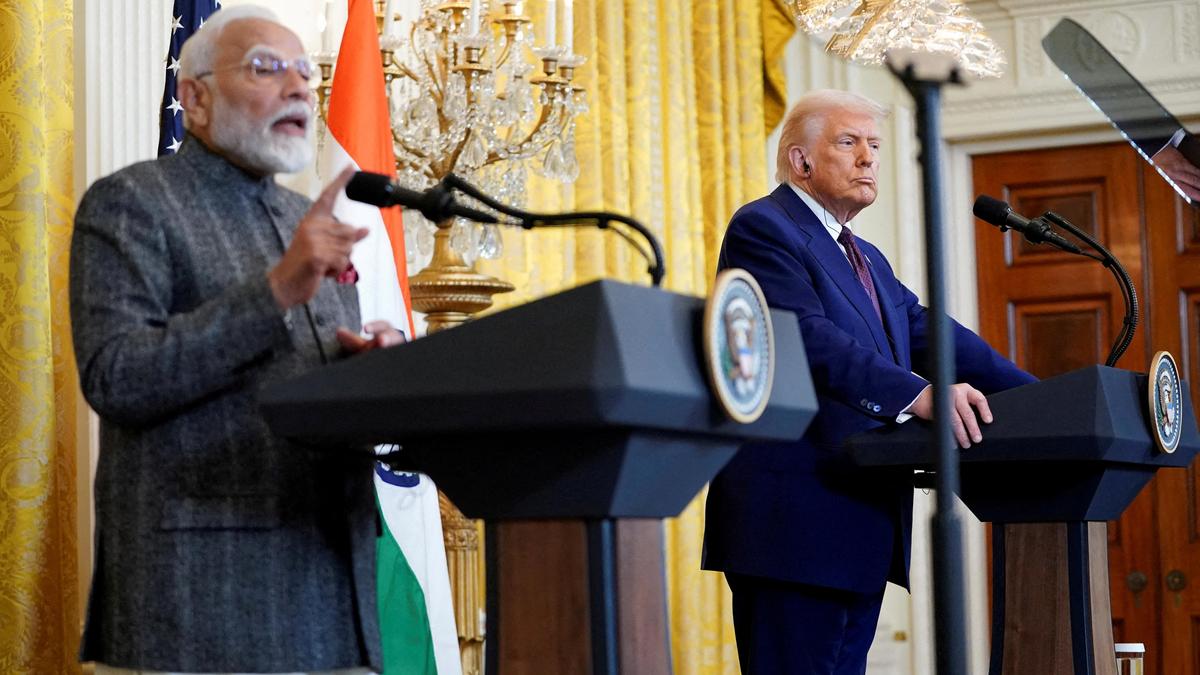
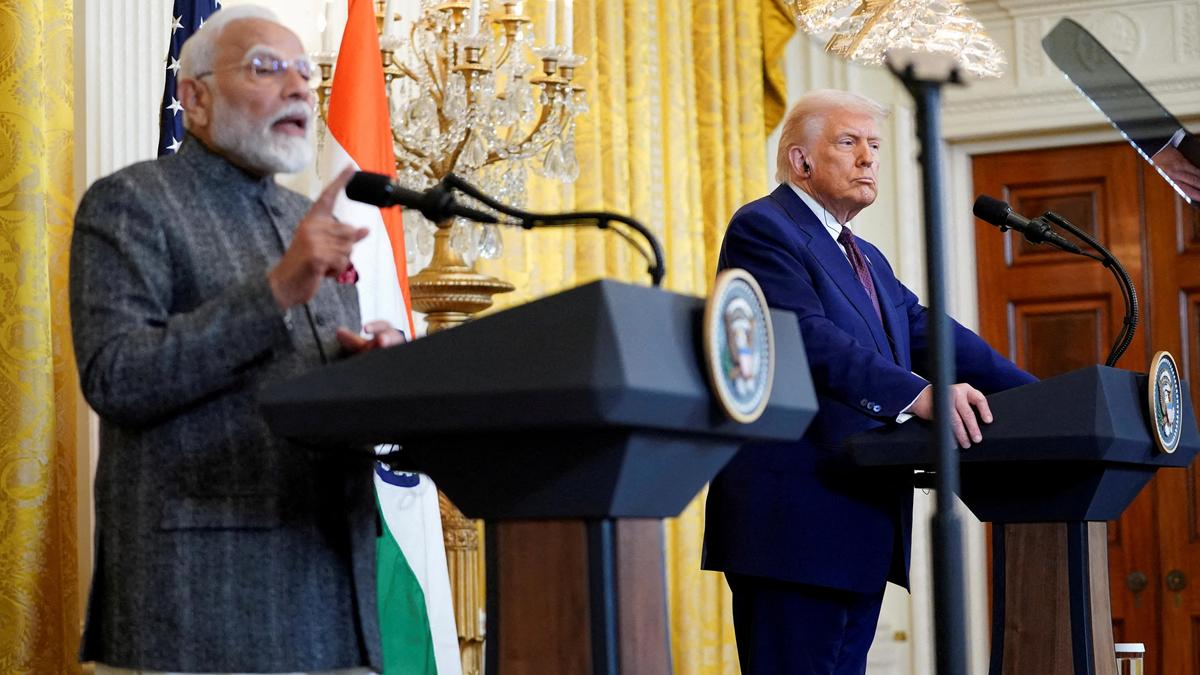
An initial version of the fact sheet highlighted key terms of the agreement including, that India will eliminate or reduce tariffs on all U.S. industrial goods and a wide range of U.S. food and agricultural products. File
| Photo Credit: Reuters
The U.S. backtracked on Wednesday (February 11, 2026) on changes it made to the India-U.S. joint statement and the White House factsheet on the India-U.S. Framework interim agreement on trade, removing references to ‘pulses’, ‘buying agricultural products’, ‘digital service tax’ and Indian ‘commitments’ on investing $500 billion.
The references, which were not in the original joint statement, had led to questions being raised in New Delhi. Opposition leaders asked the government to clarify its position after officials had categorically said that sensitive agricultural items were not included in the deal and that India had “intended” but not given a binding commitment to investing $500 billion in American products over a period of five years.

“India will eliminate or reduce tariffs on all U.S. industrial goods and a wide range of U.S. food and agricultural products, including dried distillers’ grains (DDGs), red sorghum, tree nuts, fresh and processed fruit, soybean oil, wine and spirits, and additional products,” the corrected White House Fact Sheet read. “India intends to buy more American products and purchase over $500 billion of U.S. energy, information and communication technology, coal, and other products”, a line which earlier also included “agricultural” products.
The External Affairs Ministry did not respond to a question on whether the government or the Indian embassy had reached out to the U.S. government to request the changes. The U.S. did not issue any statement before quietly amending the two documents available online.
Meanwhile, the U.S. Trade Representative’s office deleted another entry related to the India-U.S. deal. The social media post showed a map of India including in it Pakistan-Occupied Kashmir and Chinese-controlled Aksai Chin. This is in line with India’s official map but runs counter to the U.S.’s official maps that show the two regions as “disputed territory”. The post had led to questions being asked about whether the U.S. government was changing its position in India’s favour. Foreign Secretary Vikram Misri was asked about the map during a meeting of the parliamentary committee on external affairs on Tuesday.

Steadfast on Russian oil
The U.S. government continued to insist that India had committed to ending its imports of Russian oil and had already begun to curtail its purchases.
“India has already started winding down purchases of Russian energy products and are already ramping back up purchases of American energy and other sources,” U.S. Trade Representative Jamieson Greer told Fox News on Wednesday.
Also Read | India-U.S. trade deal is a blow to India’s strategic autonomy
The government has not so far denied the U.S. contention that it has given up Russian oil, saying only that its policy is to “diversify” energy procurement and this would be in “national interest”.
Published – February 11, 2026 09:40 am IST