


U.S. judge to meet parties on Trump-tariff refunds in closed-door ‘settlement conference’
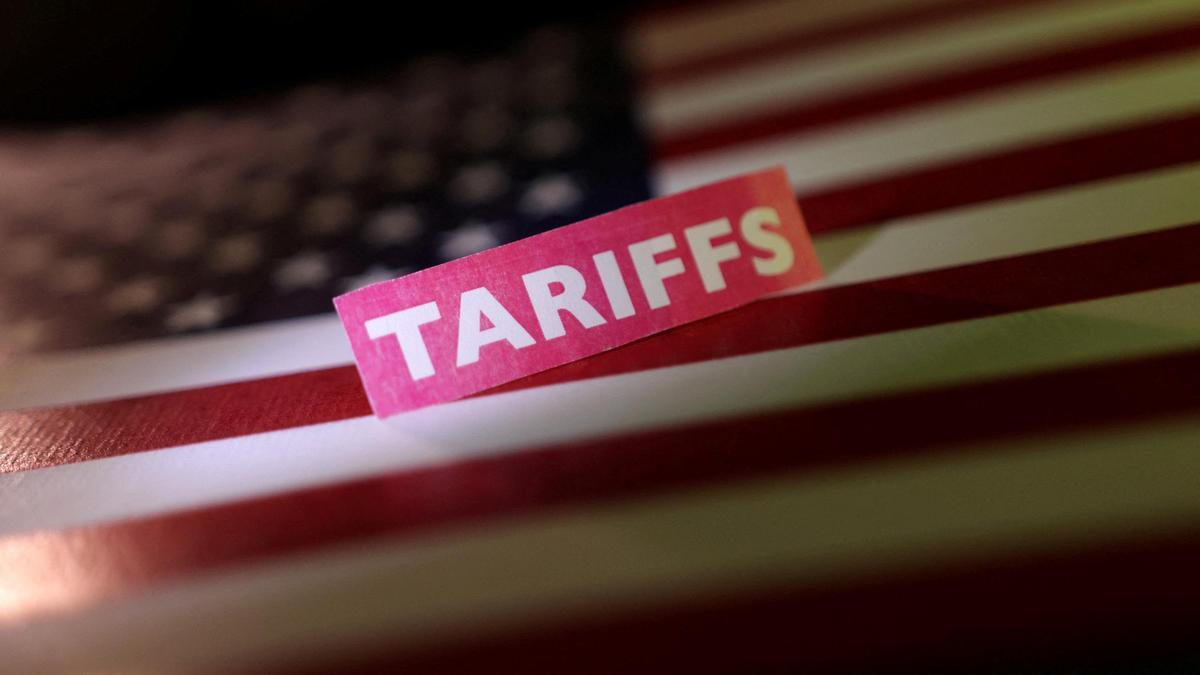
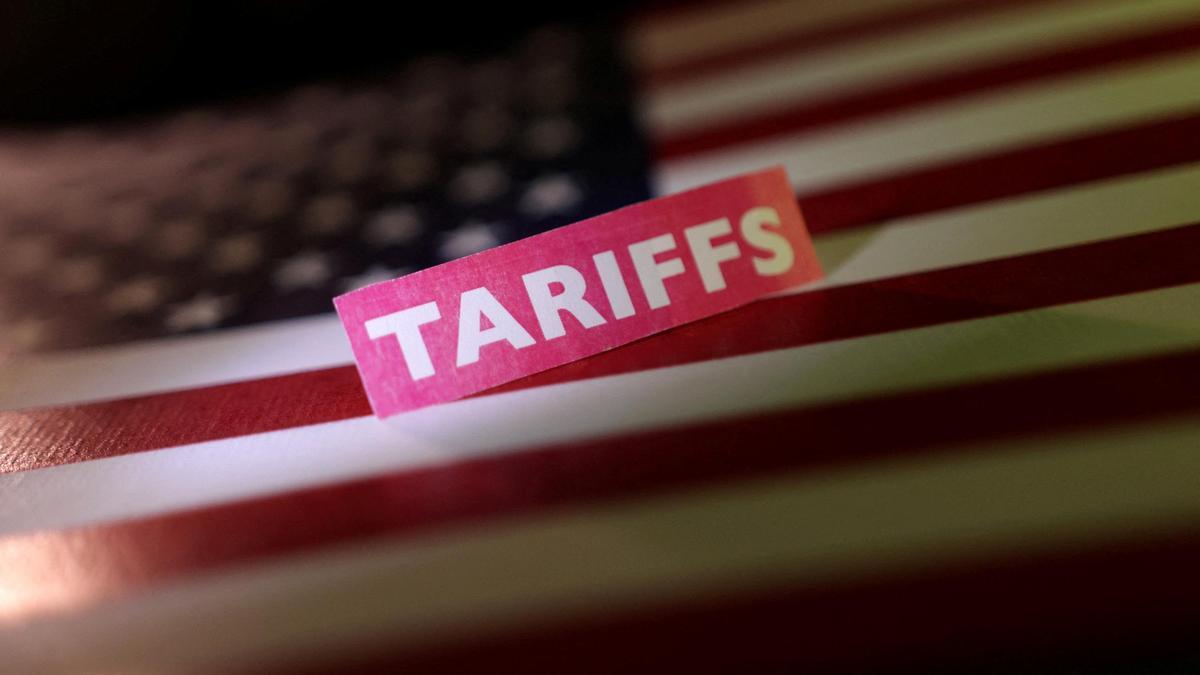
Image used for representation
| Photo Credit: Reuters
A U.S. judge will meet behind closed doors with government lawyers on Friday (March 6, 2026), seeking to hammer out a process to refund up to $175 billion in illegally collected tariffs, a meeting a court official described as a “settlement conference.”

Judge Richard Eaton of the U.S. Court of International Trade will meet with lawyers representing the customs agency responsible for reimbursing more than 300,000 importers who paid the tariffs, which were struck down last month as unconstitutional.
Government lawyers have said the process for refunding President Donald Trump’s signature tariffs was unprecedented in scope and would require manual review of tens of millions of tariff payments.

U.S. courts are presumed to be open to the public, although judges will sometimes hold private meetings with parties to discuss scheduling or how to handle sensitive information.
The calendar on the court’s website describes Friday’s meeting as a “closed conference.” When asked why the meeting was closed to the public, Gina Justice, the clerk for the trade court, told Reuters on Thursday that it was a “settlement conference.”
The case that Judge Eaton is overseeing to create a refund process was brought by a single importer, Atmus Filtration Inc, which said in a court filing it had paid $11 million in illegal tariffs.
Atmus’ lawyers will be able to attend Friday’s meeting remotely, according to the court docket. They and the agency, U.S. Customs and Border Protection, did not respond to requests for comment.
It is unclear why the Atmus case, which was filed last week, became the vehicle that may determine how to litigate the tariff refunds for around 2,000 cases.
The judge, who said he was chosen by the court to hear those cases, said he wanted a process that would not require going to court.
Mr. Eaton issued a sweeping order on Wednesday in the Atmus case, directing the CBP to begin refunding illegally collected tariffs to potentially hundreds of thousands of importers using the agency’s existing internal process. The order made clear that it applied to all importers, not just Atmus.
A broad swath of Trump’s tariffs were struck down by the U.S. Supreme Court, which ruled on February 20 that Trump had exceeded his authority, upending a key plank of his economic policy. The court did not provide guidance on refunds, a process that dissenting Justice Brett Kavanaugh warned could be a “mess.”
The vast majority of importers are small businesses, and many worry that the refund process will be costly and distracting.
Mr. Eaton said he expected CBP lawyers to attend Friday’s 10:30 a.m. ET (1530 GMT) meeting, which he called a conference, to resolve how to cut through paperwork on 79 million shipments and issue refunds.
“I don’t believe that any of this has to be chaotic with respect to anybody, because I know that you’re going to try to come up with a way of doing it,” Justice Eaton said at Wednesday’s hearing. “And so on Friday, we’re going to hear at least the initial ideas from the customs service as to how this will proceed.”
An attorney involved with other trade refund cases told Reuters they believed the meeting would result in a process that would be made public as soon as Friday that would provide relatively quick refunds for the vast majority of importers without the need to sue.
Cases by importers such as VOS Selections and Learning Resources were filed early in 2025 and went all the way to the Supreme Court. The legal team for VOS Selections and several other importers had asked the judges handling their cases to transfer them to Eaton, although the court has not taken action.
Published – March 06, 2026 11:06 am IST