




The quiet decline of repair culture
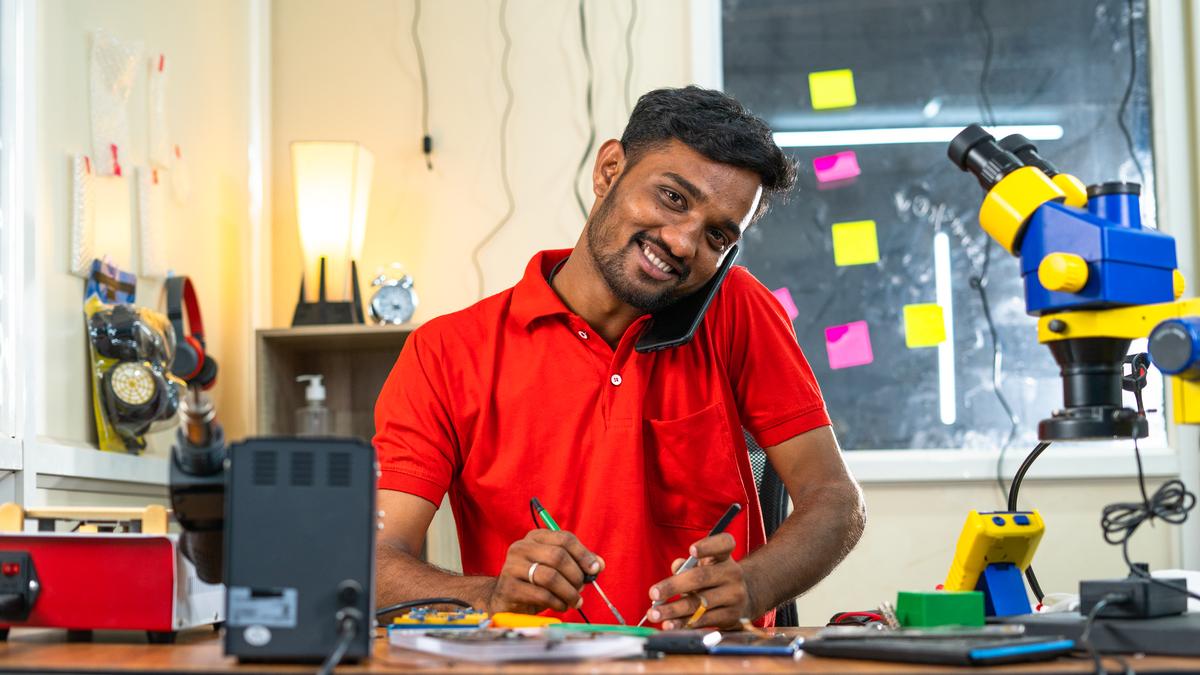
Repairing and reusing consumer goods directly contributes to attaining all the United Nations Sustainable Development Goals.
| Photo Credit: Getty Images/iStockphoto
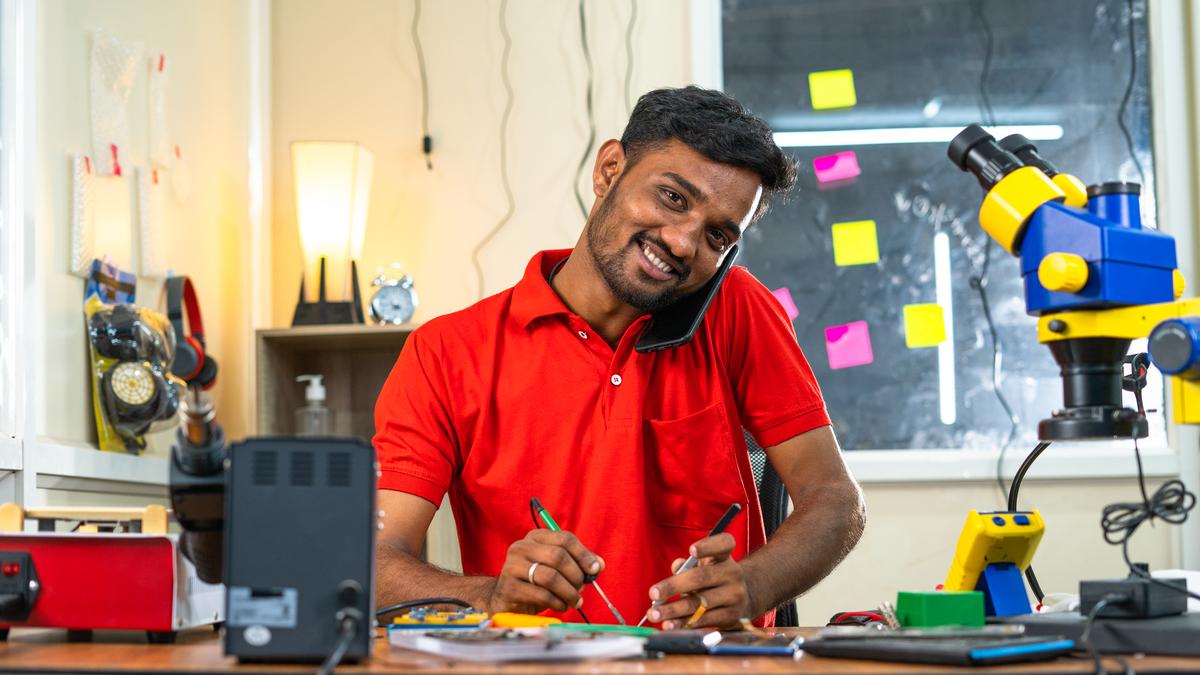
In Bengaluru’s old markets, the hum of a grinder or the soft tap of a cobbler’s hammer used to add to the ambient noise. But today, many of those tiny repair shops lie quiet or closed. Customers increasingly abandon the mantra of fixing old items in favour of buying new, cheaper replacements. “People want trendy technology,” notes one veteran technician, lamenting that consumers now aspire to upgrade rather than repair. The result is a quiet shift. Lamps, watches, phones, and even bicycles are tossed aside early in their lifecycle instead of mended. This trend can impact the environment significantly.
During the rapid growth of India’s IT industry from the late 1990s through the 2000s, there was an explosion of independent service shops in urban India. Service shops could be found throughout urban India repairing TV sets, sewing machines, transistor radios and so on. In more recent years, these independent service shops are struggling to remain viable.
Many new electronics goods are built as “disposable products”, observes one repairer, reflecting a nationwide pattern. The smartphones and slim laptops, in particular, are made so compact that opening them is difficult. Many customers find it simpler to buy new gadgets than fix the old ones.
This has its consequences on the environment. India is already a fast-growing source of electronic waste. As reported in a new study by the UN, e-waste from computers and mobile phones rose 163% from 2010 to 2022, the fastest growth of any area worldwide. In 2013 alone, Bengaluru produced roughly 20,000 tonnes a year, with this figure continuing to rise each year. Most discarded gadgets go either to landfill or an unregulated recycling centre. Roughly up to 80% of India’s e-waste is processed without permission and in an informal manner. Unsafely disposed electronics release toxic metals into the soil and water with serious harm to the environment and health.
Repairing and reusing consumer goods directly contributes to attaining all the United Nations Sustainable Development Goals. Especially SDG 12, responsible consumption and production, calls for extending the life of products and material recycling. Experts argue India cannot meet SDG 12 (or its climate targets) without engaging its informal repairers and recyclers. Every smartphone given a second life or every pair of shoes patched up reduces demand for new raw materials and cuts carbon emissions. One UN-supported programme estimates that formalising e-waste recycling in India will prevent thousands of tonnes of toxic heavy metals entering the environment and slash about 6,00,000 tonnes of CO₂-equivalent emissions.
Beyond the numbers, many Bangaloreans already feel the cultural loss. Repairs once seen as routine are now viewed as not essential. “Repair skills are increasingly considered a vocation for the uneducated,” notes a design researcher, reflecting a growing social bias, and repair culture in Indian cities is “steadily declining”. In practical terms, few young people volunteer to be apprentice cobblers or watchmakers. Veteran repairers say customers now think twice before mending anything. In one computer shop, an experienced technician observes bluntly: “They buy cheap computers that stop functioning within a couple of years.” This makes repair seem pointless.
Still, initiatives are emerging to reverse the tide. Bengaluru’s Repair Café is one example, a community event where craftsmen, volunteers and residents come together to fix household items for free. Advocates are also pushing the “right to repair”, urging manufacturers to share manuals and spare parts. Earlier this year, the government’s Mission LiFE launched a portal to help consumers find repair services and encourage mindful consumption. Several major electronics brands have registered on the portal.
Reviving repair culture is more than nostalgia. It’s a practical route to less waste, stronger communities and more sustainable cities. Each rewoven heel or re-soldered circuit gives an item a new lease of life. As one repair advocate puts it, “instead of discarding or upgrading to a better model, one can try giving things a new lease of life”. By championing the old craft of fixing, Bengaluru, like other cities, would make real progress on SDG targets and curb pollution. Mindful mending and reuse shrink landfills, cut emissions, and keep neighbourhood livelihoods alive.
varunjha.work@gmail.com
Published – February 08, 2026 05:05 am IST