




The curious case of SCR’s twin stations
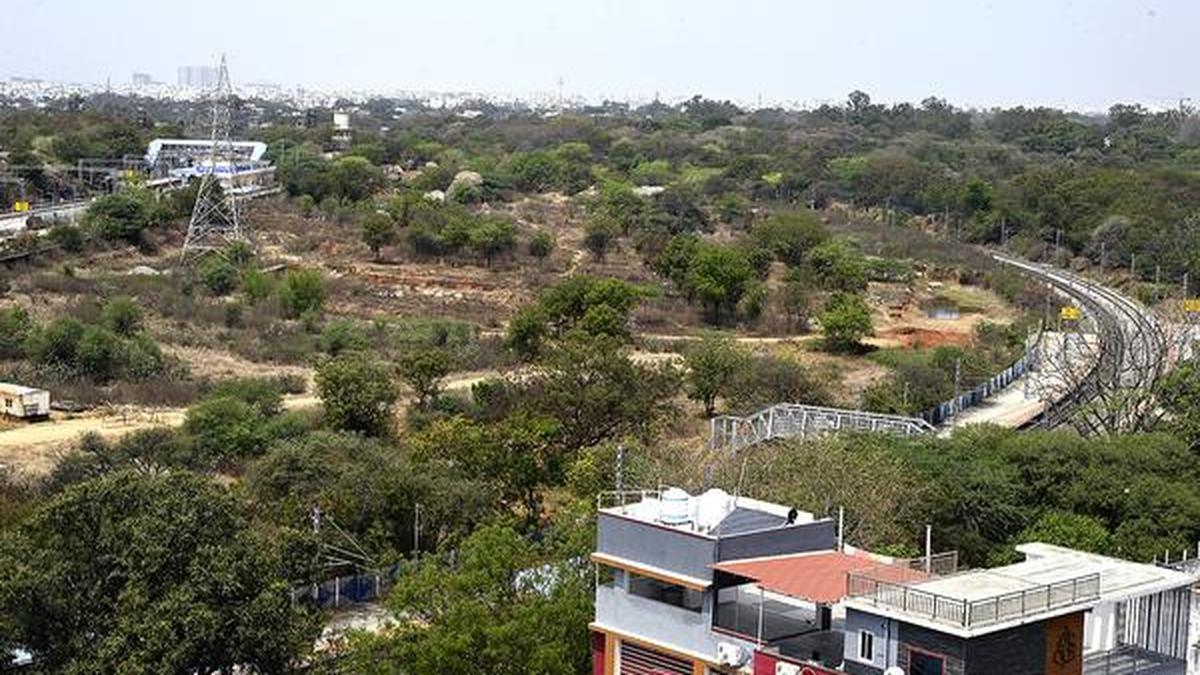
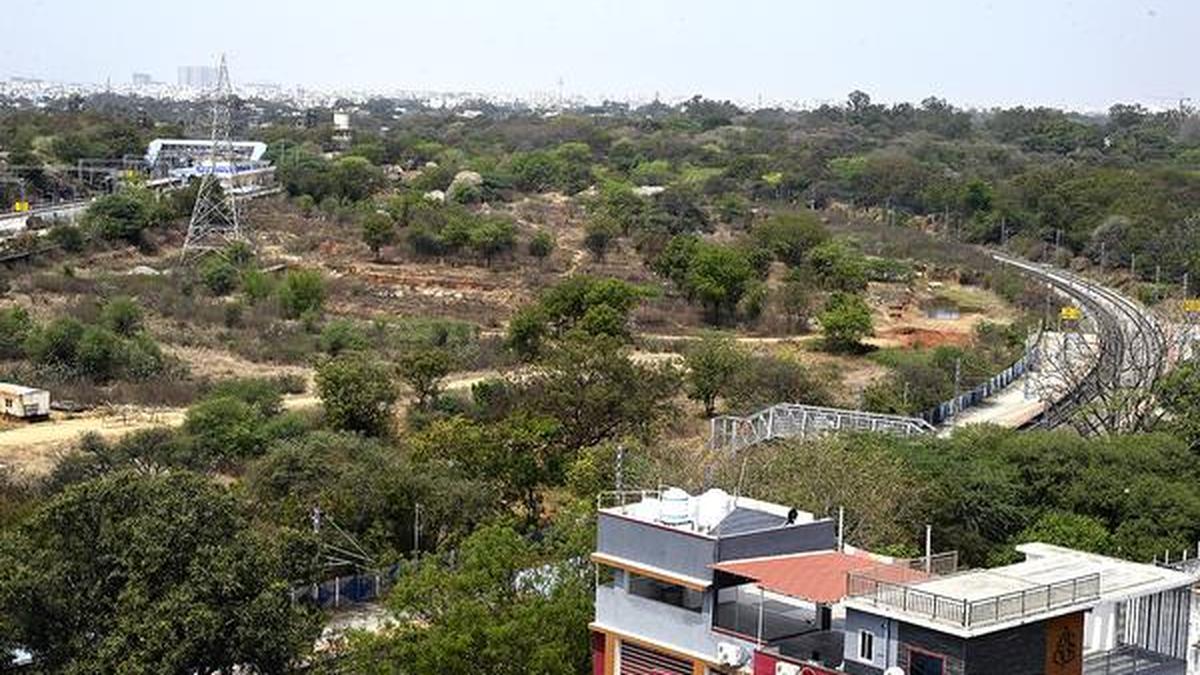
A view of the twin rail corridors near Ammuguda, showing the new Ammuguda station on the Ghatkesar–Sanathnagar line alongside the existing Ammuguda station on the Malkajgiri–Bolarum section.
| Photo Credit: G. Ramakrishna
South Central Railway (SCR) has the rare distinction of hosting pairs of “twin stations”- stations that share the same name, sit only a short distance apart, yet exist at different elevations and serve entirely different purposes.
The first of these doppelgangers lies on either side of Secunderabad: Lallaguda and Lallaguda Gate stations. Lallaguda Gate station, located on the Secunderabad-Malkajgiri-Nizamabad route, is a familiar halt for daily suburban commuters travelling between Malkajgiri-Medchal.
A little away, on the Secunderabad-Kazipet line, sits the other Lallaguda, a station with no train halts or commercial activity. It functions purely as an operational outpost, a signalling point that helps regulate the movement of trains across a busy corridor.
If the Lallaguda station twins are unusual, the Ammuguda duo pushes the envelope even further as both stations not only have the same name but also fall under the same Hyderabad Division.
The ‘older’ Ammuguda station, dating back to the Nizam State Railway and located on the Kacheguda-Nizamabad line, continues to serve as a regular halt for MMTS and suburban services towards Medchal, Secunderabad and Lingampally.
A new operating station, also called Ammuguda, was opened between Moula Ali and Sanatnagar stations when a chord line was built to bypass the busy Secunderabad junction station. This was for freight trains to move directly onto the Vikarabad-Mumbai route coming from the Kazipet side, according to top railway officials.
Explaining the role of such operational outposts, senior officials said: “These stations do not have ticketing counters, train halts or passenger amenities. Their purpose is to handle block signalling placed between two stations roughly 10-12 km apart to ensure safe train movement”.
Until recently, this ‘new’ Ammuguda station was merely an operational point on the Secunderabad-Moula Ali chord line till it was doubled and electrified under MMTS phase two. It now has a station master and has become a halt station for MMTS suburban trains connecting Secunderabad-Medchal-Lingampally sections two years ago.
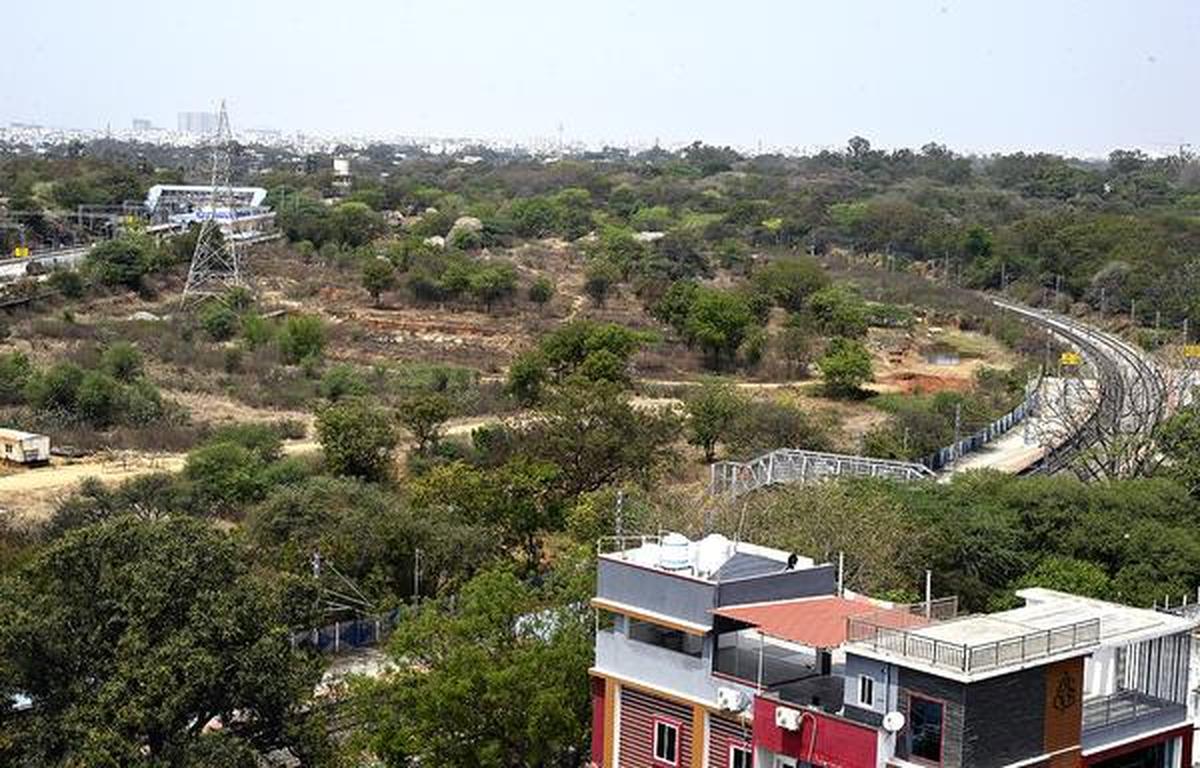
A view of the twin rail corridors near Ammuguda, showing the new Ammuguda station on the Ghatkesar–Sanathnagar line alongside the existing Ammuguda station on the Malkajgiri–Bolarum section.
| Photo Credit:
G. Ramakrishna
However, unlike the Lallaguda pair, the two Ammuguda stations have triggered genuine confusion among both passengers and ticket-issuing staff particularly when commuters do not specify the route.
“We have MMTS services in the morning and evening on two different routes. If a passenger doesn’t mention which Ammuguda he is travelling to, he may land at the wrong one. Staff also need to double-check before issuing a ticket,” said MMTS Travellers Association secretary Noor Ahmed Ali.
Passenger groups have demanded that railway authorities consider renaming either of the Ammuguda stations to Vivekanandapuram for clarity considering the geographical location.
Railway authorities, however, insist the system is clear enough because the two Ammuguda suburban stations lie on different routes, and the ticketing depends primarily on station codes: LGDH for Lallaguda Gate, LGD for Lallaguda (operational), AMQ for the ‘old’ Ammuguda station and AMGU for the ‘new’ one.
Yet, officials acknowledge that introducing a new halt with the same name has led to commuter challenges. Interestingly, both Lallaguda Gate and the new Ammuguda stations are located on elevated lines positioned above their twin stations on grade level.
There has also been another station-related twist, this one in the Nanded Division a few years ago. At Penuganga station, the railways did the reverse, removing the operational portion of the halt station as two other equidistant block signalling stations were saving significant costs while retaining the commercial/passenger services.
“Initially, there were protests because passengers thought the station itself was being shut down. But once we explained that only the block-signalling portion was being removed and trains would continue to halt at the station, they calmed down,” recalled SCR Chief Public Relations Officer A. Sridhar.
Published – March 14, 2026 08:57 am IST