




Tariff tirade | How good is the EU-India Free Trade Agreement for the common man?
Did you ever hear the story of the axe that told the trees he is their friend because he too is made of wood? Every time I hear the ether rife with news of soon-to-be-reduced tariffs, and no matter how meaty they sound, I am reminded of this phrase.
They say one lifetime isn’t enough for India, but I feel I’ve lived here long enough to look optimism straight between the brows and constantly doubt it. That said, the notion that the winds from the West carry news of change — and a change for the positive, as one is given to surmise — gives one little reason to be completely crestfallen.
But, don’t break out the vintage bubbly just yet. Before you can sit in a somewhat-modestly-priced European luxury sedan, sipping something precious from a village that Romans ruled 2,000 years ago, all while you casually flick your fancy timepiece, which now only costs as much as a 2BHK with an open parking slot (down from a 4BHK with a covered parking), a lot has to fall in place.

Since food and drink is what I mostly understand, those are what I am sharing my takeaways from. Well, it’s mostly drink. Okay, it’s alcohol. Now, allow me to burst the bubble systematically.
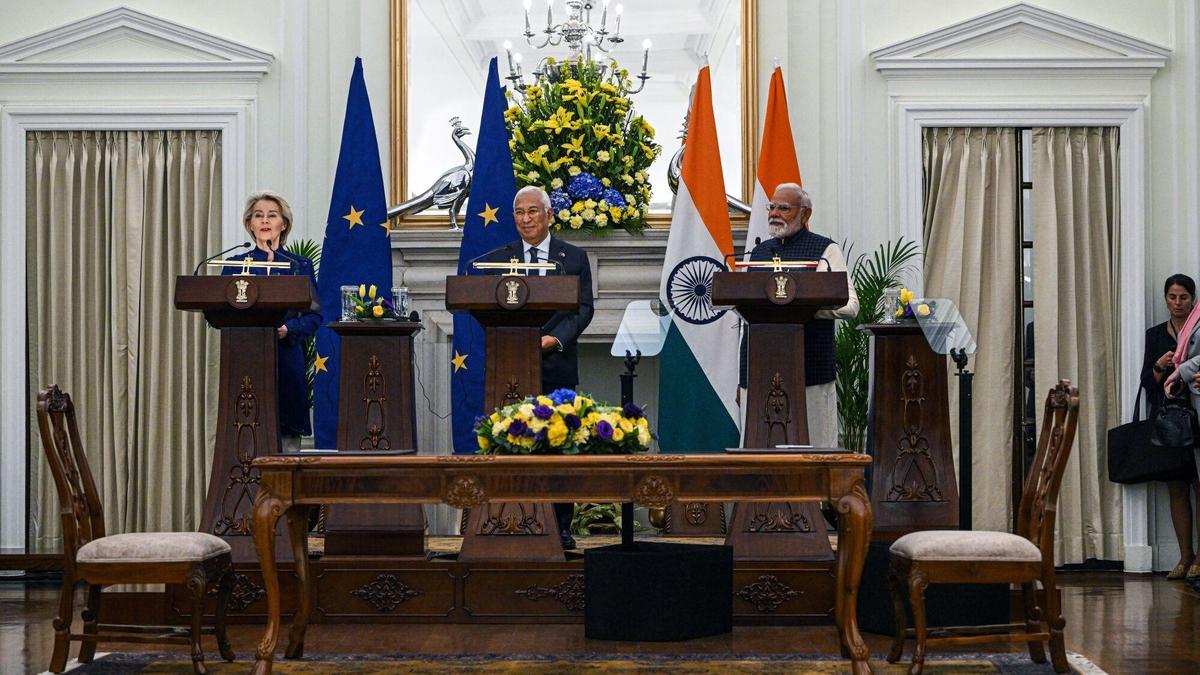
1. Negotiations have ended, the treaty is yet to be signed. Even a divorce has a six-month cool-down before it is finalised. This marriage has 27 members on one side and specific requirements from each state are yet to be filled in. This could easily take a year to be signed before implementation and roll-out can be discussed.
2.Backstocks: Importers in India are holding enough stocks to last them for a while. Even if they sell it all off before the treaty comes into play, it will then be hotels, restaurants and retail shop owners sitting with that stock. Considering how hotels and restaurants aren’t exactly the beacon of benevolence — they are for-profit business entities — don’t expect them to (a) sell the expensive stock at lower rates at a loss, nor (b) receive the benefits from new reduced rates and simply “pass it all forward”.
3. India still has regulatory bans on certain foods such as non-pasteurised milk cheeses and foie gras, among a few others. So, even a lowering of duties won’t facilitate their entry into India.
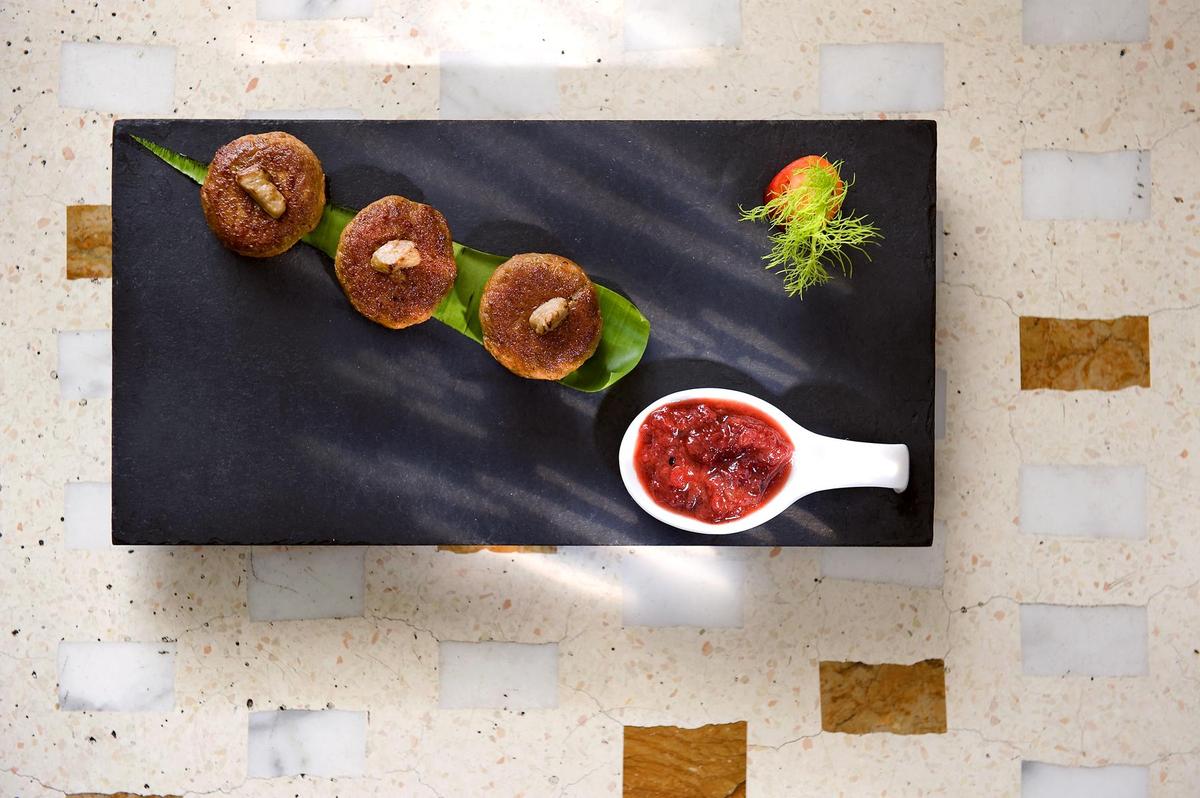
Foie grass-tuffed galawat at Indian Accent
4.Duties vs. taxes: Many fail to realise that alcohol is a state subject, which means even with reduced custom duties, state taxes can still cripple the market. Add to this the requirements of FSSAI compliance, lab tests, specially-printed back labels, packaging compliances, and high VAT (25% on alcohol in the capital) and you will still feel heady sans booze when the bill comes.
5. Duties vs. cess: As has happened before, when a customs duty falls, a new cess is brought on and appended to the bill of fare. What this means is that the duty drop is purely ornamental with no real benefit as the dues owed to the administration remain largely unchanged. For those interested, there is a 10% social welfare surcharge on the import of caviar, on top of the existing custom levies, because nothing says social welfare like caviar. Chocolates already have a 10% surcharge besides the 18% GST, so even after a fall in prices, they may still cost around 50% more than in Europe.
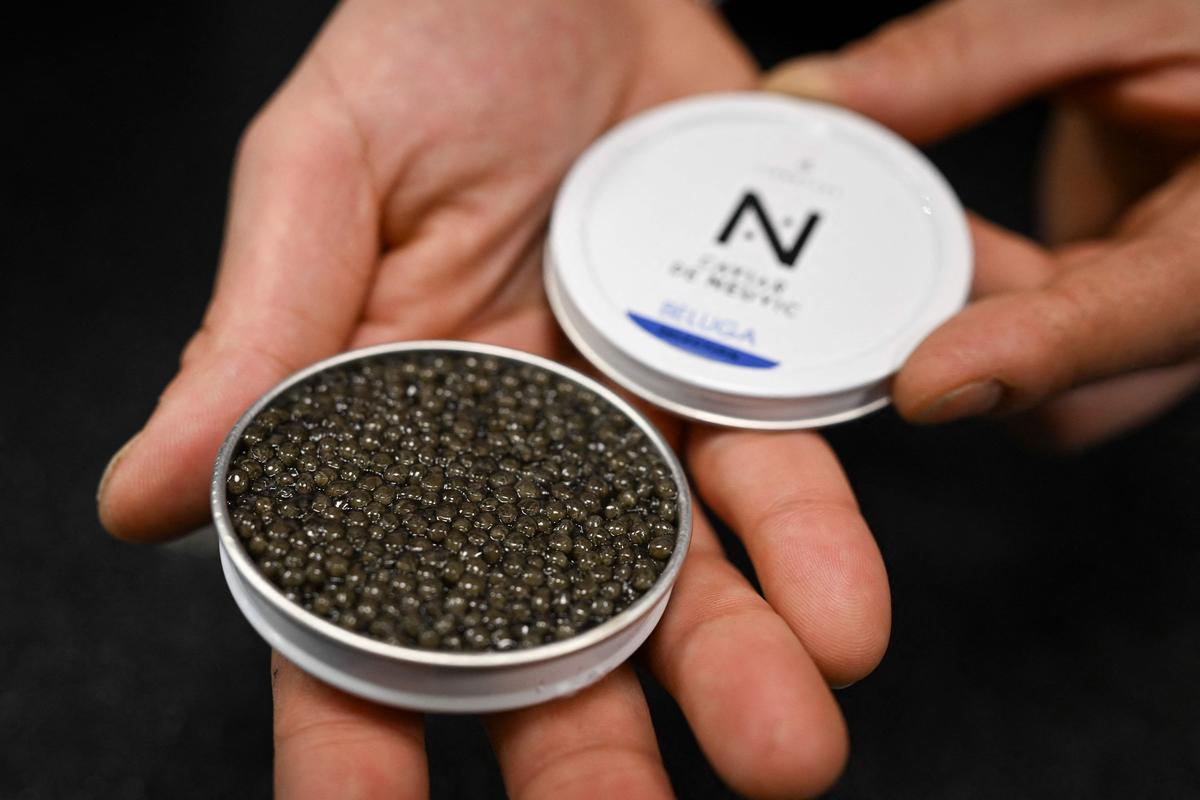
Beluga caviar at the Caviar de Neuvic boutique in Paris
| Photo Credit:
AFP
6. With cars, it is mostly the CBU (completely built unit) models that will benefit from the tax reduction. For the ignorant many, CBU sedans and SUVs are rarely in the common man’s budget, just like a steep price drop on the Burj Khalifa penthouse won’t suddenly make the average Indian migrate from his suburban flat. If anything, you will feel poorer for still being unable to afford a car in spite of the ₹1.5 cr price reduction.

Porsche Cayman
7. The 10-year cycle: Like with Australia, the tariff reduction for most products will be staggered, mostly over a decade. Which means, those unbelievably rock-bottom prices that are being touted as the final denomination won’t arrive till you have exhausted every drop in your cabinet, turned over a new leaf, and earned your five-year sobriety coin.
8. Falling tariffs will not raise your purchasing parity. It is largely making things affordable that were already affordable and often a smartly positioned tax write-off for the famously rich and fabulous. Most of this will benefit the “Already-Haves”, not the “Have-Nots”. Simply put, when gold is surging to ₹17,000 for a gram and the dollar-rupee relationship is doing a reverse free fall, broke will continue to remain broke.
9. But, not all is kosher in paradise because private jets won’t get any cheaper. So, there is that for us commoners to rejoice about, sticking it back to the Scrooges!
Overall, if this hasn’t dampened your spirits, then you were definitely already soaked in something special when you started reading this piece. To sum up: is a reduction in tariffs good? Yes. Will we reap the benefits of it soon? Not really. But, hopefully, soon enough. Will everyone stand to gain? Well, depends on what your monthly Champagne, Claret and caviar budget was earlier. That said, pet foods, cars and perhaps watches will reflect the change sooner than comestibles. So, maybe shift your priorities: drink slow, drive sexy, and maybe get a dog.
As for the powers that be, learn from the online platforms and luxury boutiques that go on sale for absolutely no reason every month, but are crafty enough to put a small asterisk against the heading and follow it up with a small print buried at the bottom somewhere which un-poetically reads, “Conditions will apply.”
The writer is a sommelier, and a lifestyle and luxury columnist.
Published – January 29, 2026 04:58 pm IST