




Supreme Court stays 2026 UGC Equity Regulations, calls it ‘too sweeping’
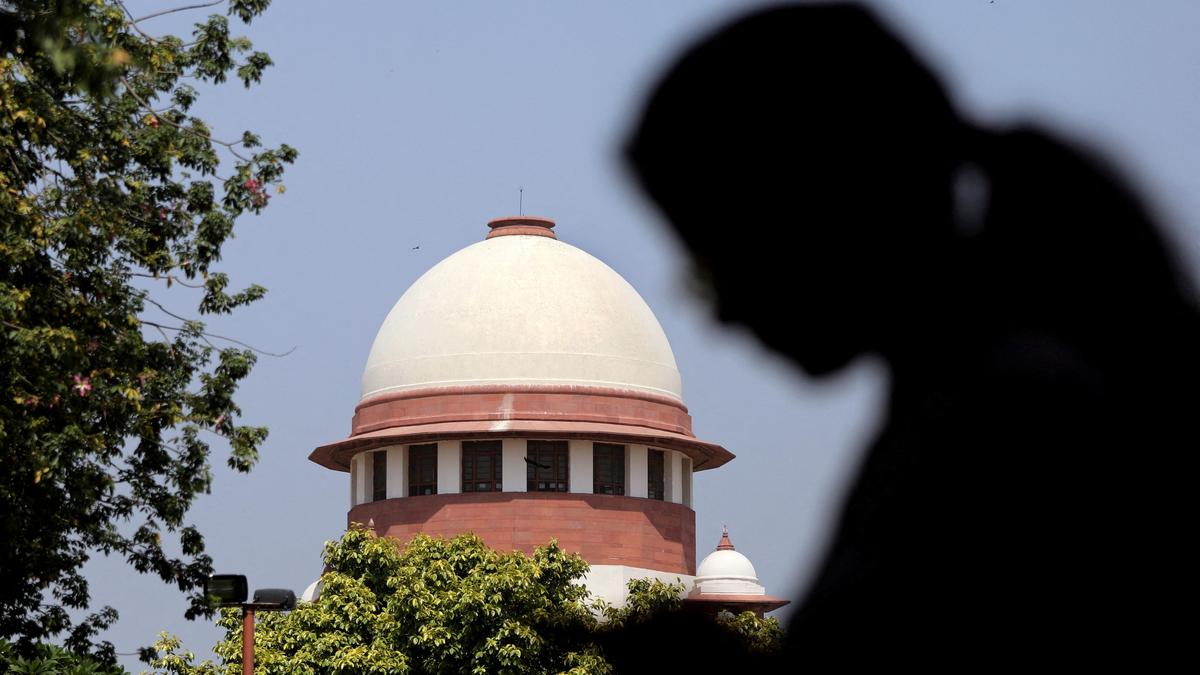
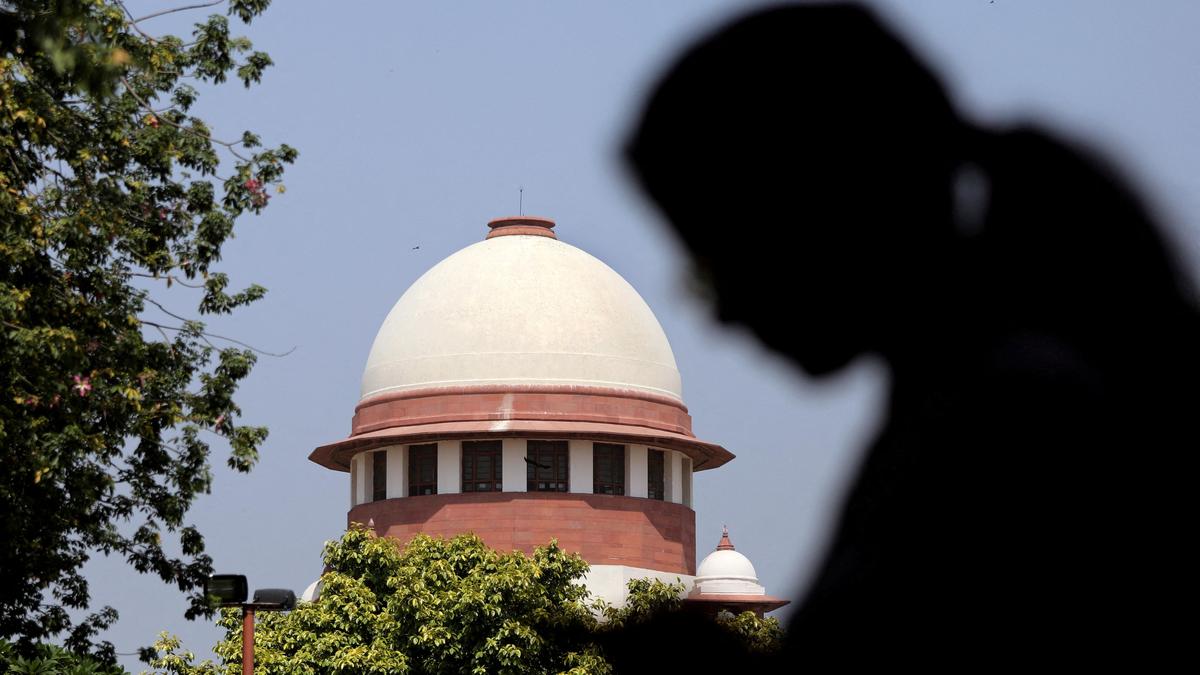
The new regulations mandating all higher education institutions to form “equity committees” to look into discrimination complaints and promote equity were notified on January 13., 2026. File
| Photo Credit: Reuters
The Supreme Court of India on Thursday (January 29, 2026) kept in abeyance the implementation of the University Grants Commission (Promotion of Equity in Higher Education Institutions) Regulations, 2026, alleged to be discriminatory on the ground that it extends the benefit of reservation only to Scheduled Castes (SC), Scheduled Tribes (ST) and members of the Other Backward Communities (OBC) while denying the same protection to general or upper castes.

A Bench headed by Chief Justice of India Surya Kant said the Regulations were “too sweeping” and needed a closer look. The court said, for the time being, the University Grants Commission (Promotion of Equity in Higher Education Institutions) Regulations, 2012 would continue to be in force.
The court issued notice to the Union Government and the UGC on petitions challenging specifically Regulation 3(c) of the 2026 Regulations which defined ‘caste-based discrimination’ in a narrowly confined manner as discrimination “only on the basis of caste or tribe against the members of the SC, ST and OBC.”
Senior advocate Indira Jaising and advocate Prasanna .S. intervened against the stay order, saying the keeping the regulations in abeyance was akin to “calling a fully-abled person as disabled”. The regulations, she said, addressed a real and present problem of discrimination against students from Dalit and historically-oppressed castes within higher education institutions.
However, the petitions filed by petitioners, Rahul Dewan, Mritunjay Tiwari and advocate Vineet Jindal said the definition of ‘caste-based discrimination’ in the 2026 regulations “by design and operation, accords legal recognition of victimhood exclusively to certain reserved categories and categorically excludes persons belonging to general or upper castes from its protective ambit, regardless of the nature, gravity, or context of discrimination suffered by them”.

The petition said a myopic definition would institutionalise exclusion at the threshold, creating a “hierarchy of victimhood while introducing a constitutionally impermissible bias into a regulatory framework that purports to be neutral and inclusive”.
The 2026 regulations had superseded the University Grants Commission (Promotion of Equity in Higher Education Institutions) Regulations, 2012 with the stated objective of fostering equity, inclusion and a discrimination-free academic environment across higher education institutions in line with the National Education Policy, 2020.
The petitions had argued that the new regulations proceeded on an untenable presumption that caste-based discrimination could operate only in one direction, foreclosing, as a matter of law, the possibility that persons belonging to general or upper castes may also be subjected to caste-based hostility, abuse, intimidation, or institutional prejudice.
“This presumption ignores the evolving social realities. The definition is manifestly arbitrary and violative of Article 14 of the Constitution. It creates a hostile classification founded solely on caste, without any intelligible differentia and without a rational nexus to the professed objective of promoting equity in higher education,” the petitions submitted.
Published – January 29, 2026 01:30 pm IST