




Reflections beyond the uniform – The Hindu
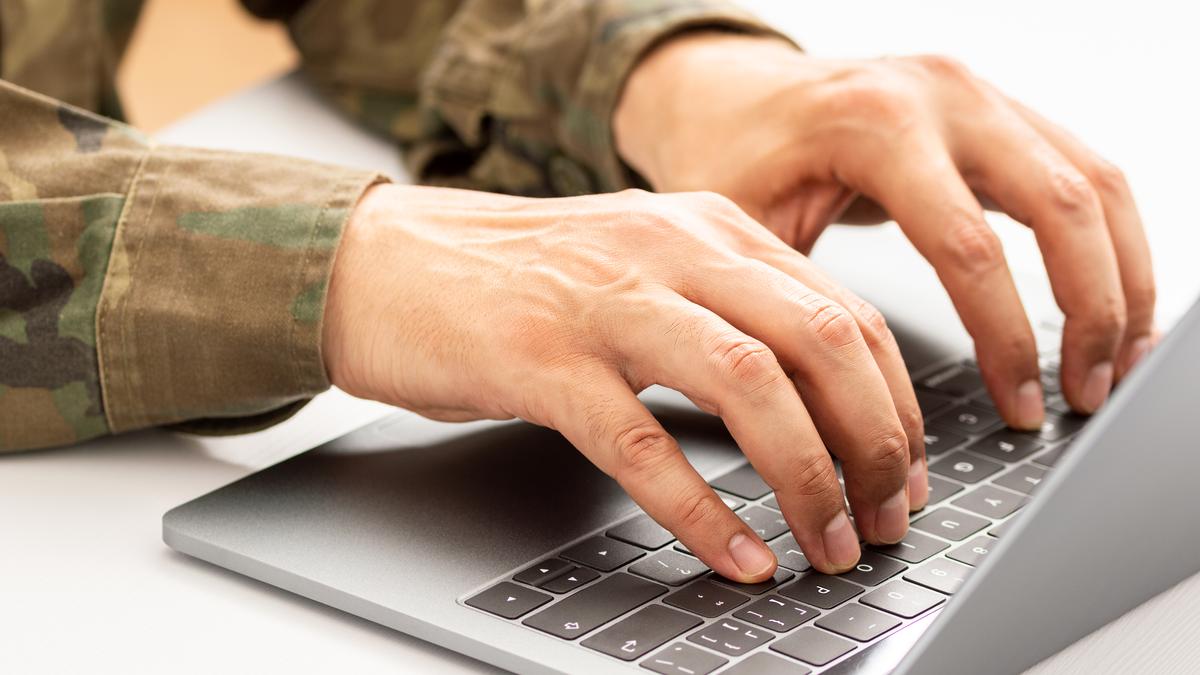
What lends military writing its power is the human texture.
| Photo Credit: Getty Images/iStockphoto
Every profession leaves behind its own literature. The military, too, has long found expression through the written word, not only in official histories but also in personal accounts shaped by memory and reflection.
For soldiers, storytelling begins long before a manuscript. It lives in letters written under dim light, in conversations shared after long postings, in reunions where moments of camaraderie, fear, loss and endurance are revisited. These recollections are not mere indulgence in nostalgia; they are part of how a soldier makes sense of service. If an army marches on its stomach, a veteran lives on memory as much as on his pension. Writing is simply the next evolution of that instinct; memory given shape, experience given permanence.
Military writing carries a distinctive temperament. It is shaped by an instinctive awareness of what must remain unsaid. The habit of discretion is ingrained early and reinforced throughout a career. Those who write after service do so with an internal compass calibrated by years of responsibility.
What lends such writing its power is rarely operational detail. It is found instead in human texture: regimental loyalties, friendships forged in adversity, the silence before a difficult decision, the slow rhythms of cantonment life. These seldom appear in formal communiques. On the page, however, they take their place within a larger meditation on duty, leadership and endurance.
Such writing demands balance. An anecdote about regimental life may be misconstrued as disrespect; a candid reflection mistaken for disloyalty. Tone matters. Context matters. So does proportion. The finest military memoirs navigate these tensions without stridency, candid yet measured.
Across the world, some of the most enduring reflections on conflict have come from those who experienced it firsthand. Writers such as Ernest Hemingway, Joseph Heller and Erich Maria Remarque transformed their encounters with war into literature that transcended the battlefield. Their works did not weaken their nations; they deepened public understanding of the human cost of conflict. India, too, has benefited from thoughtful military voices that illuminate the lived realities behind strategic vocabulary. Such writing narrows the distance between barracks and citizenry and reminds readers that institutions are, at heart, human.
Having laid aside the uniform nearly two decades ago, I have written occasionally about cantonment rhythms and the small, formative moments that shape a soldier’s outlook. The responses I receive from readers suggest not fatigue, but a continuing curiosity about the human dimension of the armed forces. That dialogue between soldier and citizen deserves to be preserved.
From time to time, questions arise about the boundaries of such reflection, about where memory must yield to sensitivity. These concerns are neither new nor unreasonable. Security and openness exist in tension. Yet a democracy must have confidence that those who once bore arms for the Republic can wield the pen with equal responsibility
harichitrakootam@yahoo.com
Published – March 29, 2026 04:13 am IST