


Reboot or become a relic: The university as an operating system in urgent need of an update
If you are an academic leader, imagine this scenario: your vice chancellor’s office gets an email from a first-year engineering student in rural Karnataka: “Respected Sir/Madam. I’ve been utilising an AI teacher on my phone that explains thermodynamics better than my lecturer, in Hindi, at 2 a.m. Why do I need to go to class?”
This isn’t a made-up dystopian situation. It’s occurring right now. In WhatsApp groups and hostel hallways, a good part of the 45 million learners in the Indian higher education system realise that their Android smartphones have smarter lecturers than many lecture halls. For college owners and State university officials, the ground is shifting, but not with a lot of noise. It’s only when enrolment numbers come out that the actual story comes out.
Your university is an OS
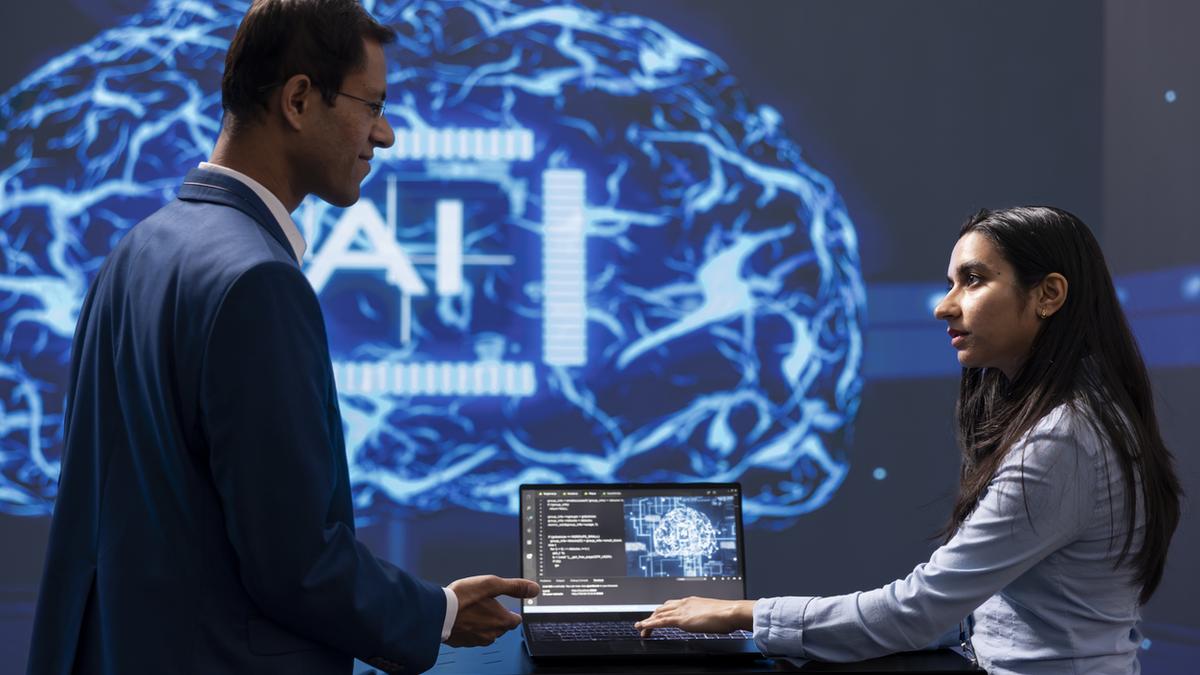
Today, AI isn’t a shiny new toy for top IITs. It’s the guest who wasn’t invited who is changing the reason a university today exists. How knowledge is transferred or transacted is changing! It goes faster with AI.
Learning that is tailored to you? Already ahead of your full classrooms.
Boring administrative work? Startups are automating things that your clerks have been arguing about for years.
Your university is like an operating system, which is more of a metaphor that cuts through the fog of legacy systems of 19 and 20th centuries. Today, your university or college controls the architecture of learning, just like an operating system manages apps, updates, and user flows in computing systems. This includes intellectual scaffolding, the social dynamics of classrooms and cohorts, and bureaucratic pipelines. But can archaic systems cope? In 2026, we all know that Windows XP will still boot. But good luck if you try running current software. Your curriculum transaction or pedagogy hasn’t changed since 2020? Same issue.
AI’s unavoidable rise
AI has made its way into learning platforms, advising bots, and even exam proctoring, often without your permission. Imaginative and open minded leaders recognise that 2025 was the year of arrival and that 2026 is the year of possession. The market for education AI is predicted to grow 60% every year for the next five years at least. Which means we can expect developers to come up with tools that help students to keep pace with subjects or help fill gaps for a new tech user from rural Assam.
A majority of the State universities, which serve a huge chunk of Indian students across 400 large campuses, are stuck in bureaucratic quicksand: it takes years to get courses approved and curricula updated. Meanwhile, private colleges sign arrangements with corporates and MNCs to set up adaptive labs. Chaudhary Charan Singh University in Meerut is the first school in India to use AI tutors and analytics as a test run. This shows that it can be accomplished by State universities too. However, if inertia-ridden system says: “Wait for policy.” The answer is: Students won’t.
Domain 1: Student learning—from passive to active personalisation
AI changes the way students learn. It makes them active builders of their own development instead of remaining just passive note-takers or onlookers in class. Imagine a business student who is having trouble with Statistics. An AI platform finds her weaknesses in real time, gives her short Hindi explanations with interactive simulations, and then creates practice tasks that get harder as she gets better. She doesn’t wait for office hours; she learns after 10 p.m. when things start to make sense. Learning analytics keep track of how engaged she is in her classes. They let her know when she’s skimming videos or understanding ideas too quickly, and then they suggest study groups or advanced modules with other students. This isn’t just sending out content; it’s a responsive ecosystem where the student’s pace, style, and situation determine the course. First-generation learners, who make up the majority of India’s higher education system, benefit the most since they finally get the personalised help that only exceptional students have had.
Domain 2: Pedagogy – professors as designers of outcomes
Pedagogical processes change when teachers stop giving students facts and start designing results. AI frees teachers from having to explain things over and over again. Instead, they can focus on what people do best: finding real-world challenges where students have to combine AI outputs with their own judgment. A history professor doesn’t just provide lectures on dates. Instead, she has her students utilise AI to analyse sources and then conducts debates where they question the biases in the timelines that AI creates.
Class time turns into a Socratic collision, with professors showing students how to ask AI questions in a way that works, how to recognise hallucinations, and how to combine machine insights with human intuition. This requires upskilling: workshops where teachers learn how to make AI-plus-human assignments that are linked to measurable skills like using live industry data to explain supply chain disruptions. State systems need to change how they promote teachers from counting how many articles they write to looking at how their teaching effects student outcomes. Did your teaching get students internships at Deloitte or some other firm?
Domain 3: Focus on results—jobs, internships, and fluid demonstration
Professors are responsible for making sure that graduates are ready for work, and outcomes change from degrees to skills that can be shown. AI makes it possible to track portfolios. For example, a computer science student creates a GitHub repo where AI-generated code prototypes are improved by humans over time. The repo is labelled with “what I learned, why it matters, how I’d pitch it to TCS.” Professors choose them as capstones, which means students have to explain things well. They have to show their work to industry panels via video and answer questions like “How would you adapt this for rural banking?” or “What ethical risks did AI introduce here?”
Internship pipelines work like this: AI finds the right talents for jobs at Infosys or Cognizant, and professors help students come up with elevator pitches that combine technical capabilities with “I used Grok to model this and then improved it 30% through human insight.” What happened? Graduates who don’t simply say they have talents, but also exhibit them in real life, get jobs because employers see proof, not just transcripts.
Domain 4: Assessment—proving what you think, not what you remember
These individualised methods need new evaluations. Exams keep memory in check, but AI makes fun of them with rapid essays. Don’t bother with useless detectors; make real evidence like portfolios, defenses, and team solves that show thought. AI gives real-time nudges and maps growth over degrees. Your fixation with your end-of-year score? Raze it for full proof. The most daring for bureaucrats stick to tradition. This change not only gives a better picture of students’ skills, but it also restores faith in your degrees as signs of real competence.
Domain 5: Teaching and learning—fluid flows over rigid clocks
These threads make up the whole teaching-learning fabric, replacing stiff clocks with flexible mixtures. Analytics show when someone is no longer interested right away, and technologies turn notes into maps and make everything clear without stopping. Hybrids serve first-generation people who have been left out for too long. AI planning helps big State universities run smoothly by predicting admissions and smartly using resources. Winners put people first and constantly show humility. They invest in a common vision instead of tools. What happened? Learning environments that adapt to different types of people, turning potential dropouts into engaged achievers.
Domain 6: Market fitness—your final deliverable
Finally, add market fitness, your final ledger. Agentic AI—self-driving decision-makers—makes it hard to find a job. Bosses look for people who are good at AI and have a human spark, including creativity, empathy, and a sense of right and wrong. Skills reports say it loud and clear: Graduates that know a lot about AI get jobs in their profession the fastest. Thread this through every level; make capstones that bring together human and machine genius. Agility and other soft skills aren’t frills; they’re what give you an edge. In an economy driven by AI, graduates don’t just gain jobs; they change the way people work.
The upgrade that fits together
Domains lock like OS layers a new curriculum falls apart without new measures, and evolved teaching gets stuck in old pipes. Upgrades demand guts, even while refocusing the core academic mission: it can craft thinkers to solve tomorrow’s puzzles. AI amps up the cost of negligence. Any State vice-chancellors and institution chairman who ignores will see rivals run better and attract investors. Back home, young people leave the organisation.
So… How does the road map for university leadership teams look like? Don’t do any red tape. Get together AI teams from the faculty, staff, students, and industry. Check every layer. Pay for pilots and training. Make rules on privacy and honesty. Broadcast purpose; get rapid wins. Plot beating every three years; ally without fear. Are you scared of technology? Begin with tiny things. Don’t know what the impact is? Look at the student’s email.
The lesson is simple, yet powerful and final: Learn quickly or join the Relics: The rules of what all constitutes intelligence change every day. Universities that last don’t keep vaults; they change the fastest. Reboot today, or be a thing of the past. Now double click on the new model and work with an open mind and robust teams.
(K. Ramachandran, a journalist turned entrepreneur, writes on higher education, education policy, skilling and talent development.)
(Sign up for THEdge, The Hindu’s weekly education newsletter.)