




Process is the punishment – The Hindu

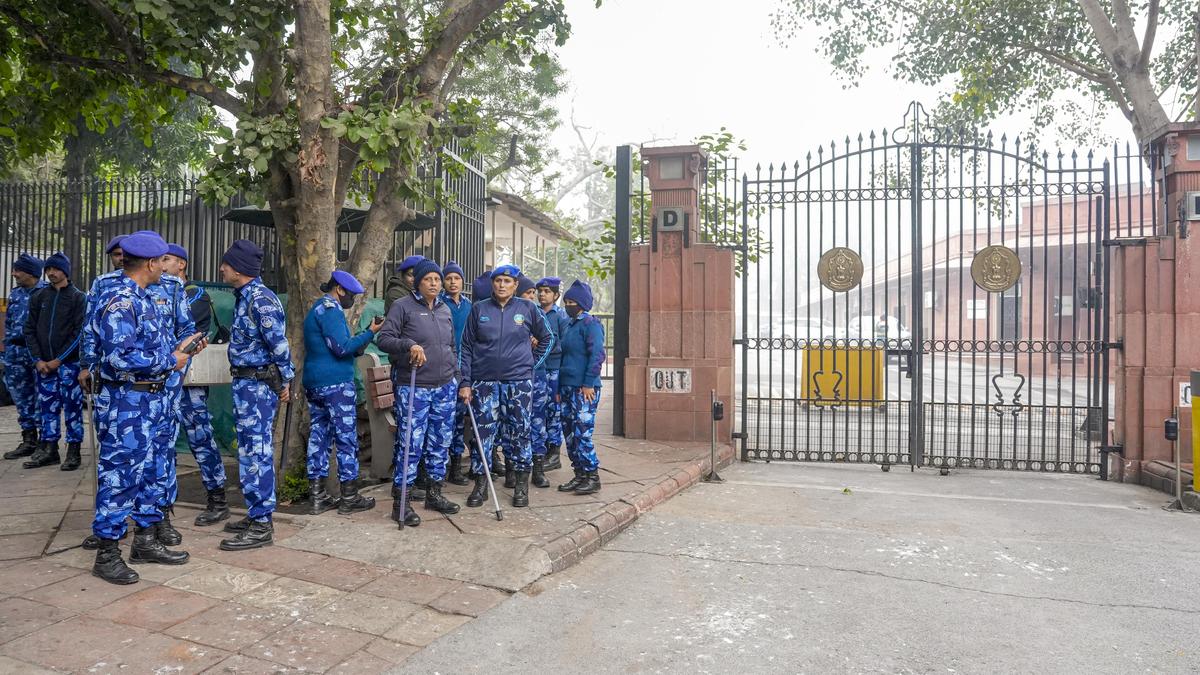
Minor infractions often result in years of legal proceedings.
| Photo Credit: PTI
In India, punishment doesn’t usually start after a conviction. For many, it begins much earlier: at police stations, in packed courts, and with never-ending procedural demands. The legal system itself imposes a silent, unseen penalty even before guilt or innocence is established.
The impoverished bear the brunt of this load. Daily wages are lost due to court hearings. Documents they might not have are required by legal systems. Despite being a legal protection for liberty, bail frequently relies on sureties and financial resources. As a result, freedom is now dependent on being well-off rather than being innocent. In actual life, what is referred to as “procedure” in law translates into protracted stress and adversity.
Minor infractions often result in years of legal proceedings. Every adjournment has unreported costs, such as travel expenditure, social humiliation, and emotional weariness. An unpaid fee may result in jail time, and a missed hearing may result in a warrant. Regardless of the outcome, the uncertainty itself becomes punishment.
It’s difficult to even get justice as a complainant. The police station is more often linked with fear than with protection for many marginalised citizens. People are deterred from seeking redress at all by intimidation, delays, and the possibility of becoming entangled in drawn-out legal disputes.
This hidden punishment highlights a more serious weakness in the legal system i.e. the presumption that everyone is treated equally. Without social understanding, procedural equality leads to unequal results. The law punishes poverty itself when it does not acknowledge vulnerability.
A justice system must make sure that the procedure doesn’t turn into a punishment. Until then, the true punishment for many Indians is not given by a judge; rather, it is experienced throughout the pursuit of justice.
kritisharma1037@gmail.com
Published – March 22, 2026 05:01 am IST