





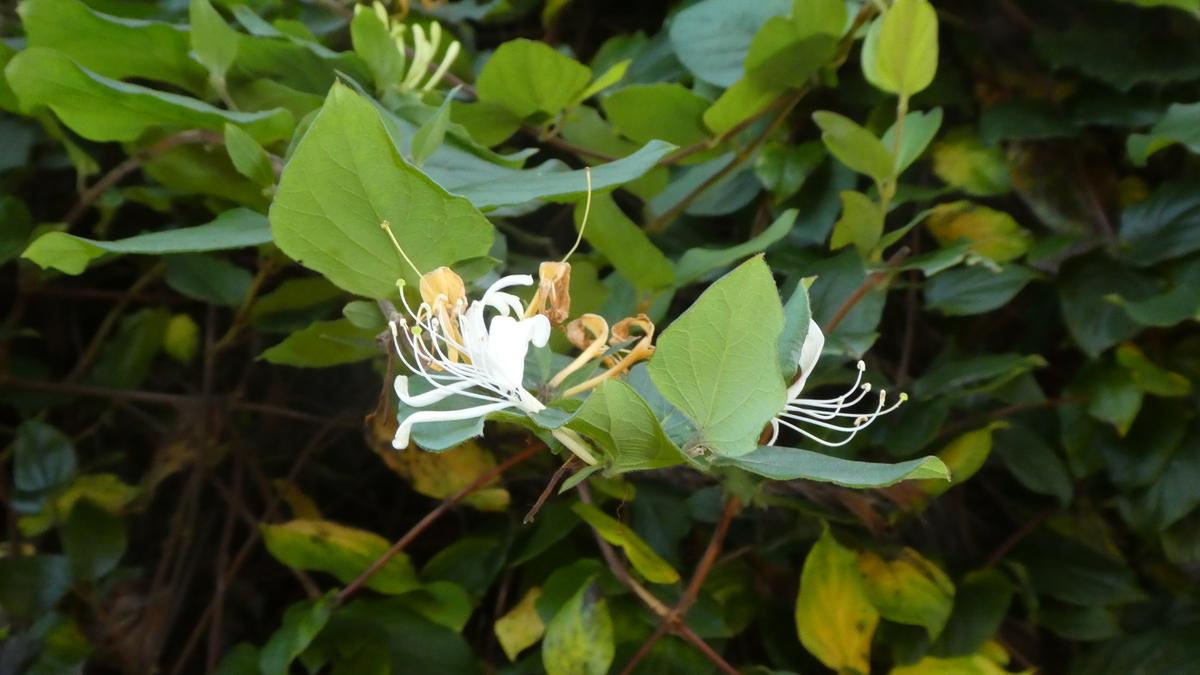
Pippa Mukherjee’s new book delves into the shrubs and climbers of India
Pippa Mukherjee’s deep love for and kinship with the environment are obvious in every sentence she writes and speaks. “Religions are not as important as the spirituality that one feels from seeing and living with nature,” says the Kodaikanal-based environmentalist, author and educator, whose new book, Shrubs & Climbers in India: A Field Guide (Niyogi Books), documents around 200 species of Indian shrubs and climbers.
The book offers details of their physical characteristics, distribution and medicinal properties. “It serves as an expert companion for anyone who wishes to understand the diverse world of Indian flora, making it easier to identify the best shrubs and climbers for different regions and unlock their potential,” according to the book’s blurb.
The idea for Shrubs & Climbers came to Pippa soon after her third book, Flora of the Southern Western Ghats and Palnis: A Field Guide, was published in 2016. “When I finished writing this book, which took me five years, (I realised) it was ideal for those living in the Western Ghats, but perhaps too niche for other areas,” says Pippa, a founder member of the Palni Hills Conservation Council, which started in 1985. “It was then that I decided to look at other species from all over the country and chose 200 species that would appeal to a larger audience.”
She began researching this new book in 2020, around the time of the COVID-19 pandemic, when she found herself stranded in England. “Luckily, I had a lot of research material with me and could also contact botanist friends in India to make the texts possible.”
Getting high-resolution photographs was more difficult. “I had some of my own photos, but also had to have professional help with many, so this delayed the publication,” says Pippa, who launched Shrubs & Climbers at Ambara, Bengaluru, last month.

Pippa Mukherjee with her latest book
| Photo Credit:
Special Arrangement
In love with nature
Pippa, who was born in England, was brought up by parents who were very keen on natural history. “I was introduced to the natural world by my parents at a young age. The love of flora and fauna grew from there and has been sustained by living in India.”
She moved to India in 1968, after marrying her husband, a Bengali, who was with Air India. “ We lived in a tiny flat in Mumbai.” After she had her two children and enrolled them in preschool, she joined the Bombay Natural History Society (BNHS) in the late ‘70s, serving on the BNHS committee and as Nature Education Officer there for five years, offering environmental education to schools in the Bombay area.
“I worked with many environmental organisations, such as Friends of Trees, Chipko and others and enjoyed the association that these organisations gave me to meet and work with people such as JRD Tata, Dr Salim Ali, Humayun Abdulali and many other brilliant botanists, ornithologists and environmental scientists.”
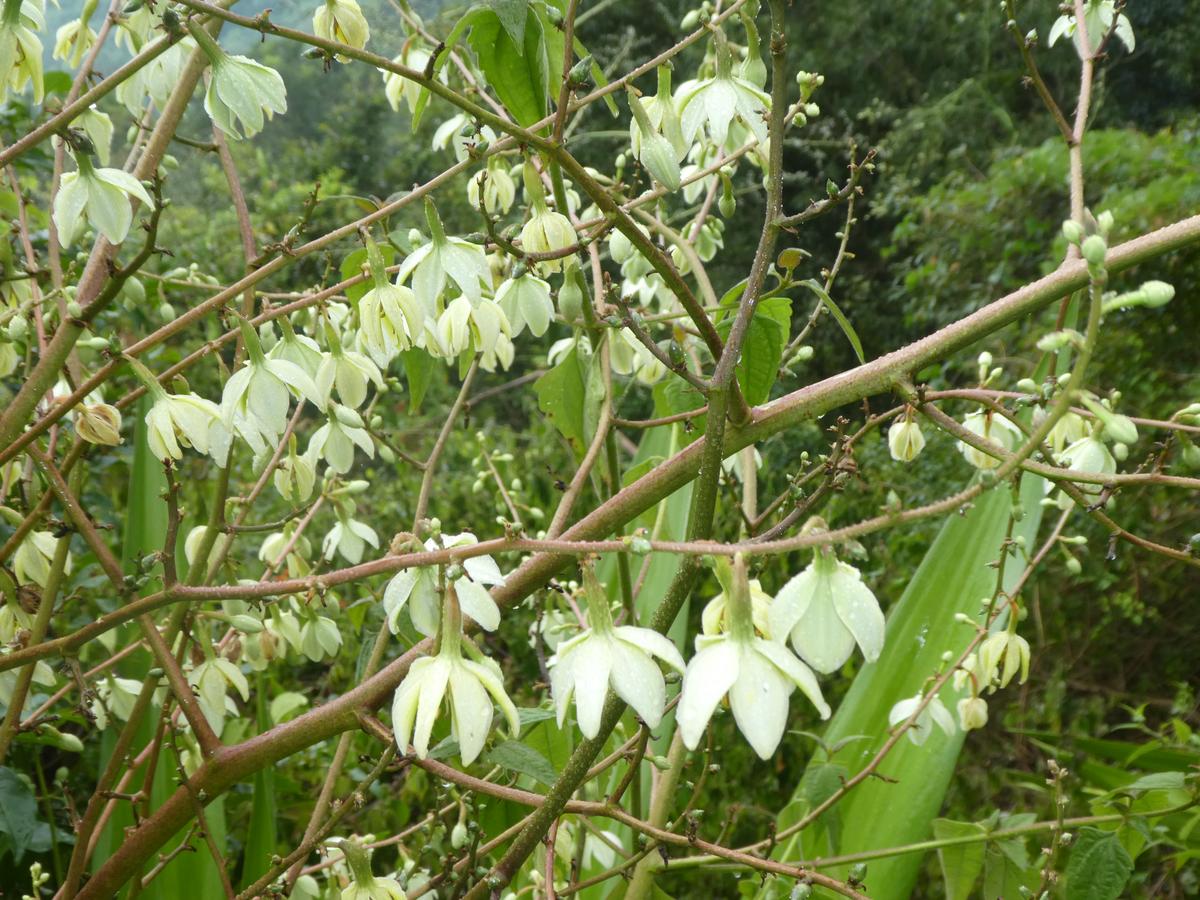
Furcraea foetida or Mauritius hemp
| Photo Credit:
Pippa Mukherjee
In 1984, she moved to Kodaikanal with her two children and began teaching at the Kodaikanal International School, first science to elementary students, then International Baccalaureate Environmental Science to senior students. “I taught in the school for just under 20 years,” says Pippa, who, even today, regularly leads hikes with school students, an activity she says is very educational and helps with environmental awareness.
Teaching young children early is important because it ensures that they grow up, like she did, appreciating the beauty of nature, Pippa says. “I am now 85, but I am still hiking with students from the school and teaching them about the environment and how to enjoy the beauty of what they see. I will not stop until it is impossible.”
On shrubs and climbers
Besides leading nature walks, Pippa spends a considerable part of her waking hours writing. Her latest book includes many well-known ornamentals, such as Indian mallow, Chinese lantern, spiny asparagus, red powder puff, variegated croton, palm lily, blue sage, poinsettia, cape jasmine, and Indian honeysuckle. “Many of the plants in the book are fairly common, but a few are surprisingly new to even those who already have gardens.”
Plants Pippa says cover all areas of the country, including the Himalayas. “But 200 species is a minute number of plants that could be written up.” Of these 200, only about 40 are actually indigenous to India. “Most of them were brought in by the British, the Americans, the French, the Dutch and the Portuguese at some stage.”
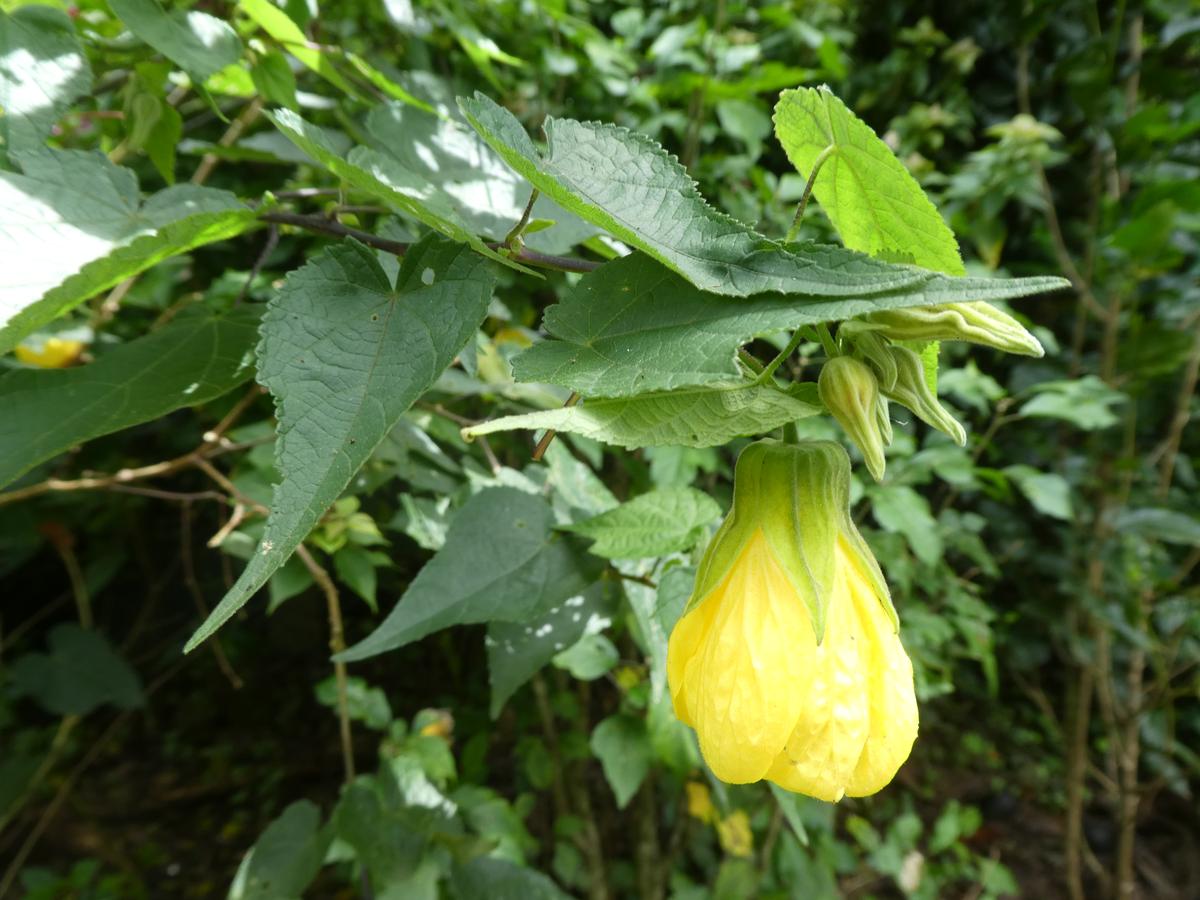
Abutilon x hybridum or the Chinese lantern
| Photo Credit:
Pippa Mukherjee
While some of the plants described are invasive and should avoid being planted, Pippa says, many are beneficial. Pippa attributes her interest in the potential uses of these plants to her first degree in nursing. “What is fascinating is the fact that India, like many South East Asian countries, uses a variety of treatments for diseases such as Ayurveda, Siddha, Tibetan medicine, Homoeopathy, and others, unlike most Western countries that rely on allopathy.”
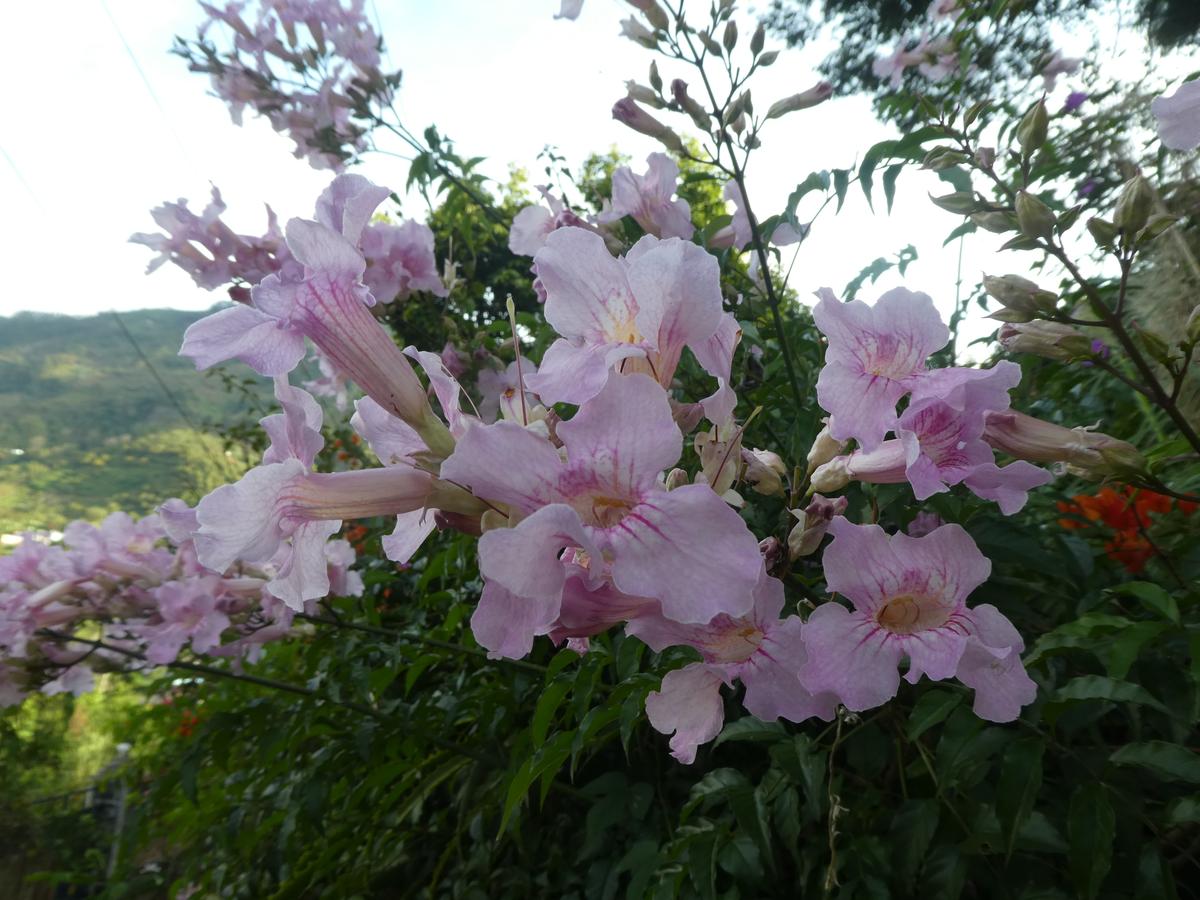
Podranea ricasoliana or pink trumpet vine
| Photo Credit:
Pippa Mukherjee
The book is packed with information, which does not come at the cost of lucidity. There is no scientific jargon, a deliberate stylistic choice. “When writing about plants, the text should be simple for those unused to botanical language,” says Pippa, who hopes that the book will help people who know nothing about plants to get interested in them. “I want younger people to look at a picture and say, ‘We’ve got that in the garden, so let me read about it’.”
Published – January 28, 2026 06:03 am IST