




Pi Day 2026: significance of the mathematical constant π
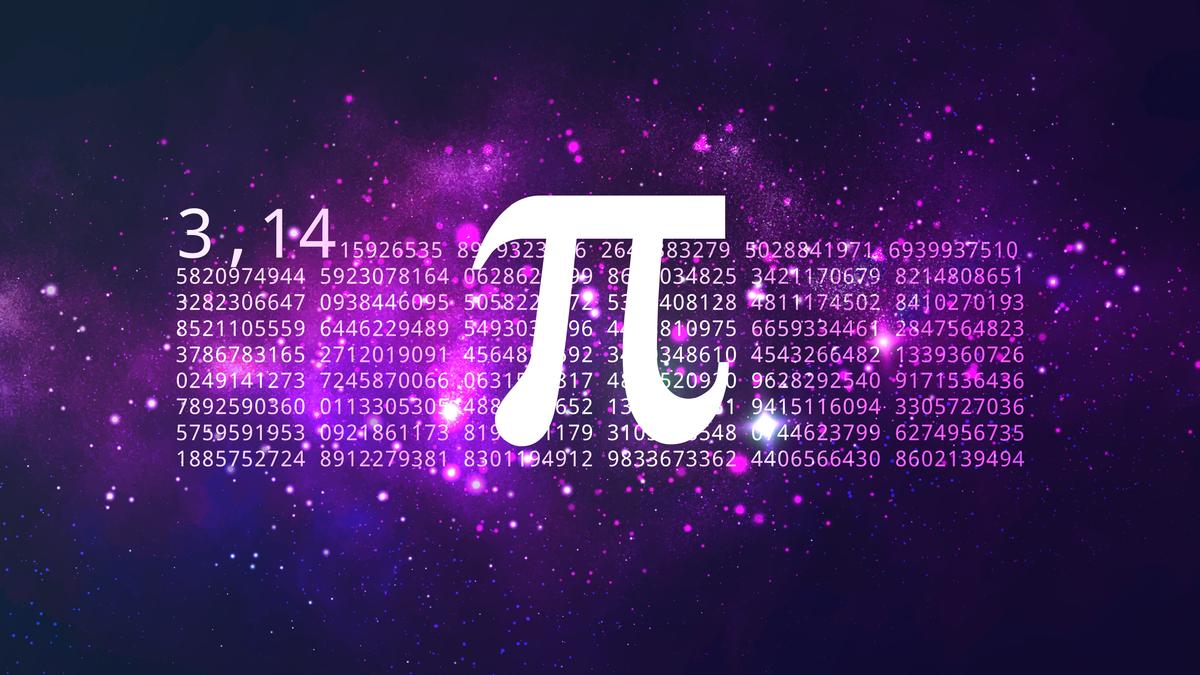
Image used for representation purpose only. Stock photo
| Photo Credit: Getty Images/iStockphoto
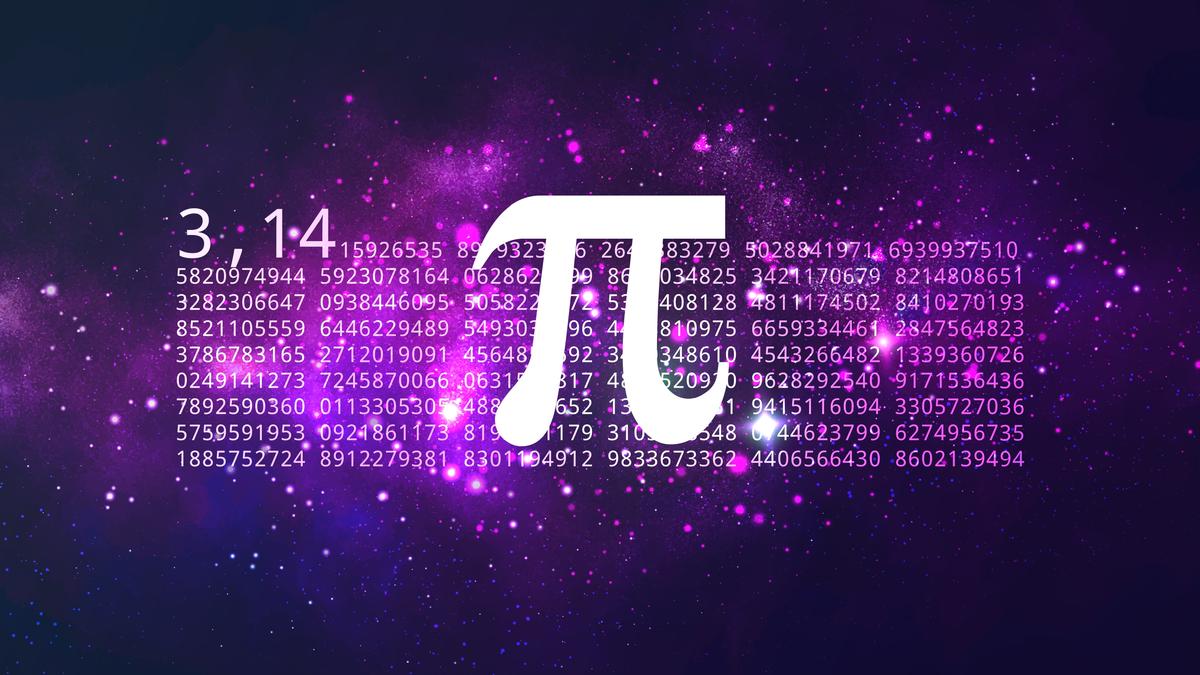
Pi Day is observed every year on March 14, marking the significance of the mathematical constant π (pi). The day is commemorated by mathematics enthusiasts around the world in recognition of the subject’s enduring legacy.
March 14 is chosen because the first three digits of π — 3.14159 — match the date 3/14.

What is Pi?
Pi is the ratio of the circumference of a circle to its diameter. Its first three and most widely recognised digits are 3.14. The constant is used to calculate the area and volume of circular and spherical objects. Represented by the Greek letter π, it is an irrational number used in several formulae across mathematics and physics.
History and significance of Pi
Over the centuries, several mathematicians attempted to calculate the value of pi using different methods, including several prominent mathematicians like Archimedes. The Greek letter π was introduced by Welsh mathematician William Jones in 1706 to represent the ratio of a circle’s circumference to its diameter. The letter was chosen as it corresponds to the Greek words for “periphery” and “perimeter,” and pi is the ratio of a circle’s periphery, or circumference, to its diameter.
Pi Day was first observed in 1988 by American physicist Larry Shaw at the San Francisco Exploratorium. The day gained wider recognition in the United States after the U.S. House of Representatives passed a non‑binding resolution on March 12, 2009, recognising March 14 as National Pi Day. The date also coincides with the birth anniversary of physicist Albert Einstein.

A popular tradition associated with the day involves eating pie, as the words “pi” and “pie” are homophones. Since pies are typically circular, the dish is seen as a symbolic way to mark the occasion.
International Mathematics Day
March 14 is also observed worldwide as International Mathematics Day. The day was formally proclaimed by the United Nations Educational, Scientific and Cultural Organization (UNESCO) during its 40th General Conference in November 2019, following a proposal supported by the international mathematics community.
The day seeks to raise public awareness of the role mathematics plays in addressing real‑world challenges and in supporting scientific and technological development.
By choosing March 14, UNESCO expanded existing Pi Day celebration into a broader global recognition of mathematics and its applications.
Theme for 2026
Each year, the International Mathematics Day is celebrated with a theme highlighting a particular aspect of the discipline. The theme for International Mathematics Day 2026 is “Mathematics and hope.”
The theme highlights the idea that mathematics, like hope, is one of humanity’s most universal assets, according to UNESCO. “Mathematics enables a deeper understanding of reality, supports the development of shared frameworks and definitions, and strengthens collaboration across disciplines and societies. Through responsible use of data and rigorous reasoning, mathematics contributes to solutions that serve the common good,” UNESCO said in a statement.
The organisation further said that mathematics helps societies navigate uncertainty, build trust in knowledge, and envision more inclusive and sustainable futures. Beyond advancing scientific and technological progress, it also plays a role in strengthening social cohesion and resilience
Google Doodle for Pi Day
To mark Pi Day, Google released an interactive and colourful Doodle highlighting the importance of the mathematical constant.
“This Doodle celebrates the numerical constant pi (π), highlighting the foundational geometry first used to calculate its limits. Long before modern technology, the Greek mathematician Archimedes popularized an innovative approach: he approximated the value of pi by sandwiching a circle between two 96-sided polygons to determine its precise upper and lower bounds. Today, we honor this mathematical legacy as enthusiasts worldwide celebrate with pi-reciting contests and slices of pie,” the Doodle states.
Published – March 14, 2026 09:08 am IST