



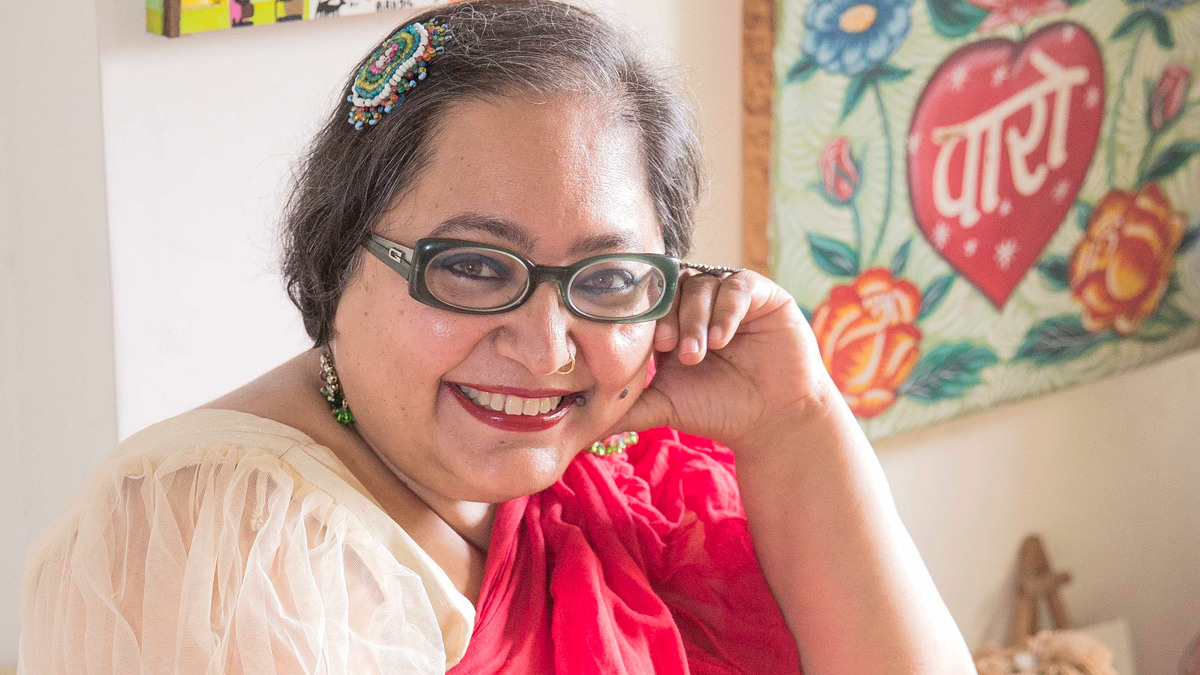
Paromita Vohra on ‘Love, Sex and India’: We looked for stories discussing emotional experiences, and not limited to sexual identities
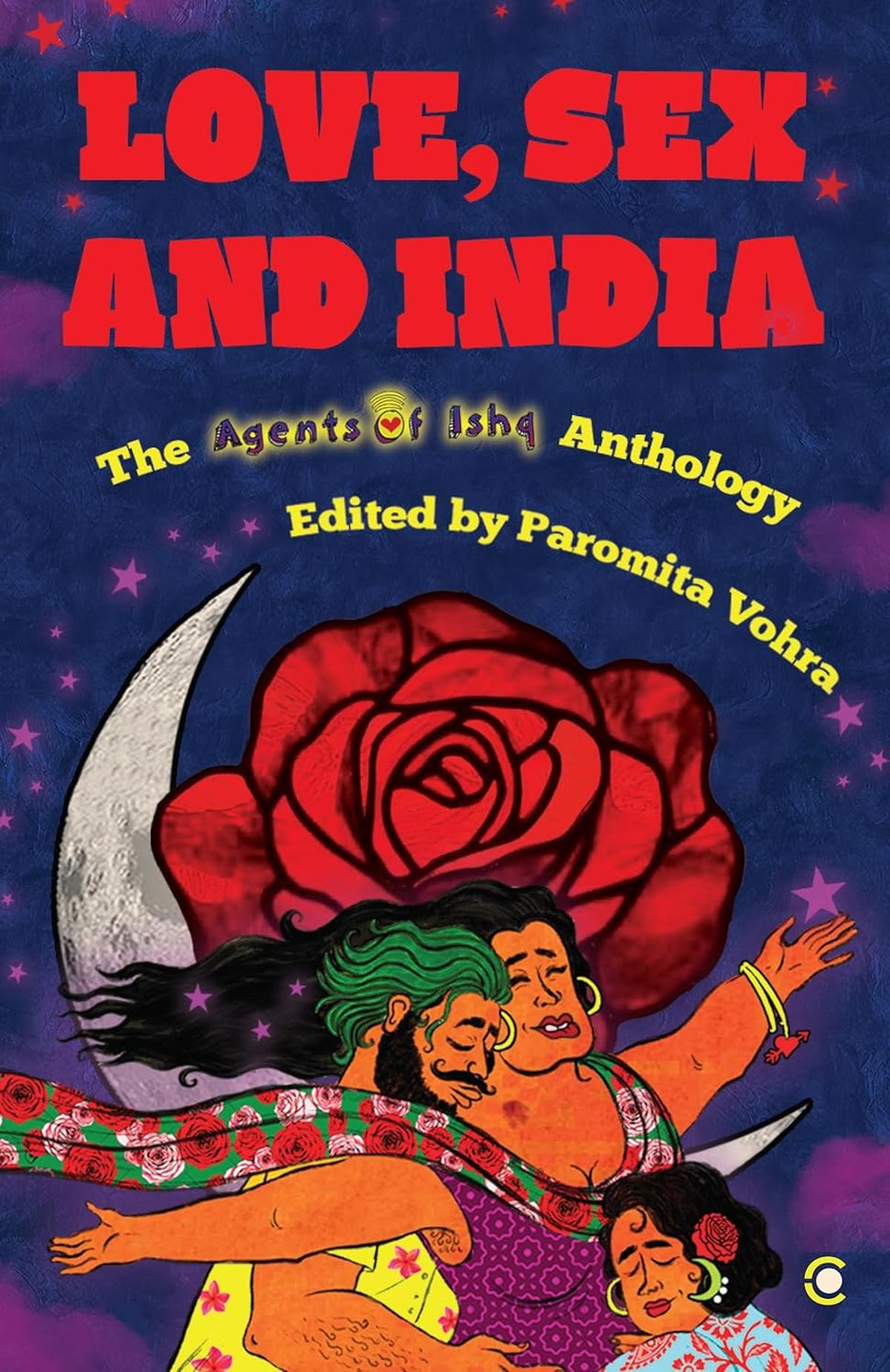
Love, Sex and India, an anthology of nearly 50 personal stories and poems, edited by Mumbai-based documentary filmmaker and writer Paromita Vohra, published by Westland Books, brims with irreverent humour. The stories recounting first dates, friendships, relationships, love, longing and heartbreak have been handpicked from the submissions to the Agents of Ishq (AOI) website and social media platform over the last decade.
The narratives are varied. A Chennai-based writer recounts staging a rebellion to save Sidney Sheldon novels that her mother considered ‘dirty’; a writer from Delhi observes her mother’s life and laments how marriage and family can slowly bleach friendship out of a woman’s life; a Mumbai-based researcher documents how beyond her homesexual identity, the struggle was with being sexual. In another, a sex educator recalls being asked to conduct a class at a co-ed school, but only for the girl students.
Speaking over a video call from the US where she is currently travelling to promote this book and her documentary Working Girls, in which she trains the lens on women across India engaged in invisible labour, Paromita says the idea of compiling some of the stories of AOI in a book format had been brewing for a while.

Paromita founded AOI in 2015 and observes how readers submitted personal stories voluntarily as opposed to the platform soliciting stories to fit into categories such as asexuality, bisexuality, and so on. As the platform evolved, so did the conversations. “People intuitively know their story will be cherished here. We are careful with editing; we publish only a version that is mutually agreed upon.”
Human experiences
The stories go beyond the description of an identity or the act of coming out. Paromita points out how emotional experiences are the mainstay: “Being asexual, transgender, queer or a heterosexual married woman is one aspect of the writer. The story is not limited to an identity; it is about an experience.”
She explains with an example of how within the framework of romantic love, stories discuss vulnerability, anger, strength, indifference, and other emotions that shape experiences.
Paromita long-listed stories that she thought would work for the book. Stories took centrestage and she added one poem at the end of each section. The final list was drawn in consultation with her colleagues, gauging if the stories would have a standalone quality to work in the book, and not appear out of place when read outside of the AOI website and social media platforms.
Stories that had something unexpected to communicate were considered. “A story like My Struggle Was With Being Sexual, Not Homosexual is about the vulnerability of love, of wanting sex and flirtation, in a relationship. It does not limit the narrative to a story of coming out and explores a lifelong, uncertain journey of desiring intimacy. That vulnerability about love is a universal experience; but there is a difference in how it is experienced by virtue of being queer. It is not about relatability, but about stories where readers connect, and shift perspectives.”
The book
In some stories, writers discuss their conflicting thoughts on sex and sexuality. Paromita acknowledges that speaking about sex has often been considered taboo. In the age of social media and instant judgement, she says it has not altered much. “There is excessive talk of red flags, what is right or wrong… It has become a scrutinising discourse.”
In the early years of AOI, she recalls she and her team often being surprised by the stories they received. “The way people wrote about themselves was unfettered, fresh and in a playful language. There was a sense of self-discovery, which lead to self-discovery in readers too. There has been a shift since the proliferation of online sex-positivity. We see a tendency of slotting one’s experience into some pre-existing category and using jargon — my story isabout body positivity, or trauma, etc. which prevents a deeper personal exploration.” However, she reckons that there are still people who write with fresh perspectives and let their personalities shine through.
No easy judgements
AOI, she says, has worked towards being a private space where readers can take time to think and articulate their feelings. “It is not always easy to judge someone as an aggressor or a victim. While editing the stories, we did not make them click-baity. We allowed the reflections of the writer to come through, and wanted to have complex narratives that allowed readers to reflect on the experiences.”
She is aware of people engaging with content differently on social media as opposed to the introspective format of a book. “Conversations about life, society and politics are constantly binary, for example you are either left or right. That isn’t how life is.”
Having been a columnist for two Mumbai-based English dailies, she loved that her features occupied space in print alongside city news, politics, sports, the crossword and letters to the editor. She discovered that her readers did not conform to one political type.
When AOI became popular on social media (@agentsofishq on Instagram), she saw how again, the content was in a heterogenous space — amid posts and reels on news, influencer content, or an account discussing history, and so on.
Soon after the first year of AOI, a survey was done to gauge reader preferences. Paromita says this was important since the platform gained popularity rapidly. “We were putting out content from our point of view, but we were keen to understand what people want.” Around 250 people were questioned across cities, small towns and rural areas.
The responses gave them interesting insights. “We found that people freely discuss certain issues in public, like sexual violence or rights-based questions. People discuss some issues with a smaller group that they trust — say about menstruation or queer rights. There were some issues people discussed with no one at all — pleasure, desire, heartbreak and loneliness.”

Workshops were held in colleges to understand what young people might want or need. “One day I asked, ‘how many of you have a best friend?’ Very few hands went up. There is a lot of change on the ground; different from how we imagine things to be,” says Paromita.
All these learnings shaped the discourse at AOI.
The naming of the sections in the book — At First It Seemed, The Romance of Friendship, Undoing the World — align with the fluid nature of the stories. Paromita says the naming comes from her grounding as a documentary filmmaker who prefers a tangential approach to people and issues that allow a wider viewpoint.
“In the section Undoing the World, the stories are about people shrugging off a certain conditioning that limits their sexual or emotional journeys. Undoing the world is what all of us do when we are unhappy with how the world is shaping us.”
Paromita’s fascination with people and stories stems from her formative years. “For the first 12 years of my life, I lived in a tenement housing society in Mumbai. My neighbours were bar dancers, vegetable sellers and rickshaw drivers. Living in a small house in which the doors were open, nothing much was hidden. But people of our (middle class and upper middle class) background like to hide. We are not so easy with letting the world in. But through these stories, we come face to face with our habits and tendencies.”
Her mother’s family was in the movies and her grandparents had separated. Growing up, she knew that life was not about happy families. “People’s capacity to navigate different situations, to understand themselves, is beautiful. Receiving and working with these stories has been one of tenderness and wonder at this world.”
(The book is available in stores and online.)