




Paid menstrual pain leave may cost women their careers, Supreme Court apprehends

Image used for representation purpose only
| Photo Credit: Getty Images/iStockphoto
The Supreme Court on Friday (March 13, 2026) expressed apprehensions that a law making paid leave during menstrual pain compulsory may damage the careers of young women and deprive them of equal opportunities.
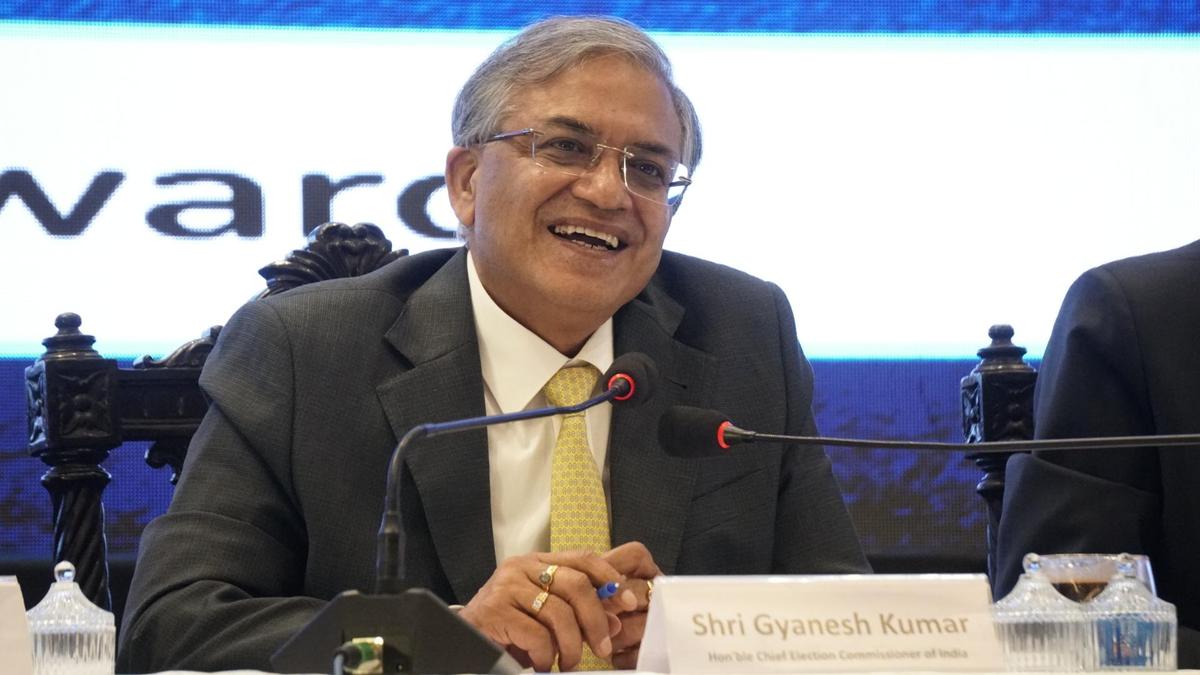
“The moment you introduce this as a law and make it a compulsory condition, you may not be able to assess the amount of damage you may do to their career. Nobody may give them big responsibilities. In judicial services, people may not assign trials to them,” Chief Justice of India Surya Kant, heading a Bench comprising Justice Joymalya Bagchi, voiced doubts.
The Court, at the same time, encouraged “voluntary” initiatives in this regard by States like Odisha, Karnataka and Kerala, which gives leave to students in State-run universities and institutions up to 60 days’ leave annually for menstrual pain, and private entities.
Chief Justice Kant distinguished between creating a legally enforceable statutory right and a spontaneous act or policy from employers towards their women employees.
The Court was hearing a petition filed by advocate Shailendra Mani Tripathi seeking a direction to the government to enact a uniform law for paid menstrual pain leave to working women and students in consonance with their fundamental right to dignity under Article 21 of the Constitution. Mr. Tripathi said a judicial order was necessary to fill up this legal vacuum in the Maternity Benefit Act, 1961.

Mr. Tripathi said various private entities and NLIU Bhopal and MNLU Aurangabad had implemented menstrual leave policies. Punjab University has also approved and granted menstrual leave to the students,” Mr. Tripathi submitted.
Justice Bagchi said the court was in principle in complete agreement with the petitioner’s cause, and the “cause for affirmative action was recognised”. But it had to keep an eye on the “practical reality of the job market”.
“We see from the rights’ regime, but look at it also from the business model. Will an employer be happy with the competing claims from the other gender?” Justice Bagchi asked.
Chief Justice Kant asked if someone could create “a right of taking two or three days’ leave in a month?”

Mr. Tripathi’s petition had stressed the fact that had signed and ratified the Convention on the Elimination of All Forms of Discrimination against Women (CEDAW), which recognises the need for non-discriminatory practices and for treating women with dignity.
“Spain has recently enacted a law to introduce menstrual leave, thereby addressing the problem of menstrual pain. Vietnam has also enacted and implemented menstrual leave policies. Countries like the United Kingdom, Wales, China, Japan, Taiwan, Indonesia, South Korea and Zambia have different policies or laws on the grant of menstrual leave,” the petition had said.
Published – March 13, 2026 12:55 pm IST