


Letters to The Editor — March 14, 2026
Unbalanced resolution
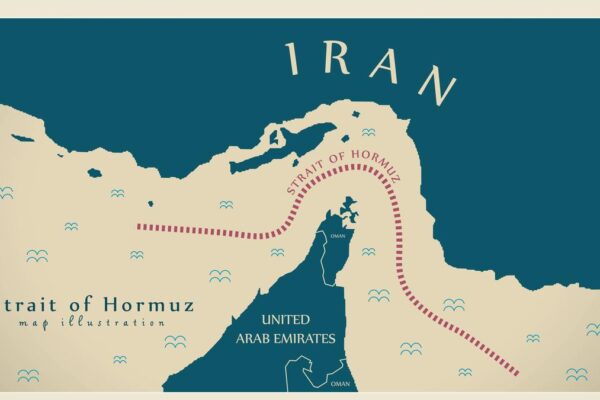
The UN Security Council resolution against Iran, co-sponsored by India, is a troubling instance of selective outrage in international diplomacy (Inside pages, March 13). The resolution demands restraint from Tehran while remaining conspicuously silent on the far more destabilising actions that preceded it — including the United States-Israel military strikes and other escalatory acts. Such one-sided censure weakens the credibility of the UN system. By ignoring the chain of events that triggered the crisis, the resolution reduces a complex conflict to a simplistic attribution of blame. India’s decision to co-sponsor the measure is puzzling. For decades, New Delhi has prided itself on an independent foreign policy and a consistent defence of multilateral fairness. Aligning with a resolution that overlooks the conduct of major powers risks diluting that tradition. It also clashes with India’s practical interests, as the Strait of Hormuz remains a vulnerable trade chokepoint.
M. Jameel Ahmed,
Mysuru
Let wisdom prevail
Continuing tensions between Iran, the United States, and Israel are deeply worrying for the world. Any escalation that drags other nations into the conflict would only multiply human suffering and destabilise the global order. History reminds us that wars ultimately end in dialogue. Therefore, it is imperative that world leaders choose restraint, diplomacy and peace over prolonged confrontation.
Gopalaswamy J.,
Chennai
Scrutiny and trust
The signal sent by the judicial reaction to ‘corruption’ in the judiciary is troubling. Constitutional institutions command respect through transparency and accountability, not insulation from criticism. Selective sensitivity risks appearing as insecurity rather than strength. If the judiciary expects trust, it must demonstrate the resilience to face scrutiny, not react to it.
Rushita Avula,
Hyderabad
Published – March 14, 2026 12:24 am IST