



Jeep And Ram’s Parent Company May Borrow Tech From Its Chinese Sister Brand
- Stellantis might expand its partnership with China’s Leapmotor.
- The automaker might use its EV technology across its European portfolio.
- It already has an ongoing collaboration with Leapmotor to sell its cars in Europe.
For decades, Western automakers and Chinese companies operated through joint ventures in China. Be it General Motors and SAIC, Ford and Changan, or Dongfeng and Peugeot—the goal was to bring combustion engine expertise of European and American car companies to the massive Chinese car market. The electric vehicle era has flipped that playbook. Western automakers are now increasingly seeking China’s cutting-edge EV technology.
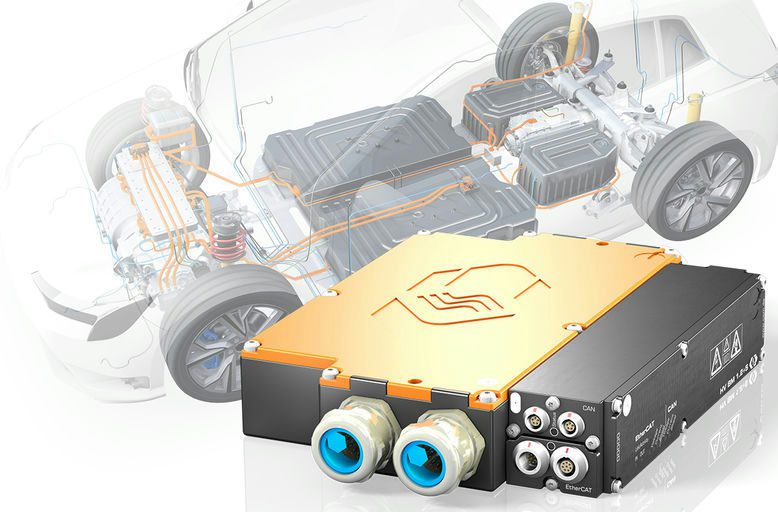
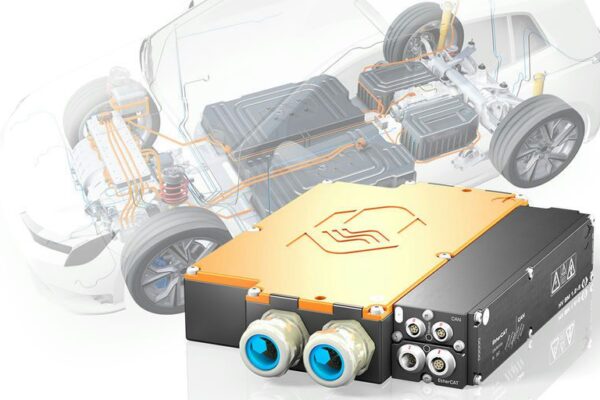
Stellantis, the parent of 14 American and European car brands including Jeep, Ram, Dodge, Peugeot, and Fiat, is considering expanding its partnership with China’s Leapmotor to bring its technology to Europe, Bloomberg reported Thursday, citing people familiar with the matter. The collaboration could potentially involve using Leapmotor’s advanced battery and powertrain technology across Fiat, Opel, and Peugeot.

Photo by: InsideEVs
The American-European conglomerate is already helping Leapmotor sell cars in Europe. Its T03 electric city car and C10 family SUV are available across the continent through Stellantis-owned dealer networks. Stellantis heavily invested in the Chinese automaker back in 2023, acquiring a 20% of the brand for €1.5 billion ($1.7B as of current exchange rates).
Stellantis needs its joint venture to deliver more than ever. This week, it reported a whopping $23.8 billion net loss in the second half of last year. That was mainly driven by the company rolling back its EV ambitions in North America due to the Trump administration’s radical policy reversals that now overwhelmingly favor gas car sales over EVs.
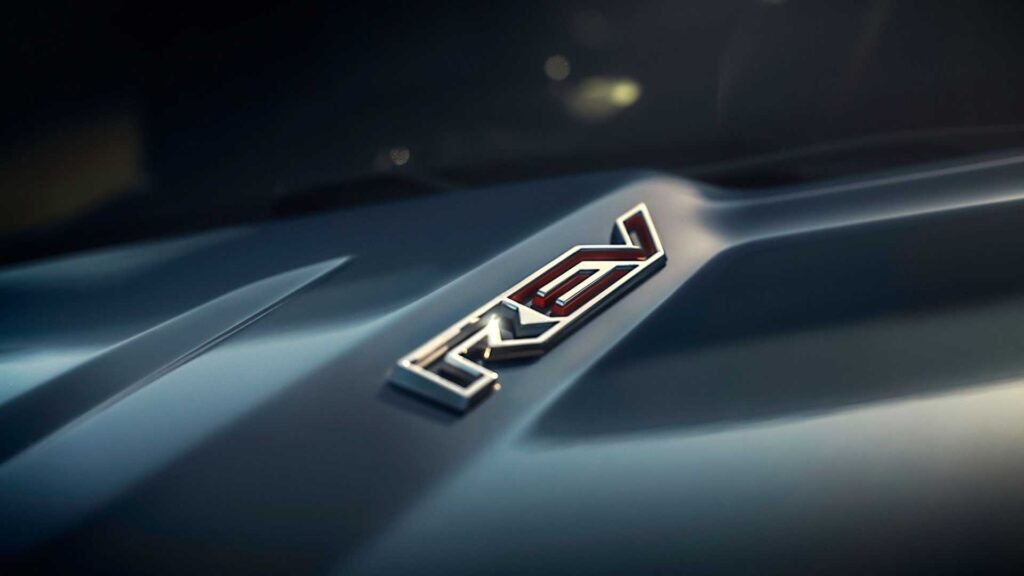
As a result, the automaker recently discontinued all its plug-in hybrids in North America, including the Jeep Wrangler 4xe, Cherokee 4xe, and the Chrysler Pacifica Plug-In Hybrid. It also canceled the all-electric Ram 1500 REV, which will now come with an extended-range powertrain with an onboard gas generator. Part of this pivot also involves bringing back its gas-guzzling Hemi V8 engine.
Photo by: Leapmotor
Stellantis isn’t alone in seeking Chinese help to boost its EV sales. Volkswagen has partnered with Xpeng to use its software and electrical architecture in future VW-branded models in China. Ford is licensing CATL’s lithium-iron phosphate (LFP) battery technology, which will be used in its $30,000 pickup next year. And recently, the company was also reportedly in talks with Xiaomi, which both automakers later denied.
While part of this trend can be attributed to anti-EV policies in the U.S., much of it has also stemmed from Western automakers’ reluctance to develop core EV technologies, instead relying on their profitable gas trucks and SUVs. But the world isn’t waiting for them to catch up to electrification—it’s marching on, and that progress is happening under China’s leadership. Chinese EV tech has already found a home in Europe, and experts say it’s only a matter of time before it lands in the U.S. too.
Contact the author: suvrat.kothari@insideevs.com