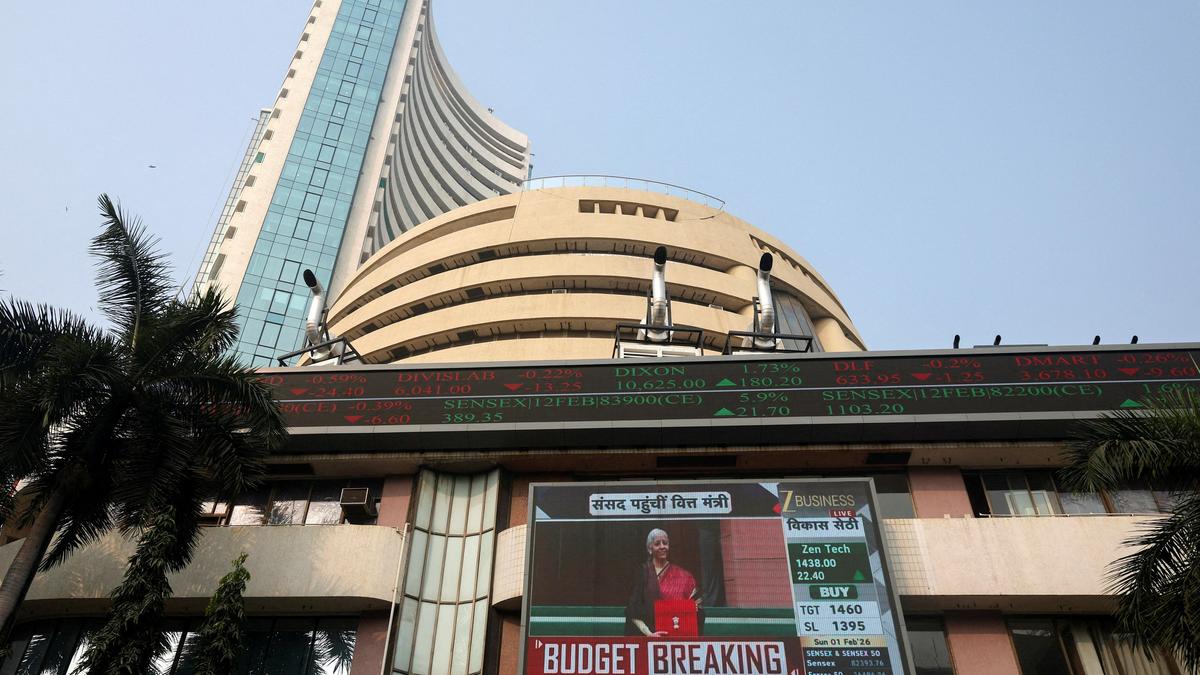






Investors continue selling stocks as crude gets dearer
Indian investors continued selling, triggering the benchmark indices to tumble in teh second consecutive session as oil prices surged on closure of Strait of Hormuz.
The benchmark Nifty 50 and Sensex 30 closed 24,480.50 and 79,116.19 points, down 1.5% and 1.4% respectively on 4, March responding to the oil shock.
Nifty 50, where the volume is the highest, opened at 24,388.80 points down over 2%, from the previous close, sunk to the day’s low of 24,305.40 points and hit the day’s high of 24,602.45 points before reaching the day’s close.
Twenty of the 21 sectoral indices declined , some of them crashing by more than 3% in a session. The only index that stayed calm was the IT index improving a marginal 0.1% over the previous close.
Going by many analysts, the West Asian crisis impact Indian markets through the oil price channel as the direct exposure is on oil prices.
Brent crude futures, a benchmark for Brent crude oil prices, increased to $80 a barrel on 3, March and went as high as $84.5 a barrel before settling down at $81.13 a barrel on 4, March.
Experts flagged a structural risk to India’s oil due to the disruption. “India faces elevated exposure to this disruption, with an estimated 50–55% of its crude oil and LNG imports transiting the SoH. Strategic petroleum reserves cover only approximately 8–9 days of oil demand, and there are no comparable strategic reserves for natural gas,” said Sumit Pokharna, VP Fundamental Research, Kotak Securities. “If the disruption persists beyond the very short term, supply-side stress will intensify rapidly. We expect gas supplies to be rationed in the near term,” he added.
A surge in oil prices would mean a potential widening of current account deficit and rupee depreciation.
The rupee closed at ₹92.2 a dollar, a fresh low, after the sustained increase in oil prices. This is a 7.3% depreciation from ₹85.47 a dollar in March 2025. Currency analysts say that this volatility is expected to continue in case of a sustained tension in the region.
“The Indian rupee recorded its steepest two-session decline since May 2025, as soaring energy prices intensified fears of persistent inflation and a widening trade deficit. This prevailing risk-off sentiment, coupled with high energy costs, is expected to keep the currency under pressure in the near term,” said Dilip Parmar, who is a Research Analyst at HDFC Securities. The currency pair is expected to range between ₹92.60 and ₹91.8 in the short run, going by Mr.Parmar’s estimates. Spot gold also stayed above $5100 an ounce for the second session after the conflict triggered demand for safer assets.
Going by the India VIX index, which measures volatility of Indian stock market, yesterday was the most volatile since 9, May 2025. The index hit 20.95 points increasing over 22% over the prevoius session
This volatility during an international event is common in short term and is generally followed by a period of stabilisation in the long term, said Naval Kagalwala, COO & Head of Product at Shriram Wealth Ltd. Further analysts also advised investors to refrain from any panic selling as such corrections in the stock indices will not show up in long term investment plans.
Published – March 04, 2026 09:48 pm IST