

India’s cocktail scene is moving beyond metros — and Indore just proved it
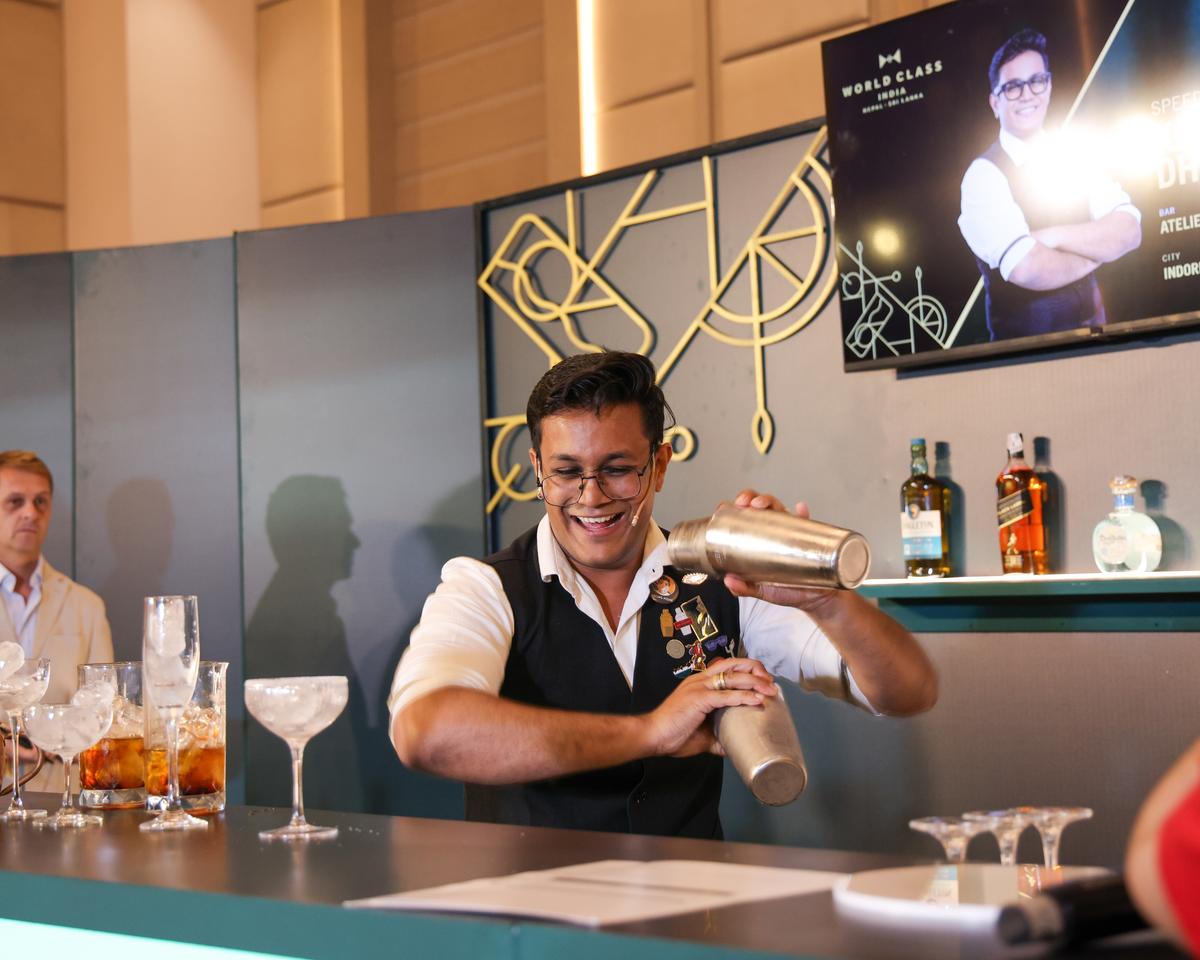
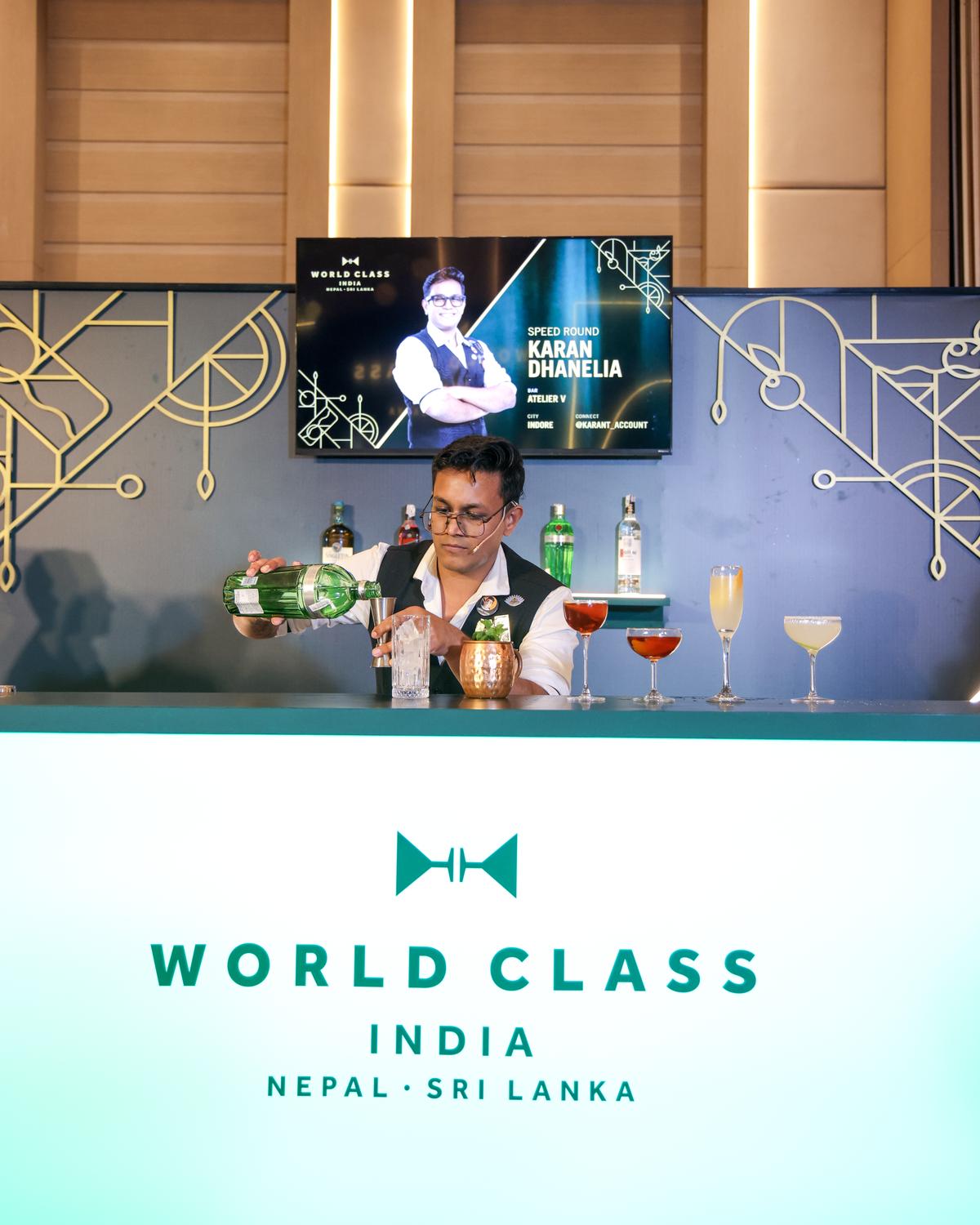
“People don’t just want single malts with water anymore, even in Indore,” Karan Dhanelia, head mixologist, Atelier V, tells me when I catch him after one of his rounds on Day 1 at Le Méridien Gurgaon.
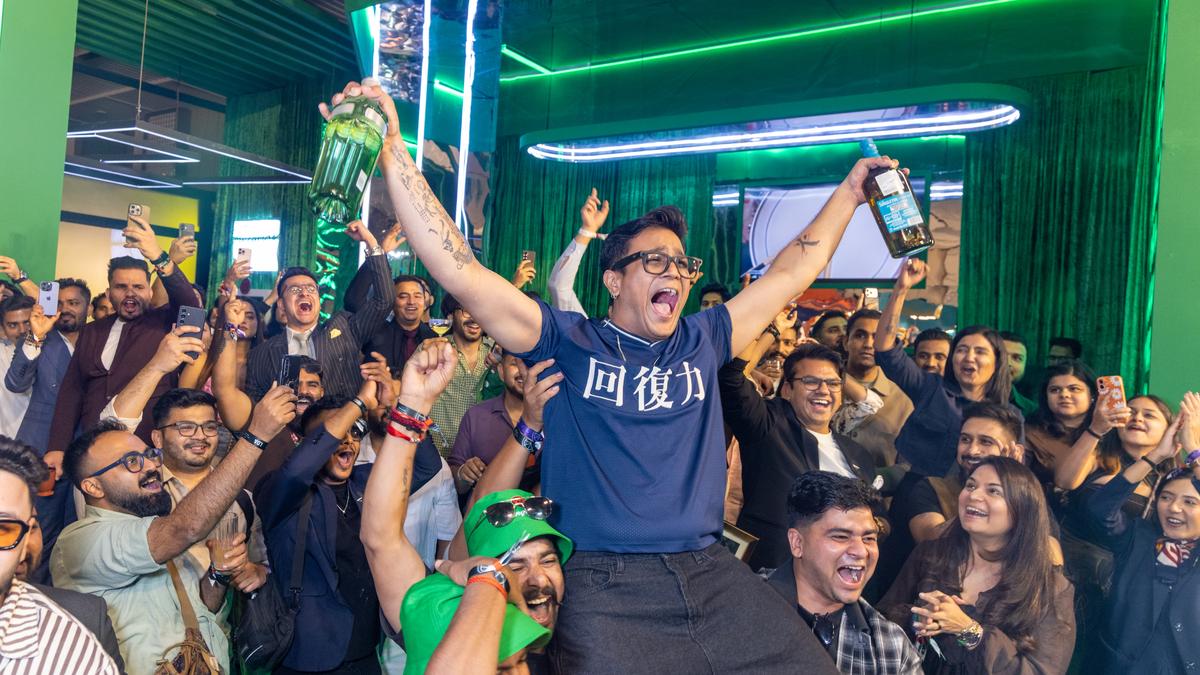
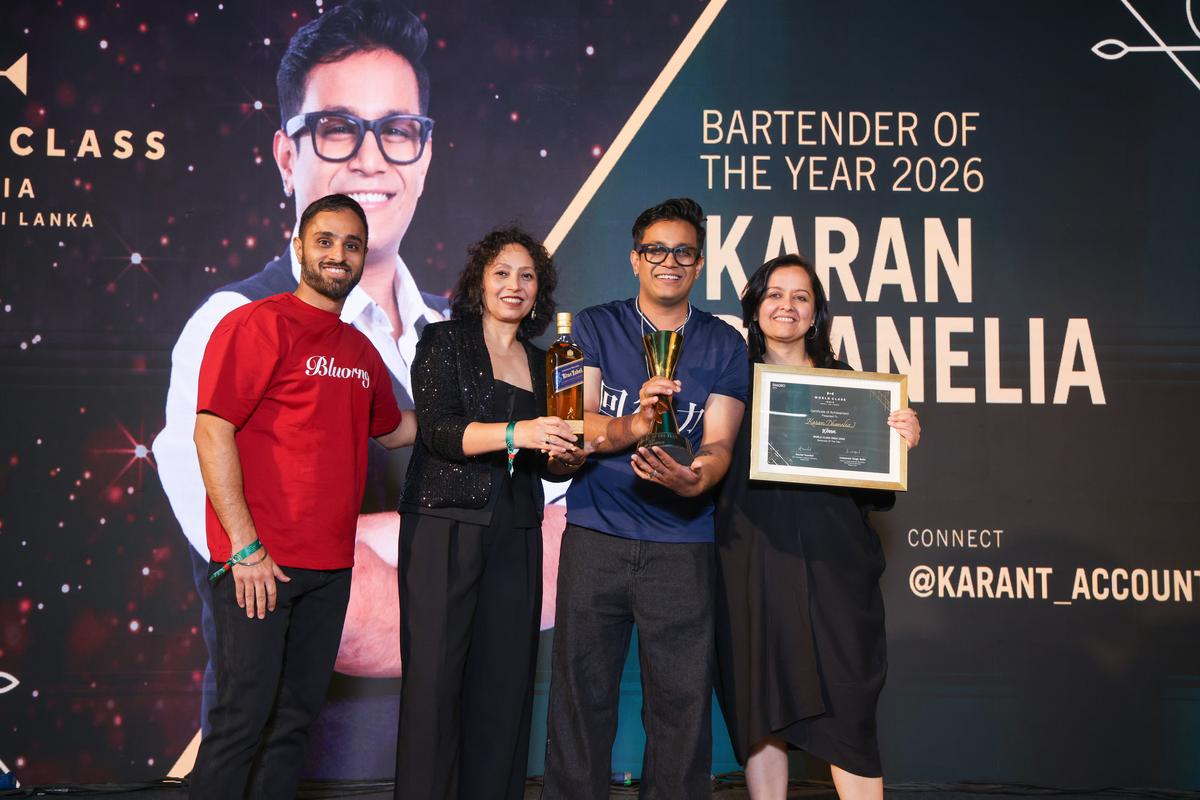
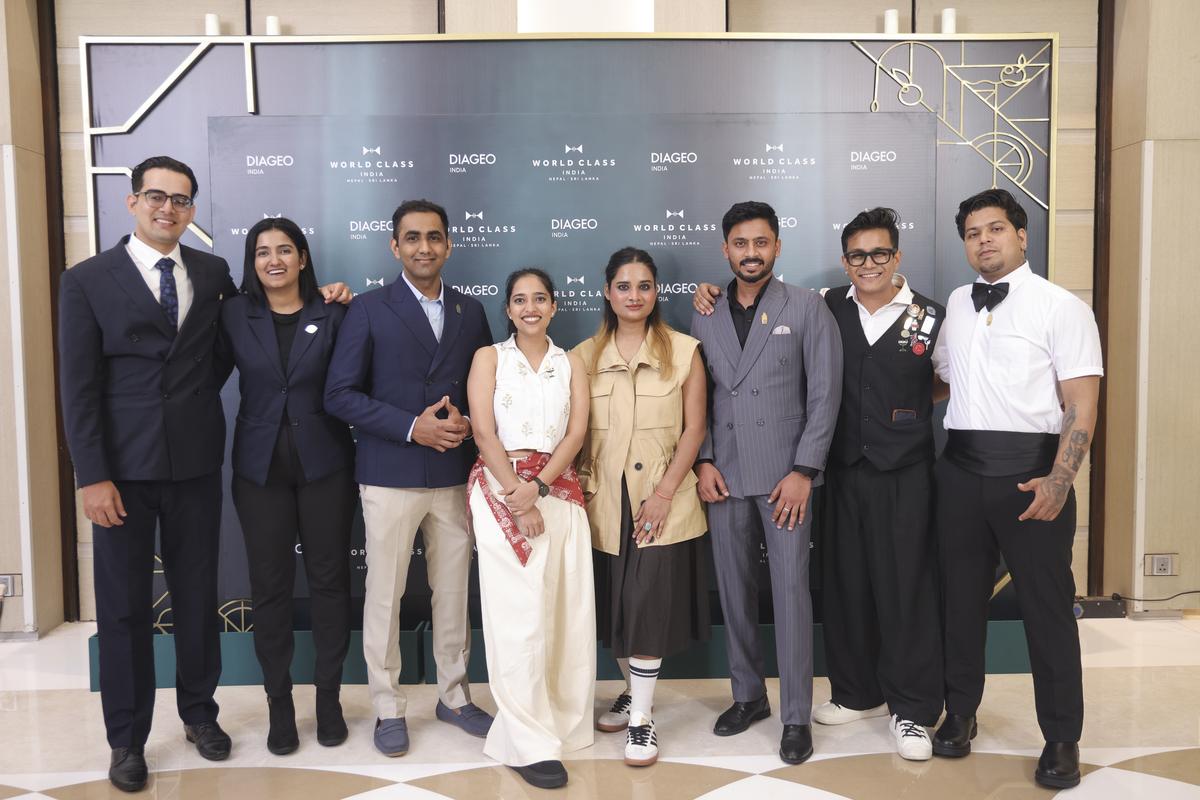
By the end of the competition, he was crowned Bartender of the Year at the 12th edition of Diageo India’s World Class (India, Nepal and Sri Lanka) from over 800 entries, held in Delhi. And he will be representing the country globally later this year.
The finals, held on March 27 and 28, 2026, were closely watched by an international jury — including mixologists David Rios, Tim Philips, Konstantinos Theodorakopoulos and Jenna Ba, alongside restaurateur-bartender duo Yangdup Lama and Minakshi Singh — who evaluated participants across challenges that tested technique, storytelling and originality. This edition also marked the first time that India, Nepal and Sri Lanka were brought together under a single World Class platform.
Cocktails that represent tier two cities
Over two days, it became clear that the cocktail culture across the Indian subcontinent is no longer confined to metropolitan cities; it is steadily permeating places that once sat outside the conversation.
Indore is one of them. “It’s a Tier-2 city, where the cocktail culture was almost absent,” says Karan. His decision to return to the city was strategic, shaped by what he had observed while working at Paro in Jaipur.
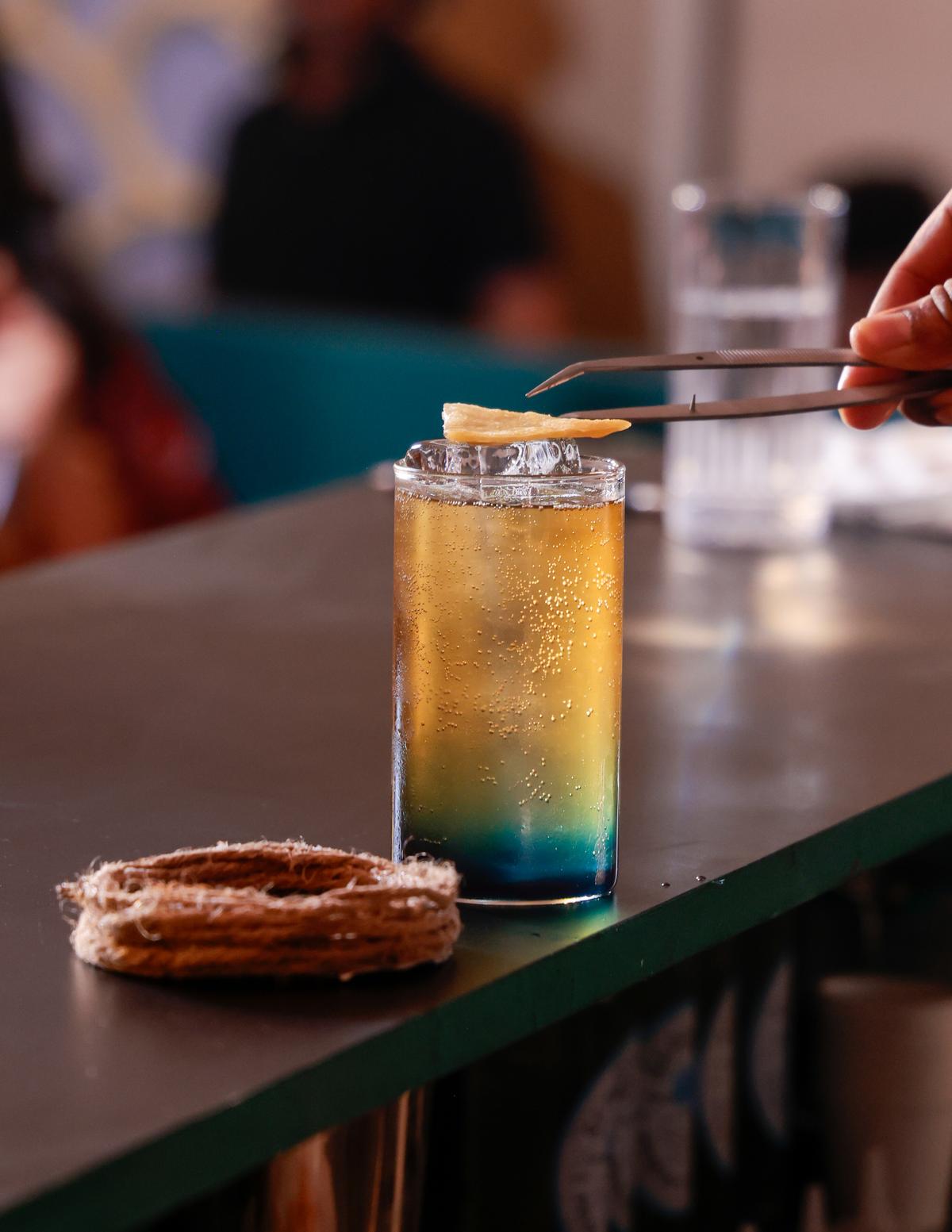
“Jaipur, in many ways, has shown the way. My drinks are built to be accessible but not simplistic. Familiar flavours are reframed with technique,” he explains. At Atelier V, one of his cocktails, Arriba, uses a clarified salsa in place of vermouth, layered with jalapeño tincture and savoury notes that draw from the city’s own food culture. At the finals, another drink featuring onion soda and spirulina syrup stood out for its originality, leaving a strong impression on the jury.
Indore, however, wasn’t an outlier this year. Amritsar, Chandigarh and Jaipur were all represented among the finalists.
“You can feel the genuineness,” says Minakshi, who has been part of the jury for the third consecutive year. “Confidence is going up. There’s less of a tendency to mimic what’s happening in Mumbai or Delhi, and more of an instinct to interpret local context.”
Menus that are accessible
The evolution is most visible in cities like Kolkata, where bars such as Conversation Room and Nutcase Etc. have begun to find their footing. “When we started, people were saying, who will drink this?” says Sarbani Mukherjee, bartender at Conversation Room. The bar opened about a year and a half ago, and the initial response was measured. “But now people want to experiment. They’re travelling more, they’re seeing similar profiles in other cities, and they want that here.”
What has changed, she believes, is as much about attitude as access. “We’re not saying we’re the best cocktail bar. It’s about the vibe, conversation and drinks; you don’t have to be fancy.” This accessibility is key to how newer markets are adopting drinking culture, as something to ease into.
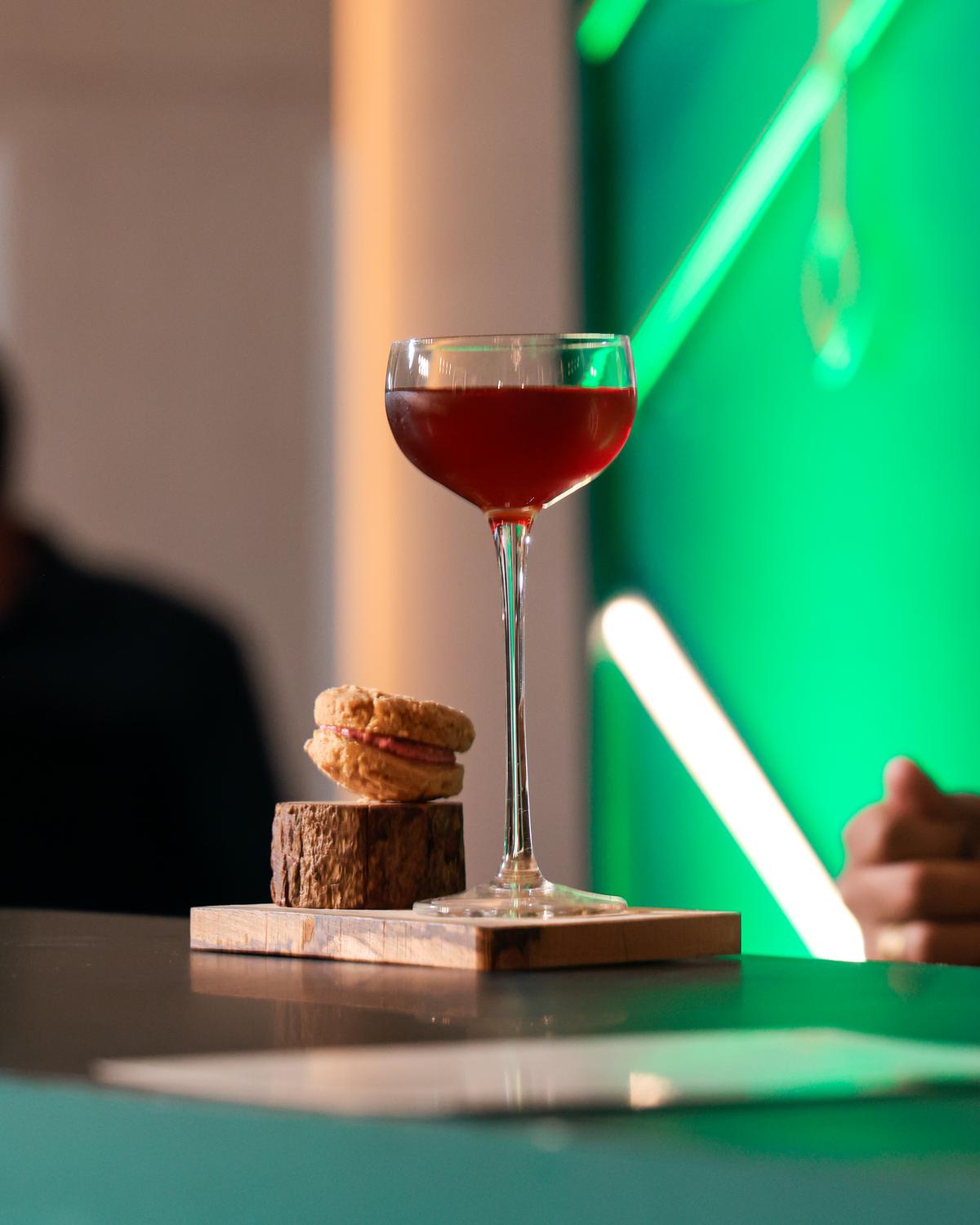
The menu reflects this progression. Alongside a spirit-forward selection, there are low-ABV and non-alcoholic options. A martini programme, introduced after Sarbani spent time tasting internationally, has quickly gained traction. “In the last three months, our version of the dirty martini is the second highest-selling drink after the Picante,” she notes.
Women behind the bar
Alongside this geographic growth, there are other significant shifts visible within the industry. This is the first time three of the eight finalists were women — Sarbani, Gracy Chourey (SOKA, Bengaluru) and Chitra Mansi (Novy, Gurugram). It’s not parity yet, but it points to a broader change in who is stepping behind the bar.
The competition format, too, reflects how the role of a bartender is evolving. Beyond speed and technique, participants this year were asked to draw inspiration from art and music, translating them into drinks with a narrative.
For all the progress, there were also clear gaps. “Aroma is the most important sense, and nobody really focussed on that,” says David Rios, World Class Global Winner 2013 and a member of the international jury. Yangdup echoed a similar sentiment. “While you want to make your cocktails complex, simplify it. That’s something I didn’t find as much this time.”
If the bartenders are evolving, so are the spaces they are working out of. Another clear trend this year was the rise of restaurant bars, including Atelier V (Indore), The Bombay Canteen
(Mumbai), Novy (Gurugram) and 1932 Trevi (Jaipur). Many of the finalists were not from standalone cocktail destinations, but from restaurants where drinks are part of a larger dining narrative. “It’s a subtle but important change. Cocktails are no longer a separate experience, but integrated into how people eat and socialise,” adds Yangdup.
Collectively, these trends point to an industry that is expanding in multiple directions at once. “We are growing like a big tribe,” Minakshi says, adding with a laugh, “Geographically, the way we eat, the way we are — we are all South Asians and we love to be loud.”
Published – March 30, 2026 03:38 pm IST