




In a first, a visually challenged woman all set to become a judge in Kerala
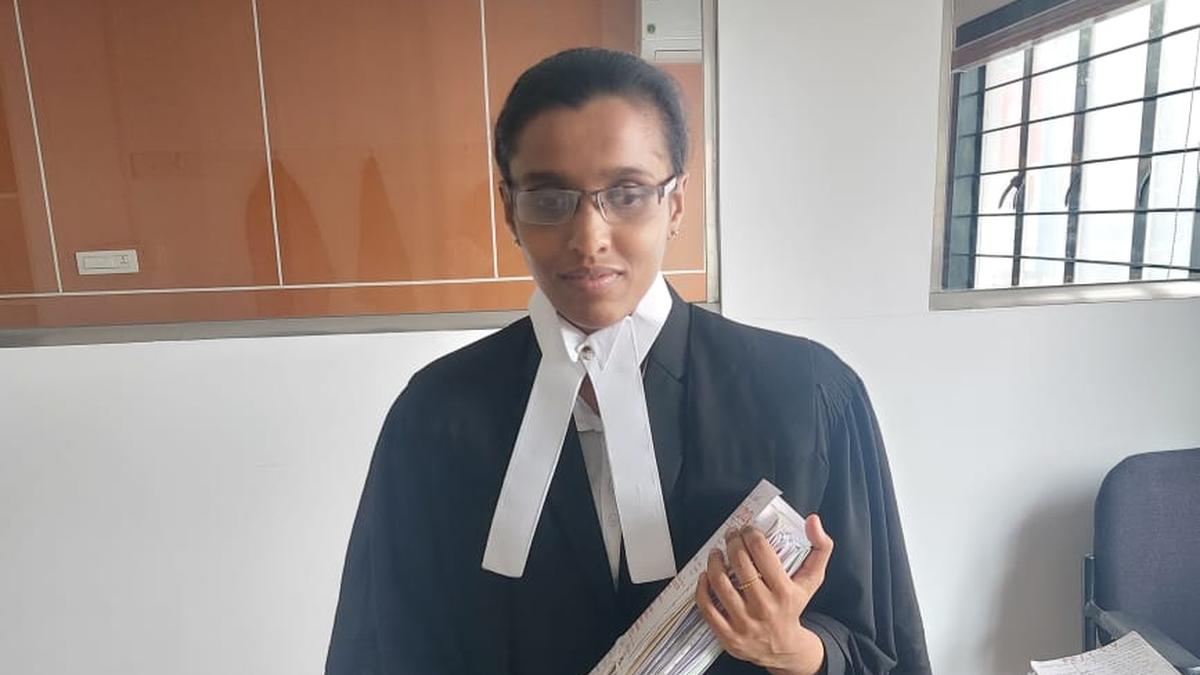
Thanya Nathan C., lawyer, will shortly enter the annals of Kerala’s judicial history as the first visually challenged woman judge.
Ms. Nathan, who is totally blind, was ranked first on the merit list of persons with benchmark disabilities in the recently held judicial service examination for the selection of Civil Judges (Junior Division) in the Kerala Judicial Service. Joyson Sajan, with cerebral palsy, came second.
It was a landmark judgment by a Supreme Court Bench consisting of Justices J.B. Pardiwala and R. Mahadevan in 2025, which noted that “visually impaired candidates cannot be said to be ‘not suitable’ for judicial service and they are eligible to participate in selection for posts in judicial service,” that paved the way for Ms. Nathan to become a judge.
The Bench had held that people with disabilities “should not face any discrimination in their pursuit of judicial service opportunities, and instead, there should be affirmative action on behalf of the State to provide an inclusive framework,” and no candidate shall be denied “consideration solely on account of their disability.”
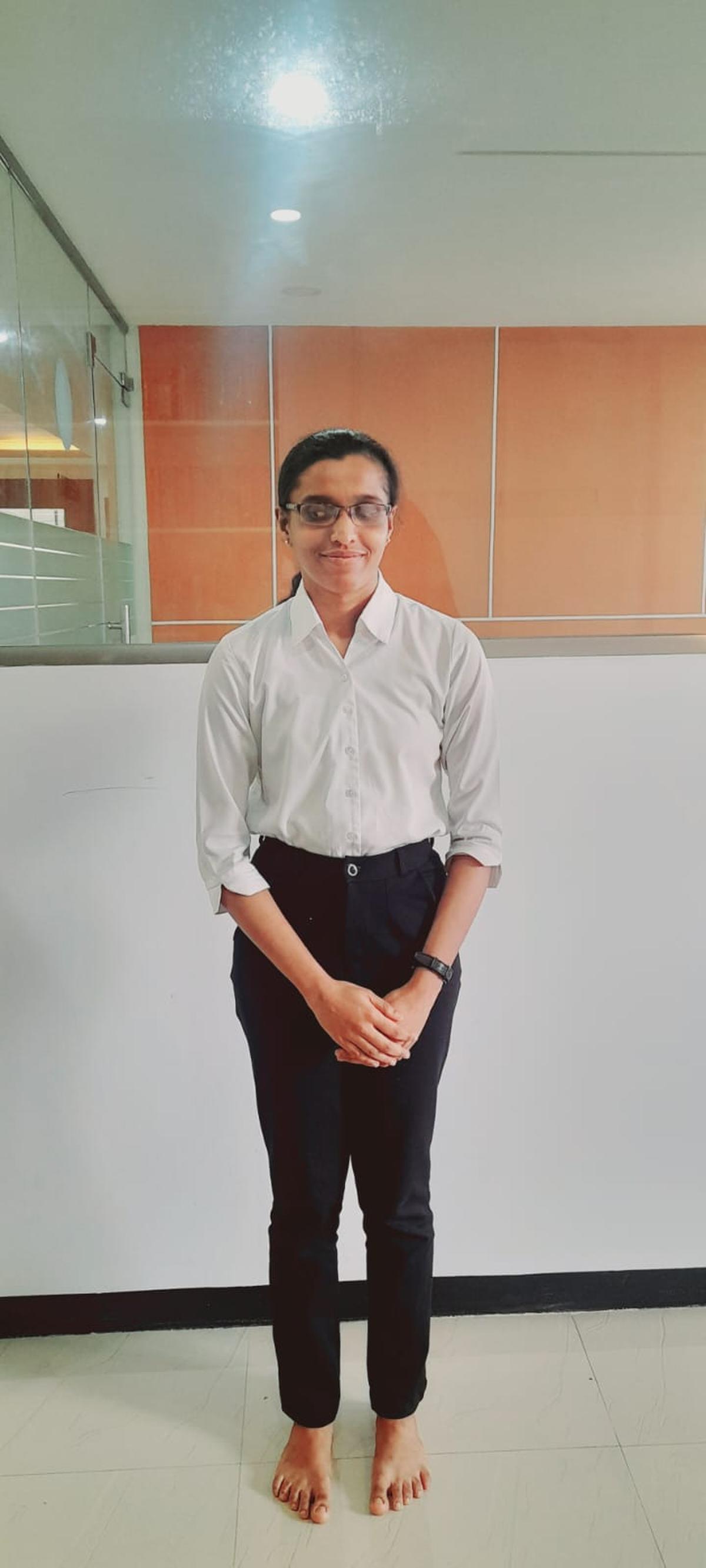
Thanya Nathan C.
“This should probably be for the first time that a candidate with visual disability is clearing the judicial service examination in Kerala. It’s not known whether such candidates had earlier applied for the post. Currently, there are no visually challenged judges in Kerala,” judicial sources said.
The Kerala High Court has completed the selection process and the list has been forwarded to the government, which will issue the appointment letter, sources said.
An LLB rank-holder
Overcoming her limitation as a person with no light perception, 24-year-old Ms. Nathan secured first rank in her LLB examination from Kannur University. She began her legal practice as a junior to K.G. Sunilkumar at Taliparamba in Kannur. “My senior and a few others encouraged me to take the recruitment exam, and the Supreme Court verdict came in as the right support. I studied law using texts with the Braille system. Now, technology has come to the aid of people like me, where screen-reading software help us read texts,” Ms. Nathan, who doesn’t need a white cane to move around, told The Hindu.
In Braille script
“As a lawyer, I used to prepare the argument notes in Braille script. Accessing the old documents, which could not be read by software, could be one hassle that I may encounter in future. Accessibility could be a major hurdle in courtrooms. Yet, I am confident of overcoming the challenges,” she said.
The upcoming appointment of Ms. Nathan also poses challenges to the Kerala judiciary to make the judicial process, the justice dispensation system and the physical infrastructure, including court halls, dais, offices and chambers accessible to differently abled persons, according to judicial sources.
Published – February 09, 2026 12:36 am IST